Artificial turf has come a long way from its early days as a low-cost substitute for natural grass. What was once seen as a stiff, plastic-looking alternative has grown into one of the most talked-about developments in landscaping. Homeowners, sports facilities, and commercial properties are all paying closer attention to artificial turf trends because the technology behind synthetic grass has changed so dramatically.
This shift is not just about appearances. It touches everything from how turf drains water to what it is made of and how long it lasts. Below, we break down the innovations shaping the industry and why they matter for anyone considering a switch to synthetic grass.
A More Realistic Look and Feel
One of the most noticeable improvements in synthetic grass technology is realism. Early turf products often looked uniform and artificial, with flat color and a texture that felt nothing like a real lawn. Manufacturers have since developed multi-tone blade coloring, varied blade shapes, and softer fiber materials that mimic the natural variation found in real grass.
Some newer products are even designed with seasonal color variation in mind, so the turf can shift subtly in tone the way a natural lawn might throughout the year. Texture has also improved, with softer, more flexible fibers replacing the coarse materials used in older systems. The result is a lawn that holds up to close inspection and everyday use without giving away that it is synthetic.
Advanced Drainage Systems
Drainage has historically been one of the biggest complaints about artificial turf. Older systems relied on basic perforated backing that could clog over time, leading to water pooling and unpleasant odors, especially in areas with heavy rainfall or pets.
Modern turf innovations address this with multi-layered backing and permeable underlays that allow water to pass through quickly and evenly. Some designs now include a dedicated moisture absorption layer beneath the turf itself, which helps prevent standing water even during heavy storms. For properties on slopes or in regions with unpredictable weather, these drainage improvements make a real difference in how the lawn performs long-term.
Sustainable Artificial Turf Materials
Sustainability has become a central focus in the turf industry, and it shows in the materials being used. Manufacturers are increasingly turning to recycled plastics, plant-based polymers, and other renewable inputs instead of relying solely on virgin petroleum-based products.
This shift matters for two reasons. First, it reduces the environmental footprint of production. Second, it appeals to homeowners who want the water savings of artificial turf without feeling like they are trading one environmental concern for another. Sustainable artificial turf materials also tend to withstand UV exposure, helping the turf resist fading and stay looking fresh for years.
Astroturf Infill Technology
Infill is the material placed between turf fibers to keep them upright and provide cushioning, and it has seen some of the most significant innovation in the industry. Traditional rubber infill, while effective, has drawn criticism for retaining heat and, in some cases, raising environmental concerns.
Newer astroturf infill technology includes organic infill options made from materials such as cork and coconut fiber, as well as cooling infill blends designed to lower surface temperatures on hot days. These innovations directly address two of the most common concerns homeowners raise about synthetic grass: heat retention and long-term maintenance. The infill layer also plays a role in shock absorption, which is especially important for turf used in play areas and sports fields.
Durability Built for Everyday Use
Durability remains one of artificial turf’s core strengths, and recent advances have only reinforced this. Improved polymer blends extend the lifespan of turf fibers, while reinforced backing systems help the turf hold up under heavy foot traffic, pets, and outdoor furniture.
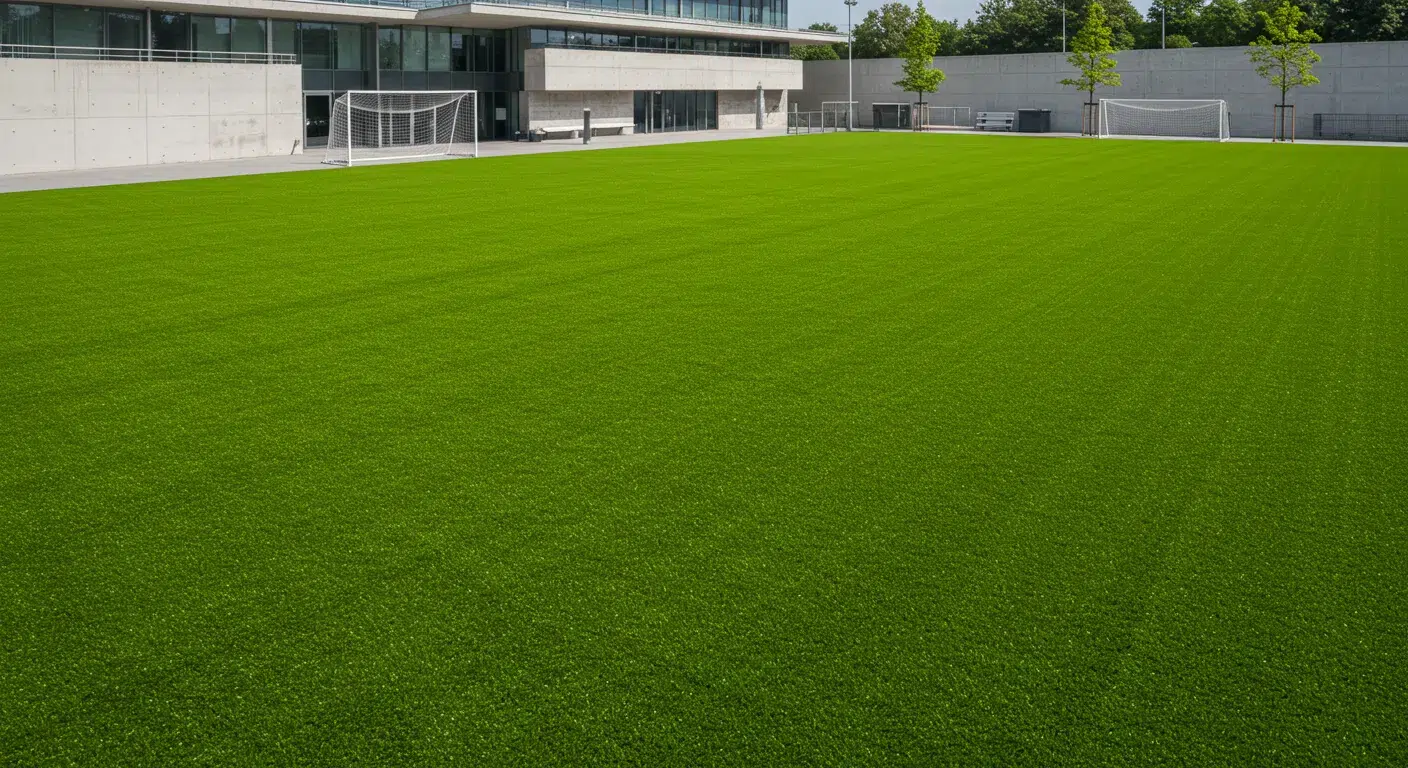
This durability is part of why sports fields, from soccer pitches to multi-use courts, continue to rely on synthetic grass. The same qualities that make turf resilient enough for athletic use also make it a practical option for busy households and commercial spaces that need a lawn to look good with minimal upkeep.
Why Homeowners Are Making the Switch
Beyond the technical improvements, the appeal of artificial turf often comes down to convenience. A well-installed synthetic lawn requires no mowing, no fertilizing, and far less water than a natural lawn, while still delivering a green, consistent look throughout the year.
As artificial turf trends continue to move toward more realistic textures, better drainage, and more sustainable materials, the gap between synthetic and natural grass keeps narrowing. For homeowners and businesses weighing their landscaping options, understanding these modern turf innovations makes it easier to choose a solution that fits both their lifestyle and their property.
Frequently Asked Questions
What are the biggest artificial turf trends right now?
The biggest shifts are toward more realistic textures and coloring, better drainage systems, sustainable and recycled materials, and improved infill technology that reduces heat and adds cushioning.
What is astroturf infill technology and why does it matter?
Infill is the material spread between turf fibers to keep blades upright and add cushioning. Newer infill options, including organic materials and cooling blends, help lower surface temperature and reduce maintenance compared to older rubber infill.
Are sustainable artificial turf materials actually better for the environment?
Yes, in several ways. Many modern turf products use recycled plastics or plant-based polymers in place of virgin materials, which lowers the environmental impact of production while still offering the water savings that come with switching away from natural grass.
Does modern artificial turf drain well in heavy rain?
Newer turf systems use multi-layered, permeable backing and moisture absorption layers designed specifically to prevent pooling, which is a major improvement over older turf designs that were prone to clogging.
How long does modern artificial turf typically last?
With improved polymer blends and reinforced backing, well-maintained artificial turf commonly lasts between fifteen and twenty-five years, depending on foot traffic, climate, and installation quality.
Is artificial turf a good option for homes with pets?
Yes. Advanced drainage systems and antimicrobial, odor-resistant materials make modern turf a practical choice for pet owners, since it is easier to rinse clean and less prone to staining or bacteria buildup than older turf products.