Professional tree planting services combine expert species selection, proper planting depth, strategic placement, and long-term care planning to deliver measurable returns for property owners. While anyone can put a sapling in the ground, the difference between a tree that thrives for decades and one that declines within a few years comes down to how and where it was planted. Hiring professionals means the right tree goes in the right place with the right technique, which directly affects everything from energy savings and stormwater management to property value and curb appeal. For more planning tips, explore our tree planting guide.
TL;DR
- Every dollar spent on planting and caring for a community tree yields two to five dollars in measurable benefits, including cleaner air, lower energy costs, and increased property values, according to the Arbor Day Foundation.
- Professional tree planting services ensure correct species selection, planting depth, soil preparation, and placement, all of which determine whether a tree survives or declines.
- Urban trees can reduce stormwater runoff by absorbing 15 to 27% of annual rainfall and can lower surrounding air temperatures significantly, per EPA research.
- Strategically placed trees can cut air conditioning needs by up to 30% and reduce heating costs by 20 to 50%, according to USDA Forest Service data.
- Healthy, mature trees add an average of 10% to a property’s value, and landscaping with trees can increase property values by as much as 20%.
- The USDA Forest Service confirms that urban trees also improve community health outcomes, provide wildlife habitat, and strengthen social cohesion.
- Professional services often include ongoing maintenance plans, warranty coverage, and site-specific arborist recommendations that DIY planting cannot match.
Why Professional Tree Planting Delivers Better Results Than DIY
Planting a tree seems straightforward, but several technical factors separate a successful planting from a failed one. Our team evaluates soil composition, drainage patterns, sun exposure, underground utilities, and mature canopy spread before a single hole is dug. This level of planning prevents common problems like root girdling, inadequate soil volume, and conflicts with foundations or power lines. For detailed recommendations, see our technical guide to tree planting spacing.
A professional service also accounts for the tree’s long-term growth trajectory. Selecting a species based solely on appearance, without considering mature height, root spread, or regional climate hardiness, frequently leads to costly removals or structural damage years later. The USDA Forest Service notes that urban forests function as dynamic ecosystems providing critical benefits, but only when they are properly planned, planted, and maintained over time.
Professional planters also use techniques like root collar excavation, proper mulching, and staking only when necessary, all of which improve survival rates during the critical establishment period. Many municipalities require permits or specific planting standards for street-facing trees, and experienced professionals understand these regulations and ensure every installation is compliant.
Environmental Benefits That Compound Over Time
The environmental payoff from properly planted trees grows significantly as the canopy matures. According to the EPA, trees and vegetation in urban environments lower surface and air temperatures through shade and evapotranspiration, with one review of 308 studies finding that urban forests were on average 3°F cooler than non-green urban areas.
Beyond cooling, trees deliver measurable improvements to air and water quality:
- Air quality: Airborne pollutants including particulate matter, nitrogen oxides, sulfur dioxide, carbon monoxide, and ground-level ozone deposit on tree leaves, removing them from the air. Dense roadside vegetation can reduce pollutants downwind by approximately 30%.
- Carbon sequestration: A single mature tree can absorb over 48 pounds of CO2 annually. A single large tree supplies a day’s worth of oxygen for up to four people.
- Stormwater management: Trees absorb excess rainfall, reducing runoff from roofs and streets into local water bodies. Urban trees can reduce stormwater runoff by absorbing 15 to 27% of annual rainfall. They also filter pollutants like fertilizers, pesticides, and animal waste before they reach waterways.
These are not marginal benefits. The Fairfax County Government reports that in a single county, the urban forest stores thousands of tons of carbon, removes significant amounts of air pollutants annually, and intercepts millions of cubic feet of stormwater runoff.
Property Value and Energy Savings
Trees contribute directly to a property’s financial worth. Healthy, mature trees add an average of 10% to a property’s value, and landscaping with trees can push that increase to 20%. The majority of real estate professionals surveyed believe mature trees have a strong or moderate impact on home salability.
The energy savings are equally well documented. Properly placed trees around buildings reduce air conditioning needs by up to 30% and can save 20 to 50% on heating costs. In one city, community trees saved the average household measurable annual cooling costs, totaling millions in city-wide savings. The U.S. Department of Energy estimates that positioning just three trees strategically can reduce household energy bills by lowering overall energy use by up to 25%.
| Benefit Category | How Trees Deliver It | Professional Advantage |
|---|---|---|
| Energy savings | Shade in summer, windbreaks in winter | Correct placement for maximum efficiency |
| Property value | Curb appeal, mature canopy, privacy screening | Species selected for long-term growth and aesthetics |
| Stormwater control | Root systems absorb and filter rainfall | Proper soil volume and root space planning |
| Air quality | Leaves capture particulates and absorb gases | Diverse species mix for year-round filtration |
| Cooling effect | Shade and evapotranspiration lower temperatures | Strategic positioning near buildings and hardscapes |
Health and Community Benefits
The positive effects of trees extend well beyond property lines. Research compiled by the USDA Forest Service Research and Development shows that urban trees improve community health outcomes, including associations with healthier infant birth weights and decreased cardiovascular mortality. Tree loss, on the other hand, is linked to increased rates of cardiovascular disease.
At the neighborhood level, the Arbor Day Foundation reports that a 10% increase in tree canopy in Baltimore was linked to a 12% decrease in crime, and residents of public housing with nearby trees reported 25% fewer acts of domestic aggression and violence. Exposure to trees reduces blood pressure, decreases muscle tension, and increases immune system function according to EPA-cited research.
Trees also serve as physical barriers that reduce noise and light pollution, provide habitat for pollinating insects, migratory birds, and small mammals, and create shaded outdoor spaces that encourage physical activity and social interaction.
Recommendations by Property Type
Different properties benefit from different planting strategies. Here is how the approach varies depending on the site:
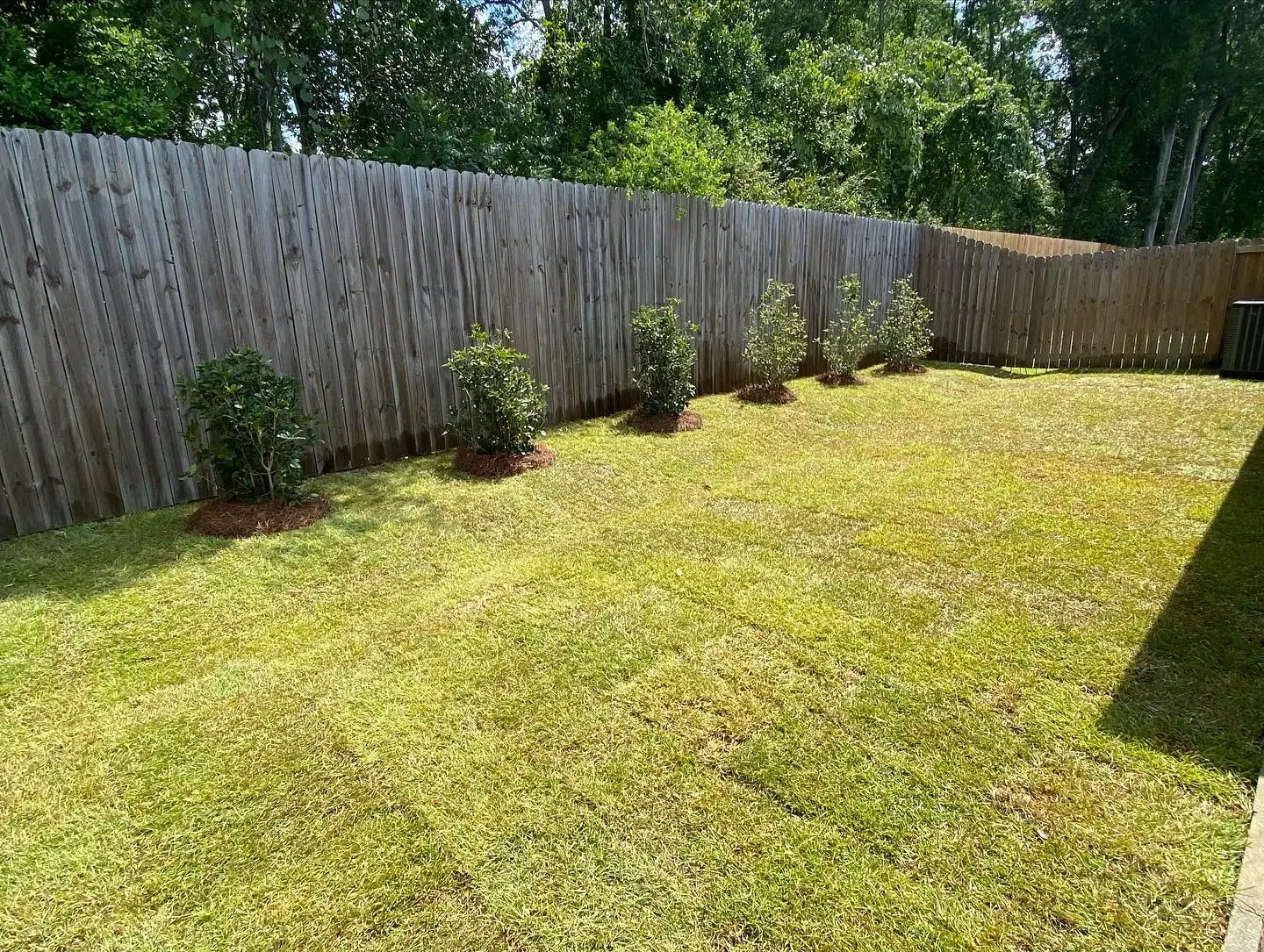
- Residential properties: Focus on shade trees positioned to reduce afternoon sun exposure on the south and west sides of the home. Deciduous species work well here because they provide summer shade while allowing winter sunlight. Privacy screening along property lines with evergreen species adds year-round value.
- Commercial properties: Street trees and parking lot shade improve customer experience, reduce urban heat island effects on asphalt surfaces, and boost the professional appearance of the property. The USDA Forest Service highlights that urban forests strengthen social cohesion and spur community revitalization, making tree-lined commercial corridors more inviting.
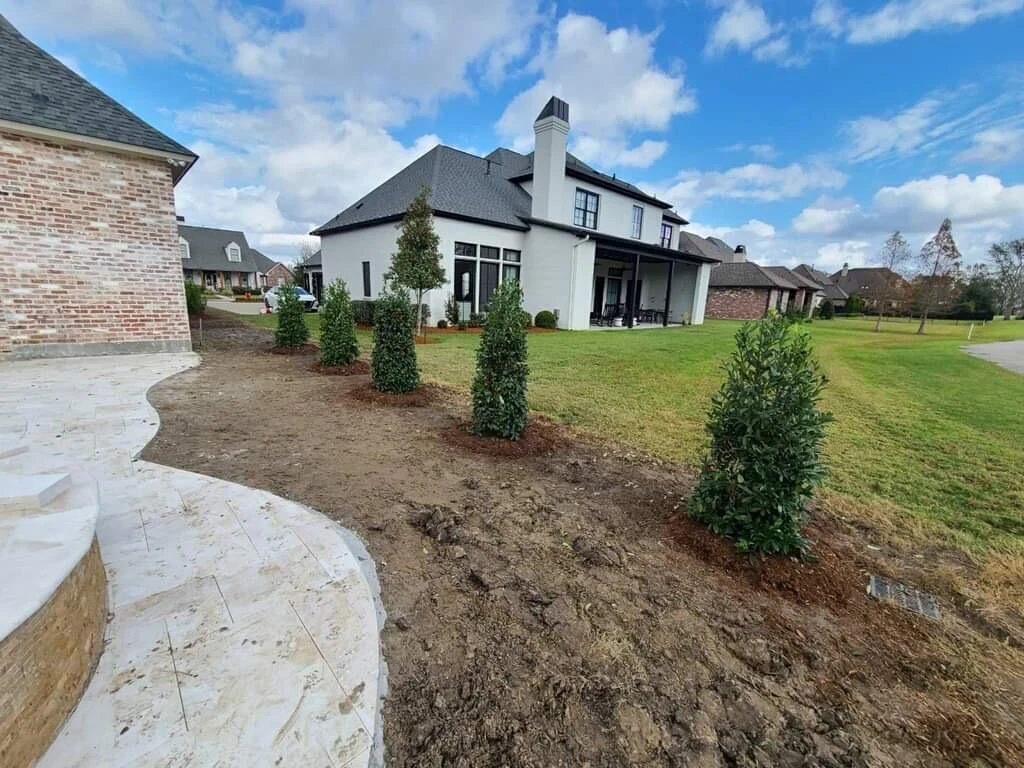
- New construction sites: Professional planting services are especially valuable here because soil compaction from construction equipment, changes to drainage patterns, and cleared root zones make establishment more difficult. Our team addresses grading issues, amends compacted soil, and selects species tolerant of disturbed conditions.
- HOA and municipal properties: These projects often require compliance with local ordinances, canopy coverage targets, and species diversity standards. Professionals handle permitting, ensure species diversity to protect against species-specific pests, and design for long-term canopy coverage goals.
Signs You Have Found the Right Tree Planting Service
Evaluating a tree planting service goes beyond comparing prices. Look for these indicators:
- Site-specific recommendations: The service should assess your property’s unique conditions, including soil type, sun exposure, drainage, and existing infrastructure, rather than offering a generic tree list.
- Species diversity planning: A strong provider will recommend multiple species rather than a single variety, which protects against species-specific diseases and pests.
- Long-term maintenance discussion: Quality services explain what happens after planting, including watering schedules, pruning timelines, and monitoring for pests or disease during the establishment period.
- Transparent process: Clear timelines, written scopes of work, and open communication about what the service includes and what ongoing care the property owner is responsible for.
- Knowledge of local regulations: Understanding of municipal tree ordinances, permit requirements, and setback rules for your area.
How to Avoid Common Tree Planting Mistakes
Many tree failures trace back to preventable errors during planting. Here are the most common issues our team addresses:
- Planting too deep: The root flare should be visible at or slightly above soil level. Burying it encourages rot and girdling roots.
- Ignoring soil conditions: Clay-heavy or compacted soil needs amendment and proper drainage before planting.
- Choosing the wrong species: A tree that matures at 60 feet should not be planted under power lines or near foundations.
- Improper mulching: Volcano mulching, where mulch is piled high against the trunk, traps moisture against bark and promotes disease.
- Skipping the establishment period: Newly planted trees need consistent watering for the first one to three growing seasons. Professional services provide clear care guidelines to prevent drought stress during this window.
Ready to Invest in Your Property’s Tree Canopy?
All Seasons Landscaping brings years of hands-on experience to every tree planting project, from species selection and soil preparation to strategic placement and long-term care planning. Our team evaluates each site individually to ensure the trees we plant today become healthy, high-value assets for decades to come. Whether you are building a new landscape from scratch or filling gaps in an existing canopy, we deliver professional results backed by the right methods for our regional climate and soil conditions.
Reach us at 225-276-8658 or [email protected] to get started. Your property deserves the kind of lasting value and beauty that only properly planted trees can provide.
Frequently Asked Questions
How long does it take for a newly planted tree to provide noticeable shade?
Most shade trees begin offering meaningful canopy coverage within 5 to 10 years of planting, depending on the species and growing conditions.
What is the best time of year to plant trees?
Early spring and fall are generally ideal for planting because moderate temperatures and rainfall reduce transplant stress and give roots time to establish before extreme weather.
Can professional tree planting help with stormwater issues on my property?
Yes. Strategic tree placement with proper soil preparation allows root systems to absorb and slow runoff, reducing pooling and erosion on your property.
Do I need a permit to plant a tree on my residential property?
Requirements vary by municipality. Professional tree services are familiar with local ordinances and can guide you through any permitting process before planting begins.
How does professional planting improve a tree’s survival rate compared to DIY?
Professionals assess soil conditions, plant at the correct depth, select species suited to the site, and provide establishment care instructions, all of which significantly reduce transplant failure risk.
Sources
- EPA – Benefits of Trees and Vegetation – Comprehensive research on how trees reduce urban heat islands, improve air quality, manage stormwater, and enhance quality of life in urban environments.
- Arbor Day Foundation – The Value of Trees – Data-driven overview of tree benefits including energy savings, property value increases, carbon sequestration, crime reduction, and public health outcomes.
- Fairfax County Government – Benefits of Planting Trees – Local government data on urban forest ecosystem services, including pollution removal, carbon storage, stormwater interception, and property value impacts.
- USDA Forest Service Research and Development – Urban Forestry – Federal research on urban forest sustainability, ecosystem services, community health outcomes, and the role of green infrastructure in urban planning.
- USDA Forest Service – Urban Forests – Overview of America’s urban forests as dynamic ecosystems that filter air and water, control stormwater, conserve energy, provide habitat, and strengthen community revitalization.

- The Complete Guide to Hedge Trimming, Care, Maintenance, and Healthy Growth - October 6, 2026
- How Can Professional Drainage Services in Central, LA Protect Your Property From Water Damage? - September 11, 2026
- Which Areas of Your Property Benefit Most From Outdoor Lighting for Safety and Curb Appeal? - September 11, 2026