Professional landscaping turns an ordinary yard into a functional, visually appealing extension of your home. The difference between a property with a scattered collection of plants and one with a cohesive, professionally designed outdoor space comes down to design principles, strategic plant placement, and proper site planning. Whether the goal is expanding entertaining areas, improving drainage and water management, or boosting property value, professional landscaping addresses each of these through a deliberate process that combines horticultural science with spatial design. The right approach depends on the property’s existing conditions, the homeowner’s lifestyle needs, and long-term maintenance expectations, making a landscaping services guide a useful resource for planning successful outdoor improvements.
TL;DR
- Professional landscape design uses established elements (line, form, texture, color, visual weight) and principles (proportion, order, repetition, unity) to organize outdoor spaces into cohesive, functional rooms, per the University of Florida IFAS Extension
- Strategic tree and vegetation placement can reduce surface temperatures by 20 to 45 degrees Fahrenheit and lower peak summer air temperatures by 2 to 9 degrees Fahrenheit through shading and evapotranspiration, according to EPA research
- Landscaping with native and drought-tolerant plants, combined with efficient irrigation and hydrozoning, creates resilient landscapes that require less water and maintenance
- EPA-funded studies show trees and vegetation deliver $1.50 to $3.00 in benefits for every dollar invested, including energy savings, stormwater management, air quality improvements, and property value increases
- Research confirms that a carefully planned and properly managed landscape is healthier, less prone to disease, and requires significantly less irrigation over time
- Creating “outdoor rooms” through material changes, elevation shifts, and plant groupings allows a single yard to serve multiple purposes, from entertaining to relaxation
How Professional Design Principles Shape Outdoor Spaces
The transformation of an outdoor living space begins with how the space is organized visually and physically. According to the University of Florida IFAS Extension, landscape designers use five core visual elements to compose outdoor spaces:
- Line: Controls the movement of the eye and the body. Straight lines create a formal, structural feel, while curved lines feel more relaxed and natural.
- Form: The three-dimensional mass of plants and structures. Tree forms, including round, columnar, pyramidal, and weeping, determine the overall character and function of the space.
- Texture: The visual and tactile quality of plant foliage, bark, and hardscape materials. Coarse textures attract attention, while fine textures create a sense of openness.
- Color: The most conspicuous but also the most temporary element. Warm colors advance toward the viewer, while cool colors recede.
- Visual weight: The perceived importance of features based on mass and contrast. High visual weight features like large specimen plants serve as focal points.
These elements are organized through design principles, specifically proportion, order, repetition, and unity. Proportion ensures features fit the human body and the surrounding architecture. Order is achieved through balance, either symmetrical or asymmetrical. Repetition creates rhythm and connects different areas of the yard. Unity ties everything together so the landscape feels intentional rather than scattered, regardless of whether you prefer modern or classic landscape design.
The Colorado State University Extension adds additional principles, including scale, balance, simplicity, variety, emphasis, and sequence. These work together to create outdoor spaces that feel emotionally engaging, whether the goal is a calming retreat or an energetic entertaining area.
Environmental and Functional Benefits Beyond Appearance
The value of professional landscaping extends well beyond aesthetics. Strategic vegetation placement delivers measurable environmental and functional improvements.
Cooling and Energy Savings
The EPA’s research on heat island reduction documents that trees and vegetation lower surface and air temperatures through two primary mechanisms: shading and evapotranspiration. Shaded surfaces may be 20 to 45 degrees Fahrenheit cooler than unshaded materials. Evapotranspiration, alone or combined with shading, can reduce peak summer air temperatures by 2 to 9 degrees Fahrenheit. Planting deciduous trees to the west and east of a building is most effective for cooling, as this blocks low-angle morning and afternoon sun during summer while allowing winter sunlight through.
The EPA’s analysis across five U.S. cities found that communities accrued $1.50 to $3.00 in benefits for every dollar invested in urban trees, with net annual benefits of $30 to $90 per tree. These benefits include energy savings, stormwater management, improved air quality, and property value increases.
Water Conservation and Sustainable Landscaping
Professional landscaping addresses water management through strategies outlined by the University of Nebraska-Lincoln Extension:
- Hydrozoning: Grouping plants with similar water needs together to optimize irrigation efficiency
- Native and drought-tolerant plant selection: Choosing species adapted to local climate conditions
- Efficient irrigation: Drip irrigation, soaker hoses, and smart controllers that adjust based on weather and soil moisture
- Rain gardens and bioswales: Landscape features that capture and filter runoff
- Permeable surfaces: Gravel and permeable pavers that allow water to infiltrate the ground
The University of Georgia Extension confirms that landscapes which have been carefully planned, installed, and properly managed are healthier, less prone to insects and diseases, and require less irrigation. Proper soil amendments, appropriate mulching at 2 to 4 inches deep, and planting according to sun exposure patterns all contribute to long-term water savings.
Transforming Yard Layout: From Empty Lawn to Outdoor Living
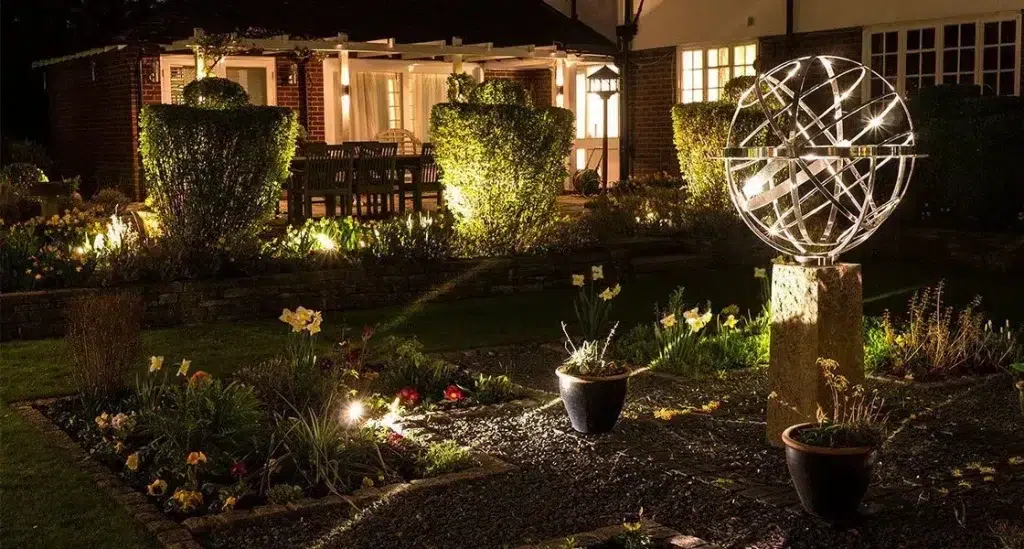
One of the most visible changes professional landscaping delivers is converting an underused lawn into a series of connected outdoor rooms. The University of Florida IFAS Extension describes this as spatially dividing a yard into separate uses, similar to rooms inside a house. Spaces are delineated through changes in materials (stone patio meeting turf), elevation changes (steps or terracing), structural forms (low garden walls), and plant groupings that create implied walls and ceilings.
| Design Element | How It Transforms the Space | Common Applications |
|---|---|---|
| Patios and hardscapes | Creates defined floor space for dining and seating | Outdoor kitchens, fire pit areas, dining zones |
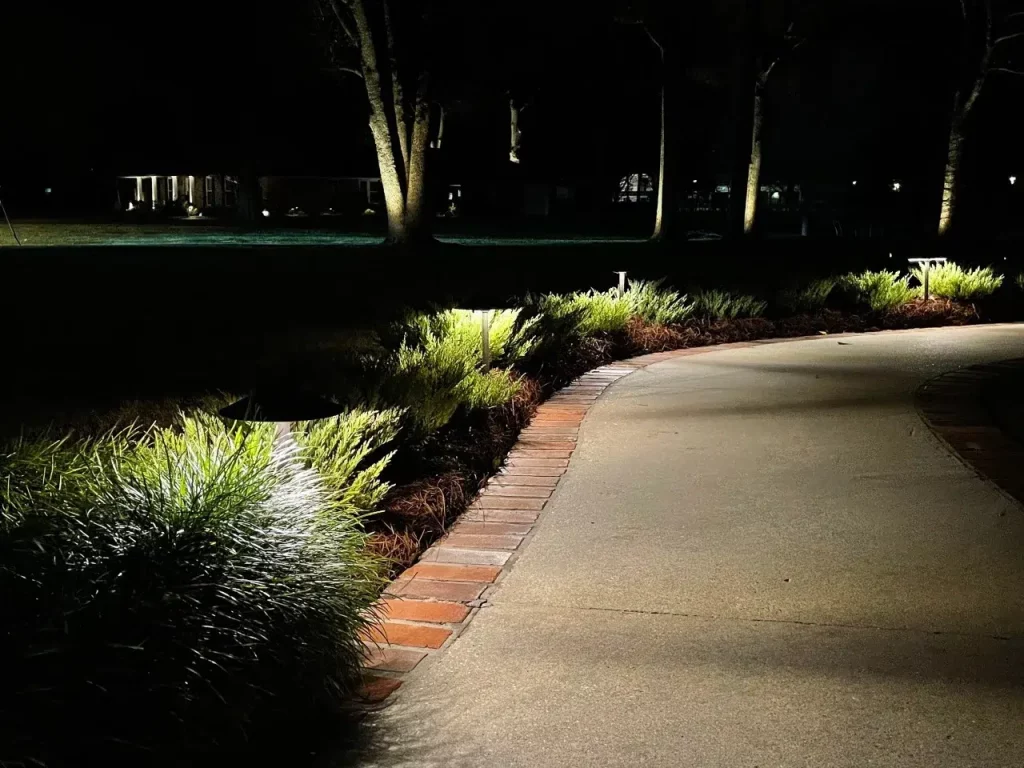
| Pathways | Controls movement and connects separate areas | Winding garden walks, transitions between rooms |
| Plant groupings | Creates walls and ceilings for outdoor rooms | Privacy screens, shade canopies, windbreaks |
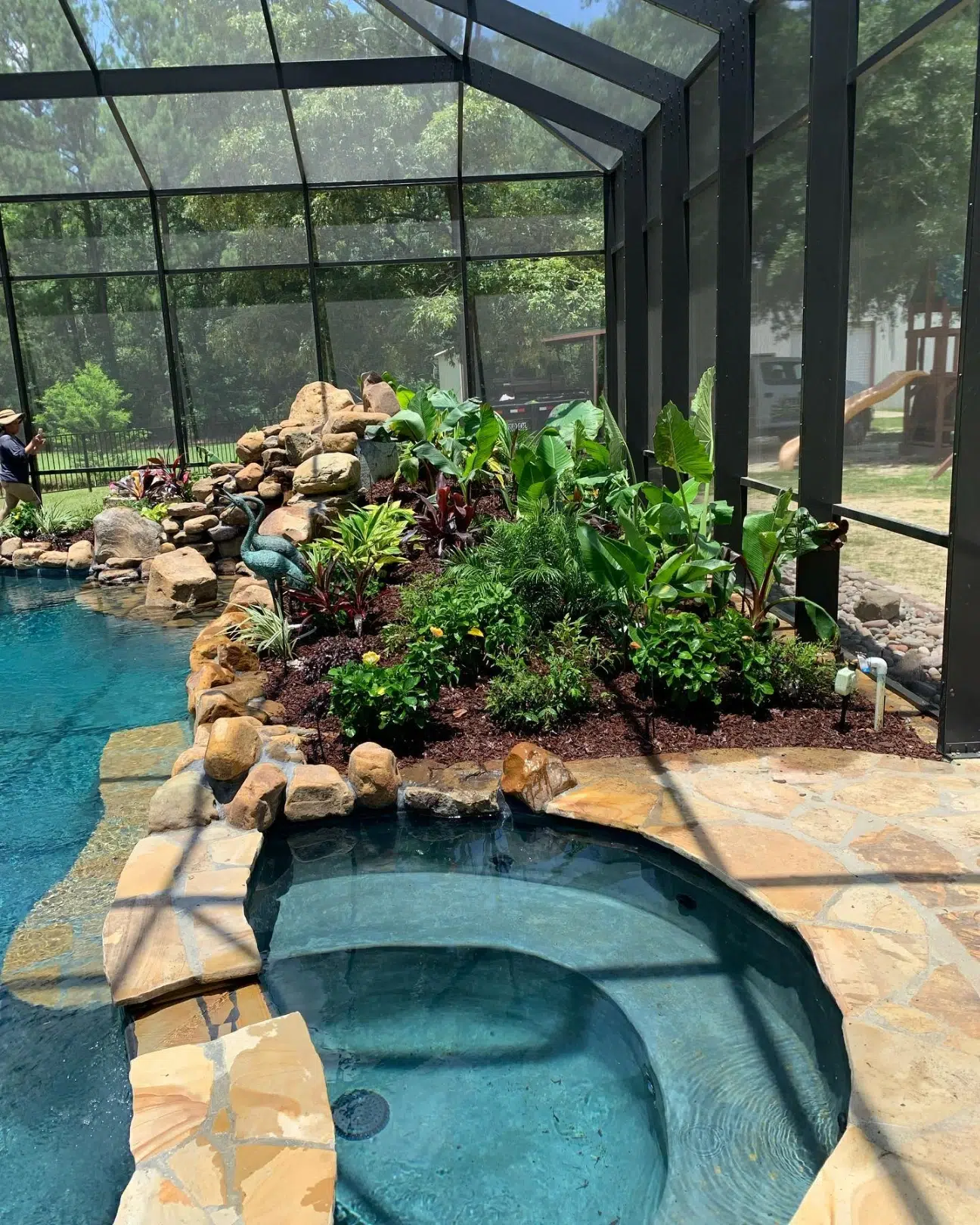
| Focal points | Draws attention and guides circulation | Water features, specimen trees, garden art |
| Elevation changes | Separates spaces and adds visual interest | Retaining walls, terraced planters, and built-in seating |
The most heavily used features, such as dining and seating areas, are typically located adjacent to the house for convenience. Secondary spaces, such as play areas or vegetable gardens, are placed where they can be observed from indoors. The result is a yard that functions as a true extension of the home rather than a passive green space surrounding it.
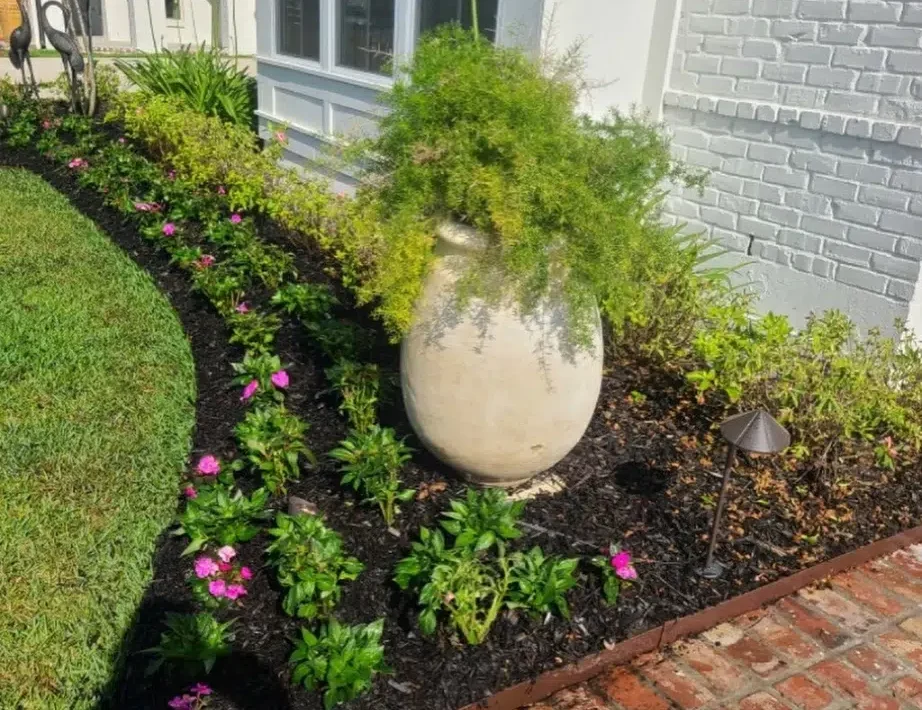
What Professional Landscaping Does Better Than DIY Approaches
The distinction between professional and amateur landscaping lies primarily in the planning process and understanding of how elements interact over time.
Site analysis and planning: Professionals evaluate soil conditions, drainage patterns, sun exposure, existing vegetation, and architectural style before making any design decisions. This prevents problems like planting shade-loving species in full sun or installing drainage that works against the property’s natural water flow.
Design coherence: A professional applies the elements and principles of design consistently, creating a landscape where features complement rather than compete with each other. DIY projects often result in a “horticultural zoo,” as the Colorado State University Extension describes it, with one of this and two of that planted randomly.
Plant selection and placement: Professionals match plants to site conditions and group them according to water needs, light requirements, and mature sizes. The University of Georgia Extension emphasizes that arranging plants with similar water and light needs together allows precise irrigation matching and improves individual plant health.
Long-term performance: Professional installation, including proper soil amendments, mulching, and spacing, ensures plants establish successfully and perform as intended. Poor installation is the leading cause of landscape failure, regardless of how much was spent on plant material.
Recommendations by Property Type
| Property Situation | Recommended Approach | Key Considerations | Primary Benefit |
|---|---|---|---|
| New construction (blank yard) | Full landscape design and installation | Establish grading and drainage first, then layer in hardscape and planting | Cohesive design from the start, avoids costly corrections later |
| Mature yard needing refresh | Selective renovation and plant replacement | Work with existing mature trees, update tired planting beds, and add hardscape features | Modernizes without removing established value |
| Small urban yard | Vertical elements and multi-use spaces | Use walls and vertical plantings, combine functions in compact areas | Maximizes usable space on limited property |
| Large suburban property | Outdoor rooms and distinct zones | Create separate areas for entertaining, recreation, and relaxation | Prevents the space from feeling empty or disconnected |
Signs You Have Found the Right Landscaping Partner
Knowing what to look for helps separate capable professionals from unreliable ones:
- They conduct a thorough site assessment before discussing design options, including soil testing, drainage evaluation, and sun pattern analysis
- They explain design reasoning, connecting their choices to principles like proportion, balance, and unity rather than just suggesting plants
- They offer a detailed plan or rendering that shows how different areas connect and function together
- They discuss maintenance expectations for each proposed element, including watering needs, pruning schedules, and seasonal care
- They recommend native or regionally adapted plants and can explain why those choices will perform better than alternatives
- They communicate clearly about timelines, potential challenges, and how the installation process will work from start to finish
Ready to Transform Your Outdoor Space
At All Seasons Landscaping & Lawn Care, we bring together design expertise, horticultural knowledge, and hands-on installation experience to turn outdoor areas into spaces you will actually use and enjoy. Whether you are starting from scratch with a new construction property or looking to breathe new life into an established yard, our team works with your property’s unique conditions and your personal goals to create a landscape that functions beautifully year-round. Contact us today to discuss your vision.
Reach us at (225) 276-8658 or [email protected]. The best time to start planning your outdoor transformation is now, before the season fills up.
Frequently Asked Questions
What is the difference between landscape design and landscape installation?
Landscape design is the planning phase where layout, plant selection, material choices, and spatial organization are determined. Installation is the physical execution of that plan, including grading, planting, hardscape construction, and finishing work. Both require different skill sets, and the best results come when the same team handles both with clear communication between phases.
How long does a professional landscaping project typically take?
Timelines vary by scope, but a full yard transformation usually takes several weeks from initial design through final installation. Hardscape-heavy projects with patios, retaining walls, or water features take longer than softscape projects focused on planting beds and turf. Weather and soil conditions can also affect scheduling.
Can professional landscaping help with drainage and standing water problems?
Yes. Proper grading, French drains, bioswales, and rain gardens are all landscape solutions that address water management. A professional assessment will identify where water collects, why it is not draining, and which combination of solutions will work for your property’s specific conditions.
Will adding trees and large plants damage my foundation or underground utilities?
Not when trees are selected and placed properly. Professionals account for mature root spread, overhead clearance, and proximity to structures and utilities during the design phase. Choosing species with non-invasive root systems and maintaining appropriate planting distances from foundations, driveways, and utility lines prevents most issues.
How do I maintain a professionally landscaped yard without spending every weekend on it?
The key is planning for low maintenance from the start. Native plants, drought-tolerant species, proper mulching, and efficient irrigation systems all reduce ongoing maintenance demands. A good landscape design also accounts for realistic maintenance capacity, avoiding high-maintenance features unless the homeowner specifically wants them.
Sources
- University of Florida IFAS Extension – Basic Principles of Landscape Design – Comprehensive guide covering the elements (line, form, texture, color, visual weight) and principles (proportion, order, repetition, unity) of landscape design for creating functional outdoor spaces.
- EPA – Reduce Heat Islands – EPA’s resource on how green infrastructure, trees, and vegetation mitigate urban heat island effects, with data on temperature reductions and benefit-cost analysis across multiple U.S. cities.
- Colorado State University Extension – Principles of Landscape Design – Extension publication covering unity, scale, balance, simplicity, variety, emphasis, and sequence as they apply to line, form, texture, and color in landscape design.
- University of Nebraska-Lincoln Extension – Water Conservation & Sustainable Landscapes – Guide to xeriscaping, hydrozoning, efficient irrigation, rainwater harvesting, permeable surfaces, and sustainable landscape maintenance practices.
- University of Georgia Extension – Tips for Saving Water in the Landscape – Research-based publication on landscape water conservation, including soil amendments, mulching, proper planting techniques, and irrigation management for healthier, more resilient landscapes.

- How Does Regular Hedge Trimming Improve Your Landscape’s Overall Appearance? - October 12, 2026
- The Complete Guide to Hedge Trimming, Care, Maintenance, and Healthy Growth - October 6, 2026
- How Can Professional Drainage Services in Central, LA Protect Your Property From Water Damage? - September 11, 2026