Your yard can turn into a personal retreat that boosts your home’s value and daily life. Many homeowners stare at patchy lawns or overgrown bushes and feel overwhelmed by the idea of fixing it all. Landscaping services offer a way out, transforming dull spaces into vibrant areas with plants, hardscapes, and smart designs. These services go beyond basic mowing; they reshape outdoor environments to fit your needs, whether for relaxation, play, or entertaining guests.
At its heart, landscaping involves planning and installing features like gardens, patios, and irrigation systems. It matters because a well-designed yard improves curb appeal, which can raise property values by up to 20%, according to a study from the National Association of Realtors. Beyond finances, outdoor spaces enhance mental health by providing spots to unwind amid nature. In urban areas, where green space is scarce, professional landscaping brings that calm right to your doorstep.
This guide draws from years of hands-on work in creating outdoor spaces that last. It’s organized to walk you through each stage, starting with the basics of what landscaping services cover and why they make a difference. From there, explore types of services, planning steps, and the full process of a project. Learn about tools, materials, challenges, and how to track results. The guide wraps with trends and answers to common questions. By the end, you’ll know exactly how to approach your own transformation or spot quality work when you see it.
Understanding the Basics of Landscaping Services
Landscaping services handle everything from initial design to ongoing maintenance. These professionals assess soil, climate, and your goals to create functional, beautiful spaces. Start here to grasp what makes a good yard tick.
What Landscaping Services Actually Involve
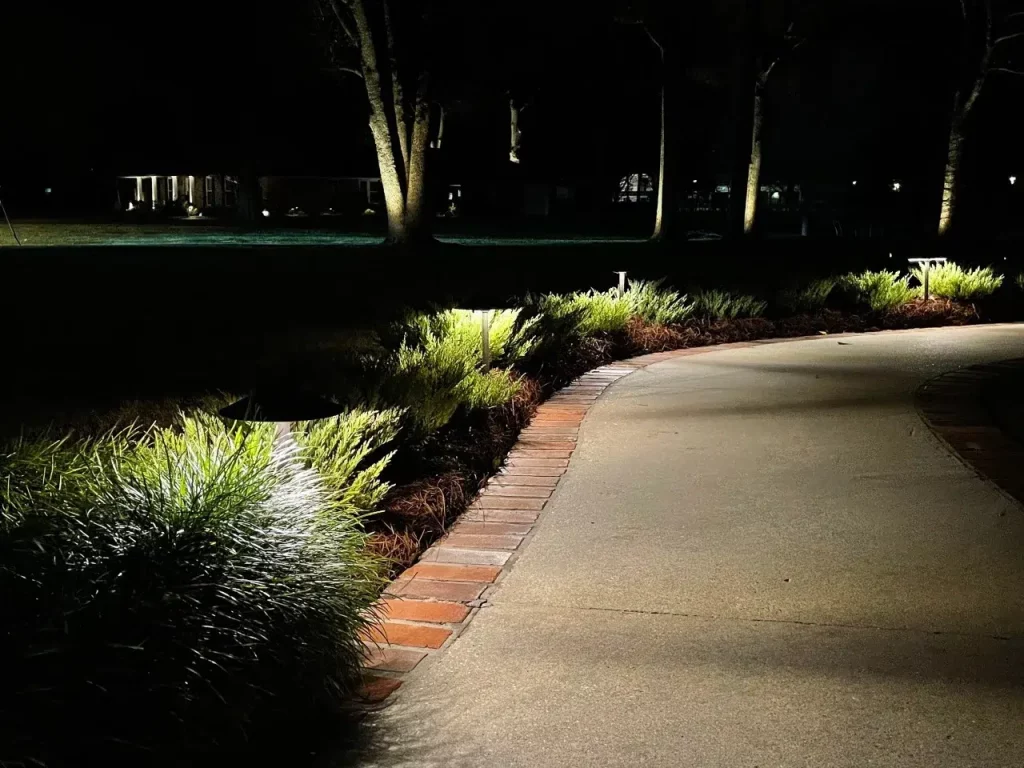
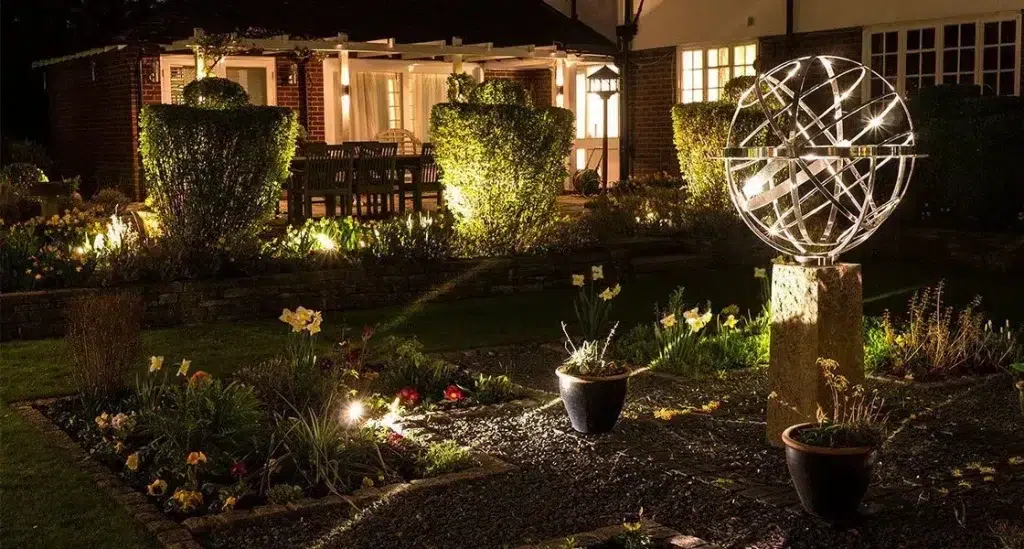
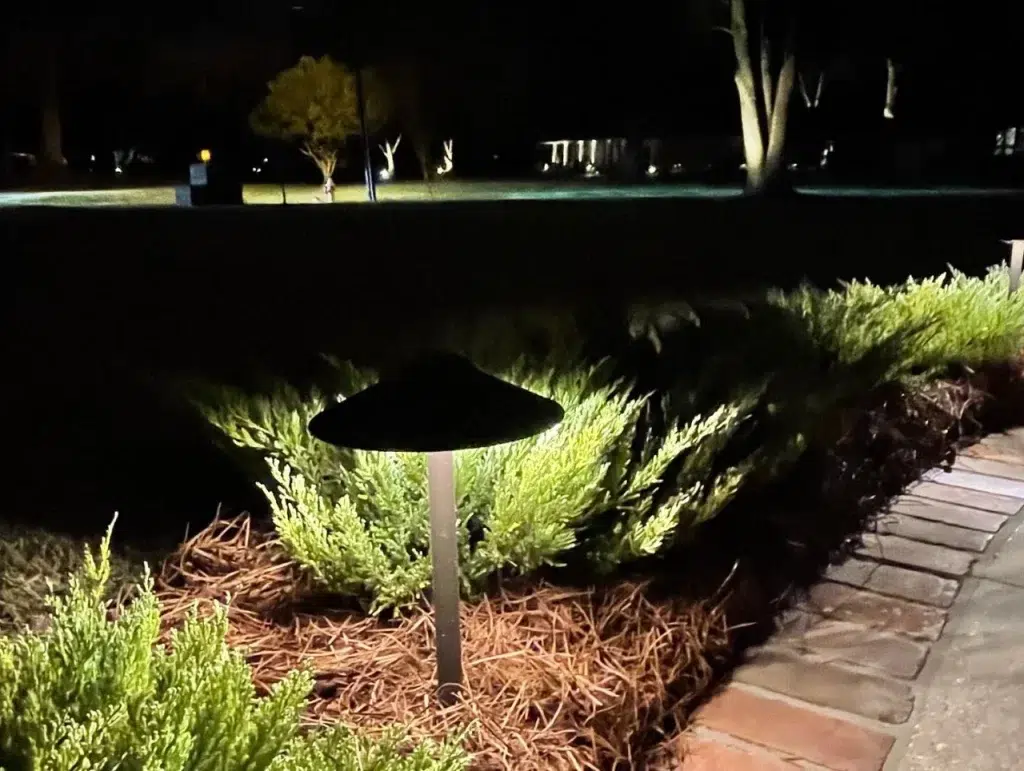
Core tasks include planting trees, shrubs, and flowers suited to your region. Workers install walkways, retaining walls, and lighting for safety and style. Irrigation systems keep everything hydrated without waste. Maintenance covers mowing, pruning, and fertilizing to keep plants healthy year-round.
In Louisiana, for example, services often focus on humidity-resistant plants like azaleas or palms. A report from the American Society of Landscape Architects notes that sustainable designs now dominate, using native plants to cut water use by 50%.
Why Invest in Professional Landscaping?
Beyond the initial appeal, homeowners who hire pros save significant time and steer clear of expensive errors, such as selecting plants unsuitable for poor soil conditions. Data from the U.S. Census Bureau shows residential landscaping spending hit $120 billion in 2022, reflecting widespread demand for quality outdoor living enhancements.
Professionals bring knowledge of local codes and erosion control, preventing issues like flooding. Your space becomes tailored, perhaps with a fire pit for family nights or raised beds for gardening.
Expert Tip: Before any project, check your soil pH with a simple kit. Most plants thrive between 6.0 and 7.0; adjustments early on prevent stunted growth.
Types of Landscaping Services Available
Services vary by need, from full redesigns to targeted fixes. Pick based on your budget and vision.
Residential vs. Commercial Landscaping
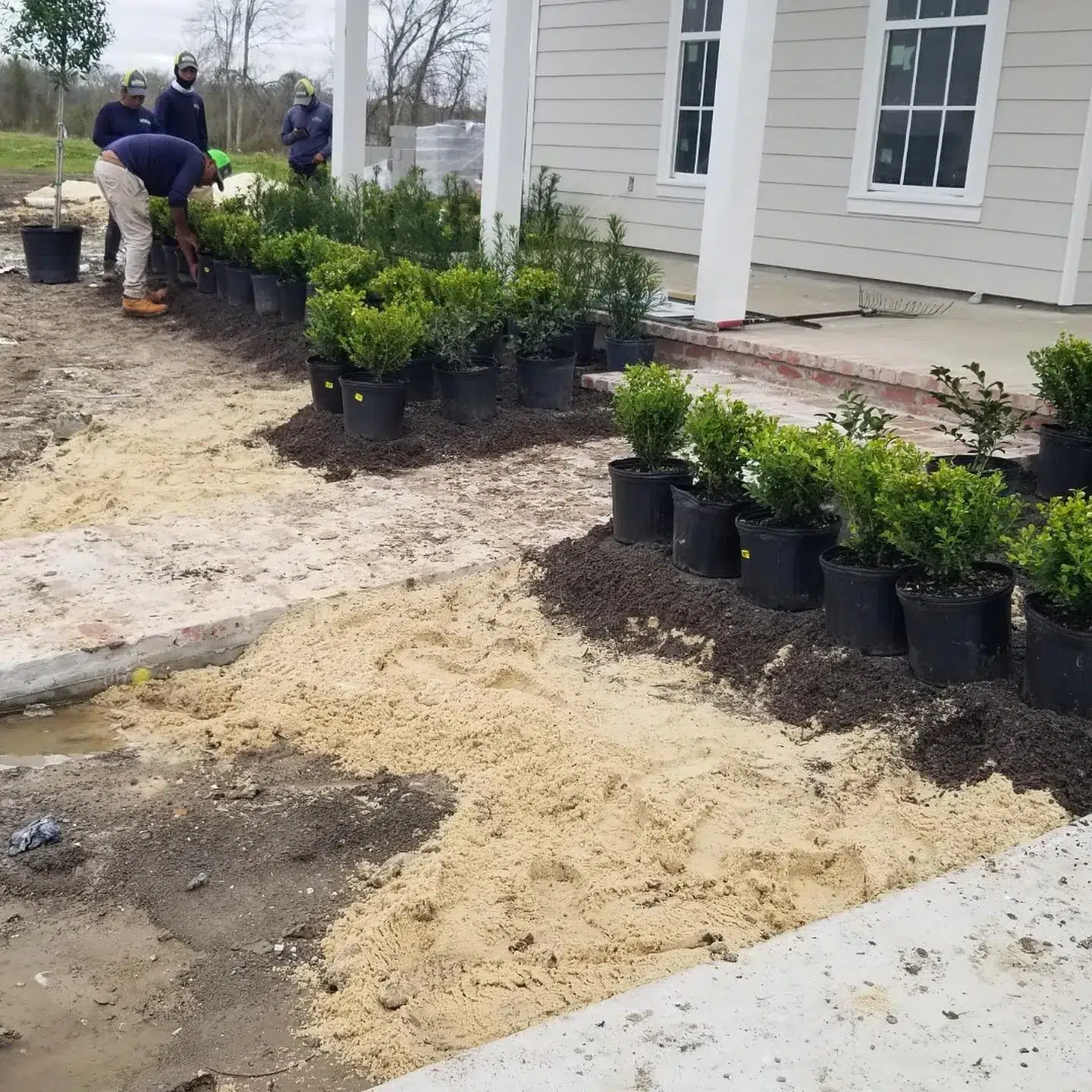
Residential work focuses on homes, creating private oases. Think flower beds around a deck or turf for kids’ play areas. Commercial services target businesses, emphasizing low-maintenance lawns and signage integration for offices or parks.
A table below compares the two:
| Aspect | Residential Landscaping | Commercial Landscaping |
|---|---|---|
| Scale | Small to medium yards | Large properties, public areas |
| Focus | Personal enjoyment, curb appeal | Traffic flow, branding |
| Maintenance Level | Moderate, seasonal | High, year-round for heavy use |
Specialized Services: Hardscaping, Softscaping, and More
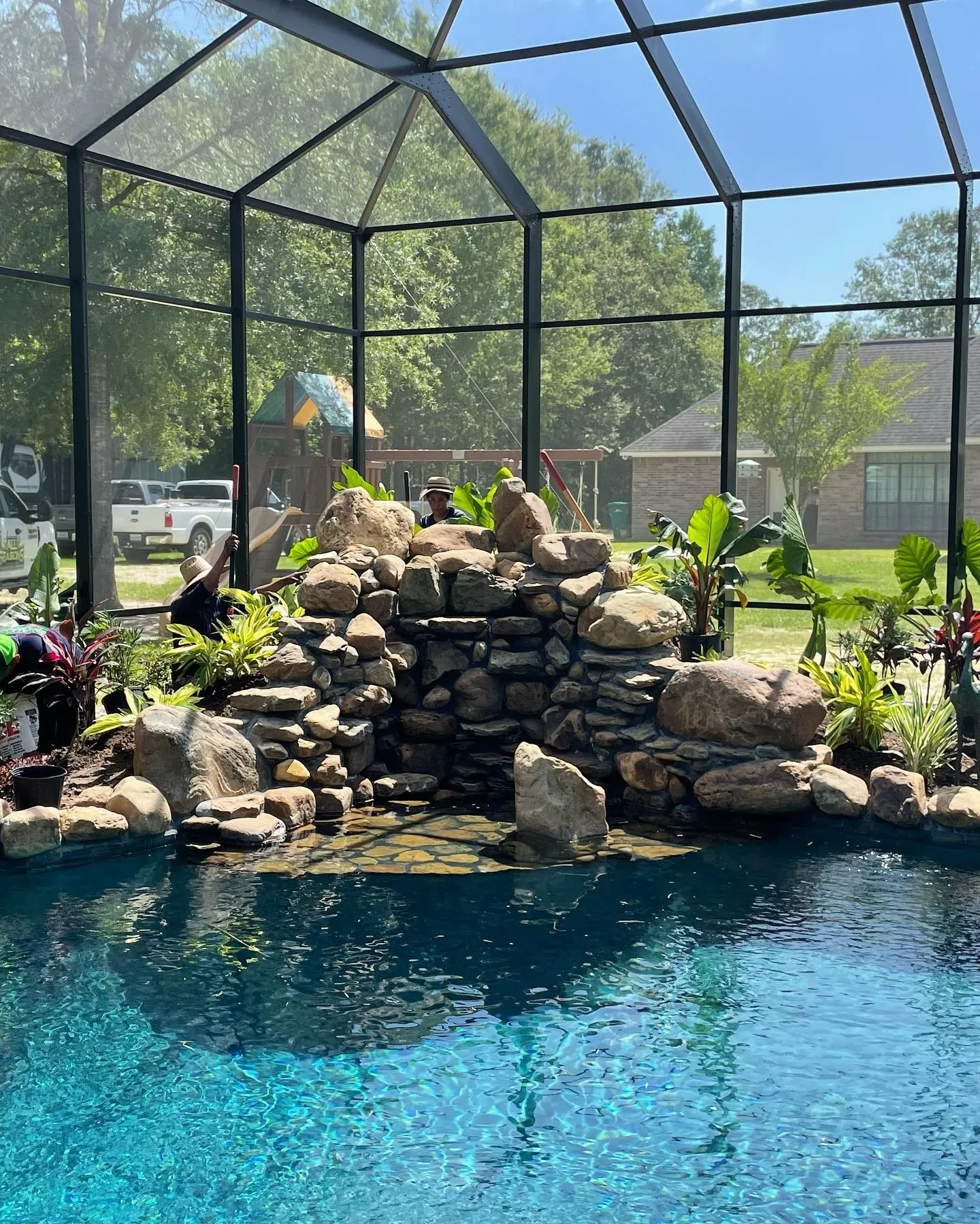
Hardscaping uses non-living elements like patios from stone or concrete. Softscaping builds with plants and mulch for color and texture. Water features, such as fountains, add soothing sounds.
Pros of hardscaping include durability against weather; cons involve higher upfront costs. Softscaping offers flexibility but requires regular care.
The landscaping industry grew 4.5% in 2023, per IBISWorld, driven by demand for eco-friendly options like xeriscaping in dry climates.
Expert Tip: Mix hard and soft elements for balance. A gravel path through flower borders creates flow without overwhelming the budget.
Key Takeaways:
- Residential services prioritize beauty and use; commercial ones stress functionality.
- Combine hard and soft features for versatile, lasting designs.
- Industry growth signals more innovative, sustainable choices ahead.
Planning Your Landscaping Project
Good planning sets the foundation. Rush in without it, and you’ll face regrets.
Assessing Your Space and Needs
Walk your yard, noting sun patterns, drainage, and views. List wants: shade trees? Veggie garden? Budget plays a role.
Draw a rough sketch or use free apps for layouts. Consider family input to ensure the space works for everyone.
Budgeting and Timeline Considerations
Allocate 10% extra for surprises. Timelines span weeks for small jobs to months for overhauls. Fall or spring avoids peak heat stress on new plants.
Expert Tip: Prioritize high-impact areas like the front entrance. It gives quick wins and motivates the rest.
The Step-by-Step Process of Outdoor Transformations
Projects follow a clear sequence to minimize disruption.
Initial Consultation and Design
Meet with a landscaper to discuss ideas. They survey the site and draft plans, often with 3D renders.
Installation Phases
Prep the ground first: clear debris, grade soil. Install hardscapes, then plants. Add lighting and irrigation last.
A checklist table for phases:
| Phase | Key Tasks | Duration Estimate |
|---|---|---|
| Site Prep | Clearing, soil testing | 1–3 days |
| Hardscape Install | Paths, walls, patios | 1–2 weeks |
| Planting | Trees, shrubs, sod | 3–7 days |
| Finishing Touches | Mulch, lights, cleanup | 2–5 days |
Post-Installation Care
Water new plants deeply but infrequently. Monitor for pests. Annual tune-ups keep it pristine.
Essential Tools and Materials for Landscaping
Quality tools speed work and ensure precision.
Basic Tools Every Landscaper Needs
Shovels, pruners, and wheelbarrows form the kit. Power tools like edgers create clean lines.
Selecting Plants and Materials
Choose natives for low upkeep. Materials: permeable pavers reduce runoff.
According to the Environmental Protection Agency, native landscaping cuts pesticide use by 30%.
Expert Tip: Invest in ergonomic tools to avoid strain during long days. A good rake with adjustable handle makes mulching easier.
Overcoming Common Challenges in Landscaping
Issues arise, but solutions exist.
Dealing with Soil and Climate Issues
Poor soil? Amend with compost. In wet areas, elevate beds to prevent rot.
Pest and Weed Control
Integrated pest management uses beneficial insects over chemicals. Mulch suppresses weeds.
The pest control market in landscaping reached $10 billion in 2022, per Grand View Research.
Key Takeaways:
- Amend soil early to support plant health.
- Opt for eco-friendly pest strategies for safe, effective results.
- Prep for local weather to build resilient landscapes.
Measuring the Success of Your Landscaping Investment
Track progress to confirm value.
Key Metrics for Evaluation
Look at plant survival rates and usage frequency. Appraise home value post-project.
Long-Term ROI Calculation
Expect returns through energy savings from shade trees. A Lawrence Berkeley National Laboratory study found mature trees save $100–$250 yearly on cooling.
Emerging Trends in Landscaping Services
Building on ways to measure success, staying ahead involves embracing emerging trends in landscaping services.
Sustainable and Smart Practices
Edible landscapes grow food alongside ornamentals. Smart sensors monitor soil moisture.
Drought-tolerant designs rise, with the green infrastructure market projected to grow 12% annually through 2030, via MarketsandMarkets.
Tech Integration
Drones survey large sites. Apps track maintenance.
Expert Tip: Add solar lights for low-cost, eco-friendly illumination. They charge by day and glow at night without wiring.
Frequently Asked Questions About Landscaping Services
What’s the Best Time to Start a Landscaping Project?
Spring and fall work best in most climates. Avoid summer heat or winter freezes to ease plant establishment.
Do I Need Permits for Landscaping Changes?
Yes, for structures like decks or ponds. Check local zoning rules to avoid fines.
How Can I Maintain My Landscape Myself?
Mow weekly, water deeply, and prune seasonally. Use timers for irrigation to save effort.
Are Native Plants Really Better?
They adapt well, need less water, and support local wildlife. Starting with natives cuts long-term costs.
What If My Project Goes Over Budget?
Build in a 15% buffer. Prioritize essentials and phase work if needed, like plants first, then hardscapes.
Putting Your Landscaping Strategy into Action
You’ve covered the essentials: from planning types of services to tackling challenges and spotting trends. A strong landscape boosts enjoyment and value, turning your outdoor area into a true asset. Refer back to sections as you plan. Start small, like refreshing a border, and build from there. With the right steps, your transformation waits.
Need Expert Guidance?
For tailored advice on your yard, contact All Seasons Landscaping & Lawn Care at [email protected] or (225) 276-8658. Our team offers consultations to bring your vision to life without the hassle.
Sources
- Grand View Research – Market size data for pest control in landscaping.
- Lawrence Berkeley National Laboratory – Study on energy savings from shade trees.
- MarketsandMarkets – Projections for green infrastructure market growth.

- How Does Regular Hedge Trimming Improve Your Landscape’s Overall Appearance? - October 12, 2026
- The Complete Guide to Hedge Trimming, Care, Maintenance, and Healthy Growth - October 6, 2026
- How Can Professional Drainage Services in Central, LA Protect Your Property From Water Damage? - September 11, 2026