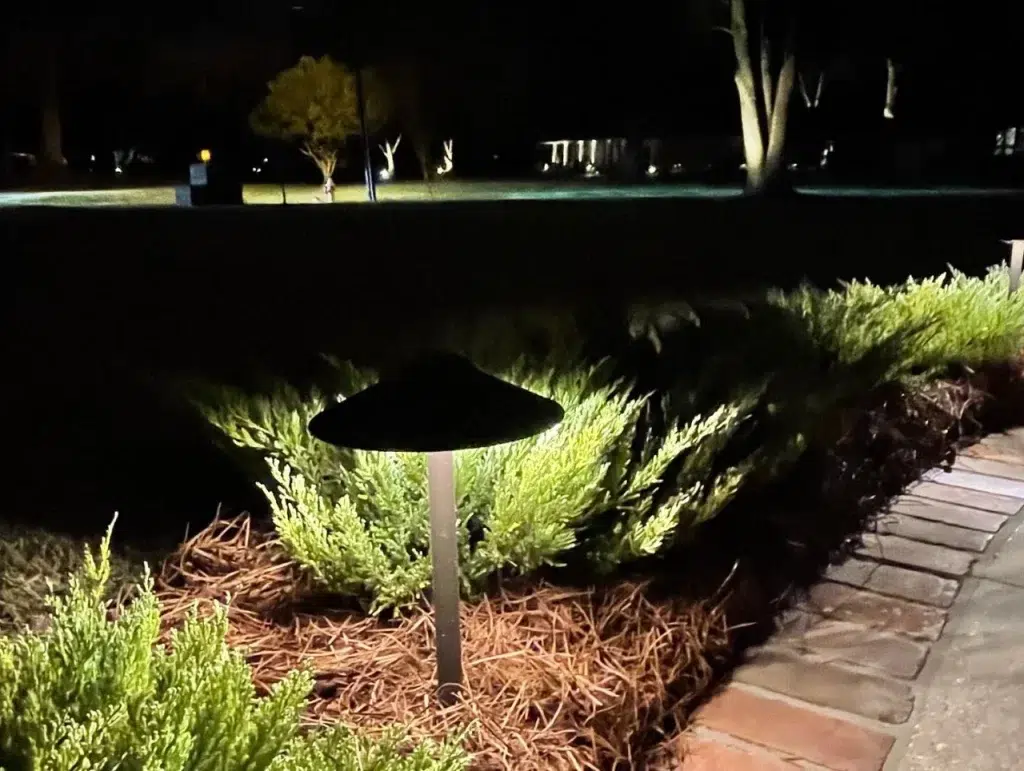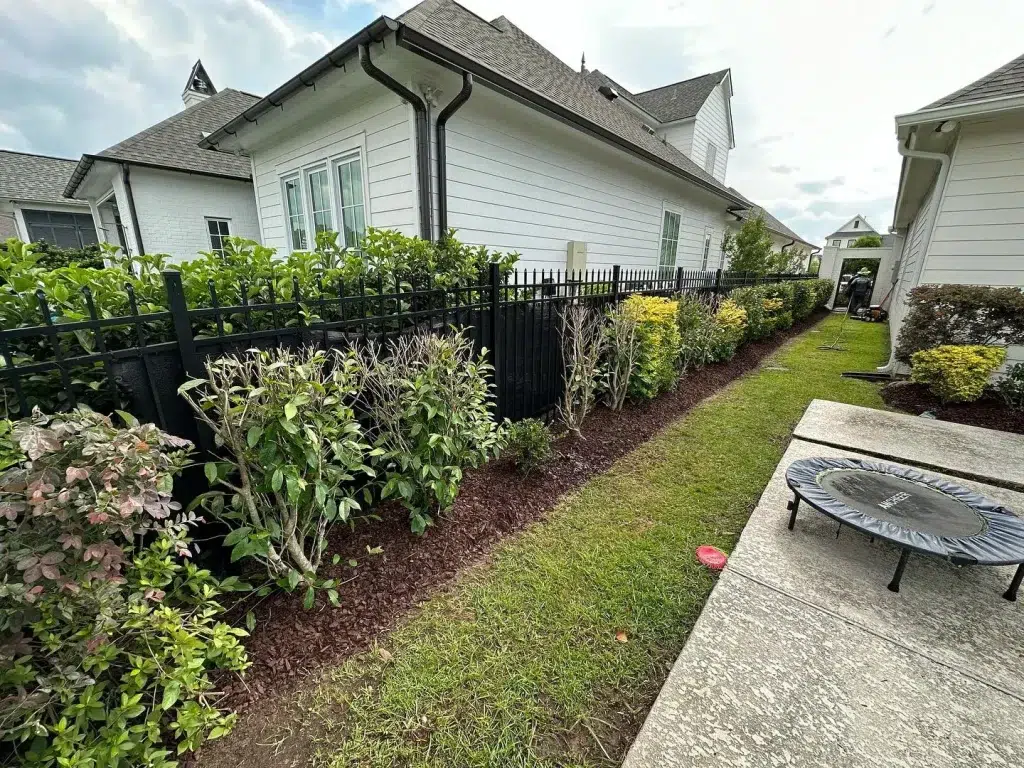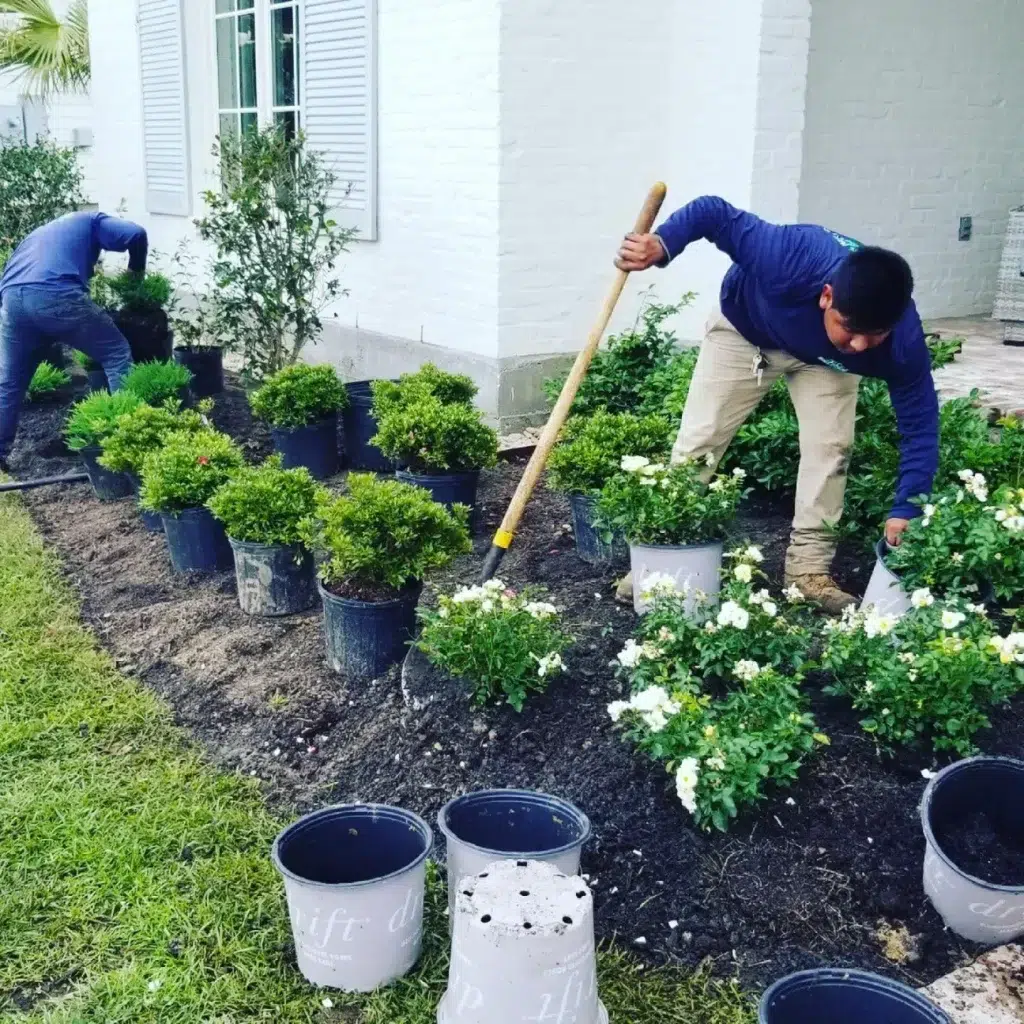
Professional drainage services in Central, LA protect your property by controlling where every drop of rain goes, from your roofline to the street. An outdoor lighting planning guide can help homeowners consider other important property factors. Our team at All Seasons Landscaping & Lawn Care diagnoses how water moves across your lot, then installs the right mix of solutions: grading and swales to steer surface water, French drains to relieve saturated soil, downspout extensions to move roof runoff away from the slab, and catch basins or rain gardens to capture heavy flows. The right approach depends on your lot, and for Central homeowners it matters more than in most cities. Outdoor lighting installation can complement a well-planned property by improving visibility around key outdoor areas. Our community sits between the Comite and Amite rivers in one of the wettest, most flood-prone regions in the country. Below, we break down the risks, the solutions, and how to choose the strategy that fits your property.
TL;DR
- Central LA sits in East Baton Rouge Parish between the Comite and Amite rivers, and the August 2016 flood damaged an estimated 146,000 homes across south Louisiana.
- During that storm, Watson, just northeast of Baton Rouge, recorded 31.39 inches of rain, and two-day totals in the hardest-hit areas were roughly a 1-in-500-year event.
- Extreme daily rainfall in the Southeast increased 27% between 1958 and 2012, so drainage installed decades ago may be undersized for today’s storms.
- A layered plan, covering roof water, surface water, subsurface water, and infiltration, outperforms any single fix.
- French drains only work when built with the correct slope, typically a 1-in-100 to 1-in-200 grade, plus filter fabric that keeps clay out of the pipe.
- Small corrections like downspout extensions or re-grading beds often finish in a day, while complete systems usually take several days.
- The most common pitfall is chasing puddles instead of correcting the water source, which just moves the problem down the yard.
- Only about 21% of structures in Louisiana carry flood insurance, so the prevention you install is the protection you actually control.
Why Central, LA Properties Face Elevated Water Risk
Drainage services in Central, LA can help homeowners manage runoff and reduce water-related problems around their properties. Central’s geography stacks the odds against dry yards. When the August 2016 no-name storm parked over the Baton Rouge area, rainfall exceeded 20 inches in multiple parishes, and the Amite River crested at 46.2 feet at Denham Springs, nearly 5 feet above the previous record. Watson, a few miles from Central, measured 31.39 inches, according to the National Weather Service. History says these events repeat: the May 1995 flood dropped 10 to 20 inches over southeastern Louisiana and damaged 56,000 homes across 12 parishes NOAA Climate.gov. Extreme daily rainfall in the Southeast is also trending upward, up 27% between 1958 and 2012. Add flat lots, slow-draining clay soil, and a high water table, and ordinary thunderstorms become a property threat even without a named storm. Many Central homes sit outside mapped high-risk zones, which is a major reason most Louisiana homeowners carry no flood coverage at all Wikipedia.
How Our Drainage Services in Central, LA Protect Your Property
We treat drainage as a system, not a single product. Each solution handles a specific water problem, and most properties need two or three working together:
| Solution | Best For | How It Protects Your Property | Watch-Outs |
|---|---|---|---|
| Land grading and re-sloping | Flat lots, water pooling near the slab | Creates a consistent fall away from the house so gravity moves runoff out | Must not push water onto neighbors or drives |
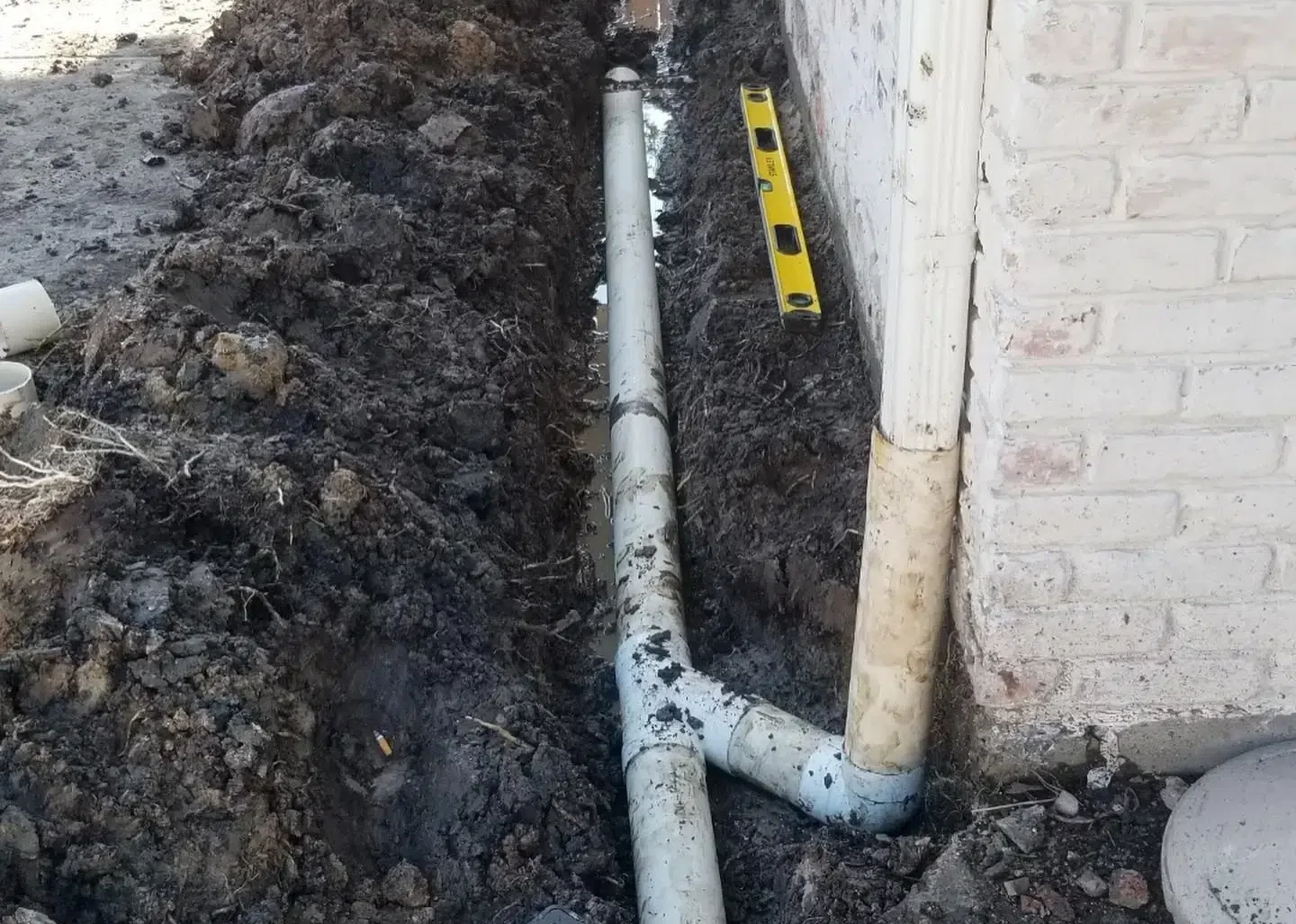
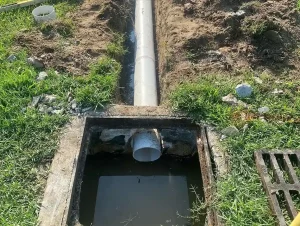
| French drains | Soggy lawns, saturated beds, wet crawl spaces | A gravel trench with perforated pipe collects underground water and carries it to a safe outlet | Needs correct depth, slope, and filter fabric or clay clogs it |
| Downspout extensions and buried gutter lines | Roof runoff dumping beside the foundation | Moves concentrated roof water far from the slab before it can seep in | Buried lines need cleanouts and a legal discharge point |
| Catch basins and channel drains | Driveways, patios, and hardscape low spots | Captures surface flow at the inlet and pipes it away before it sheets toward the house | Grates and basins need seasonal cleaning |
| Dry wells and rain gardens | Lots with nowhere to discharge runoff | Holds water on-site and lets it soak into the ground slowly | Requires workable soil drainage; oversizing fails in heavy clay |
Layer One: Move Roof Water Away First
Every square foot of roof sheds gallons of water in a Gulf thunderstorm, and downspouts that dump beside the slab soak foundations and crawl spaces. See our local reviews on Google to learn how local homeowners rate our work. Our crews extend downspouts and tie gutters into buried lines that discharge where water can legally leave the property.
Layer Two: Steer Surface Water With Grading
Next comes the water you can see. We re-slope beds and lawns so runoff flows toward swales and drains instead of your slab, and we set catch basins where hardscape traps water. The goal is a controlled path across your lot, never a pool on it.
Layer Three: Relieve Saturated Soil Underground
When the soil itself is the problem, a French drain is the tool. It is a gravel-filled trench with a perforated pipe that collects groundwater and surface seepage and redirects it away from foundations and low spots Wikipedia – French Drain. Built with a slight pitch and filter fabric, it quietly dries yards that stay wet for days.
Layer Four: Soak Up What Remains
The EPA promotes keeping rain where it falls because on-site absorption reduces street flooding, erosion, and the load on community drainage US EPA. We finish many projects with rain gardens or dry wells that absorb overflow while adding beauty to the yard.
Warning Signs Your Central, LA Property Needs Drainage Help
Call us if you notice any of these after an ordinary storm:
- Puddles that sit for more than 24 to 48 hours after rain ends
- Water pooling against the foundation or a musty crawl space
- Mulch, soil, or gravel washing across walks and driveways
- Spongy lawn spots or grass thinning out in low areas
- Hairline cracks in the slab or brick, or doors that start sticking
- Downspouts gushing beside the house with no exit path
- Erosion channels cutting through beds after every rain
One or two signs suggest a targeted fix. Several at once usually mean the whole lot needs a coordinated plan.
What a Professional Drainage Assessment Includes
Every property we work on starts with a structured evaluation, not a product pitch:
- History review: We ask when and where water shows up and which storms cause trouble.
- Elevation and flow mapping: We trace lot slope, low spots, and where roof and neighbor runoff enters.
- Soil check: Clay content and drainage rate tell us whether infiltration or conveyance is the answer.
- Gutter and outfall audit: We confirm roof water volume, downspout placement, and discharge points.
- Written plan: You get prioritized fixes and an honest sequence before any digging starts.
Matching the Right Drainage Strategy to Your Situation
| Property Situation | Recommended Priority | Why It Works in Central, LA |
|---|---|---|
| Recently purchased home | Full assessment, then grading and downspout fixes | Simple corrections prevent most foundation moisture complaints |
| Lot near the Comite or Amite corridor | Layered plan with subsurface drainage and an overflow path | River-adjacent lots face high water tables and flash runoff |
| Flat backyard that holds water | Re-sloping plus a French drain or dry well | Clay soil needs both a collection point and an outlet |
| Home with a crawl space | Downspout extensions and perimeter drainage first | Crawl space moisture usually starts as roof and surface water |
| Landlords and rental owners | Low-maintenance systems plus an annual inspection | Buried lines protect units without constant upkeep |
Signs You’ve Chosen the Right Drainage Partner
Drainage work is only as good as the diagnosis behind it. Look for a provider who:
- Walks the property and explains where the water comes from before recommending anything
- Talks about water sources, volumes, and outfalls, not just pipes and gravel
- Puts depth, slope, materials, and cleanup terms in writing
- Handles permits and discharge rules, since municipalities can require permits and storm drains must stay free of contaminants and sediment
- Recommends maintenance and explains what failure looks like, because a clogged drain fails quietly
Stop Water Damage Before It Starts: Talk With Our Central, LA Team
Water damage in Central, LA is not a question of if, only of when and how much. All Seasons Landscaping & Lawn Care designs and installs drainage systems built for Gulf Coast rain, from French drains to complete lot grading, and we stand behind every yard we dry out. Call us at 225-276-8658 or email [email protected], and let our team map the water before it maps your foundation.
The next heavy rain is coming, and the best time to get ready is while the sun is still out.
Frequently Asked Questions
How do I know if my yard has a drainage problem or just wet soil?
A: Standing water that lingers more than 24 to 48 hours after rain, soil that stays squishy for days, or moisture stains on the foundation point to a drainage problem rather than normal conditions. Our assessment confirms the source before we recommend a fix.
Do French drains actually work in Louisiana clay soil?
A: Yes, when installed with the proper slope, filter fabric, and correctly sized gravel that keeps clay particles out of the pipe. Skip those details and clay soil will clog the system within a few seasons.
How long does a drainage installation take?
A: Targeted fixes such as downspout extensions or re-grading a bed are often completed in a day. Full systems like a French drain or catch basin network usually take several days depending on lot size and access.
Will drainage work protect my home during a major flood?
A: A well-built system handles routine rain and minor flooding, but it cannot hold back a riverine flood like the 2016 event. Since only about 21% of Louisiana structures carry flood coverage 3, we recommend pairing drainage improvements with insurance and an emergency plan.
How often should a drainage system be maintained?
A: We recommend at least one inspection per year, ideally before hurricane season begins in June, plus a check after any storm that leaves standing water. Clearing inlets, grates, and outlets keeps water moving through the entire system.
Sources
- National Weather Service – Flooding in Louisiana – Profiles Louisiana’s significant floods, including the May 1995 event that dropped 10 to 20 inches of rain and damaged 56,000 homes across 12 parishes.
- NOAA Climate.gov – August 2016 Extreme Rain and Floods Along the Gulf Coast – Documents the record rainfall around Baton Rouge, the Amite River crest at Denham Springs, and the rising trend in extreme daily rainfall across the Southeast.
- Wikipedia – 2016 Louisiana Floods – Overview of the disaster, including the estimated 146,000 homes damaged, rainfall totals above 20 inches, and Louisiana’s flood insurance coverage rates.
- Wikipedia – French Drain – Technical overview of French drain design, typical slope requirements, system variants, and permitting considerations for drainage construction.
- US EPA – Soak Up the Rain: What’s the Problem? – Explains how runoff from roofs and driveways drives flooding and pollution, and the benefits of keeping rain on-site through green infrastructure.