Why Lawn Aeration Matters for Louisiana Grass
Louisiana’s heavy clay soils and long, humid growing season make lawn aeration one of the most important yet most overlooked parts of local lawn care. Aeration perforates the soil with small holes, letting air, water, and nutrients reach the root zone. This relieves compaction, which is a more significant problem here than in most states due to our dense clay and near-year-round rainfall. Knowing how often to aerate keeps your grass thriving through Baton Rouge’s hot summers and mild winters.
How Often Should You Aerate? Key Factors Explained
How often you aerate depends on soil type, foot traffic, grass species, and Louisiana’s specific climate conditions.
Soil Type
- Clay Soil (most common in Baton Rouge): Dense and prone to compaction. Aerate at least once, ideally twice, per year.
- Sandy Soil: Drains quickly and resists compaction. Aerate every two to three years.
- Loamy Soil: Balanced mix of clay, sand, and silt. Benefits from aeration once a year.
Lawn Usage and Traffic
- High Foot Traffic: Kids, pets, or frequent outdoor activity compact soil faster. Aim for bi-annual aeration.
- Low Foot Traffic: Minimal-use lawns usually only need annual aeration.
Grass Type
- Warm-Season Grasses (Bermuda, Zoysia, St. Augustine, the Louisiana standards): Aerate in late spring or early summer, right as they enter active growth.
- Cool-Season Grasses (Fescue, Ryegrass, less common locally): Best aerated in early fall.
Climate Considerations
- Louisiana’s heavy rainfall and heat compact soil faster than drier climates. Plan on aerating at least once a year.
- Yards with heavy irrigation or poor drainage often need aeration on the more frequent end of the range.
How Often Should You Mow Your Lawn in a Louisiana Summer?
Mowing frequency and aeration go hand in hand. Both manage soil and grass stress during Louisiana’s peak growing months.
- Peak summer (June–August): Mow every 5–7 days. Warm-season grasses like St. Augustine and Bermuda grow fast in Louisiana heat and humidity, and letting clippings pile up stresses the lawn.
- Spring and fall: Every 7–10 days is usually enough as growth slows.
- Rule of thumb: Never cut more than one-third of the blade height in a single mow. Scalping stresses grass and makes it more vulnerable to the same compaction issues aeration is meant to fix.
- Best time of day: Early morning or early evening, avoiding the midday heat that stresses freshly cut grass.
Pairing a consistent mowing schedule with annual aeration is the single biggest lever for a thick, weed-resistant lawn in this climate.
Best Grass Types for South Louisiana Lawns
Choosing the right grass affects both how often you’ll need to aerate and how the lawn holds up to our climate:
- St. Augustine: The most popular choice in Baton Rouge, shade-tolerant and thrives in humidity, but compacts easily in clay soil, so it benefits most from annual aeration.
- Bermuda: Handles full sun and heavy foot traffic well; a good fit for active yards, and typically needs aeration once a year.
- Zoysia: Dense, drought-tolerant, and slower-growing. It often needs aeration less frequently than St. Augustine.
- Centipede: Low-maintenance and suited to Louisiana’s acidic soils, though it’s more sensitive to heavy compaction.
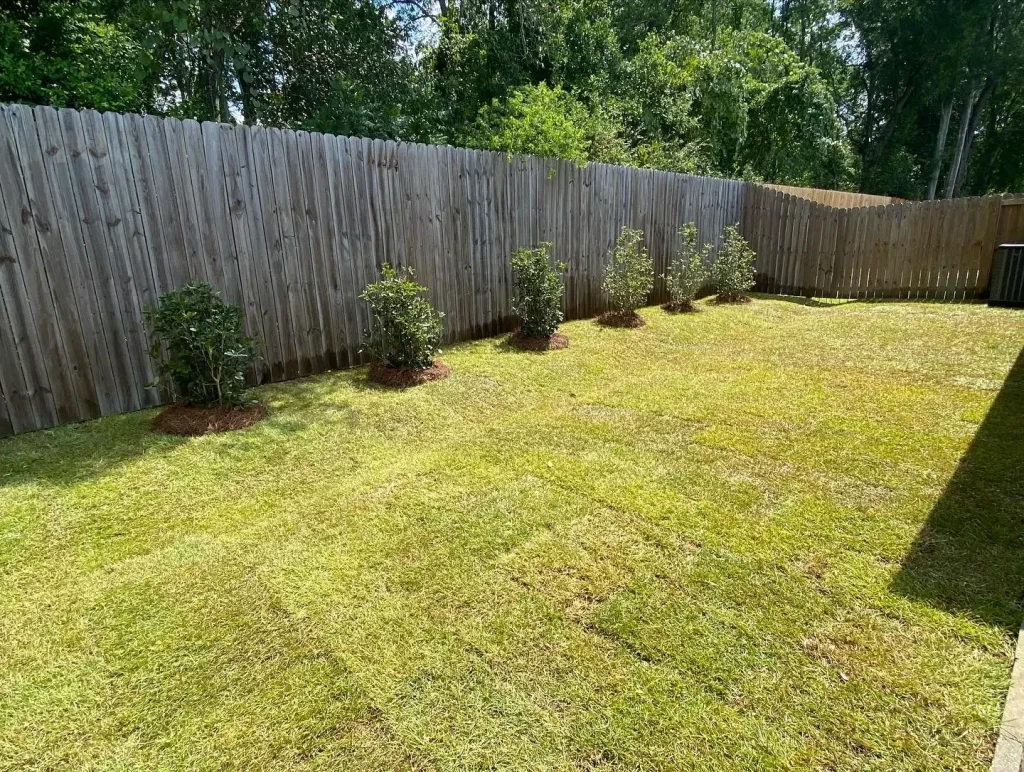
If you’re reseeding, overseeding, or starting fresh with new sod installation after aeration, matching the right grass to south Louisiana’s soil and humidity levels makes a bigger difference than the seed brand.
What’s the Best Season to Aerate?
Spring Aeration
Ideal for warm-season grasses like St. Augustine and Bermuda. Helps roots access moisture and nutrients before peak summer growth.
Fall Aeration
Best suited to cool-season grasses, preparing the lawn for winter dormancy and strong root growth.
Summer Aeration
Generally not recommended in Louisiana unless soil compaction is severe, since high heat and humidity can stress grass further.
DIY vs. Professional: How to Aerate Effectively
Choosing the Right Equipment
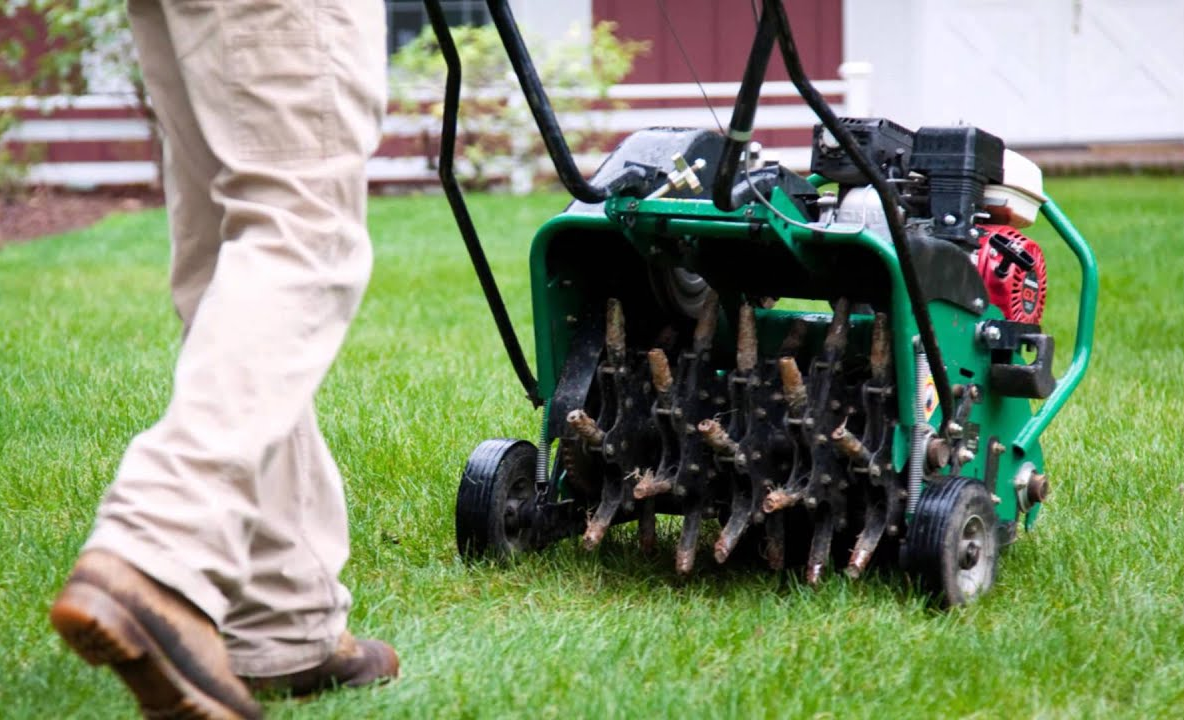
- Core Aerators: Remove small plugs of soil for deeper aeration and better long-term results. It’s the better choice for Louisiana’s dense clay.
- Spike Aerators: Push holes into the soil but can worsen compaction over time in heavy clay.
Preparation Before Aeration
- Water the lawn a day before aerating to soften compacted clay.
- Mow slightly shorter than usual.
- Mark sprinkler heads and utilities to avoid damage.
Post-Aeration Care
- Leave soil plugs on the lawn to decompose and enrich the soil naturally.
- Apply fertilizer and overseed if needed.
- Maintain consistent watering to support recovery.
Post-Aeration Lawn Care Tips
Fertilization
Aeration improves nutrient absorption. Apply fertilizer right after aerating to boost root development.
Overseeding
Seeding after aeration improves density and fills in bare or thin patches, common in Baton Rouge lawns after a hot summer.
Watering Schedule
Keep soil moist post-aeration; deep, infrequent watering beats frequent shallow watering.
Mowing Tips
Avoid mowing for at least a week after aeration, and keep blades set to the correct height for your grass type.
Long-Term Benefits of Aerating Your Louisiana Lawn
Well-aerated lawns:
- Absorb water and nutrients more efficiently, especially in Louisiana’s clay soil.
- Grow thicker and more resistant to summer heat stress.
- Resist disease, weeds, and pests more effectively.
If your lawn shows signs of compaction, such as pooling water, thinning grass, or slow growth, aeration can make a significant difference.
Lawn Aeration & Mowing Services in Baton Rouge: Get Expert Help
For professional lawn care in Baton Rouge, All Seasons Landscaping & Lawn Care offers expert aeration, mowing, overseeding, and fertilization tailored to Louisiana soil and grass types. We help lawns across Baton Rouge, Central, Denham Springs, Gonzales, Prairieville, Walker, and Zachary stay thick and healthy year-round.
📞 Call us at (225) 276-8658
📧 Email us at [email protected]
Frequently Asked Questions
How do I know if my lawn needs aeration?
Soil puddling, water, or thin, patchy grass, even with regular care, are signs it’s time to aerate.
How often should I mow my lawn in a Louisiana summer?
Every 5–7 days during peak summer growth, cutting no more than one-third of the blade height at a time.
Can I aerate my lawn myself?
Yes. A core aerator gives the best results. Renting one is cost-effective, but professionals ensure thorough, even coverage.
What’s the best grass for south Louisiana lawns?
St. Augustine is the most common due to shade tolerance and humidity resistance, followed by Bermuda for sunny, high-traffic yards.
Is it possible to aerate too much?
Yes. Over-aerating can damage roots. Most lawns need aeration once or twice a year depending on soil and usage.
Should I fertilize after aeration?
Yes. Fertilizing after aeration significantly improves nutrient absorption and growth.
What happens if I don’t aerate my lawn?
Soil compaction leads to weak grass, poor drainage, and higher susceptibility to disease and pests.
What’s the difference between spike and core aeration?
Core aeration removes soil plugs, reducing compaction more effectively, especially in Louisiana clay. Spike aeration just pokes holes and can compact surrounding soil over time.
Can I aerate in the summer?
It’s not ideal in Louisiana unless compaction is severe, as heat stress can further damage grass.
Does aeration help with thatch buildup?
Yes. Aeration reduces thatch by improving microbial activity in the soil.