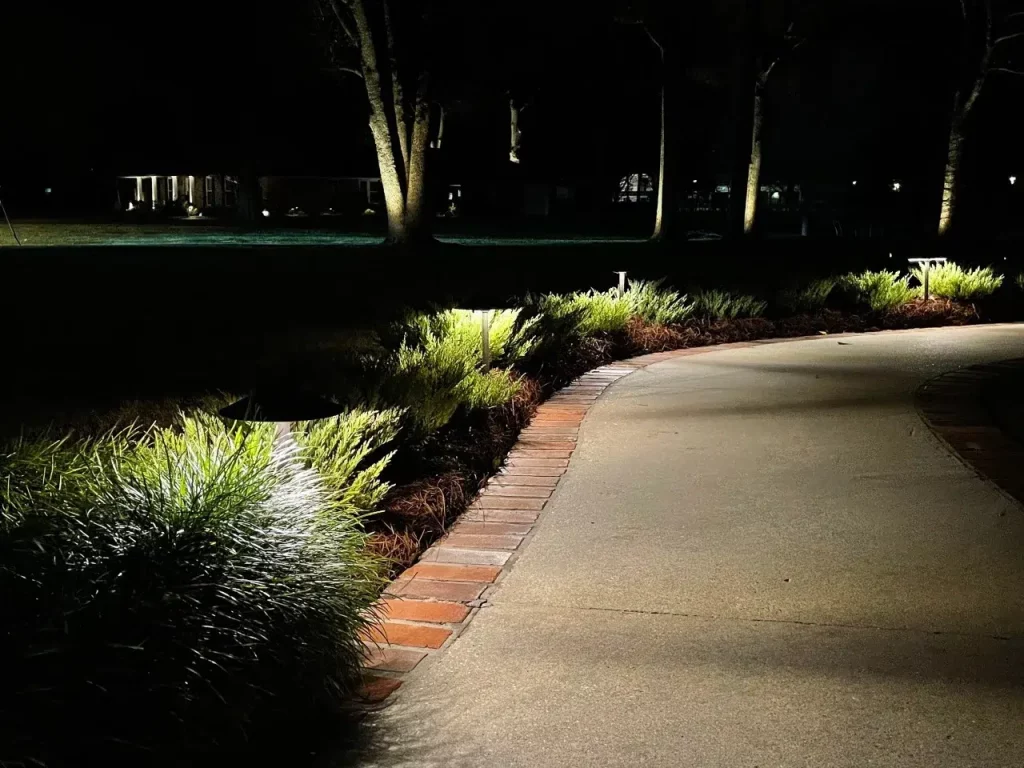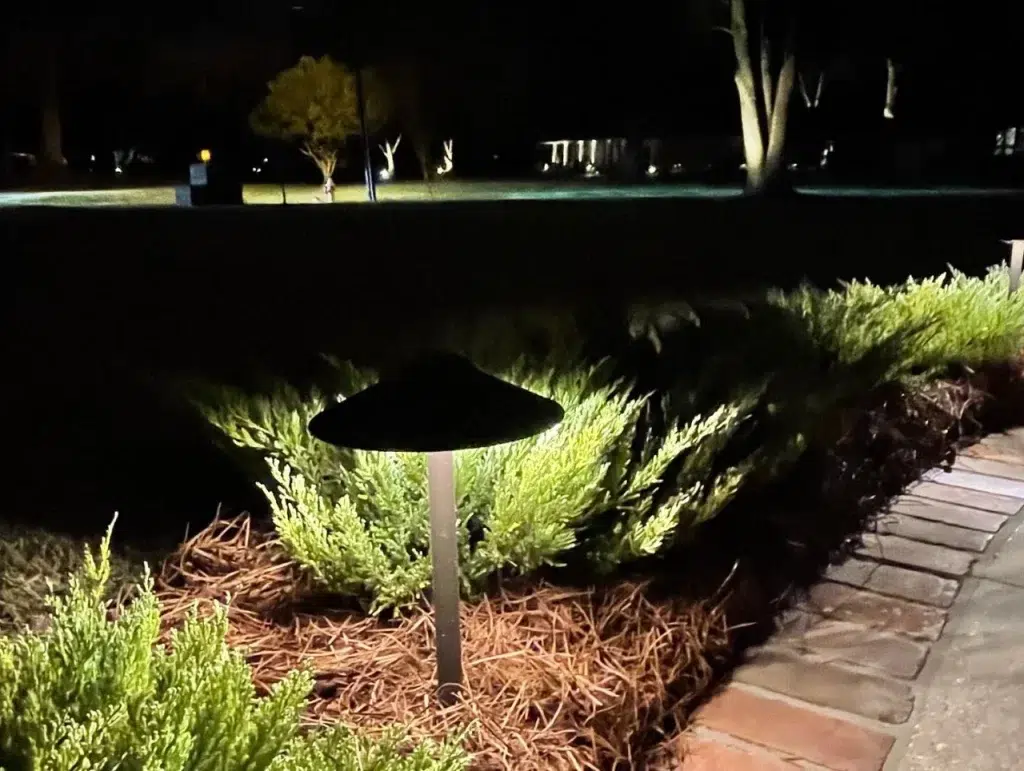
Imagine stepping out your front door each morning to a lush, vibrant lawn that turns heads and boosts your home’s appeal. Yet, achieving that picture-perfect green space often feels out of reach amid busy schedules and unpredictable weather. Lawn care services address these challenges by offering structured approaches to maintain healthy grass, prevent issues, and enhance your outdoor area. Learn how All Seasons Landscaping & Lawn Care has helped homeowners transform their lawns—read our press release here. At its heart, lawn care involves regular maintenance tasks like mowing, watering, and fertilizing, but it goes deeper into soil health, pest control, and seasonal adjustments to create a resilient yard.
This guide pulls together everything you need to know about lawn care services, drawing from years of hands-on work with diverse landscapes in various climates. You’ll discover why a well-cared-for lawn matters, from improving property value to supporting local ecosystems. Beyond aesthetics, healthy lawns absorb carbon, filter pollutants, and provide a safe play area for families and pets.
What sets this apart as your go-to resource? It covers the full spectrum, starting with the basics and moving into advanced tactics. In particular, this guide will cover:
- The fundamentals of lawn types and soil preparation.
- Step-by-step strategies for daily and seasonal care.
- Tools and techniques to make the work easier and more effective.
- Ways to tackle common problems without harsh chemicals.
- Tips for sustainable practices that save time and money in the long run.
- How to track progress and adapt to future changes.
By the end, you’ll have a clear plan to transform your yard. Whether you’re a homeowner tackling it solo or considering professional help, this resource equips you with practical knowledge to make informed choices. Let’s get started on building that envy-worthy green space.
Understanding the Basics of Lawn Care
Before diving into specific strategies, grasp what lawn care services entail. These services focus on keeping grass healthy through consistent routines tailored to your yard’s conditions. Grass isn’t just a carpet; it’s a living system that responds to sunlight, water, nutrients, and care.
Why Lawn Care Matters for Your Property
A neglected lawn can lead to bare patches, weeds, and even structural issues like poor drainage. Healthy lawns, on the other hand, offer several benefits. One key benefit is the impact on property value, as they can increase home values by up to 10%, according to a study from the National Association of Realtors. They also reduce soil erosion and improve air quality by producing oxygen.
Consider your local environment. In warmer regions, drought-resistant grasses thrive, while cooler areas benefit from fescue or rye. Understanding these basics helps you choose the right path forward.
Types of Grass and Their Requirements
Common varieties include Kentucky bluegrass for cool climates, known for its rich color but higher water needs, and Bermuda grass for hot areas, which spreads quickly but requires frequent mowing. Each type demands specific care to avoid stress.
For instance, cool-season grasses peak in spring and fall, needing more nitrogen during growth periods. Warm-season options like St. Augustine handle heat better but may brown in winter.
Assessing Your Lawn’s Needs
Every yard starts with an evaluation. Jump straight to mowing without this step, and you risk wasting effort on mismatched solutions.
Soil Testing and Preparation
Soil forms the foundation. Test pH levels, ideally between 6.0 and 7.0 for most grasses, using kits from garden centers or labs. The University of Extension recommends annual tests to detect nutrient deficiencies.
Aerate compacted soil to improve root access to air and water. Add organic matter like compost to build fertility over time.
Expert Tip: Collect soil samples from multiple spots and average the results for an accurate picture. This simple habit prevents over-fertilizing, which can harm nearby water sources.
Evaluating Sunlight, Drainage, and Traffic
Map out shady spots where grass struggles and full-sun areas that dry out fast. Poor drainage leads to soggy roots; observe after rain to identify low points.
Beyond light and water flow, consider how usage patterns affect your lawn. High-traffic zones, like play areas, need tougher varieties or reinforcement with paths.
Essential Lawn Care Practices
With needs assessed, implement core routines. These form the backbone of any strategy.
Mowing Techniques for Healthy Growth
Mow regularly, never removing more than one-third of the blade at once to avoid shocking the grass. Set blades high in summer to shade soil and retain moisture.
Sharpen blades every few weeks; dull ones tear grass, inviting disease. Leave clippings on the lawn as natural mulch.
Watering Wisely
Deep, infrequent watering encourages strong roots. Aim for 1 inch per week, checking with a rain gauge or screwdriver test—it should penetrate 6 inches easily. This inefficiency highlights why wise watering is crucial, as overwatering wastes 30% more water annually in U.S. households, per the Environmental Protection Agency.
Water early morning to minimize evaporation. In dry spells, adjust based on grass type; fescue needs consistent moisture, while Bermuda tolerates short droughts.
Fertilizing and Nutrient Management
Apply balanced fertilizers in line with soil tests. Spring doses focus on nitrogen for growth, while fall applications build roots with phosphorus.
Use slow-release options to avoid burns. Organic alternatives like manure release nutrients gradually.
| Nutrient | Role | Application Timing | Common Sources |
|---|---|---|---|
| Nitrogen | Promotes green growth | Spring and Fall | Fertilizers, compost |
| Phosphorus | Root development | Fall | Bone meal, superphosphate |
| Potassium | Disease resistance | Anytime | Potash, wood ash |
This table outlines key nutrients to guide your plan.
Expert Tip: Track fertilizer applications in a journal. Patterns over seasons reveal what works best for your soil.
Seasonal Strategies for Year-Round Maintenance
Lawn care shifts with the calendar. Adapt to keep your green space thriving.
Spring Revival
As temperatures rise, dethatch to remove dead buildup and overseed thin areas. Apply pre-emergent herbicides to block weeds.
Gentle fertilizing kickstarts growth without overwhelming young roots.
Summer Survival
Focus on hydration and shade. Raise mowing height and skip fertilizing to reduce stress. Monitor for grubs, which chew roots.
Fall Preparation
This season builds resilience. Aerate, fertilize heavily, and seed for winter hardiness. Rake leaves to prevent smothering.
Winter Protection
Mow until growth stops, then water if dry spells hit. Avoid walking on frozen grass to prevent damage. Monitor for winter pests or snow mold to keep issues at bay.
A report from the Turfgrass Council of North America indicates that seasonal care reduces pest issues by 40%.
Key Takeaways:
- Tailor care to seasons: Spring for renewal, summer for endurance, fall for strength, winter for rest.
- Consistent adjustments prevent major overhauls later.
- Track local weather patterns to fine-tune timing.
Tools and Equipment for Effective Lawn Care
The right gear simplifies tasks and improves results.
Basic Must-Haves
A reliable mower tops the list—push for small yards, riding for larger ones. Add edgers for clean borders and a spreader for even fertilizer distribution.
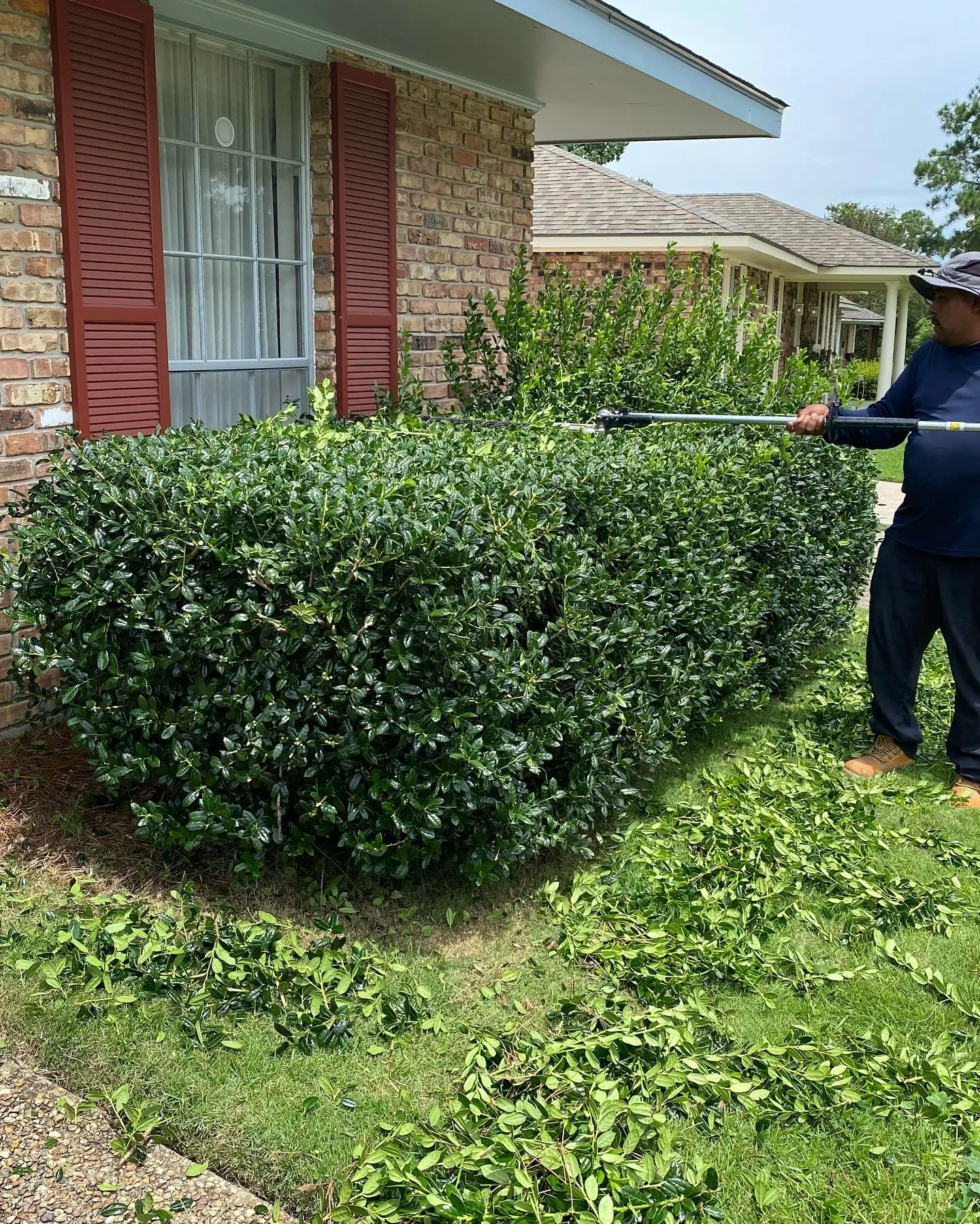
Pruning shears handle overgrown edges, while a hose-end sprayer applies treatments precisely.
Advanced Options
Core aerators pull plugs from soil, and dethatchers clear buildup. For larger properties, consider robotic mowers that operate autonomously.
To help decide, here’s a comparison of popular tools:
| Tool | Best For | Pros | Cons |
|---|---|---|---|
| Push Mower | Small lawns | Affordable, quiet | Manual effort |
| Riding Mower | Large areas | Efficient, comfortable | Higher cost, storage |
| Aerator | Compacted soil | Improves root health | Rental often needed |
This comparison helps select based on your yard size
Expert Tip: Invest in quality over quantity. A durable mower lasts years and pays off through better cuts.
Common Lawn Problems and Solutions
Issues arise, but quick action keeps them in check.
Weed Control
Identify types: Dandelions spread by seed, crabgrass invades bare spots. Hand-pull small infestations; use targeted herbicides for others.
Mulch prevents germination in beds.
Pest and Disease Management
Grubs signal brown patches; treat with nematodes, natural predators. Such integrated approaches can cut chemical use by 50%, per the USDA. Fungal diseases like brown patch thrive in wet conditions—improve air flow by aerating.
Bare Spots and Thinning
Overseeding with matching grass fixes thin areas. Water new seeds lightly until established.
Key Takeaways:
- Prevention beats cure: Maintain even moisture and mow heights to deter problems.
- Opt for eco-friendly fixes first, escalating only as needed.
- Document issues to spot recurring patterns.
Expert Tip: Scout your lawn weekly during peak seasons. Early detection saves time and turf.
Sustainable and Eco-Friendly Lawn Care
Modern strategies emphasize low-impact methods.
Native Plants and Low-Maintenance Options
Incorporate clover or buffalo grass, which need less water. Reduce lawn size with borders of native flowers that attract pollinators.
Organic Practices
Compost tea feeds soil microbes without synthetics. Rain barrels capture runoff for irrigation.
This growing trend reflects the appeal of sustainable practices, with the landscaping market growing 12% yearly, per Grand View Research.
Measuring Success and Long-Term Care
Track progress to refine your approach.
Indicators of a Healthy Lawn
Look for uniform color, elastic blades, and deep roots. Test soil yearly and note growth rates.
Adjusting for Future Trends
Drought-resistant hybrids emerge as climates shift. Smart sensors monitor moisture via apps.
Landscaping experts observe that clients with data-driven plans see 25% less waste.
Frequently Asked Questions About Lawn Care Services
How Often Should You Mow Your Lawn?
Mow weekly during peak growth, adjusting for slower periods. As noted in the mowing techniques section, never cut too short to maintain root health.
What’s the Best Way to Water a Lawn?
Provide deep soaks once or twice weekly, early in the day. Adjust for rain to avoid excess, aligning with the wise watering guidelines for your grass type.
Can I Fertilize My Lawn Myself?
Yes, with soil tests guiding you. Start small to prevent overload, following the nutrient management recommendations.
How Do I Get Rid of Weeds Without Chemicals?
Pull them manually, improve lawn density through proper care, and use mulch barriers to prevent regrowth.
When Is the Best Time for Aeration?
Fall or spring, when grass grows actively but soil is moist, as part of your seasonal preparation.
Are Professional Services Worth It?
They save time and ensure expertise, especially for large or troubled yards, building on the strategies outlined here.
Putting Your Lawn Care Strategy into Action
You’ve now covered the essentials from soil basics to sustainable tweaks. A thriving lawn comes from consistent, informed steps—start with an assessment, build routines around seasons, and address issues promptly. Use this guide as your reference, revisiting sections as your yard evolves. With these strategies, you’ll create a green space that enhances your life and stands the test of time.
Need Expert Guidance?
For personalized advice on implementing these strategies, reach out to All Seasons Landscaping & Lawn Care at [email protected] or (225) 276-8658. Their team offers consultations to tailor plans to your yard’s unique needs, ensuring lasting results without the guesswork.
Sources
- Turfgrass Council of North America – Reports on seasonal turf management benefits.
- USDA – Information on integrated pest management in agriculture and lawns.
- Grand View Research – Market analysis on sustainable landscaping growth.

- How Does Regular Hedge Trimming Improve Your Landscape’s Overall Appearance? - October 12, 2026
- The Complete Guide to Hedge Trimming, Care, Maintenance, and Healthy Growth - October 6, 2026
- How Can Professional Drainage Services in Central, LA Protect Your Property From Water Damage? - September 11, 2026