Improper yard drainage leads to a range of long-term issues, including water pooling, foundation damage, root rot, and landscape erosion. Effective drainage ensures excess water is redirected away from structures, prevents soil saturation, and preserves lawn health. For properties in Louisiana, where heavy rainfall and clay-rich soils are common, installing a professionally designed drainage system isn’t optional—it is essential.
Professional drainage planning accounts for slope, soil type, and rainfall intensity. By addressing these variables, systems are customized to perform year-round, preventing waterlogging and reducing maintenance issues. This article outlines the most important technical, functional, and situational reasons to invest in yard drainage.
Functional Differences Between DIY and Professional Drainage Systems
| Feature/Aspect | DIY Drainage Systems | Professional Drainage Solutions |
|---|---|---|
| Design Approach | Generic; may ignore slope, soil, etc. | Tailored based on soil type, slope, runoff |
| Long-Term Reliability | Varies; often needs rework | Engineered for durability and performance |
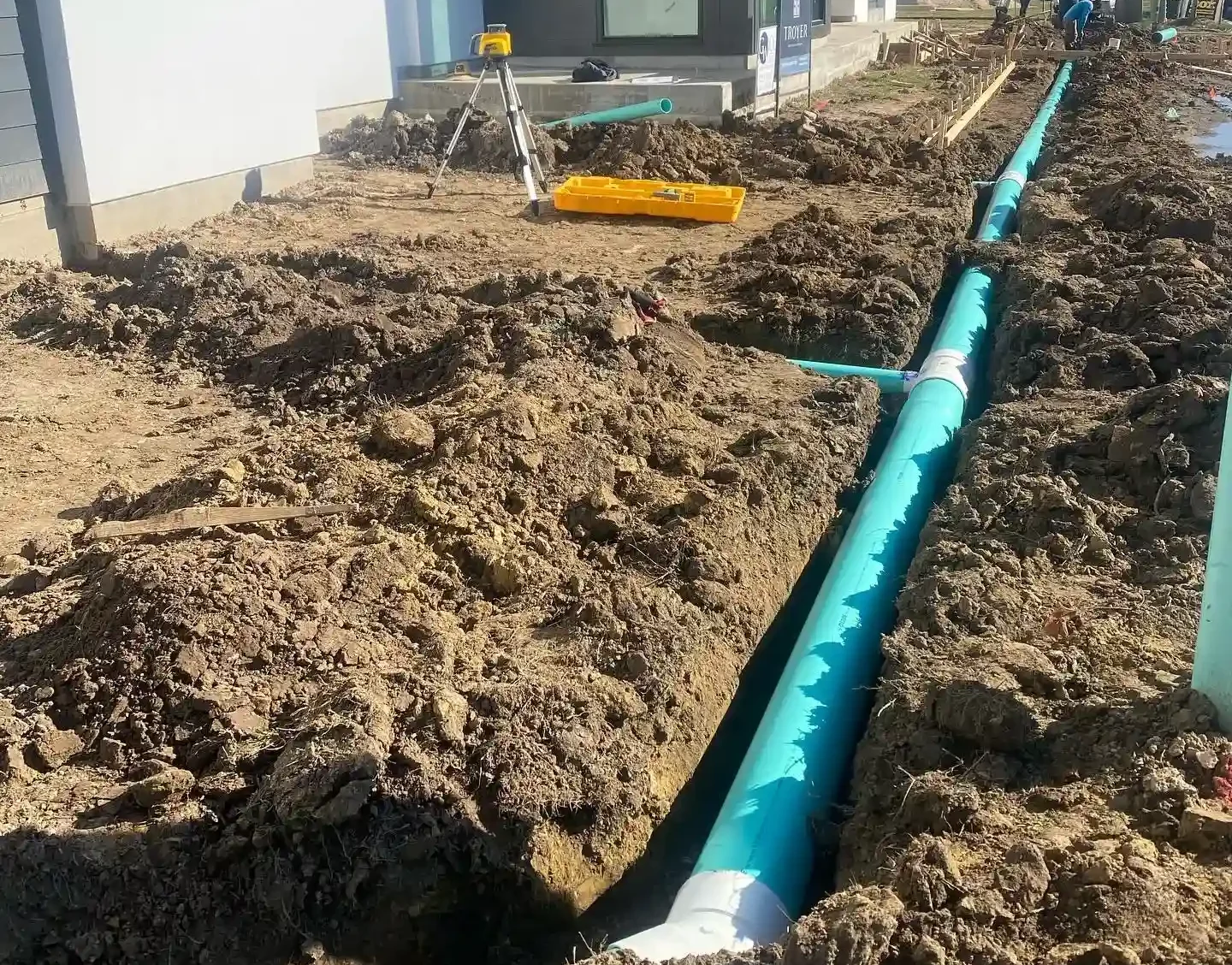
| Installation Tools & Techniques | Basic hand tools | Laser-leveling, trenchers, soil testing |
| Risk of Property Damage | Higher due to miscalculations | Minimized through expert planning |
| Maintenance Needs | Frequent cleaning and patching | Minimal if installed properly |
| Water Redirection Efficiency | Low to moderate | High; often integrated with landscaping elements |
Regional Factors That Make Drainage Critical in Louisiana
- Heavy rainfall: Louisiana receives over 60 inches of rain annually (NOAA, 2024), leading to frequent water pooling in untreated areas.
- Clay-heavy soils: These retain water, increasing risks of root rot and yard erosion.
- Flat topography: Without natural slope, water has no runoff path.
Key Drainage Solutions and Their Technical Specifications
| System Type | Best Use Case | Key Features |
|---|---|---|
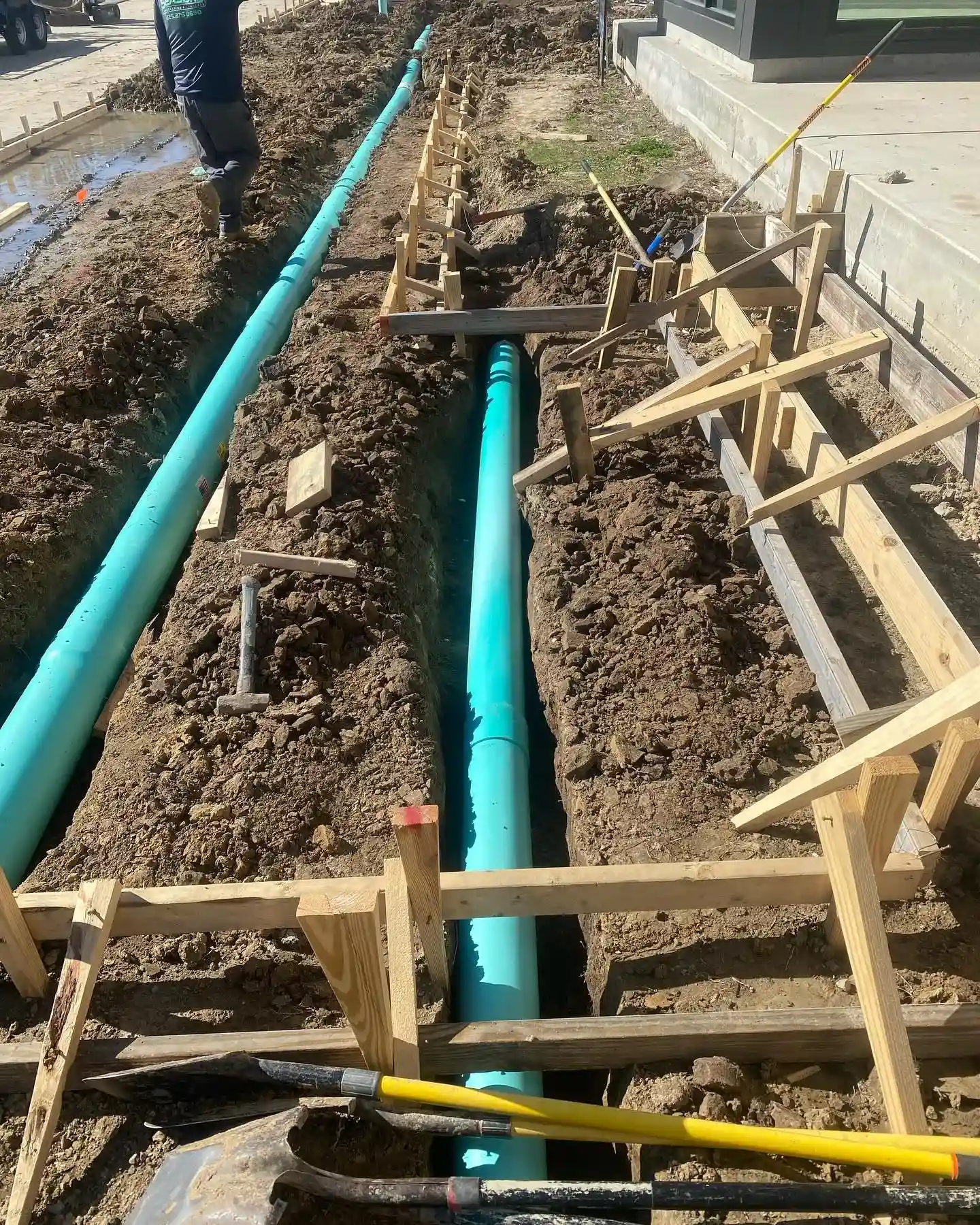
| French Drain | Around foundation, flower beds | Gravel trench with perforated pipe |
| Catch Basin | Low spots and downspout connections | Grated inlet box that collects surface runoff |
| Channel Drain | Driveways, patios, hardscapes | Long trench with grate, directs surface water |
| Dry Well | Areas with occasional pooling | Underground reservoir disperses water slowly |
| Sump Pump System | Basements or low-grade yards | Actively pumps water away from property |
Things to Check Before Choosing a Drainage Strategy
Evaluate property slope: Water naturally flows downhill—flat yards need engineered grading.
- Soil testing: Determines absorption rate and retention to guide system type.
- Check local building codes: Avoid fines or future rework due to non-compliance.
- Existing landscaping: Drainage should integrate with irrigation, turf, and hardscaping.
Common Questions Before Installing Yard Drainage
What signs show poor yard drainage?
Standing water after rain, soil erosion, basement leaks, and dying grass patches are key signs.
Can landscaping alone solve drainage problems?
No. While grading helps, true drainage control requires subsurface systems like French drains or catch basins.
Do small yards still need drainage systems?
Yes. Poor drainage impacts yards of all sizes, especially when space limits natural runoff.
Is professional installation always required?
Yes, in high-risk zones like Louisiana, where soil and rainfall conditions make DIY solutions insufficient.
Closely Related Services Offered by All Seasons Landscaping & Lawn Care
- Drainage Services: Custom-designed solutions to prevent erosion, pooling, and structural damage.
- Excavation Services: Precise land shaping to establish proper slope and water direction.
- Irrigation System Installation: Complements drainage by optimizing water distribution.
- Hardscaping Services: Ensures drainage works with patios, walkways, and retaining walls.
Bonus Tips from Field Experience
- Tip 1: Extend downspouts at least 10 feet from your foundation to prevent pooling near walls.
- Tip 2: Schedule annual drain clean-outs after spring storms to maintain flow.
- Tip 3: For clay soil, always combine surface drains with subsurface systems for maximum effectiveness.
Final Thoughts on Yard Drainage
Professional yard drainage prevents costly damage and promotes long-term landscaping health. It’s especially important in regions like Louisiana, where climate and soil demand technical precision. Evaluate the slope, soil, and rainfall patterns of your property before deciding on a system. Poor drainage isn’t just an inconvenience—it’s a structural and environmental risk.
Talk to the Experts About Drainage Needs
Contact All Seasons Landscaping & Lawn Care to explore effective drainage solutions customized for Louisiana properties. Reach out at [email protected] or call 225-276-8658 to schedule a property assessment. Trust expert evaluation to protect your landscape investment.
Answers to Long-Term Questions About Yard Drainage
How often should yard drainage systems be maintained?
Annual checks are typically enough, but high-rainfall areas may require seasonal inspections.
Can drainage systems fail over time?
Yes. Clogs, soil shifts, and root intrusion can degrade system performance. Maintenance helps prevent this.
Do plants suffer from over-drainage?
In rare cases, yes. Native or moisture-loving plants may need irrigation support if too much water is redirected.
Are permits required for installing drainage systems?
Often yes, especially when excavation is involved. Local codes may require review and approval.
How does climate change affect drainage needs?
Increased storm intensity and unpredictable rainfall patterns make it more crucial to install systems built for flexibility and durability.

- How Does Regular Hedge Trimming Improve Your Landscape’s Overall Appearance? - October 12, 2026
- The Complete Guide to Hedge Trimming, Care, Maintenance, and Healthy Growth - October 6, 2026
- How Can Professional Drainage Services in Central, LA Protect Your Property From Water Damage? - September 11, 2026