Hiring a professional tree planting service in Baton Rouge means working with a crew that handles species selection, soil assessment, proper planting depth, and ongoing establishment care, all tailored to Louisiana’s unique climate and growing conditions. The right service for your property depends on factors like your yard’s soil type, sun exposure, drainage patterns, and your long-term goals for shade, privacy, or curb appeal. A reputable provider will walk you through each step, from the initial site evaluation to the final mulching and watering plan, so you know exactly what is happening and why. Here is a detailed breakdown of the full process.
TL;DR
- Professional tree planting in Baton Rouge typically ranges from $150 to $500+ per tree, depending on size, species, and site preparation needs.
- The best planting window in Louisiana runs from late October through early March, when cooler temperatures reduce transplant shock.
- A proper site assessment includes evaluating soil composition, sunlight exposure, drainage, and underground utilities before any digging begins.
- Native species like Southern Live Oak, Bald Cypress, and Sweetbay Magnolia perform best in Baton Rouge’s heat and humidity.
- Expect the full process to include consultation, species recommendation, site prep, planting, mulching, and an aftercare plan.
- A solid warranty or survival guarantee is a strong indicator of a trustworthy tree planting service.
Why Professional Tree Planting Matters More Than You Think
Planting a tree seems straightforward, but incorrect planting depth, poor species selection, or ignoring soil conditions can kill a tree before it has a chance to establish. The LSU AgCenter emphasizes that choosing trees well adapted to local growing conditions is essential, since Louisiana trees must tolerate long, hot summers and mild winters while handling the region’s heavy rainfall and occasional flooding. A professional service brings that local knowledge to every job, reducing the risk of transplant failure and giving your investment the best chance to thrive.
The Step-by-Step Process of a Professional Tree Planting Service
1. Initial Consultation and Site Assessment
2. Species Selection and Recommendation
Based on the site assessment, the service recommends tree species that match your property’s conditions and your aesthetic or functional goals. According to the LSU AgCenter, trees planted in Louisiana must handle prolonged heat and high humidity. The Arbor Day Foundation also stresses that following established best management practices during species selection ensures long-term health and structural stability. Native species and proven-adapted varieties are always the safest bet. The LSU AgCenter Native Tree Growing Guide provides detailed recommendations for species suited to different site conditions across the state.
3. Scheduling and Timing
Timing directly affects tree survival rates. When Appearance Matters confirms that fall through late winter, specifically late October through early March, is the ideal planting window for most trees in Louisiana. Cooler temperatures allow root systems to develop without the stress of summer heat. A professional service will schedule your planting within this window and account for weather forecasts to avoid planting during extreme cold snaps or heavy rain events.
4. Site Preparation
Before the tree goes in the ground, the crew prepares the planting area. This includes marking underground utilities, removing existing grass or weeds from the planting zone, and amending the soil if necessary. Proper site prep also means digging the hole to the correct depth and width. The UMass Amherst Extension notes that industry standards call for a wide, shallow hole with the root flare positioned at or slightly above ground level, since planting too deep suffocates the root flare and leads to long-term health problems.
5. The Planting Process
On planting day, the crew handles everything from delivery and placement to backfilling and initial watering. The Tree Care Industry Association sets the ANSI A300 standards that govern professional tree care, covering everything from proper root ball inspection to correct planting depth and backfilling techniques. As NM Landscaper describes, professionals follow a structured process that includes removing the tree from its container or burlap, inspecting the root ball for circling roots, setting the tree at the proper height, backfilling with native soil, and establishing a watering basin. This attention to detail at each stage is what separates professional results from DIY attempts.
6. Mulching, Watering, and Aftercare Instructions
After the tree is in the ground, the crew applies a layer of organic mulch around the base, pulling it back from the trunk to prevent rot. The Arbor Day Foundation recommends watering newly planted trees immediately after installation and maintaining a consistent schedule through the first growing season to support root establishment. The crew sets up the initial watering schedule and provides detailed aftercare instructions covering watering frequency, fertilization timelines, and signs of stress to watch for during the first growing season.
Typical Cost Breakdown for Tree Planting in Baton Rouge
Costs vary widely based on tree size, species rarity, site difficulty, and the scope of additional services. According to Casey Trees, for every dollar spent on planting and maintaining trees, property owners can expect a return of approximately $2.23 in benefits, including energy savings, improved air quality, and increased property value. Here is a general breakdown of what to expect.
| Tree Size | Typical Installed Cost | Best Use | Notes |
|---|---|---|---|
| Small (1-3 gallon / 3-6 ft) | $150 – $300 | Accent planting, garden borders | Lower risk, establishes quickly |
| Medium (5-7 gallon / 6-10 ft) | $300 – $500 | Shade, screening, street trees | Most popular size for residential |
| Large (15-25 gallon / 10-15 ft) | $500 – $1,500+ | Instant shade, specimen trees | Higher transplant risk requires more equipment |
According to iTrees.com, professional tree planting pricing generally begins around $775 to $800 when factoring in the tree itself, delivery, planting labor, and basic site preparation. Costs in Baton Rouge may fall slightly lower for native species due to local availability, but complex site conditions like rocky soil, tight access, or grading needs can push the price higher.
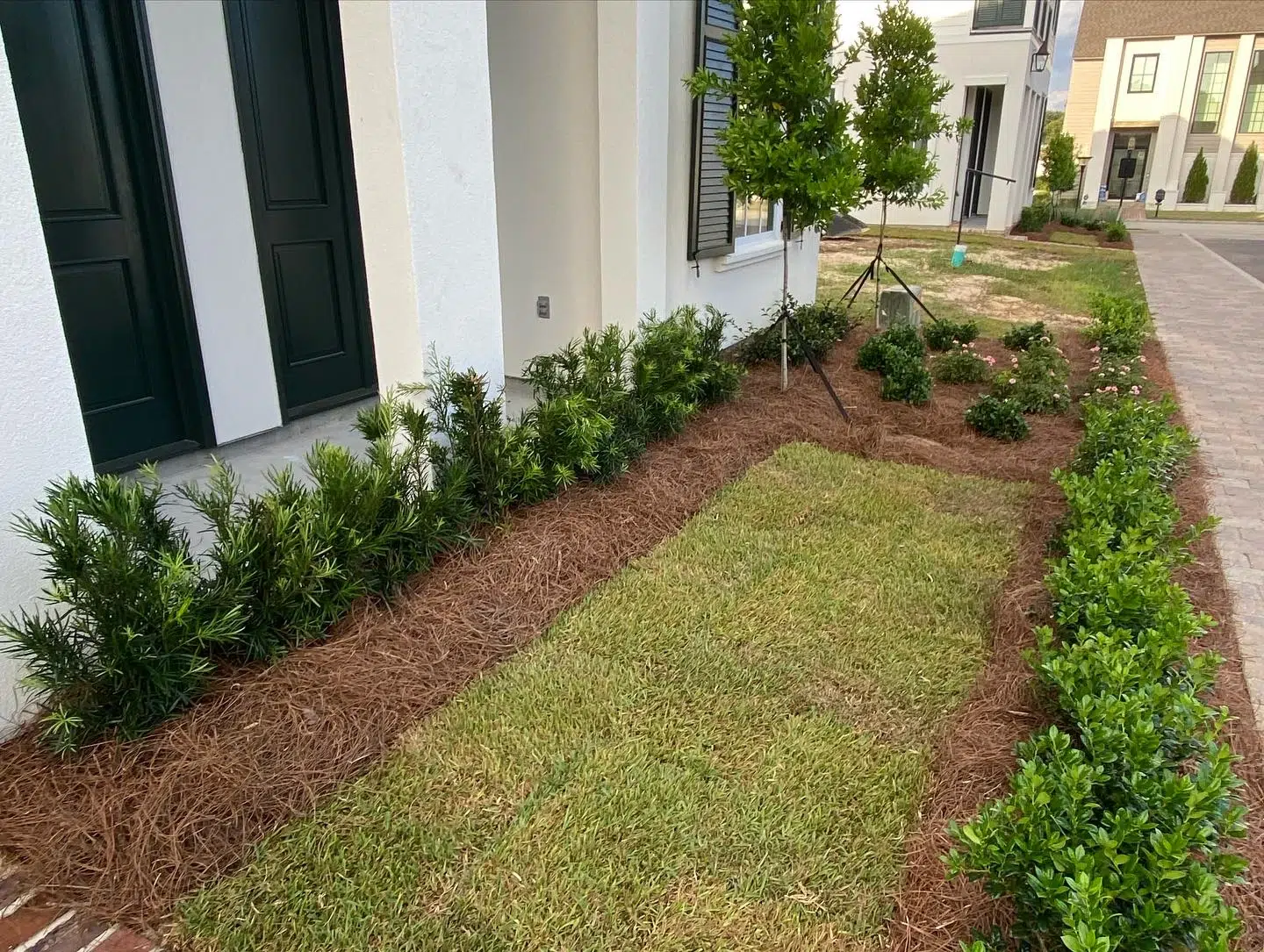
Best Tree Species for Baton Rouge Properties
Choosing the right species for our growing zone is half the battle. Below are some of the strongest performers for Baton Rouge landscapes.
| Tree Species | Mature Height | Best For | Key Traits |
|---|---|---|---|
| Southern Live Oak | 60-80 ft | Shade, specimen | Long-lived, hurricane-resistant, iconic |
| Bald Cypress | 50-70 ft | Wet areas, water features | Deciduous conifer, tolerates flooding |
| Sweetbay Magnolia | 15-30 ft | Ornamental, fragrance | White flowers, semi-evergreen |
| Southern Magnolia | 60-80 ft | Shade, privacy screen | Evergreen, large, fragrant blooms |
| Crape Myrtle | 10-30 ft | Color, street trees | Long summer bloom period, drought-tolerant |
| Drake Elm | 30-40 ft | Shade, medium yards | Fast grower, disease resistant |
Recommendations by Property Type
Not every tree or planting strategy works for every property. Here is how the approach differs based on your situation.
Residential Homeowners: Most homeowners benefit from a mix of one or two large shade trees positioned to reduce cooling costs, combined with smaller ornamental trees near patios or entryways. Native species like Live Oak and Southern Magnolia offer long-term value and low maintenance once established.
Commercial Properties: Businesses should focus on species that provide curb appeal with minimal litter, fast growth for quick screening, and durability in high-traffic areas. Crape Myrtles and Drake Elms are popular commercial choices in the Baton Rouge area.
New Construction Sites: Newly built properties often have compacted soil from construction activity. Professional planting services will address soil compaction through deep tilling or root zone aeration before planting, giving new trees a workable root environment.
Properties with Drainage Issues: Many Baton Rouge neighborhoods experience seasonal flooding or standing water. Bald Cypress, Water Oak, and Tupelo thrive in these conditions and can actually help manage excess water on your property.
Signs You Have Found the Right Tree Planting Service
Choosing a tree planting service comes down to a few clear indicators of quality and professionalism.
- A thorough on-site assessment comes before every quote. Any provider that gives a price over the phone without seeing the property is cutting corners. Soil, sunlight, and space requirements vary too much from property to property.
- Native or well-adapted species are always recommended. A knowledgeable service avoids pushing exotic or ill-suited varieties that look good in a catalog but struggle in Baton Rouge’s climate.
- The entire process and timeline are clearly explained. A complete overview of when the planting will happen, how long it takes, and what aftercare is expected from the property owner should be provided upfront.
- A survival guarantee or warranty is offered. A quality service stands behind its work and offers some form of guarantee, typically covering replacement if the tree does not survive the first growing season.
- The crew carries full insurance and follows strict safety protocols. Tree planting involves heavy digging equipment, manual labor, and sometimes proximity to underground utilities. Proper insurance and safety practices protect both the property owner and the workers.
- Written aftercare instructions are provided for the first growing season. The first year after planting is the most critical period. A quality service leaves clear guidelines on watering, mulching, and monitoring for signs of stress.
Common Mistakes That Lead to Tree Planting Failure
Even with professional help, understanding what goes wrong helps you ask better questions and hold your service accountable.
- Planting too deep: The root flare should sit at or slightly above ground level. Planting even an inch too deep restricts oxygen to the roots.
- Ignoring drainage: Trees planted in low spots that collect water can develop root rot. Species selection must account for this.
- Overwatering after planting: More new trees die from overwatering than from underwatering. A professional service will set the right schedule for your soil type.
- Skipping mulch or using the wrong type: Proper mulch retains moisture and regulates soil temperature, but piling it against the trunk causes bark decay.
- Choosing the wrong species for the site: A sun-loving tree planted in deep shade, or a large-canopy tree planted under power lines, will struggle from day one.
Ready to Plant Trees That Last?
ALL SEASON LANDSCAPING brings professional tree planting expertise to Baton Rouge properties, handling everything from species selection and soil assessment to precise planting and aftercare planning. Our team knows which trees thrive in Louisiana’s climate and how to give them the best start on your property.
Request a Quote | Schedule a Tree Planting Consultation
Call us at 225-276-8658 or email [email protected] to get started with a personalized site assessment and planting plan built for your yard.
FAQs
How long does the tree-planting process take, from consultation to completion?
Most projects move from the initial site visit to planting day within one to three weeks, depending on species availability and scheduling within the optimal planting window.
Do I need a permit to plant trees on my residential property in Baton Rouge?
In most residential cases, no permit is required for tree planting. However, if planting near utility easements, right-of-ways, or in a flood zone, check with the City of Baton Rouge for any restrictions.
Will the tree planting service handle underground utility marking?
Yes, a professional service will coordinate with Louisiana One Call or a similar utility locating service to mark underground lines before any digging begins, as required by state law.
How often should I water a newly planted tree in Baton Rouge?
During the first growing season, newly planted trees typically need deep watering two to three times per week, adjusted for rainfall. Your service should provide a specific schedule based on your tree species and soil conditions.
What happens if my newly planted tree dies within the first year?
Most reputable tree planting services offer a survival guarantee that covers replacement within a specified period, usually the first growing season. Ask about warranty terms before signing a contract.
Sources
- LSU AgCenter – Trees & Shrubs – Guidance on choosing trees adapted to Louisiana’s growing conditions.
- Arbor Day Foundation – Right Tree, Right Place – Best management practices for species selection and urban tree care.
- UMass Amherst Extension – Planting and Transplanting – Detailed guidance on proper planting depth, root flare positioning, and industry standards.
- Tree Care Industry Association – Industry resources on ANSI A300 standards and professional tree care practices.
- Casey Trees – Tree Planting and Care – Analysis of tree planting costs and the return on investment for property owners.

- How Does Regular Hedge Trimming Improve Your Landscape’s Overall Appearance? - October 12, 2026
- The Complete Guide to Hedge Trimming, Care, Maintenance, and Healthy Growth - October 6, 2026
- How Can Professional Drainage Services in Central, LA Protect Your Property From Water Damage? - September 11, 2026