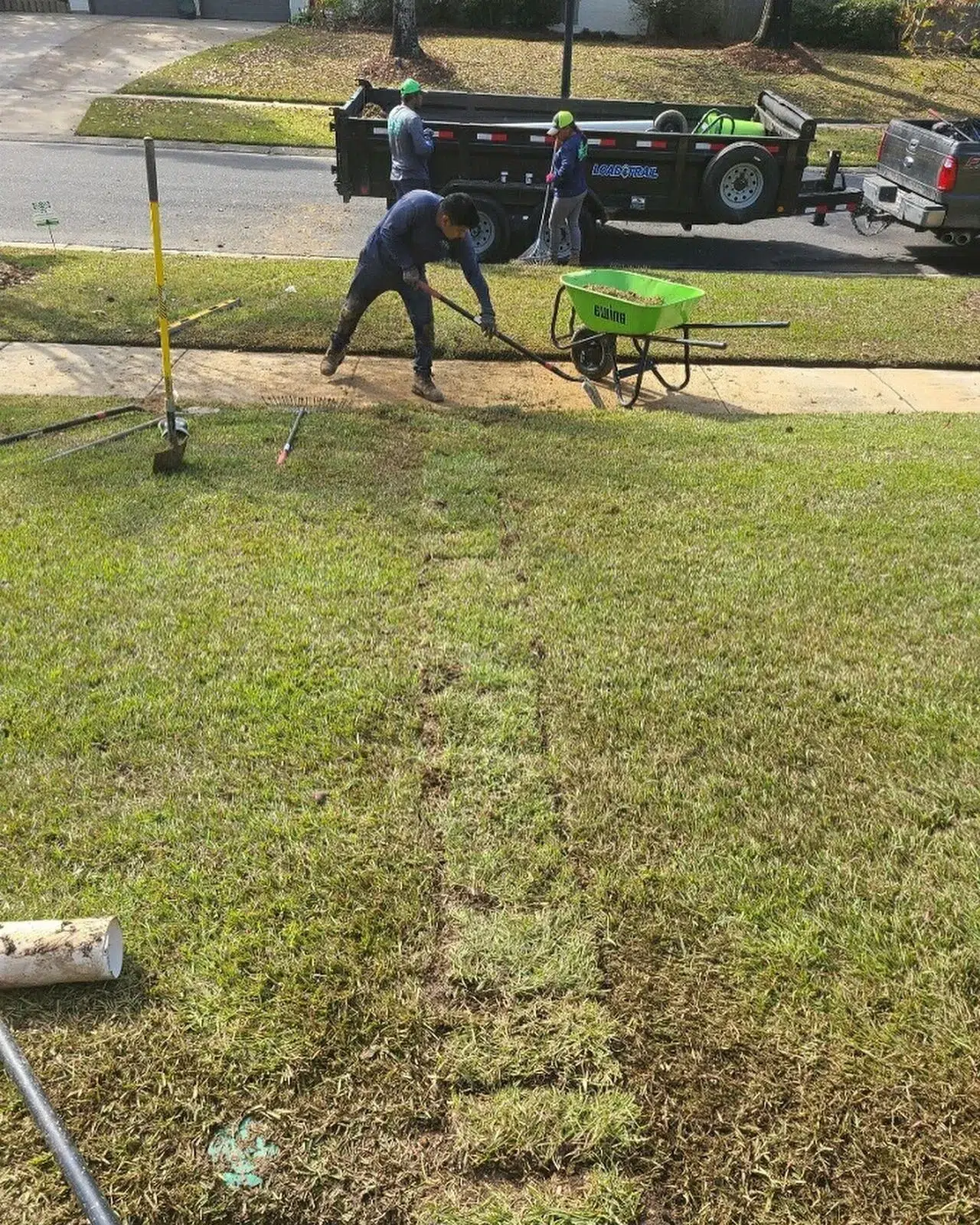
Seeding is the primary method for restoring turf density, introducing disease-resistant grass varieties, and repairing damage caused by the intense heat and soil conditions typical of St. George. Without the periodic introduction of new seed, lawns naturally thin out over time due to aging, heat stress, and foot traffic, leaving the soil vulnerable to weeds and erosion. A complete lawn care program relies on seeding to reset the biological clock of the turf, ensuring the grass remains thick enough to crowd out invasive species and retain moisture effectively. This guide explains the mechanics of seeding, how it applies to the local climate, and the specific steps required to achieve lasting results.
The Impact of Louisiana Heat on Turf Density
St. George experiences long, humid summers that place significant stress on both cool-season and warm-season grasses. Prolonged exposure to high temperatures causes grass plants to enter a state of dormancy or to die back completely, resulting in bare patches that do not fill in on their own. According to data from the LSU AgCenter, turfgrass in Louisiana often suffers from heat stress that weakens the root systems, making it difficult for existing grass to spread and cover damaged areas naturally.
When the grass thins, the protective canopy over the soil disappears. This exposes the soil to sunlight, which encourages weed seeds to germinate and compete with the remaining grass. Seeding reintroduces grasses specifically bred to withstand high temperatures and humidity, effectively closing the canopy and re-establishing that protective layer. A dense lawn is the best natural defense against weeds, reducing the need for chemical interventions later in the season.
Soil Compaction and Root Development
The soil composition in East Baton Rouge Parish often contains heavy clay or compacted loam that restricts root growth. Over time, foot traffic and lawn equipment compress the soil further, squeezing out air pockets that roots need to breathe. When the soil becomes too dense, existing grass roots struggle to expand, and new seedlings cannot penetrate the surface to establish themselves. Seeding in isolation often fails in these conditions unless paired with mechanical aeration.
Aeration pulls small plugs of soil from the ground, creating voids that allow air, water, and nutrients to reach the root zone. Dropping seed immediately after aeration ensures the new grass seed falls into these holes, providing better seed-to-soil contact and protection from birds and wind. This practice dramatically improves germination rates compared to simply throwing seed on top of a compacted lawn.
Grass Variety Selection for St. George
Selecting the right type of seed is critical for success in this region. Homeowners must distinguish between warm-season grasses, which thrive in the summer, and cool-season varieties, used primarily for overseeding in the winter. Using the wrong seed type at the wrong time will result in wasted effort and poor germination.
Table: Grass Seed Types Suitable for St. George, LA
| Grass Type | Best Planting Time | Drought Tolerance | Shade Tolerance | Primary Use |
|---|---|---|---|---|
| Bermuda | Late Spring / Early Summer | High | Low | Full sun lawns, high traffic areas |
| Zoysia | Late Spring / Early Summer | Medium | Medium | Dense, carpet-like turf |
| Centipede | Late Spring / Early Summer | Medium | Medium | Low maintenance, acidic soils |
| Perennial Rye | Fall / Winter | Low | Low | Winter overseeding for color |
| Fescue (Tall) | Fall / Early Spring | Medium | High | Shady areas, often used as a mix |
Bonus Tip: Perform a Soil Test Before purchasing seed, conduct a soil test through the local extension office. St. George soils often vary in pH levels, and certain grasses, like Centipede, require acidic soil to thrive. Knowing the pH ensures the chosen seed variety will actually survive.
Genetic Improvement and Disease Resistance
Older lawns often consist of grass varieties that may have been popular decades ago but lack modern resistance to diseases like brown patch or take-all patch. Turfgrass breeders continuously develop new cultivars that offer superior durability against these local pathogens. Seeding allows a property to upgrade its genetic stock, replacing weak plants with stronger ones that require less maintenance.
A study by the National Turfgrass Evaluation Program shows that newer cultivars of Bermuda and Zoysia exhibit significantly greater resistance to drought and disease than varieties released just 10 years ago. By incorporating these improved genetics through seeding, a lawn care program becomes more sustainable and less dependent on fungicides and frequent watering. This genetic upgrade is one of the most overlooked benefits of regular seeding.
Things to Consider Before Making a Decision
Before beginning a seeding project, several factors must be evaluated to ensure the investment yields results.
- Irrigation Capability: New seed requires consistent moisture to germinate. If an automatic sprinkler system is not available, the homeowner must be willing to water manually multiple times a day for the first two weeks.
- Sunlight Exposure: Observe the lawn at different times of the day. Areas receiving less than four hours of direct sunlight will struggle to support Bermuda or Zoysia and may require a shade-tolerant mix like Fescue or a specialized St. Augustine variety (though St. Augustine is typically sodded, not seeded).
- Current Weed Pressure: If the lawn is overrun with weeds, seeding immediately will likely fail. The weeds will outcompete the seedlings for resources. A pre-emergent herbicide applied months prior, or a manual removal process, is often necessary before putting down seed.
Bonus Tip: Starter Fertilizer Use a starter fertilizer high in phosphorus when seeding. Phosphorus specifically encourages strong root growth, which is vital for seedlings trying to establish themselves in the heavy Louisiana soils.
Frequently Asked Questions
Can I seed in the spring in St. George?
Spring seeding is possible for warm-season grasses like Bermuda and Zoysia, but the window is short. The soil must warm up sufficiently, usually between April and May. Seeding too early risks the seeds rotting in cool, wet soil.
Do I need to cover the seed with straw?
Using straw is generally not recommended for residential lawns in this area. Straw often contains weed seeds that will germinate alongside the grass. It is better to use a peat moss product or simply ensure the seed makes good contact with the soil through raking or rolling.
Why did my seed fail last year?
Failure usually stems from a lack of water or poor seed-to-soil contact. If the seed dries out even once during germination, the young roots die. Similarly, if the seed simply sat on top of the thatch layer without touching soil, it could not sprout.
How often should I mow after seeding?
Wait until the new grass reaches a height of at least 3 to 4 inches before the first mowing. Mowing too soon can uproot the fragile seedlings. Ensure the mower blade is sharp to avoid tearing the grass.
Should I bag or mulch clippings when new grass is growing?
It is best to bag clippings for the first few mows. Heavy clumps of clippings can smother new seedlings. Once the grass is established, mulching returns nutrients to the soil and is beneficial.
Final Thoughts
Seeding remains the most effective biological tool for maintaining a resilient lawn in the challenging climate of St. George. It counteracts the natural thinning process, improves the genetic quality of the turf, and repairs physical damage caused by weather and use. By addressing soil compaction, selecting appropriate grass varieties, and ensuring proper moisture, a seeding effort transforms a weak lawn into a durable landscape. Evaluating the specific conditions of the property, such as sunlight and irrigation access, ensures the chosen method aligns with the site’s reality.
Need Professional Help with Your Lawn?
For expert guidance on seeding and lawn care in St. George, ALL SEASON LANDSCAPING provides services tailored to local soil and climate conditions. Contact the team today to assess your lawn’s needs and develop a plan for thicker, healthier grass. Reach ALL SEASON LANDSCAPING via email at [email protected] or call 225-276-8658.
Sources
- LSU AgCenter – The Louisiana State University Agricultural Center provides research-based information on turfgrass management specific to Louisiana’s climate and soil conditions.
- National Turfgrass Evaluation Program – NTEP conducts research and evaluates turfgrass varieties to determine which cultivars perform best under various environmental stresses.
- Pennington Seed – A leading seed resource offering detailed guides on grass planting times, maintenance, and regional suitability for the Southern United States.

- How Does Regular Hedge Trimming Improve Your Landscape’s Overall Appearance? - October 12, 2026
- The Complete Guide to Hedge Trimming, Care, Maintenance, and Healthy Growth - October 6, 2026
- How Can Professional Drainage Services in Central, LA Protect Your Property From Water Damage? - September 11, 2026