A soggy lawn, a damp basement, or a mysterious puddle near your foundation. These are problems no property owner wants to face. They are often the first signs of a drainage issue, a quiet problem that can lead to loud, expensive consequences. Water is persistent, and if it doesn’t have a clear path away from your home, it will find one, often through your foundation, crawl space, or landscaping. This can lead to structural damage, mold growth, and a complicated dance with your insurance company. Understanding the connection between proper drainage and water damage is the first step toward protecting your most significant investment.
This guide is built on years of hands-on experience helping homeowners solve water issues, from simple grading fixes to complex French drain installations and the insurance claims that often follow. We will walk through everything you need to know. You’ll learn how to spot drainage problems early, what your homeowner’s insurance policy likely covers (and what it doesn’t), and how to navigate the claims process if water damage occurs. This is your complete resource for understanding how to manage water on your property and what to do when things go wrong.
Here’s what you can expect to learn:
- The Basics of Property Drainage: We’ll look at different types of systems and why they are so important for your home’s health.
- Identifying Red Flags: You’ll learn the early warning signs of a drainage problem, both inside and outside your house.
- Insurance Claims Demystified: We’ll break down the confusing language of insurance policies regarding water damage and explain what typically gets approved or denied.
- The Claims Process, Step-by-Step: A clear roadmap for what to do from the moment you discover water damage.
- Effective Drainage Solutions: An overview of professional fixes that can solve your water problems for good.
- Prevention and Maintenance: Simple, proactive steps to keep your property dry and avoid future issues.
The Foundation: Understanding Drainage and Its Importance
To solve a drainage problem effectively, you first need to understand its fundamentals. Property drainage is all about controlling the flow of water. Rain, melting snow, and runoff from higher ground all need to be managed. A good drainage system directs this water away from your home’s foundation to a safe discharge point, like a storm drain or a dry well.
What is a Property Drainage System?
A drainage system isn’t just one thing; it can be a combination of several elements working together. Some common components include:
- Proper Grading: The slope of the land around your house should direct water away from the foundation. This is the most basic and important part of any drainage plan.
- Gutters and Downspouts: This system collects rainwater from your roof and should discharge it several feet away from the home.
- Swales: These are shallow, wide channels in your lawn designed to direct surface water along a specific path.
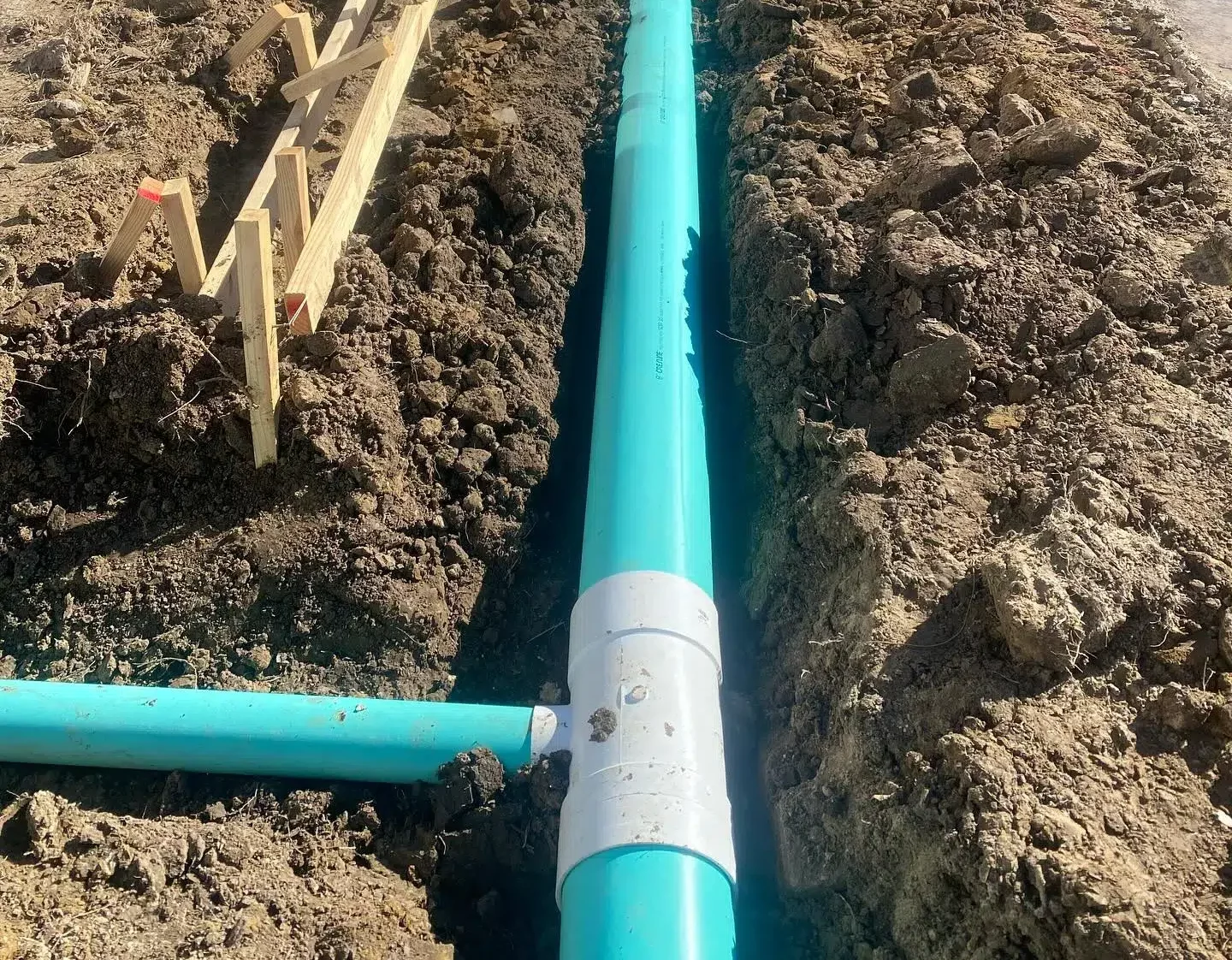
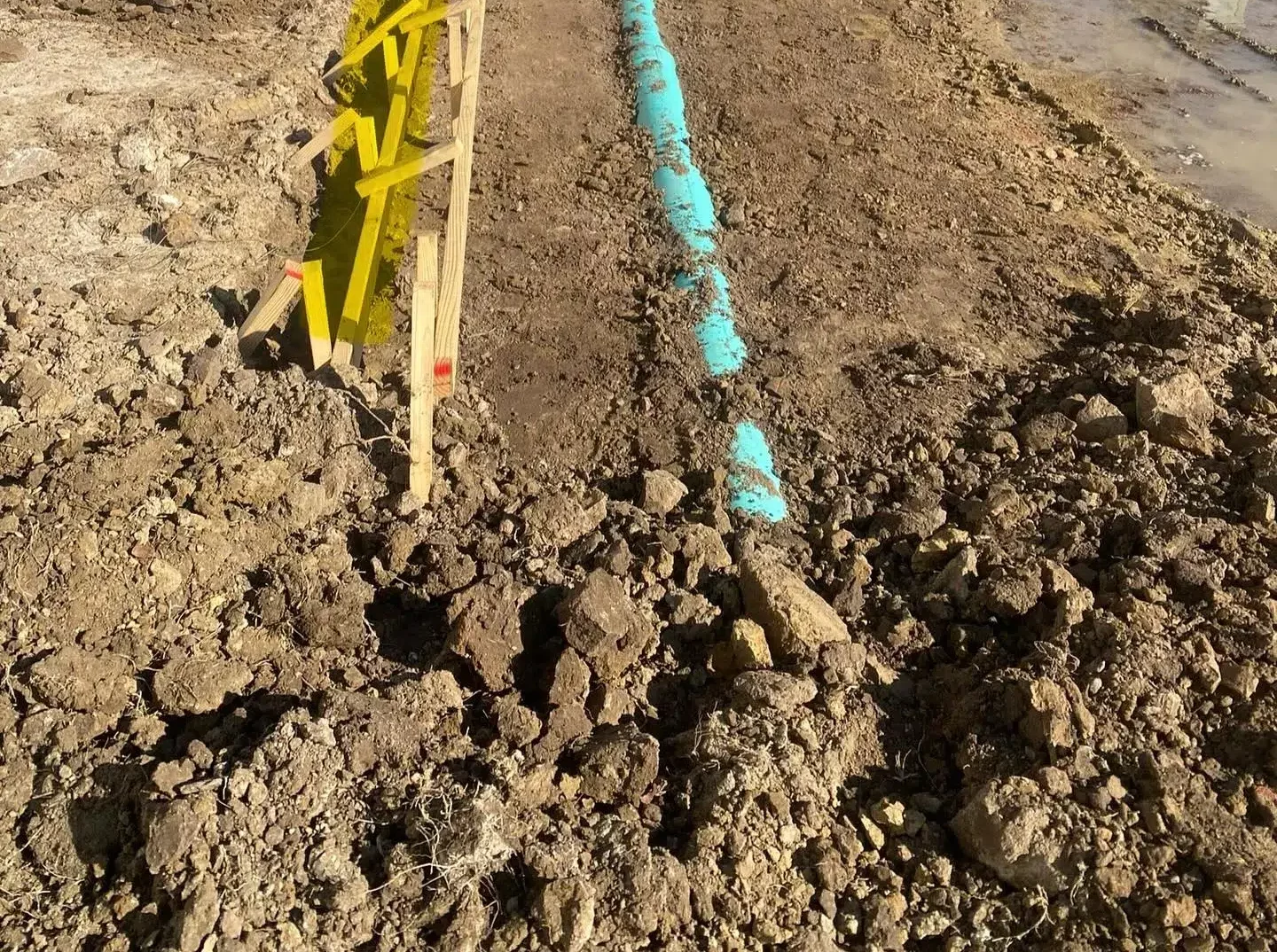
- French Drains: A perforated pipe buried in a gravel-filled trench. It collects groundwater and directs it away from sensitive areas like your foundation or a retaining wall.
- Catch Basins: Grated boxes installed at low points in the yard to collect surface water and pipe it away.
Why Poor Drainage is More Than Just a Puddle
Standing water is an annoyance, but the real trouble is what you can’t see. When soil becomes oversaturated, the pressure it exerts on your foundation walls (hydrostatic pressure) increases dramatically. This can lead to serious issues.
- Foundation Damage: Constant pressure can cause cracks, bowing, and shifting in your foundation, compromising the structural integrity of your entire home.
- Mold and Mildew: Water seeping into basements or crawl spaces creates the perfect damp environment for mold to grow, which can cause health problems and be expensive to remove.
- Landscape Erosion: Uncontrolled water flow can wash away topsoil, kill your lawn and plants, and damage expensive landscaping features.
- Pest Infestations: Soggy soil and standing water attract pests like mosquitoes, termites, and rodents.
The financial consequences are significant. A report from the Insurance Information Institute shows that water damage and freezing are among the most common causes of homeowners’ insurance claims. Preventing that damage with a good drainage system is a far better financial strategy.
Identifying Drainage Problems Before They Become Disasters
The best way to avoid a major water damage event is to catch drainage problems early. Your property will give you plenty of warning signs if you know what to look for. Regular inspections, especially after heavy rain, can save you a lot of trouble.
Telltale Signs of Drainage Issues Outdoors
- Pooling Water: If you have puddles that linger for more than 24 hours after a storm, that’s a clear sign the water has nowhere to go. Pay close attention to areas near your foundation.
- Soggy Lawn: A lawn that feels spongy or squishy underfoot indicates the soil is saturated.
- Soil Erosion: Look for bare spots where soil has washed away, especially on slopes or near downspouts.
- Water Stains on Foundation Walls: You might see lines or discolored patches on the concrete or brick of your foundation where water has been sitting.
- Driveway or Walkway Damage: Water pooling on or under paved surfaces can cause cracking, sinking, or heaving.
Red Flags Inside Your Home
- Musty or Damp Smells: This is often the first sign of a moisture problem in a basement or crawl space.
- Visible Mold or Mildew: Check corners, behind storage boxes, and along baseboards for any signs of mold growth.
- Damp Walls or Floors: Feel the walls in your basement. Any dampness, condensation, or chalky white residue (efflorescence) points to water seeping through the concrete.
- Cracks in the Foundation: While some small cracks are normal, new cracks or existing ones that are growing wider, especially those that are horizontal or jagged, are a serious concern.
A Proactive Checklist for Homeowners
Use this simple checklist to stay on top of your property’s drainage health.
| Task | Frequency | What to Look For |
|---|---|---|
| Clean Gutters | Twice a year (Spring/Fall) | Debris, leaves, and blockages. Ensure they are securely attached. |
| Check Downspouts | Twice a year | Ensure they extend at least 5 feet from the foundation and aren’t clogged. |
| Inspect Yard Grading | Once a year (after rain) | Look for low spots near the foundation where water pools. |
| Examine Foundation | Twice a year | New or expanding cracks, water stains, or efflorescence. |
| Inspect Basement/Crawl Space | Quarterly | Damp smells, visible moisture, mold, or mildew. |
Key Takeaways: Proactive Drainage Management
- The goal of drainage is to control water and move it safely away from your home’s foundation.
- Ignoring early warning signs like pooling water or musty smells can lead to severe structural damage and health issues from mold.
- Regular, simple inspections using a checklist can help you spot potential problems before they escalate into expensive repairs and complex insurance claims.
Understanding these warning signs is crucial because addressing them early can prevent the need for the next step: navigating a complex insurance claim.
Navigating Water Damage Insurance Claims: What’s Covered?
When water damage happens, one of the first questions is, “Will my insurance cover this?” The answer is almost always: it depends. Homeowner’s insurance policies are specific, and understanding the language they use is key to knowing what you can expect.
The “Sudden and Accidental” Rule Explained
Most standard homeowner’s insurance policies are designed to cover damage that is “sudden and accidental.” This means things like a burst pipe, a washing machine hose that fails, or a tree falling on your roof during a storm.
The damage that is not typically covered is gradual damage. This includes problems resulting from a slow, ongoing leak, seepage through the foundation, or poor maintenance. The insurance company’s position is that the homeowner had time to notice and fix these issues before they caused major damage. An analysis by the American Bar Association highlights that claims are often denied when the cause is determined to be a long-term issue or a lack of upkeep.
Expert Tip: Document your home maintenance. Keep receipts for gutter cleaning, foundation inspections, or plumbing work. This can be valuable evidence to show you have been diligent if you ever need to file a claim.
Common Scenarios: Covered vs. Not Covered
Here are some real-world examples to illustrate the difference:
- Covered: A pipe under your sink suddenly bursts, flooding your kitchen floor. The cost to repair the floor and cabinets would likely be covered (though the cost to fix the pipe itself might not be).
- Not Covered: For months, a slow leak from a toilet has been seeping into the subfloor, causing it to rot. The damage is gradual and would likely be denied.
- Covered: A severe hailstorm damages your roof, allowing rain to get in and damage your ceilings and walls. This is sudden and related to a covered peril (the storm).
- Not Covered: Your yard has improper grading, and for years, rainwater has been pooling against your foundation, eventually seeping into the basement. This is considered a maintenance issue, not a sudden event.
The Critical Role of Maintenance in Your Claim
Insurance is for unforeseen accidents, not for predictable outcomes of neglect. If an insurance adjuster finds that the water damage was caused by a problem you should have addressed, your claim could be denied. For example, if your gutters are clogged with years of debris, causing water to overflow and seep into your attic, the insurer may argue that proper maintenance would have prevented the loss.
Flood Insurance vs. Homeowner’s Insurance
This is a point of major confusion for many homeowners. Standard homeowner’s policies do not cover flood damage. A flood is defined by the National Flood Insurance Program (NFIP) as an excess of water on land that is normally dry, affecting two or more acres or two or more properties. This includes water from overflowing rivers, storm surges, or heavy downpours that saturate the ground. To be covered for this type of event, you need a separate flood insurance policy, which is often managed by FEMA.
The Step-by-Step Process for Filing a Water Damage Claim
Discovering water damage is stressful. Knowing what to do can make the process much more manageable. Acting quickly and documenting everything are the two most important things you can do.
Step 1: Immediate Action – Stop the Water and Document Everything
Before you even think about calling your insurance agent, you need to prevent further damage.
- Stop the Source: If you can, shut off the main water supply to your house or the valve for the specific appliance that is leaking.
- Document the Scene: This is essential. Before you move anything or start cleaning, take photos and videos of the damage. Get wide shots of the entire area and close-ups of the damaged items and the source of the water if you know it. This evidence will be invaluable for your claim.
Step 2: Contacting Your Insurance Provider
Call your insurance agent or the company’s claims hotline as soon as possible. Have your policy number ready. When you speak to them, be clear and factual. Explain what happened, when you discovered it, and the steps you’ve taken to mitigate further damage. They will assign a claim number and an adjuster to your case.
Expert Tip: Keep a detailed communication log. Every time you speak with someone from the insurance company, write down the date, time, their name, and a summary of the conversation. This helps keep everything organized and provides a record of your interactions.
Step 3: Working with an Adjuster
The insurance adjuster’s job is to investigate the claim and determine the extent of the damage and what the policy covers. They will schedule a time to inspect your property. Be there for the inspection. Show them the photos and videos you took and point out all the areas that were affected. Be honest and provide as much information as you can.
Step 4: Getting Estimates for Drainage and Water Damage Repair
Your insurance company will likely have a list of preferred vendors, but you are usually not required to use them. It is always a good idea to get at least one or two independent estimates from reputable, licensed contractors for both the water damage restoration (drying, mold remediation) and the underlying drainage repair. Companies like All Seasons Landscaping & Lawn Care can provide a detailed assessment of drainage issues and a quote for a permanent solution.
Professional Drainage Solutions to Protect Your Property
If you’ve had a water damage scare, the last thing you want is a repeat. Investing in a professional drainage solution is the best way to protect your property for the long term. The right solution depends on your specific property, soil type, and the nature of the water problem.
Surface Drainage Systems
These solutions are designed to manage water that flows across the surface of your yard.
- Regrading: This involves reshaping the lawn to create a gentle slope away from your foundation.
- Swales: Creating a shallow, grassy channel to guide water to a safe area.
- Channel Drains: These are often installed in driveways or patios to catch water before it reaches your home.
Subsurface Drainage Systems
When the problem is groundwater or heavily saturated soil, you need a solution that works below the surface.
- French Drains: Highly effective for relieving hydrostatic pressure against a foundation or drying out a soggy area of the yard.
- Footing Drains: A type of French drain installed around the perimeter of the foundation at the “footing” level, designed to keep the entire foundation area dry.
Choosing the Right Solution for Your Property
Making the right choice requires a professional assessment, but this table can give you a general idea of which solution fits which problem.
| Solution | Best For | Average Cost | Maintenance Level |
|---|---|---|---|
| Downspout Extensions | Water is pooling near the foundation from the gutters | Low | Low |
| Regrading | General surface water issues: flat yards | Moderate | Low |
| French Drain | Saturated soil; basement water seepage | Moderate to High | Low |
| Catch Basin & Dry Well | Low spots in the yard with heavy pooling | Moderate | Moderate (needs cleaning) |
| Sump Pump | Basements or crawl spaces below the water table | Moderate | Moderate (needs testing) |
The Long-Term View: Maintenance and Prevention
A professional drainage system is not a “set it and forget it” solution. Regular maintenance is key to ensuring it continues to protect your home. Fortunately, most of the tasks are simple and can be done by a homeowner.
Regular Gutter and Downspout Cleaning
This is the number one preventative maintenance task. Clogged gutters will send water cascading down your walls and pooling right next to your foundation, defeating even the best drainage system. Clean them out every spring and fall.
Inspecting and Maintaining Your System
Once a year, walk your property during heavy rain. Watch where the water goes. Does it flow away from the house as intended? Are your swales and catch basins working correctly? Make sure the discharge end of your French drain or downspout extensions is clear of debris. The small effort of preventative maintenance can pay off significantly. Data from Hippo Insurance suggests that for every dollar spent on preventative measures, homeowners can save around $100 in future repair costs.
Expert Tip: When planting new trees or shrubs, be mindful of where your underground drainage pipes are located. You don’t want roots growing into and clogging the system a few years down the road.
Putting Your Knowledge into Action
Water management is a fundamental part of responsible homeownership. By now, you should have a clear understanding of how drainage works, the devastating impact of water damage, and how to protect yourself financially through a better understanding of your insurance policy.
The key is to be proactive. Walk your property, look for the warning signs, and keep up with simple maintenance tasks. If you suspect a problem, don’t wait for it to get worse. Addressing a minor grading issue or installing a French drain is far less expensive and stressful than dealing with a flooded basement and a denied insurance claim. Use this guide as a reference and take the first steps toward a drier, safer property today.
Need Expert Guidance?
Navigating drainage issues and the aftermath of water damage can be overwhelming. If you need a professional assessment of your property’s drainage or a comprehensive solution to protect your home, it’s best to consult with experts. For a thorough evaluation and professional drainage services, contact All Seasons Landscaping & Lawn Care. You can reach the team by phone at (225) 276-8658 or by email at [email protected] to discuss your property’s specific needs.
Sources
- Insurance Information Institute – Provides statistics and data on homeowner insurance claims, including common causes like water damage.
- American Bar Association – Offers legal perspectives and analysis on why water damage insurance claims are often denied, focusing on gradual damage vs. sudden events.
- National Flood Insurance Program (FEMA) – The official government resource defining what a flood is and explaining the difference between standard homeowner’s insurance and flood insurance.
Frequently Asked Questions About Drainage and Insurance Claims
How much does a professional drainage solution cost?
Costs vary widely based on the solution, the size of your property, and regional labor rates. A simple regrading job might cost a few thousand dollars, while a comprehensive French drain system around the entire perimeter of a house could be much more. Always get a detailed, written estimate.
Will my insurance premiums go up if I file a water damage claim?
It’s possible. Insurance companies base premiums on risk. A history of claims, especially for water damage, can signal a higher risk. However, you should not let this fear prevent you from filing a legitimate claim for significant damage.
Can I file a claim for water damage caused by my neighbor’s property?
This can be a complex situation. If your neighbor’s poor grading or blocked drainage system is causing water to flood your property, their homeowner’s insurance might be responsible. This often becomes a legal issue, and it’s best to start by talking to your neighbor and your insurance agent.
How long does the insurance claim process take?
The timeline can range from a few weeks to several months. It depends on the complexity of the claim, the extent of the damage, and the responsiveness of both you and the insurance company. Good documentation can help speed up the process.
Is mold damage covered by my homeowner’s policy?
Coverage for mold is often limited or excluded. If the mold is the direct result of a covered event (like a burst pipe), there is usually some limited coverage for remediation. However, mold caused by long-term humidity or seepage is seldom covered.
What should I do if my claim is denied?
First, ask for the denial in writing. It should include a clear explanation of why the claim was denied, referencing the specific language in your policy. If you disagree, you can file an appeal with the insurance company. You can also file a complaint with your state’s department of insurance or consult with a public adjuster or an attorney who specializes in insurance claims.

- How Does Regular Hedge Trimming Improve Your Landscape’s Overall Appearance? - October 12, 2026
- The Complete Guide to Hedge Trimming, Care, Maintenance, and Healthy Growth - October 6, 2026
- How Can Professional Drainage Services in Central, LA Protect Your Property From Water Damage? - September 11, 2026