A functioning drainage system is essential because it directs water away from your home’s foundation, preventing costly structural damage, soil erosion, and landscape destruction. Without proper drainage, excess water from rainfall or irrigation saturates the ground, exerting immense pressure on foundation walls and creating an environment for pests and mold to thrive. It’s one of the most critical, yet often overlooked, aspects of maintaining a healthy and stable property.
This article explains the specific risks of poor drainage and outlines the solutions available to protect your investment. The information here is based on years of direct experience designing and implementing water management solutions for properties of all sizes. Understanding how water behaves on your land is the first step toward preventing serious, long-term problems.
Protecting Your Property’s Foundation
The single most important reason to manage water on your property is to protect the structural integrity of your home. When soil becomes oversaturated, it expands and exerts what is known as hydrostatic pressure against your foundation. Over time, this constant pressure can cause cracks in concrete walls and slabs, leading to leaks, basement flooding, and even significant structural failure.
According to a report from Angi, the average cost of foundation repairs can range from a few thousand to tens of thousands of dollars, depending on the severity of the damage. A properly installed drainage system is a proactive measure that channels water away before it can accumulate and exert this damaging force, safeguarding your foundation from moisture intrusion and the expensive repairs that follow.
Preventing Soil Erosion and Landscape Damage
Beyond the foundation, uncontrolled water flow can devastate your landscape. Heavy rain on poorly drained properties can cause significant soil erosion, washing away valuable topsoil and nutrients. Experts at the University of New Hampshire Extension explain that this runoff not only degrades the landscape but can also carry pollutants from your yard into local waterways. This soil loss harms your lawn and garden beds and can also expose tree roots, making them unstable and vulnerable to disease.
The effects of erosion aren’t just aesthetic. As topsoil is lost, the ground becomes less capable of absorbing water, which worsens the drainage problem in a damaging cycle. Gullies and low spots can form, creating uneven surfaces that are difficult to mow and unsafe to walk on. A well-designed drainage system manages the flow of water, minimizing its velocity and directing it to appropriate outlets, thereby preserving your soil and protecting your plants.
Avoiding Unhealthy Stagnant Water
Standing water does more than just damage property; it creates health hazards. Puddles and waterlogged areas are ideal breeding grounds for mosquitoes, which can transmit diseases. The U.S. Environmental Protection Agency points out that some mosquito species can develop from egg to adult in as little as a week in a small amount of stagnant water.
Additionally, persistent dampness near your home can promote the growth of mold and mildew, which can affect air quality and trigger allergies or respiratory issues. By ensuring your yard drains efficiently, you eliminate the standing water that attracts these pests and contributes to an unhealthy living environment.
Bonus Tip: Observe your property during a heavy downpour. Note where water pools, where it flows quickly, and which areas remain saturated long after the rain stops. This simple observation is the best way to identify problem spots that need a drainage solution.
Common Drainage Solutions Compared
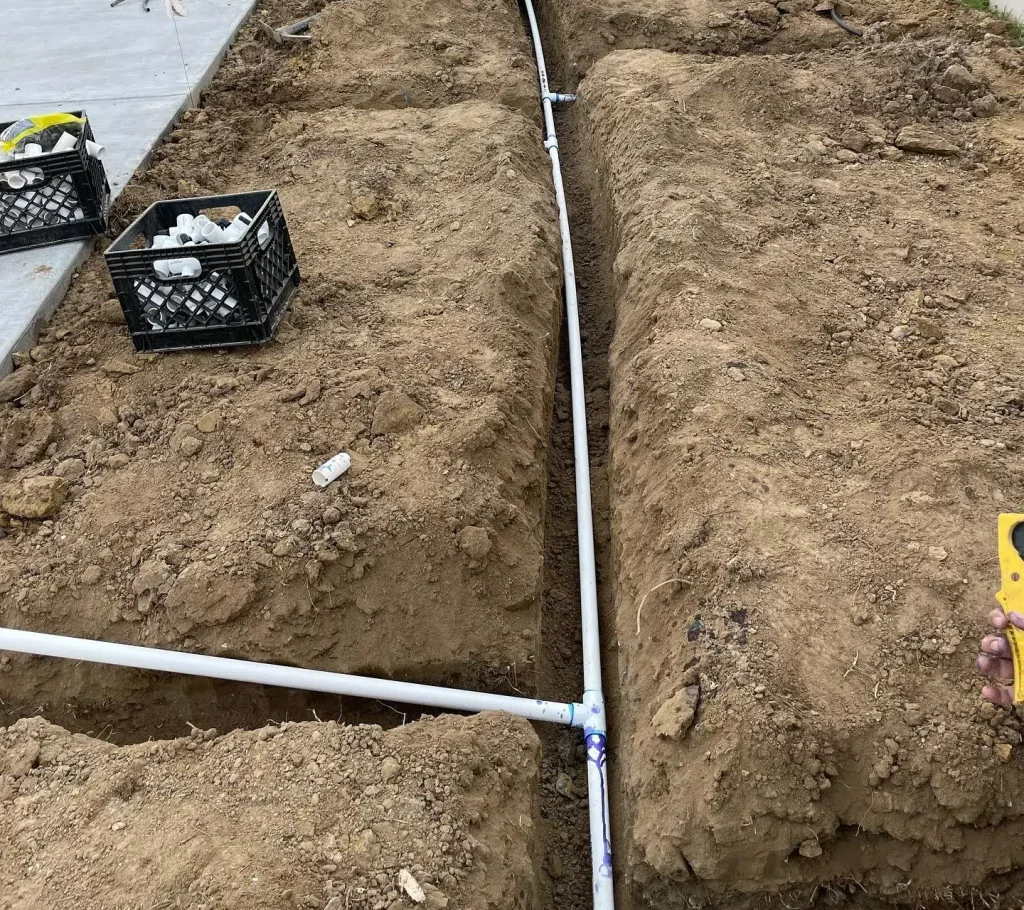
Choosing the right drainage system depends on the specific problem you’re facing, whether it’s surface water, subsurface saturation, or a combination of both. Each solution serves a different purpose.
| Drainage System | Primary Use | How It Works | Key Consideration |
|---|---|---|---|
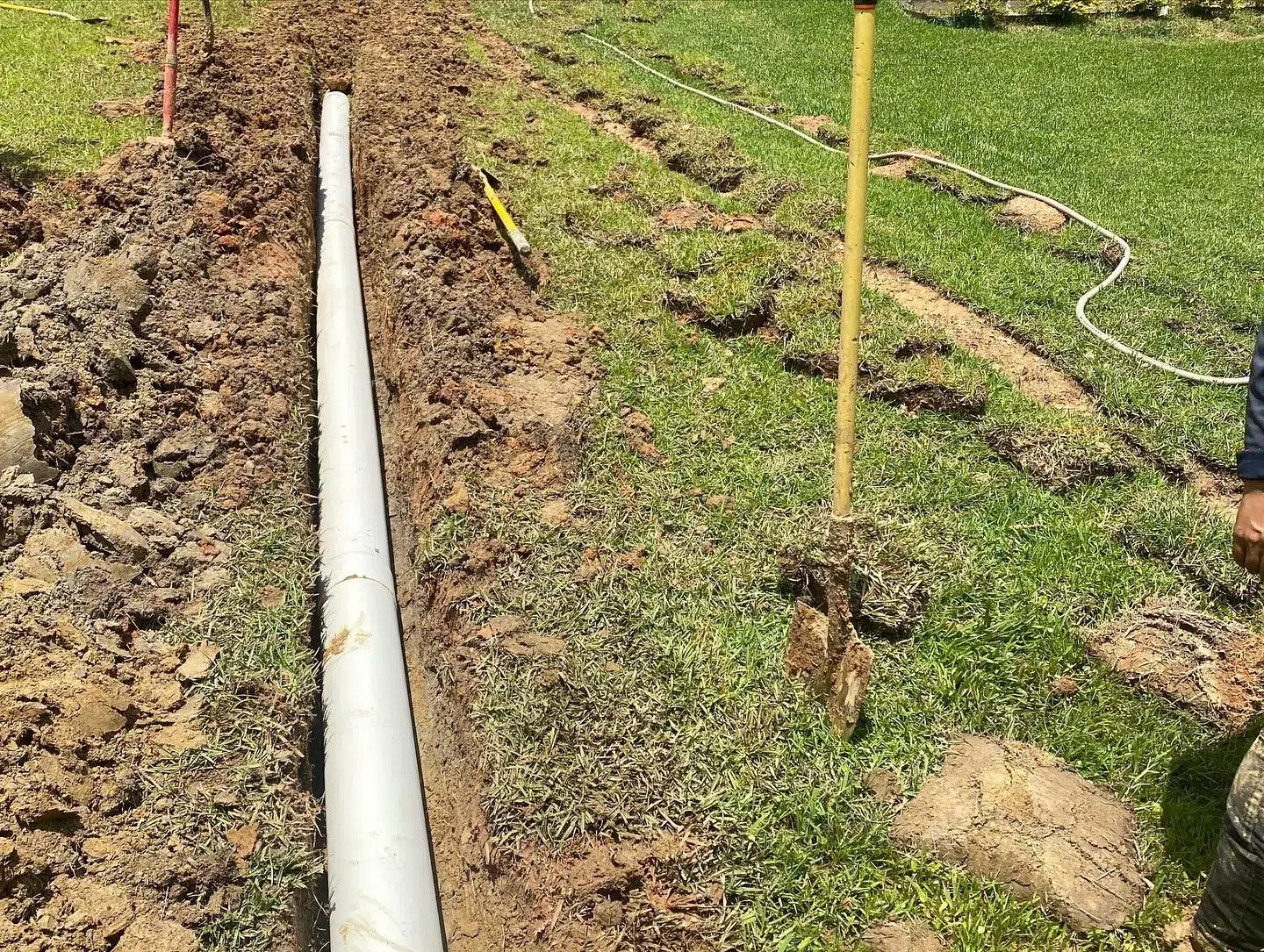
| French Drain | Manages subsurface water that saturates the ground. | A perforated pipe is placed in a gravel-filled trench to collect and redirect groundwater. | Best for soggy lawns and preventing water from reaching a foundation. |
| Catch Basin | Captures surface water runoff in low-lying areas. | A grated inlet box collects water and funnels it into an underground drainpipe. | Ideal for patios, driveways, and other areas where water pools quickly. |
| Swale | Redirects surface water flow across a wide area. | A shallow, gently sloped channel, often planted with grass, directs water slowly. | A natural-looking and effective solution for managing runoff on sloped properties. |
Things to Consider Before Installing a Drainage System
Before committing to a specific solution, it’s important to evaluate several factors to ensure the system will be effective and compliant with local rules.
- Property Grade and Slope: The natural topography of your land is the biggest factor in determining where water will go. A professional assessment can determine if re-grading is needed in addition to installing a drainage system.
- Soil Composition: Different soil types drain at different rates. Heavy clay soil, common in many areas, retains water and often requires more extensive drainage solutions than sandy, well-draining soil.
- Water Outlet Location: A drainage system is only as good as its outlet. You must have a safe and legal place for the collected water to discharge, such as a street-side storm drain or a dry well. Discharging water onto a neighbor’s property is often prohibited.
- Local Regulations: Many municipalities have ordinances regarding stormwater management. It’s important to check local building codes to ensure your planned system is compliant, especially if it connects to a public storm sewer.
Bonus Tip: When planning your landscaping, consider how new garden beds, patios, or walkways might alter the natural flow of water. Incorporate drainage considerations into your landscape design from the beginning to prevent creating new problems.
Final Thoughts
A functional drainage system is not a luxury; it’s a fundamental part of responsible property ownership. It protects your home’s foundation, preserves your landscape, and helps maintain a healthy outdoor environment. By understanding the signs of poor drainage and the available solutions, you can take proactive steps to manage water effectively. Evaluating your property’s specific needs is the best way to develop a long-term plan that protects your investment for years to come.
Professional Drainage Assessment
Proper water management requires a keen understanding of soil types, property grading, and system design. For a comprehensive evaluation of your property’s drainage needs, contact All Seasons Landscaping & Lawn Care for a professional assessment. An expert can identify underlying issues and recommend the most effective solutions. To discuss your concerns, call (225) 276-8658 or send an email to [email protected].
Sources
- Angi – Provides data on the costs associated with repairing foundation damage, highlighting the financial impact of water issues.
- University of New Hampshire Extension – Details how landscaping practices and water runoff contribute to soil erosion and water pollution.
- U.S. Environmental Protection Agency – Offers official information on the health risks of stagnant water, specifically its role as a breeding ground for mosquitoes.
Frequently Asked Questions about Drainage
How can I tell if I have a drainage problem?
Look for telltale signs like standing water 24 hours after a rainstorm, perpetually soggy patches of grass, water stains on foundation walls, or soil erosion creating small gullies in your yard.
Can I install a drainage system myself?
While simpler solutions like a small catch basin or a short swale can be DIY projects, more complex systems like French drains often require professional installation. Proper slope and placement are critical for them to function correctly, and mistakes can make the problem worse.
How often should a drainage system be inspected?
It’s a good practice to visually inspect your drainage system’s outlets and grates twice a year, typically in the spring and fall. Clear away any leaves, debris, or sediment that could cause a blockage. A more thorough professional inspection is recommended every 3-5 years.
What is the difference between a French drain and a swale?
A French drain is a subsurface system designed to manage groundwater. It uses an underground pipe to carry water away. A swale is a surface-level solution; it’s a wide, shallow ditch that slows and redirects surface runoff, looking more like a natural part of the landscape.
Can a good drainage system increase my property value?
Yes. A property with effective, well-maintained drainage is more attractive to potential buyers. It signals that the home has been cared for and is protected from the significant risks of water damage, providing peace of mind and potentially increasing its market value.
What are the main signs of a clogged drain line?
The most obvious signs are water backing up at the drain inlet or water pooling in areas that previously drained well. You might also notice sinkholes forming along the drain line’s path, which can happen if a broken pipe is washing away the surrounding soil.
Does my landscaping plan affect my drainage needs?
Absolutely. Features like retaining walls, large patios, and raised garden beds can act as dams, blocking the natural path of water. A thoughtful landscape design works with the property’s natural slope and incorporates drainage to manage water flow effectively.

- How Does Regular Hedge Trimming Improve Your Landscape’s Overall Appearance? - October 12, 2026
- The Complete Guide to Hedge Trimming, Care, Maintenance, and Healthy Growth - October 6, 2026
- How Can Professional Drainage Services in Central, LA Protect Your Property From Water Damage? - September 11, 2026