Proper drainage is the unsung hero of a lasting and beautiful outdoor space. Its primary function is to direct water away from areas where it can cause damage, protecting the investments made in outdoor furniture, decks, patios, and building foundations. When water is allowed to stand, it saturates the ground and creates a consistently damp environment. This excess moisture accelerates the decay of wood, promotes rust on metal, encourages harmful mold growth, and can even destabilize the structural footings of decks and homes. A well-designed drainage system is not just about preventing puddles; it’s a preventative measure that preserves the integrity and lifespan of your entire outdoor living area.
This article explains the specific threats posed by uncontrolled water and outlines the drainage solutions that effectively counter them. The information is based on years of hands-on experience designing and installing landscape solutions that stand the test of time. Understanding these principles is the first step toward safeguarding your property from costly, water-related damage.
The Hidden Dangers of Standing Water
Water is a powerful force, and when it doesn’t have a clear path to exit your property, it begins to break down materials and structures. The damage is often slow and subtle at first, but it can lead to significant problems over time.
For Wooden Furniture and Structures
Wood is particularly vulnerable to constant moisture. When wood’s moisture content exceeds 20%, it becomes a breeding ground for fungi that cause wood rot, according to the U.S. Department of Agriculture Forest Service. This leads to:
- Structural Weakening: Rotting compromises the strength of deck posts, fence panels, and furniture legs, making them unsafe.
- Warping and Splitting: As wood repeatedly absorbs and releases water, it swells and shrinks. This cycle causes boards to warp, cup, and split.
- Insect Infestations: Damp, decaying wood is an attractive food source and habitat for pests like termites and carpenter ants.
For Metal Furniture and Fixtures
Most metals, including treated steel and iron, will eventually corrode when exposed to persistent moisture. Rust not only looks bad but also weakens the metal. This process can be especially damaging for the screws, bolts, and nails holding structures together. Once fasteners rust, they can fail, leading to wobbly railings, unstable furniture, and collapsed sections of fencing.
For Foundations and Patios
The ground beneath your structures is just as important as the structures themselves. Poor drainage creates two major issues for foundations, whether for a house, a shed, or a patio:
- Soil Erosion: Moving water can wash away the soil that supports slabs and footings, causing them to sink, shift, or crack.
- Hydrostatic Pressure: When the ground becomes saturated, the water exerts immense pressure against foundation walls. A report from Purdue University Extension explains that this pressure can force water through tiny cracks, leading to damp basements and crawl spaces, and can even cause walls to bow or crack.
How Effective Drainage Systems Work
A functional drainage system gives water a designated escape route. The goal is to collect water from unwanted areas and channel it to a location where it can be safely absorbed into the ground or directed to a municipal storm drain.
Surface Drainage Solutions
These systems manage water that flows across the surface of the land.
- Grading: This involves carefully shaping the land to create a gentle slope, typically around 2%, away from structures. It’s the most fundamental drainage solution.
- Swales: These are wide, shallow channels with sloped sides, often covered in grass. They act like natural, subtle ditches to collect and guide runoff.
- Channel and Trench Drains: These are installed in paved surfaces like patios and driveways. They consist of a long, narrow grate that captures surface water and funnels it into an underground pipe.
Bonus Tip: Before investing in complex systems, ensure your downspouts are directing water at least 5-10 feet away from your foundation. Sometimes, a simple downspout extender is all that’s needed to solve a localized moisture problem.
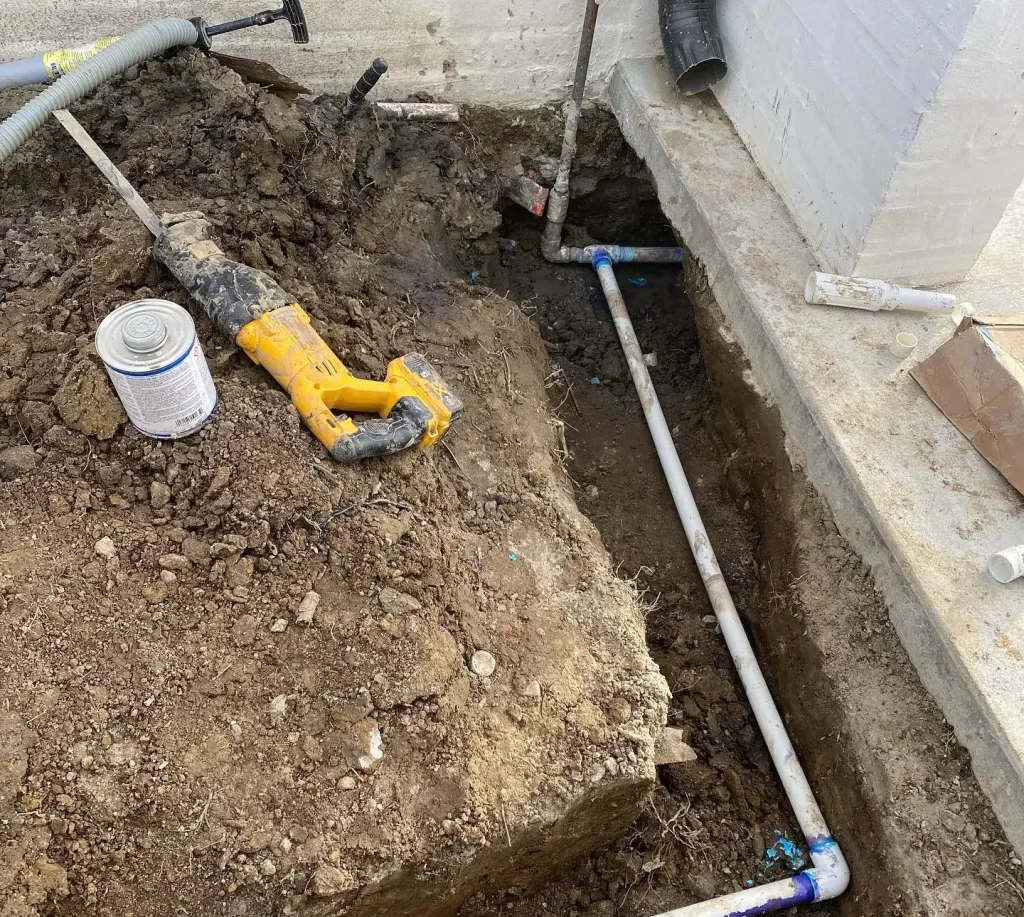
Subsurface Drainage Solutions
These systems are installed underground to manage water that soaks into the soil.
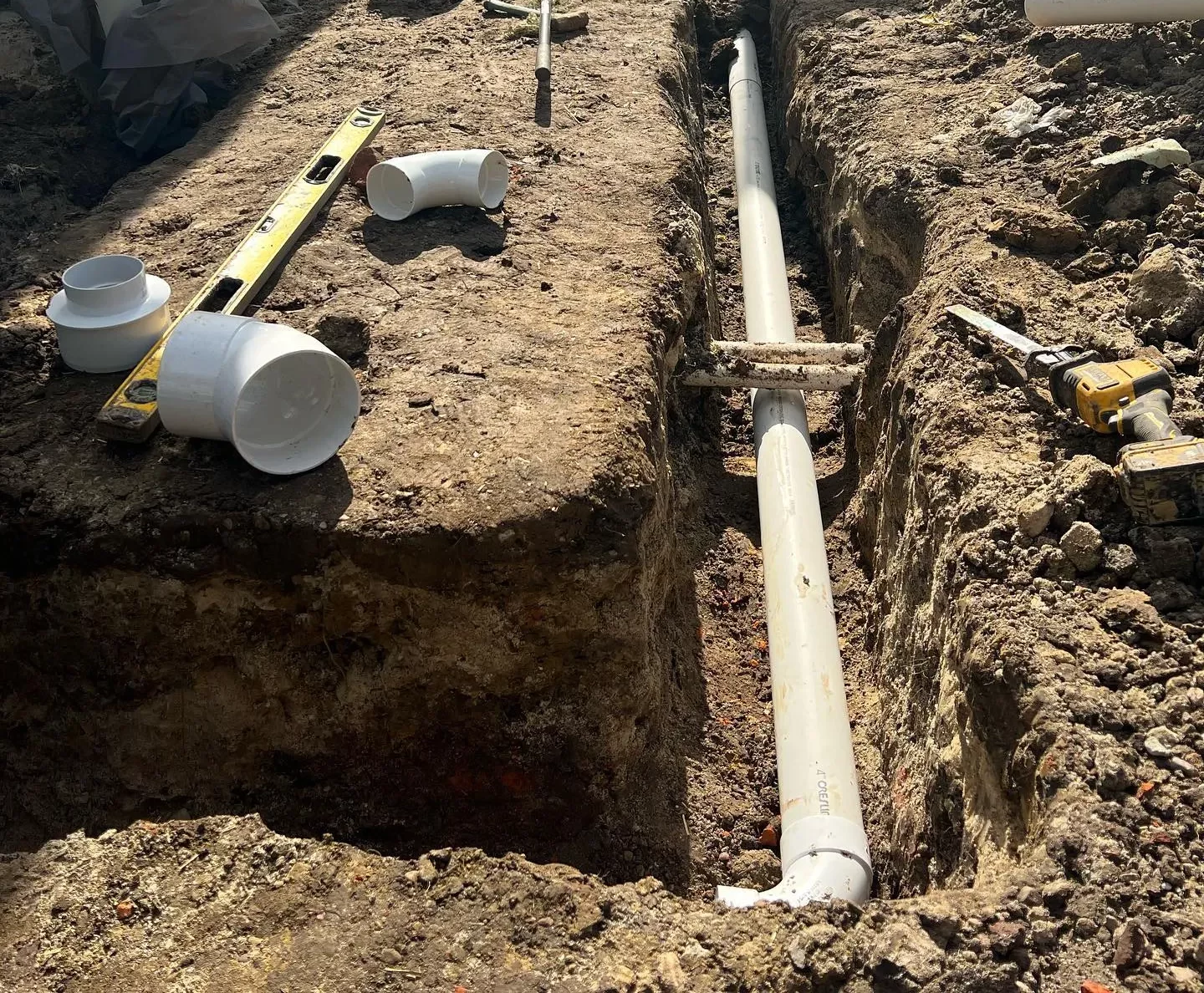
- French Drains: A French drain is a trench filled with gravel that contains a perforated pipe. It collects groundwater from saturated soil and carries it away, relieving hydrostatic pressure from retaining walls and foundations.
- Dry Wells: These are large, buried pits filled with gravel or a prefabricated chamber. They act as underground reservoirs, collecting excess water from drainpipes and allowing it to slowly seep back into the surrounding soil.
Material Vulnerability to Water Damage
Different materials react to moisture in different ways. Understanding these vulnerabilities can help you choose the right furniture and building materials for your climate and drainage situation.
| Material | Primary Risk from Moisture | Recommended Protection |
|---|---|---|
| Untreated Wood | Rot, Warping, Splitting | Regular sealing or staining; elevation from direct ground contact. |
| Pressure-Treated Wood | Can still warp; fasteners can rust. | Use stainless steel or galvanized fasteners; apply water repellent. |
| Wrought Iron | Rust, Corrosion | Keep paint or powder coating intact; sand and repaint rust spots. |
| Aluminum | Oxidation (white, chalky powder) | Regular cleaning; application of a protective wax coating. |
| Concrete/Pavers | Cracking (from freeze-thaw), Staining, Moss Growth | Proper sealing; ensure a stable, well-draining base. |
Things to Consider Before Implementing a Drainage Solution
Planning a drainage system requires careful thought about your property’s specific characteristics.
- Soil Composition: Clay soils drain very slowly, while sandy soils drain quickly. Your soil type will influence which drainage solution is most effective.
- Property Slope: A visual inspection can help, but a landscape professional can use tools to accurately measure the grade of your yard and identify the natural path of water.
- Rainfall Patterns: The amount and intensity of rainfall in your region determine the capacity your system needs. A system in a dry climate will be very different from one in an area with frequent, heavy downpours. Data from the National Centers for Environmental Information can show long-term precipitation trends for your area.
- Local Ordinances: Many municipalities have regulations about where you can direct runoff water. It’s often illegal to channel your water onto a neighbor’s property or directly into a sanitary sewer.
- Long-Term Upkeep: Some systems, like French drains, are largely maintenance-free, while others, like catch basins, need to be cleaned out periodically to prevent clogs.
Bonus Tip: You can perform a simple soil percolation test. Dig a hole about one foot deep, fill it with water, and let it drain completely. Refill it and measure how quickly the water level drops. A drop of less than one inch per hour indicates poor drainage.
Taking the Next Step
Protecting your outdoor furniture and structures from water damage is a matter of proactive water management. By understanding the risks of poor drainage and the solutions available, you can preserve the safety, beauty, and value of your property. Assess your landscape after the next rain, look for the warning signs, and consider the long-term benefits of a dry, stable outdoor environment.
Get a Professional Assessment
If you suspect your property has drainage issues or you’re planning a new landscaping project, a professional evaluation is the best course of action. The team at All Seasons Landscaping & Lawn Care has the experience to diagnose complex water problems and design effective, lasting solutions. For a comprehensive consultation, contact the office at (225) 276-8658 or send an email to [email protected] to discuss your property’s specific needs.
Sources
- U.S. Department of Agriculture Forest Service – A technical publication detailing the conditions under which wood decay fungi develop, specifying the moisture content threshold.
- Purdue University Extension – An educational resource explaining the causes of wet basements, including the mechanics of hydrostatic pressure on foundation walls.
- National Centers for Environmental Information – A government database providing historical climate and precipitation data for the United States, useful for understanding regional rainfall patterns.
Frequently Asked Questions About Drainage
How can I tell if I have a drainage problem?
Look for obvious signs like standing water 24 hours after rain, perpetually soggy ground, moss growing on patios, or water stains on your foundation wall.
Are drainage systems expensive to install?
Costs vary widely. A simple grading project or downspout extension is affordable. A comprehensive French drain system for an entire property is a more significant investment, but can prevent much more expensive foundation repairs down the road.
Can I install a drainage system myself?
Simple solutions like burying a downspout extender or digging a small swale can be DIY projects. More complex systems like French drains or extensive grading require professional expertise and equipment to ensure they function correctly and don’t create new problems.
How often should a drainage system be inspected?
It’s a good practice to inspect your drainage system annually, ideally in the spring, to clear any accumulated debris. Also, check it after any unusually heavy storm to ensure it handles the water flow as expected.
Will a drainage system affect my existing plants?
Properly planned systems can be installed with minimal disruption to established landscaping. In fact, many plants will be healthier once they are no longer sitting in waterlogged soil. A professional can design a route that avoids major root systems.
What is the difference between a swale and a French drain?
A swale is a surface solution that manages visible runoff using a shallow, grassy channel. A French drain is a subsurface solution that collects water that has already soaked into the ground through an underground pipe.
Can poor drainage lower my property value?
Absolutely. Evidence of water problems, like foundation cracks or a constantly wet yard, can be a major deterrent for potential homebuyers and may lead to a lower appraisal value.

- How Does Regular Hedge Trimming Improve Your Landscape’s Overall Appearance? - October 12, 2026
- The Complete Guide to Hedge Trimming, Care, Maintenance, and Healthy Growth - October 6, 2026
- How Can Professional Drainage Services in Central, LA Protect Your Property From Water Damage? - September 11, 2026