You step outside on a hot summer morning, coffee in hand, only to notice your lawn looks more brown than green. The prize-winning roses you planted last spring are wilting, and your vegetable garden is producing sad, undersized tomatoes. You’ve been watering, but something isn’t working. This scenario plays out on countless properties every day, and it usually points to one fundamental issue: a lack of understanding about how your irrigation system actually works.
Your irrigation system is the unsung hero of your property’s health and beauty. When functioning correctly, it maintains your landscape’s vitality while conserving water and saving you money. When neglected or misunderstood, it becomes a source of frustration, wasted resources, and expensive repairs. This guide will transform you from a passive system owner into an informed manager who can optimize water delivery, identify problems early, and make confident decisions about maintenance and upgrades.
The Foundation: What Is an Irrigation System and Why Do You Need One?
An irrigation system is essentially a network designed to deliver water to your landscape in a controlled, efficient manner. At its simplest, it’s about getting the right amount of water to the right plants at the right time. But modern systems have evolved far beyond the basic garden hose and sprinkler approach.
The primary purpose of irrigation is to supplement natural rainfall, ensuring your plants receive consistent moisture regardless of weather patterns. This consistency is crucial because most plants don’t handle drought stress well, and they certainly don’t appreciate alternating between bone-dry and waterlogged conditions. According to the Environmental Protection Agency, the average American household uses approximately 320 gallons of water per day, with about 30% devoted to outdoor uses. In warmer climates, this percentage can reach 60% or more, making efficient irrigation not just a convenience but an environmental responsibility.
The benefits of a properly functioning system extend beyond just keeping plants alive. Efficient watering reduces weed growth (many weeds thrive in overwatered conditions), prevents soil erosion, protects your investment in landscaping, and can even increase your property value. A study by the National Association of Realtors found that landscape improvements, including irrigation systems, can add 5% to 15% to a home’s value.
The environmental angle deserves special attention. Water conservation has become increasingly critical as many regions face water shortages and restrictions. Smart irrigation technology can reduce water usage by up to 50% compared to traditional methods, according to research from the Alliance for Water Efficiency. This isn’t just about saving money – it’s about being a responsible steward of a limited natural resource.
Core Components of Your Irrigation System
Understanding your irrigation system starts with knowing its parts. Each component plays a specific role in delivering water efficiently throughout your property. Let’s break down the essential elements you’ll find in most residential systems.
Water Source and Connection
Every irrigation system needs water, typically supplied through your home’s main water line. The connection point usually involves a backflow prevention device – a critical safety feature that prevents contaminated irrigation water from flowing back into your home’s drinking water supply. Local codes often require specific types of backflow preventers, and they need annual testing by a certified professional.
Controller or Timer
The controller is the brain of your system, telling each zone when to water and for how long. Modern controllers range from basic mechanical timers to sophisticated smart devices that adjust watering based on weather forecasts, soil moisture, and plant needs. According to the Irrigation Association, upgrading to a smart controller can save the average homeowner over 8,000 gallons of water annually.
Expert Tip: Install your controller in an easily accessible location, preferably protected from weather. If you have a smart controller, ensure it’s within range of your home’s WiFi signal for reliable connectivity.
Valves and Valve Boxes
Valves are the mechanical workhorses that open and close to direct water to different zones. Most residential systems use electric solenoid valves controlled by the main controller. These valves are typically housed in underground valve boxes, which protect them from damage while providing access for maintenance. A single valve box might contain several valves, each serving a different irrigation zone.
Pipes and Fittings
The pipe network carries water from the valves to the sprinkler heads or emitters. Most modern systems use flexible polyethylene (poly) pipe for residential installations because it’s durable, flexible, and relatively easy to work with. The pipe size varies based on water pressure and flow requirements, with larger pipes needed to supply water to multiple zones simultaneously.
Sprinkler Heads and Emitters
These are the delivery points where water actually reaches your plants. Sprinkler heads come in various types designed for different applications:
- Spray heads: Best for small, irregular areas
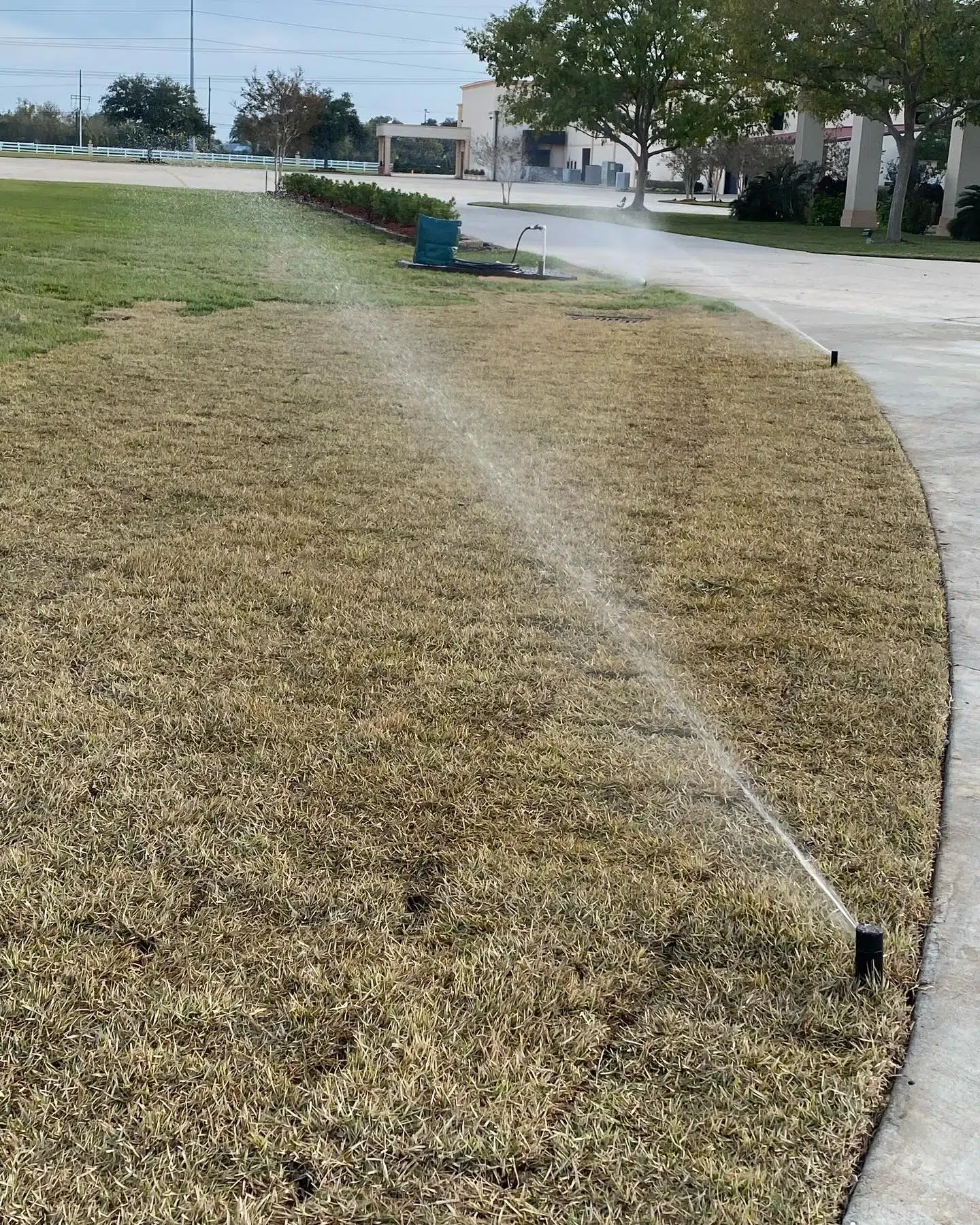
- Rotor heads: Ideal for large, rectangular areas
- Pop-up heads: Retract when not in use for safety and aesthetics
- Drip emitters: Deliver water directly to plant roots with maximum efficiency
Sensors and Smart Technology
Modern irrigation systems increasingly incorporate various sensors that optimize watering:
- Rain sensors: Prevent watering during or after rainfall
- Soil moisture sensors: Measure actual soil moisture levels
- Freeze sensors: Shut down the system when temperatures drop near freezing
- Weather-based controllers: Use local weather data to adjust watering schedules
| Component | Primary Function | Maintenance Frequency |
|---|---|---|
| Controller | Programs watering schedules | Check monthly, update seasonally |
| Valves | Direct water to zones | Inspect annually, replace every 10-15 years |
| Pipes | Transport water throughout system | Check for leaks annually |
| Sprinkler heads | Distribute water to landscape | Clean filters seasonally, adjust as needed |
| Sensors | Optimize watering based on conditions | Test batteries monthly, clean quarterly |
Types of Irrigation Systems: Choosing the Right Approach
Not all irrigation systems are created equal, and the best choice depends on your property’s specific needs, climate, soil type, and plant varieties. Understanding the different approaches will help you work with your existing system more effectively and make informed decisions about potential upgrades.
Sprinkler Systems
Traditional sprinkler systems remain the most common choice for residential properties, particularly for lawns. They distribute water through overhead spray, mimicking natural rainfall. There are two main categories:
Rotor Sprinklers use a rotating stream or multiple streams to cover large areas, typically 15-50 feet in radius. They’re most efficient for rectangular spaces and deliver water at a slower rate, which allows for better soil absorption and reduces runoff.
Spray Sprinklers produce a fan-shaped pattern of small droplets, covering smaller areas (typically 5-15 feet in radius). They work well for irregularly shaped spaces and deliver water quickly, though this can sometimes lead to runoff if soil can’t absorb water fast enough.
Drip Irrigation
Drip systems deliver water directly to plant roots through a network of tubes and emitters. This approach is remarkably efficient, with water loss rates as low as 5% compared to 50% or more for traditional sprinklers. According to research from the University of California Cooperative Extension, properly designed drip systems can reduce water usage by 30-50% compared to sprinkler systems.
Drip irrigation works particularly well for:
- Garden beds and vegetable gardens
- Foundation plantings
- Individual trees and shrubs
- Areas with wind that affects sprinkler patterns
- Properties on steep slopes where sprinkler runoff is a problem
Soaker Hoses
Soaker hoses are porous hoses that weep water along their entire length. They’re simpler and less expensive than full drip systems but also less precise. They work well for long, narrow garden beds and foundation plantings where detailed control isn’t necessary.
Combination Systems
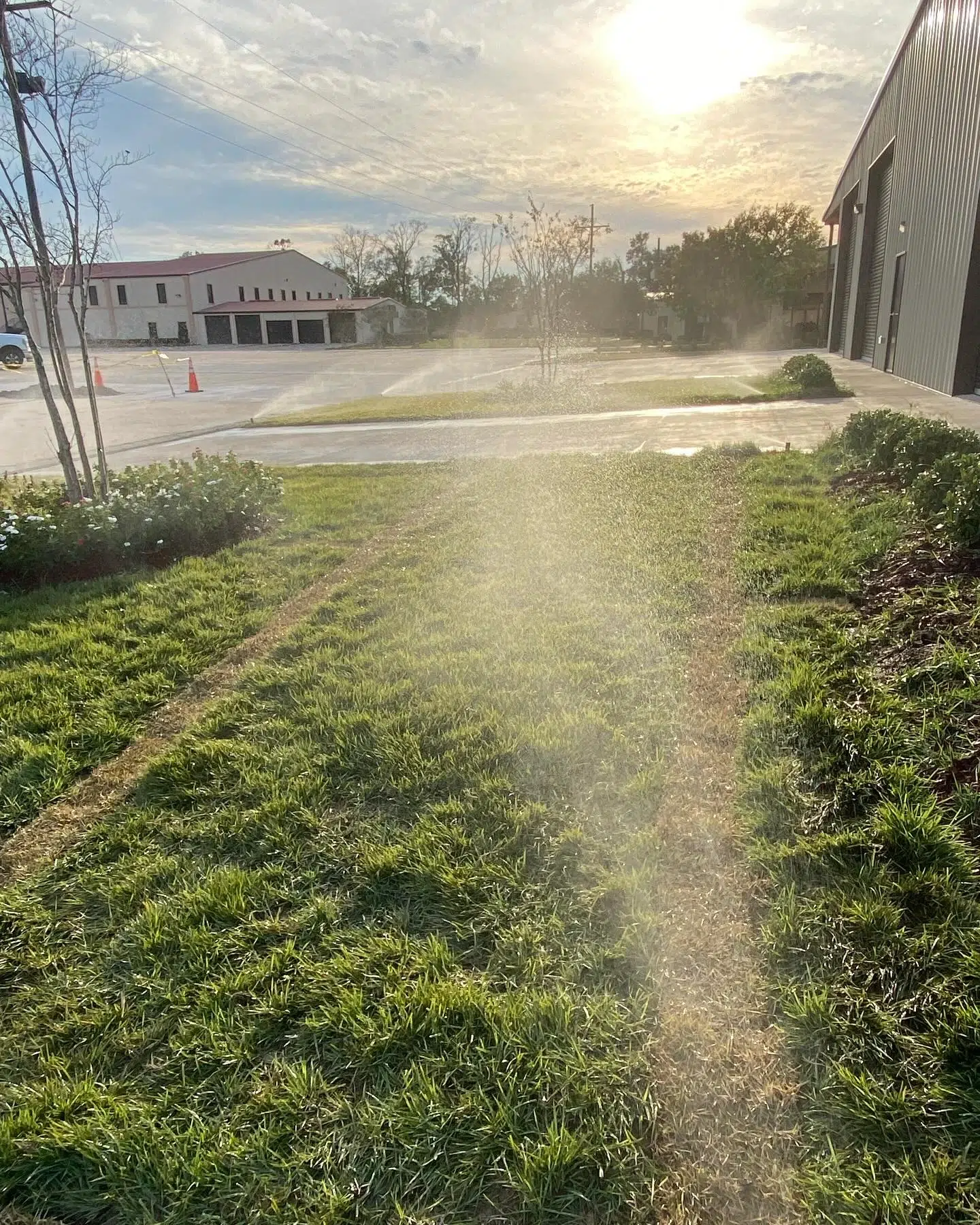
Many properties benefit from combining different irrigation types – using sprinklers for lawns and drip systems for garden beds. This hybrid approach provides the right watering method for each plant type while maximizing overall water efficiency.
Key Takeaways: Understanding System Types
- No single irrigation type works best for every situation
- Sprinkler systems excel at covering large, uniform areas like lawns
- Drip irrigation provides superior efficiency for garden beds and individual plants
- Combination systems often deliver the best results for diverse landscapes
- Climate and soil type significantly influence which system will perform best
System Design and Zone Planning
The effectiveness of your irrigation system depends heavily on its design and how it’s divided into zones. Proper zoning ensures different areas receive appropriate watering based on their specific needs. Understanding these principles helps you identify problems and work more effectively with irrigation professionals.
The Science of Hydrozoning
Hydrozoning is the practice of grouping plants with similar water requirements together in the same irrigation zone. This fundamental concept prevents overwatering drought-tolerant plants or underwatering thirsty ones. A well-zoned system might have separate areas for:
- Lawn zones (high water needs)
- Flower and vegetable beds (moderate, consistent water)
- Foundation plantings (moderate water)
- Drought-tolerant native plantings (low water)
- Shaded areas (less frequent watering)
Expert Tip: When planting new beds, group plants by water needs rather than just appearance. This simple planning step can reduce water usage by 20-30% by preventing overwatering of drought-tolerant species.
Pressure and Flow Considerations
Every irrigation system must be designed to work within your property’s available water pressure and flow rate. Pressure is measured in pounds per square inch (PSI), while flow is measured in gallons per minute (GPM). Most residential water systems provide 40-60 PSI, but this can vary significantly.
If pressure is too low, sprinkler heads won’t provide adequate coverage, creating dry spots. If it’s too high, you’ll get excessive misting, which wastes water and can damage your system. This is why many systems include pressure regulators to maintain optimal conditions.
Calculating Precipitation Rates
The precipitation rate is how quickly your system delivers water to the landscape, typically measured in inches per hour. Different sprinkler types deliver water at different rates, and this must match your soil’s absorption capacity. Clay soils, for instance, absorb water slowly and require systems with lower precipitation rates to prevent runoff. Sandy soils can handle faster application rates.
Here’s a general guideline for matching precipitation rates to soil types:
- Sandy soils: 0.75-1.5 inches per hour
- Loamy soils: 0.5-1.0 inches per hour
- Clay soils: 0.25-0.5 inches per hour
Understanding these concepts helps you recognize when your system isn’t performing optimally. If you see significant runoff during watering cycles, you may be applying water faster than your soil can absorb it.
Installation Process and Best Practices
While many property owners hire professionals for irrigation installation, understanding the process helps you maintain your system effectively and recognize quality work. Proper installation is the foundation of a system that will serve you well for years to come.
Planning and Layout
The installation process begins with careful planning that considers:
- Water pressure and flow measurements
- Soil type and sun exposure patterns
- Plant types and their water requirements
- Property slope and drainage patterns
- Local water restrictions and codes
- Future landscaping plans
Professionals typically create a scaled drawing showing the location of all components, pipe routes, and zone configurations. This plan becomes the blueprint for the entire installation.
Pipe Installation and Trenching
The pipe network needs to be buried at the correct depth – typically 6-12 inches for main lines and 8-12 inches for lateral lines, though this varies by climate. In colder regions, pipes may need to be buried below the frost line to prevent winter damage. The trenching process requires care to avoid damaging existing underground utilities.
Valve Box Placement
Strategic valve box placement is crucial for long-term maintenance accessibility. Valves should be positioned where they’re easy to reach but won’t interfere with lawn maintenance or create trip hazards. Multiple valve boxes are often better than trying to cram too many valves into a single location.
Head-to-Coverage Design
Proper sprinkler head placement follows the “head-to-coverage” principle, meaning each sprinkler should spray water all the way to the next sprinkler head. This creates overlapping patterns that eliminate dry spots. Professionals use specialized tools to measure precipitation rates and ensure uniform coverage across each zone.
Electrical Connections
The system’s electrical components must be properly connected and grounded, with all connections waterproofed to prevent corrosion and short circuits. This work requires attention to detail and adherence to local electrical codes.
Expert Tip: Before any major landscaping project, photograph and document your irrigation system’s layout. This reference proves invaluable when future work requires digging or modifications.
Maintenance and Seasonal Care
Your irrigation system needs regular attention to perform at its best. Neglected systems waste water, damage plants, and develop costly problems. Establishing a maintenance routine prevents issues before they become emergencies.
Weekly and Monthly Checks
Basic maintenance shouldn’t take more than a few minutes each week:
- Run through each zone briefly to check for obvious problems
- Look for broken or misaligned sprinkler heads
- Check for wet spots that might indicate underground leaks
- Ensure sprinkler patterns aren’t watering sidewalks or driveways
- Clear any debris around sprinkler heads
Seasonal Maintenance Tasks
Different seasons require different maintenance approaches:
Spring Startup includes:
- Slowly opening the main water valve to avoid pressure surges
- Running each zone to check for winter damage
- Cleaning clogged nozzles and filters
- Checking controller batteries and programs
- Adjusting heads that may have been hit by snowplows or maintenance equipment
Summer Maintenance focuses on:
- Increasing watering frequency as temperatures rise
- Monitoring for signs of over or underwatering
- Checking that plants aren’t blocking sprinkler patterns
- Adjusting timers as days grow longer
Fall Shutdown involves:
- Reducing watering frequency as temperatures cool
- Running a final check to identify any problems before winter
- Documenting any issues for spring repairs
- In cold climates, blowing out pipes with compressed air to prevent freezing damage
Common Maintenance Problems
Several issues recur frequently in irrigation systems:
- Clogged nozzles from debris or mineral buildup
- Leaking valves caused by worn diaphragms
- Misaligned heads that don’t cover intended areas
- Pipe damage from root intrusion or freezing
- Controller programming errors
Regular inspection catches these problems early when they’re relatively simple to fix.
| Season | Key Tasks | Frequency |
|---|---|---|
| Spring | System startup, head adjustment, leak detection | Annually |
| Summer | Monitor water needs, check plant interference, clean filters | Weekly-Biweekly |
| Fall | Reduce watering, final system check, document issues | Monthly |
| Winter | Blowout system (cold climates), protect above-ground components | Annually |
Smart Irrigation Technology and Water Conservation
Modern irrigation technology has transformed how we water our properties, moving from simple timers to intelligent systems that respond to real-time conditions. These advances offer both convenience and significant water savings.
Weather-Based Controllers
Smart controllers use local weather data to automatically adjust watering schedules based on factors like rainfall, temperature, humidity, and wind speed. Research from the Water Research Foundation shows these devices can reduce outdoor water use by 20-40% compared to traditional controllers.
Many smart controllers connect to your home WiFi network, allowing you to monitor and control your system from a smartphone app. This means you can:
- Skip watering when rain is predicted
- Extend watering during heat waves
- Receive alerts about potential system problems
- Track water usage over time
Soil Moisture Sensors
While weather-based controllers make educated guesses about plant water needs, soil moisture sensors measure actual conditions at root level. These devices, buried in representative areas of your landscape, communicate with the controller to prevent watering when soil is already sufficiently moist.
The most sophisticated systems use both weather data and soil moisture readings, creating a comprehensive approach to water management that maximizes conservation while maintaining plant health.
High-Efficiency Nozzles
New sprinkler nozzle designs deliver water more efficiently than older models. Pressure-regulating spray nozzles maintain consistent performance regardless of pressure variations, while rotary nozzles apply water more slowly and uniformly than traditional spray heads. According to the Irrigation Association, upgrading to high-efficiency nozzles can reduce water use by up to 30%.
Flow Meters and Leak Detection
Advanced systems include flow meters that monitor how much water each zone uses. This data helps identify problems like broken heads or underground leaks that might otherwise go unnoticed for weeks. Some systems can automatically shut down a zone if water usage exceeds preset parameters, preventing catastrophic waste.
Expert Tip: If you’re not ready to upgrade your entire system, consider starting with a smart controller. This single change often provides the biggest return on investment in water savings without the expense of replacing your entire system.
Troubleshooting Common Problems
Even well-maintained irrigation systems occasionally develop problems. Knowing how to diagnose and address common issues saves time, money, and prevents landscape damage. Let’s work through the most frequent problems and their solutions.
Dry Spots and Uneven Coverage
If you notice areas of your lawn that consistently look dry while others are healthy, several factors might be at play:
- Clogged nozzles: Debris or mineral buildup can block water flow. Solution: Clean or replace the nozzle.
- Incorrect pressure: Too much pressure causes misting; too little results in poor coverage. Solution: Install or adjust pressure regulators.
- Misaligned heads: Heads that have been knocked out of position won’t water their intended areas. Solution: Realign and secure the head properly.
- Insufficient overlap: If sprinklers don’t reach each other, coverage gaps develop. Solution: Adjust spray patterns or add additional heads.
Oversaturated Areas and Pooling Water
Water that doesn’t absorb into the soil creates puddles and can lead to root rot and fungal diseases:
- Compacted soil: Water can’t penetrate dense soil. Solution: Aerate the lawn and amend soil with organic matter.
- Broken pipes or fittings: Underground leaks continuously release water. Solution: Locate and repair the damaged section.
- Stuck valves: A valve that won’t close properly continues watering. Solution: Clean or replace the valve solenoid or diaphragm.
- Incorrect precipitation rate: Water application exceeds soil absorption capacity. Solution: Break watering into shorter cycles with soaking time between.
System Won’t Turn On
When nothing happens when the controller activates a zone:
- Power issues: Check that the controller has power and the breaker hasn’t tripped.
- Master valve problem: If your system has a master valve, ensure it’s functioning.
- Controller programming: Verify the correct time, day, and program settings.
- Valve solenoid failure: The electrical component that opens the valve may have failed.
Excessive Water Bills
If your water bill suddenly increases without explanation:
- Hidden leaks: Underground leaks can go undetected for long periods. Look for unusually green or wet areas.
- Controller malfunction: Systems that stick in the “on” position can waste enormous amounts of water.
- Stuck valves: Valves that don’t close properly continuously release water.
- Incorrect programming: Someone may have accidentally increased watering durations or frequency.
Key Takeaways: Troubleshooting Approach
- Start with the simplest explanation before moving to complex issues
- Check one zone at a time to isolate problems
- Keep basic replacement parts on hand: solenoids, diaphragms, nozzles, and filters
- Document your system’s normal behavior so you quickly recognize when something’s wrong
- When in doubt, consult a professional rather than risking further damage
Working with Irrigation Professionals
While many system maintenance tasks are manageable for property owners, some situations require professional expertise. Knowing when to call for help and how to work effectively with irrigation specialists saves money and ensures quality results.
When to Hire a Professional
Certain situations definitely warrant professional intervention:
- System design and major installation projects
- Backflow prevention device testing (often required by law)
- Diagnosis of complex electrical problems
- Major pipe repair or replacement
- Upgrading to smart technology
- Addressing recurring problems you can’t solve
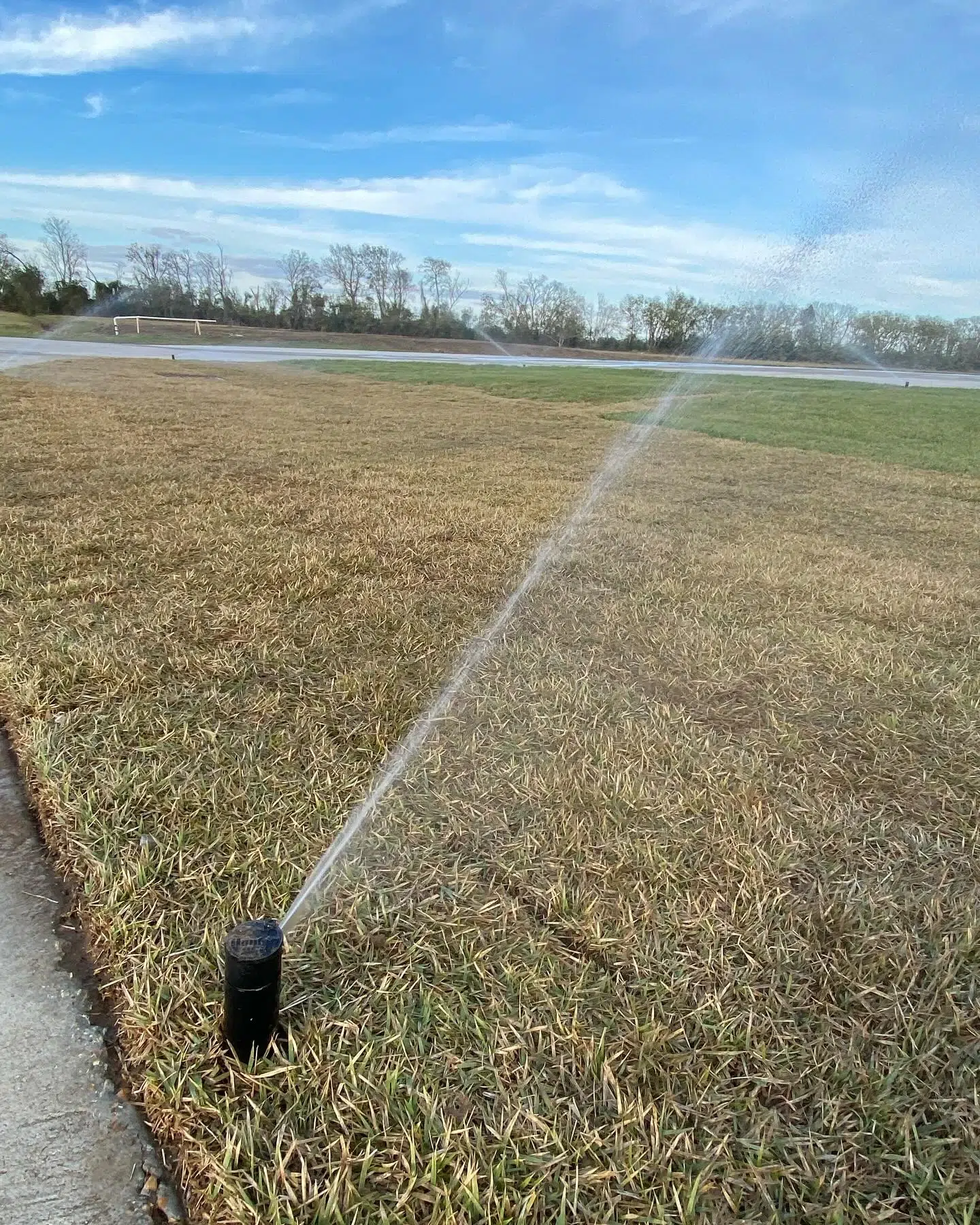
Professional irrigation contractors have specialized equipment for tasks like pipe location, pressure testing, and system analysis that most property owners don’t own.
Choosing the Right Contractor
Not all irrigation companies offer the same level of service. Look for:
- Proper licensing and insurance
- Certified irrigation technicians (various certifications exist)
- Good references and reviews from previous customers
- Detailed written estimates
- Experience with systems similar to yours
- Willingness to explain problems and solutions clearly
Expert Tip: Ask potential contractors about their approach to water conservation. Professionals who prioritize efficiency and modern technology often deliver better long-term results than those who simply replace parts.
Working Effectively with Technicians
Get the most from professional service by:
- Being specific about problems you’ve observed
- Sharing your maintenance history
- Asking questions while they’re on-site so they can show you exactly what they’re doing
- Requesting recommendations for preventing future problems
- Getting written documentation of what was done and what might need attention in the future
A good relationship with a reliable irrigation professional becomes invaluable as your system ages and technology evolves.
Future Trends in Irrigation Technology
The irrigation industry continues to evolve rapidly, with new developments promising even greater efficiency and convenience. Understanding emerging trends helps you plan for future upgrades and make informed decisions about system improvements.
Artificial Intelligence and Machine Learning
The next generation of smart controllers will incorporate AI to learn your landscape’s specific needs over time. These systems analyze multiple data points soil type, plant species, sun exposure, slope, and drainage to create highly customized watering programs. They’ll recognize patterns that escape even attentive property owners, adjusting for subtle factors like the microclimate created by a new patio or the changing water needs of mature plants.
Advanced Sensor Networks
Wireless sensor networks are becoming more affordable and sophisticated. Future systems may deploy dozens of sensors throughout a property, creating detailed moisture maps that inform precise watering decisions. These networks can detect dry spots before plants show stress and identify areas receiving too much water.
Alternative Water Sources
As water conservation becomes increasingly critical, more systems will incorporate alternative water sources:
- Rainwater harvesting systems that store and use precipitation
- Graywater systems that recycle water from showers, sinks, and washing machines
- Atmospheric water generators that extract moisture from air in humid climates
- Recycled municipal water for larger properties
Integration with Smart Home Ecosystems
Irrigation systems are increasingly becoming part of connected home environments. Future integration may include:
- Coordination with weather stations and soil sensors from other manufacturers
- Automated adjustments based on fertilizer application schedules
- Integration with landscape lighting systems for coordinated operation
- Voice control through smart home assistants
These developments won’t eliminate the need for basic understanding and maintenance, but they’ll make irrigation systems more efficient and easier to manage.
Putting Your Irrigation Strategy into Action
You now have a comprehensive understanding of your irrigation system – from its basic components to advanced troubleshooting techniques. This knowledge transforms you from a passive observer into an active manager of one of your property’s most important systems.
The key takeaways are simple but powerful: regular maintenance prevents problems, smart technology saves water and money, and understanding how your system works helps you recognize issues before they become disasters. Your next steps should include:
- Conduct a thorough system inspection using the seasonal checklists provided
- Identify one or two improvements that would make the biggest difference in water efficiency
- Create a maintenance calendar to stay on top of routine tasks
- Document your system’s layout and components for future reference
Keep this guide as a reference as you work with your irrigation system. The knowledge you’ve gained will serve you well through every season, helping you maintain a healthy, beautiful landscape while using water responsibly and efficiently.
Need Expert Guidance?
Sometimes professional help makes the difference between frustration and success. Whether you need a complete system design, complex repairs, or want to upgrade to water-saving smart technology, the team at ALL SEASON LANDSCAPING has the expertise to keep your property looking its best. Contact us at [email protected] or call 225-276-8658 for a consultation about your specific irrigation needs. We’re here to help you achieve the healthy, beautiful landscape you deserve while maximizing water efficiency and minimizing waste.
Frequently Asked Questions About Irrigation Systems
How often should I water my lawn?
This depends on your climate, soil type, and grass variety, but a general guideline is 1-1.5 inches of water per week during growing season, delivered through 2-3 deep waterings rather than daily shallow watering. The best approach is to monitor your lawn’s condition and adjust based on weather conditions.
What time of day is best for watering?
Early morning (4-9 AM) is ideal. Water pressure is typically higher, winds are calmer, and temperatures are cooler, reducing evaporation. Evening watering can leave foliage wet overnight, promoting fungal diseases. Midday watering wastes significant water to evaporation.
How do I know if I’m watering too much?
Signs of overwatering include:
- Persistent footprints in grass that don’t spring back
- Yellowing leaves, particularly in older growth
- Excessive weed growth
- Mushy soil that doesn’t dry between waterings
- Fungus growth on soil surface
- Runoff during watering
Should I shut down my system for winter?
In regions where temperatures drop below freezing, yes. Water expands when it freezes and can burst pipes and damage valves. The system should be blown out with compressed air to remove all water. In warm climates, you can reduce watering frequency but don’t need to shut down completely.
How long do irrigation systems last?
With proper maintenance, quality components can last:
- Controllers: 8-12 years
- Valves: 10-15 years
- Pipes: 20+ years
- Sprinkler heads: 3-5 years (though individual nozzles may need more frequent replacement)
Regular maintenance significantly extends system lifespan compared to neglected systems.
Can I install an irrigation system myself?
DIY installation is possible for homeowners with strong plumbing and electrical skills, but it requires specialized knowledge of hydraulics, electrical wiring, and system design. Common DIY mistakes include improper pipe sizing, inadequate zone planning, and incorrect controller programming. Many homeowners save money initially but face higher long-term costs due to inefficiency and repairs.
Sources
- Environmental Protection Agency – WaterSense program providing water efficiency information and statistics
- Irrigation Association – Industry organization offering technical standards and water use research
- Alliance for Water Efficiency – Non-profit organization promoting water conservation through research and education

- How Does Regular Hedge Trimming Improve Your Landscape’s Overall Appearance? - October 12, 2026
- The Complete Guide to Hedge Trimming, Care, Maintenance, and Healthy Growth - October 6, 2026
- How Can Professional Drainage Services in Central, LA Protect Your Property From Water Damage? - September 11, 2026