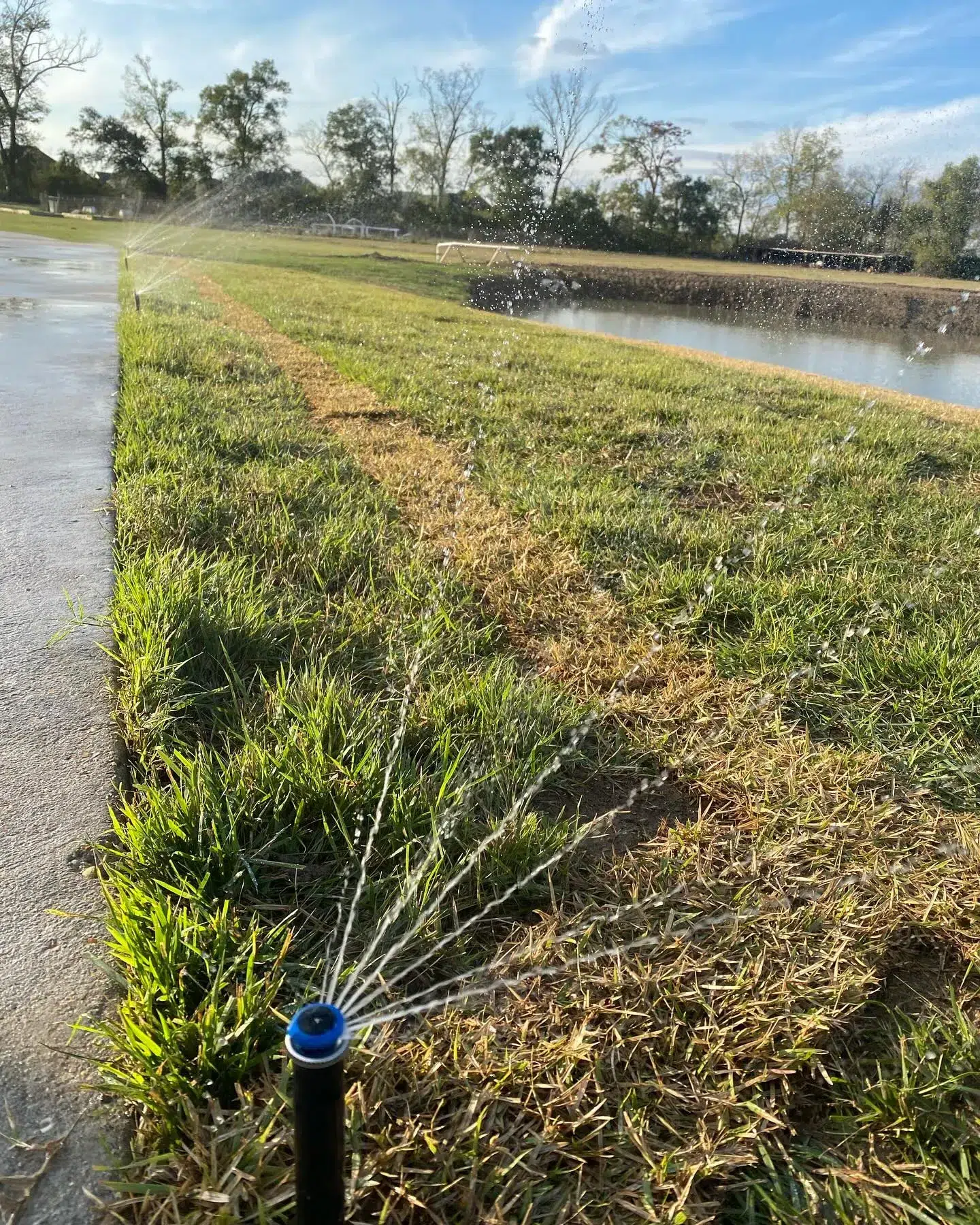
Irrigation systems improve curb appeal by automatically delivering the right amount of water at the right times, creating consistently lush green lawns and thriving plants without the daily effort of manual watering. These systems work quietly in the background to maintain landscape health through precise water distribution, preventing the brown spots, wilting plants, and uneven growth that make properties look neglected. The result is a vibrant, well-maintained appearance that boosts home value while requiring minimal ongoing attention from homeowners.
Smart irrigation technology has transformed lawn maintenance from a time-consuming chore into an automated process. Modern systems use weather data and soil moisture sensors to adjust watering schedules automatically, ensuring optimal growing conditions year-round. According to the Environmental Protection Agency’s WaterSense program, homes with professionally installed irrigation systems can maintain landscape health while using up to 30% less water than manual watering methods.
The Connection Between Water Management and Visual Appeal
Healthy landscapes start with consistent water delivery. Manual watering often leads to uneven coverage, with some areas receiving too much water while others dry out. This inconsistency creates patchy lawns and stressed plants that immediately reduce curb appeal. Irrigation systems solve this problem by providing uniform coverage across all landscape zones.
The timing of water delivery also matters more than most homeowners realize. Early morning watering minimizes evaporation and helps prevent fungal diseases that can discolor plants. Automated systems handle this timing automatically, ensuring water is delivered during optimal hours without requiring homeowners to wake up early or adjust schedules throughout the growing season Alliance for Water Efficiency.
Types of Irrigation Systems and Their Impact
Different landscape types benefit from different irrigation approaches. Understanding the options helps homeowners select systems that maximize both water efficiency and visual impact.
| System Type | Best For | Water Efficiency | Maintenance Level | Visual Impact |
|---|---|---|---|---|
| Spray Systems | Small lawns, flower beds | Medium | Low | Good for uniform coverage |
| Rotor Systems | Large lawns | High | Low | Excellent for even growth |
| Drip Irrigation | Garden beds, trees | Very High | Medium | Precise plant-by-plant health |
| Smart Systems | All landscape types | Very High | Low | Optimal year-round appearance |
Spray systems work well for smaller properties but can lose water to evaporation and wind. Rotor systems deliver water more slowly and efficiently, making them ideal for larger lawn areas. Drip irrigation provides the most targeted approach, delivering water directly to plant roots while avoiding moisture on leaves that can lead to disease.
Smart irrigation controllers integrate weather data to prevent watering before rain or during cool periods. A study by the Irrigation Association found that smart controllers can reduce water usage by 20-40% compared to conventional timer-based systems, all while maintaining or improving landscape appearance.
Regional Climate Considerations
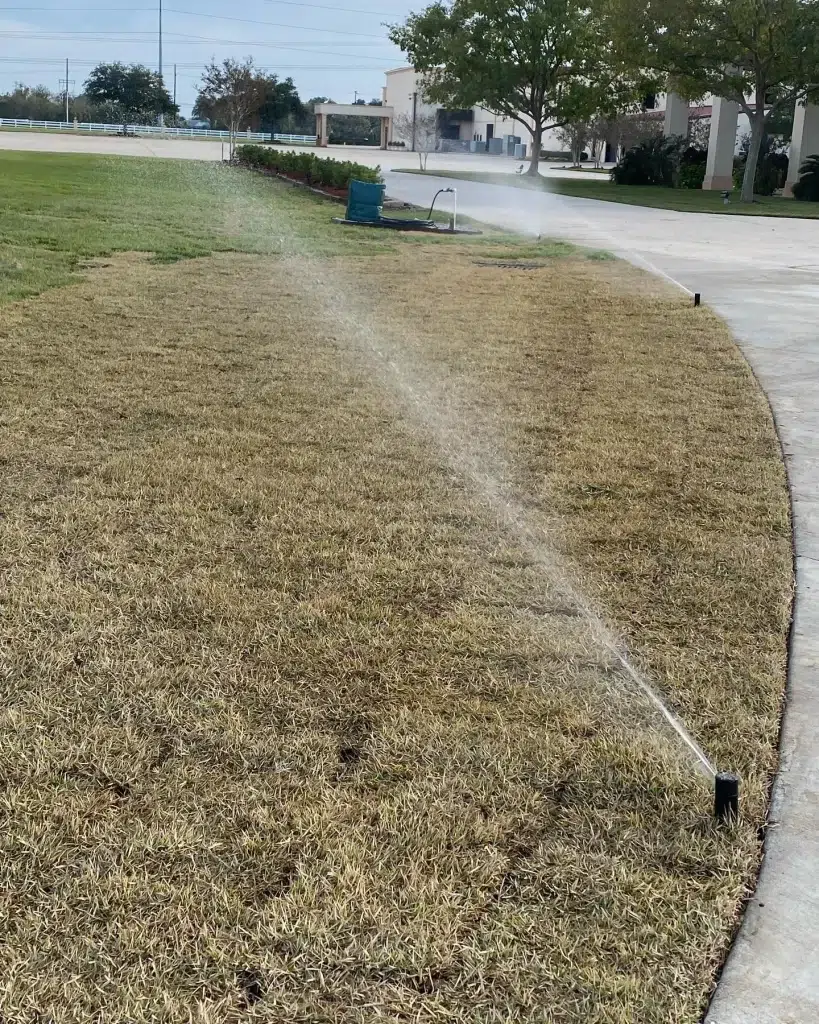
Climate plays a significant role in irrigation system performance and curb appeal results. In hot, dry regions like the Southwest, irrigation systems are essential for maintaining any green landscape. These areas benefit most from water-efficient drip systems and smart controllers that prevent waste during rare rainfall events.
In humid regions with regular rainfall, irrigation systems serve a supplementary role, providing moisture during dry spells. Here, systems with rain sensors become particularly valuable, preventing overwatering that can lead to fungal diseases and yellowing grass. ALL SEASON LANDSCAPING has found that proper seasonal adjustments in these regions make the difference between a thriving landscape and one that struggles through peak summer months.
Things to Consider Before Making a Decision
Before installing an irrigation system, homeowners should evaluate several key factors. Water pressure requirements vary significantly between system types, with some properties needing pressure regulators to prevent damage to both the system and plumbing. Soil type also influences drainage and water retention, affecting both system selection and programming.
Budget considerations extend beyond initial installation costs. While drip systems typically cost more upfront than conventional spray systems, they often pay for themselves within 3-5 years through water savings and reduced plant replacement costs. Local water restrictions and rate structures should also factor into system selection, with some municipalities offering rebates for water-efficient models.
Property layout presents another important consideration. Irregular lot shapes, slopes, and mixed-use areas (combining lawns with gardens) often require specialized zoning to ensure each area receives appropriate water amounts. Professional planning during the design phase prevents common problems like water runoff on slopes or overspray onto hardscapes and buildings.
Bonus Tips for Maximum Curb Appeal
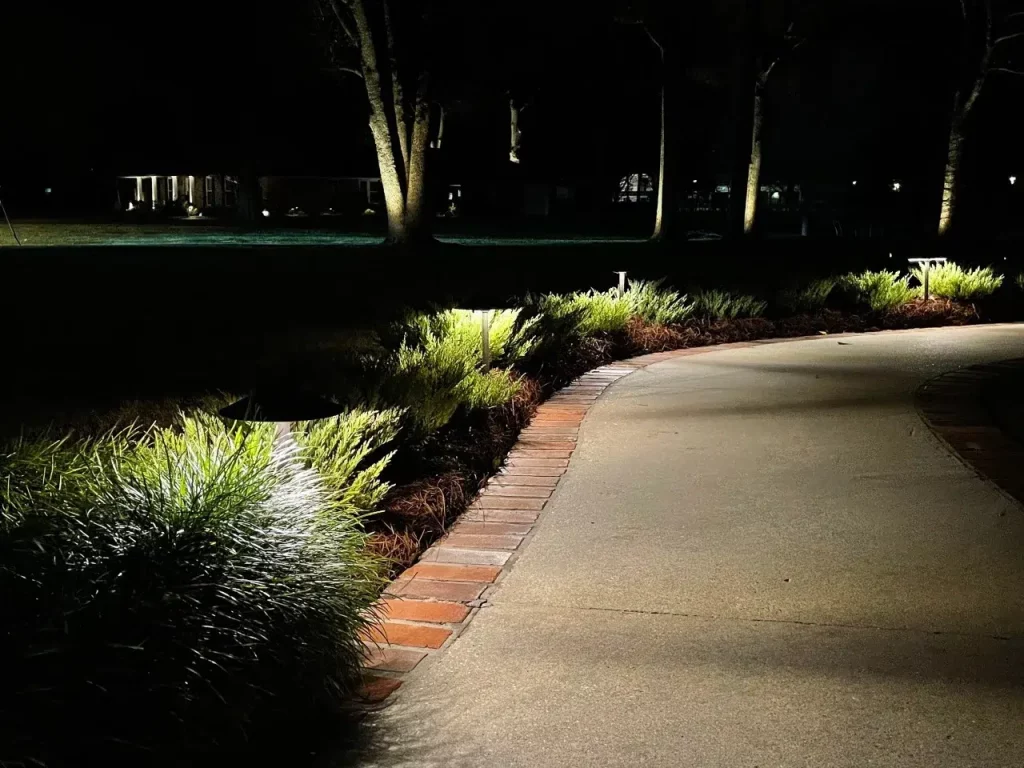
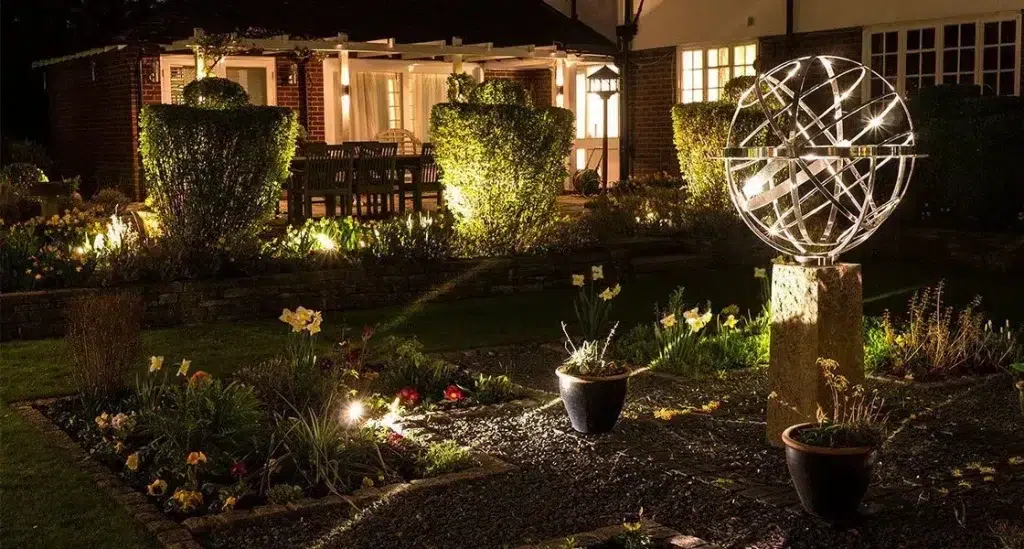
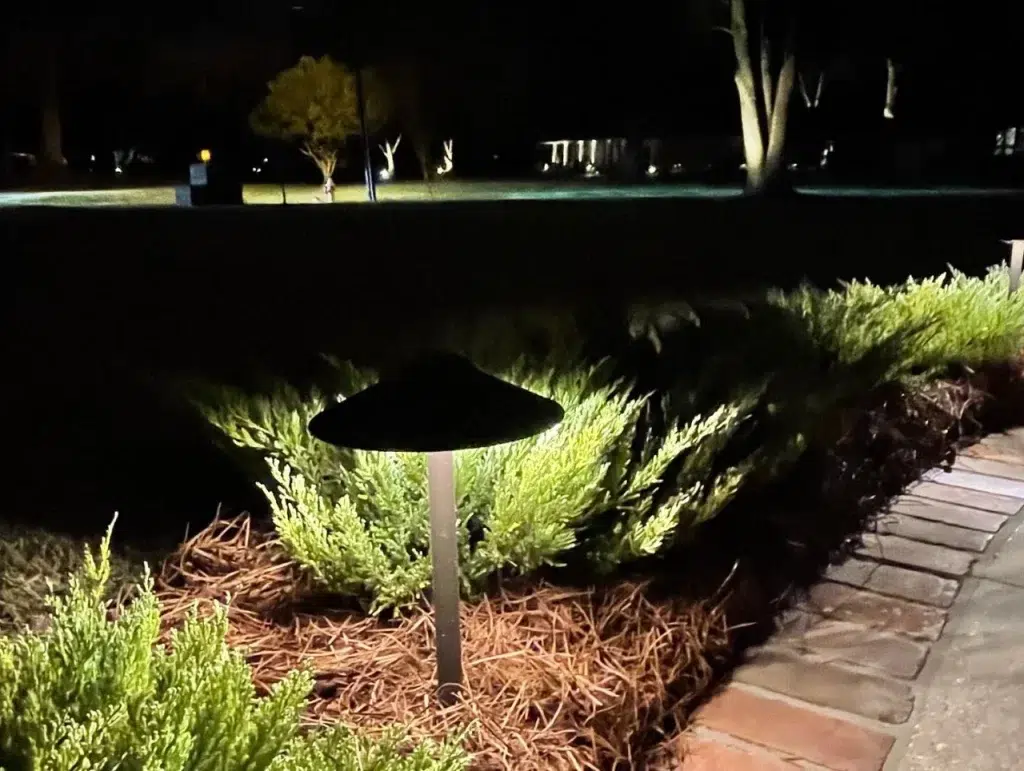
Bonus Tip: Install landscape lighting alongside irrigation systems to highlight the improved plant health in evening hours. This combination creates dramatic nighttime curb appeal while using the same trenching work for installation efficiency.
Bonus Tip: Use drip irrigation for foundation plantings to maintain consistent soil moisture around your home’s base. This prevents the appearance of stressed plants along walkways and building edges that immediately detract from overall curb appeal.
Bonus Tip: Schedule seasonal system maintenance before peak growing seasons begin. Spring tune-ups ensure optimal performance when landscapes need water most, preventing the appearance issues that develop when systems underperform during critical growth periods.
Making the Right Choice for Your Property
The decision to install an irrigation system ultimately balances upfront costs against long-term benefits in property appearance and value. Modern water-efficient systems can pay for themselves through reduced plant replacement costs and water bill savings, all while delivering the consistent curb appeal boost that comes with a professionally maintained landscape. Homeowners should evaluate their specific landscape needs, climate conditions, and maintenance preferences when selecting appropriate systems.
Proper planning and professional installation make the difference between systems that merely water lawns and those that transform property appearance. The right approach considers soil types, plant selections, and sun exposure patterns to create a customized watering strategy that maximizes both water efficiency and visual impact.
Get Expert Irrigation Guidance
Ready to transform your property’s appearance with an automated irrigation solution? Contact ALL SEASON LANDSCAPING at [email protected] or call 225-276-8658 to schedule a consultation. Our team can evaluate your landscape’s specific needs and design a system that maximizes curb appeal while minimizing water usage and maintenance requirements. Professional installation ensures optimal performance from day one, protecting your landscape investment for years to come.
Frequently Asked Questions
Do irrigation systems really increase property value?
Research consistently shows that professionally installed irrigation systems can increase property values by 5-15%, depending on climate and market conditions. The automated maintenance feature appeals to potential buyers while the improved landscape appearance immediately boosts curb appeal.
How much does monthly water usage typically increase?
Well-designed irrigation systems often use less water than manual methods due to precise application and timing. Homeowners typically see water costs remain stable or decrease slightly, while landscape health improves significantly.
Can irrigation systems be installed during any season?
Most installations occur during spring or fall when soil conditions are optimal. However, systems can be installed year-round in many regions, with winter installations preventing ground freezing issues before spring activation.
What maintenance is required for optimal appearance?
Basic maintenance includes seasonal start-up and shutdown procedures, occasional nozzle cleaning, and controller adjustments as landscapes mature. Most homeowners spend less than 30 minutes per season on maintenance while enjoying consistently beautiful landscapes.
Are irrigation systems worth it in rainy climates?
Even in regions with regular rainfall, irrigation systems provide consistent moisture during dry periods that can last several weeks. They ensure landscapes remain healthy through drought conditions rather than recovering afterward, maintaining year-round curb appeal.
Sources
- Irrigation Association – Trade organization providing research and statistics on water-efficient irrigation technologies and their environmental impact
- EPA WaterSense – Environmental Protection Agency program promoting water efficiency through labeling and education about water-saving products and practices
- Alliance for Water Efficiency – Non-profit organization promoting water conservation through research and education

- How Does Regular Hedge Trimming Improve Your Landscape’s Overall Appearance? - October 12, 2026
- The Complete Guide to Hedge Trimming, Care, Maintenance, and Healthy Growth - October 6, 2026
- How Can Professional Drainage Services in Central, LA Protect Your Property From Water Damage? - September 11, 2026