An irrigation system typically shows clear warning signs when it’s reaching the end of its useful life. The five primary indicators include outdated technology and controls, visible physical deterioration of pipes and components, declining water efficiency and increasing utility bills, poor performance with uneven watering patterns, and rising maintenance costs with frequent repairs. Most irrigation systems last between 10-20 years depending on materials and climate conditions, after which replacement often becomes more cost-effective than continued repairs.
This guide will walk through each of these warning signs in detail, helping property owners make informed decisions about whether to repair or replace their aging irrigation systems. With decades of hands-on experience in landscape maintenance and irrigation system management, ALL SEASON LANDSCAPING has identified these critical indicators that help homeowners avoid costly water waste and property damage from failing systems.
Outdated Technology and Controls
Modern irrigation systems have advanced significantly from basic mechanical timers to smart controllers that respond to weather conditions. If your system still relies on a simple mechanical timer or requires manual programming without weather-based adjustments, it’s likely overdue for replacement. Smart irrigation technology can reduce water usage by up to 30% compared to older systems, according to data from the Environmental Protection Agency’s WaterSense program.
Older controllers often lack essential features like rain sensors, soil moisture monitoring, or remote access through mobile apps. These limitations force users into guesswork about watering schedules, leading to overwatering or underwatering. Basic analog controllers also can’t adjust for seasonal changes or unexpected weather patterns, making them inefficient for year-round operation.
Bonus Tip: Before replacing the entire system, check if your existing controller can be upgraded with a smart retrofit kit. Some manufacturers offer add-on modules that bring older systems into the modern era without full replacement costs.
Table: Comparing Old vs New Irrigation Technology
| Feature | Older Systems (Pre-2010) | Modern Systems (Post-2015) |
|---|---|---|
| Controller Type | Mechanical/Basic Digital | Smart Weather-Based |
| Remote Access | None | Mobile App Control |
| Rain/Weather Sensors | Optional or Nonexistent | Standard |
| Water Usage | Fixed Schedules | Adaptive Scheduling |
| System Diagnostics | Limited or None | Real-time Alerts |
| Average Water Savings | Baseline | 20-50% Reduction |
Physical Deterioration of Components
Visible wear and tear often provides the most obvious evidence that an irrigation system has reached its limit. Look for cracked or broken sprinkler heads, leaking valves, corroded pipes, and deteriorated wiring. Polyethylene pipes become brittle after years of UV exposure, while PVC pipes can develop cracks from ground movement and freezing cycles. These physical breakdowns rarely occur in isolation – when one component fails, others usually follow soon after.
In regions with significant temperature fluctuations, pipe deterioration accelerates due to expansion and contraction cycles. The International Association of Plumbing and Mechanical Officials reports that irrigation systems in areas with freeze-thaw cycles typically show significant degradation after 12-15 years, even with proper winterization procedures.
Check for pooling water around valve boxes, constantly wet areas in the landscape, or sprinkler heads that won’t retract properly. These symptoms indicate internal failures that often precede complete system breakdown. While individual component replacement might solve immediate problems, multiple failures within the same season suggest systemic aging.
Declining Water Efficiency
Rising water bills without changes in usage patterns often point to hidden irrigation inefficiencies. Older systems lose water through leaks, inefficient spray patterns, and poor pressure regulation. The Alliance for Water Efficiency estimates that properties with aging irrigation systems typically use 30-40% more water than necessary to maintain healthy landscapes.
Water efficiency declines gradually as components wear. Sprinkler nozzles clog with mineral deposits, causing uneven spray patterns. Valves develop slow leaks, allowing water to seep into zones that should be off. Pressure regulators fail, leading to either misting from excessive pressure or inadequate coverage from low pressure. These issues compound over time, creating escalating water waste.
Monitor your water meter during irrigation cycles. Turn off all water usage inside the property, run the irrigation system, and observe the meter for continuous flow after the system shuts down. Any movement indicates leaks that older systems commonly develop.
Poor Distribution and Performance
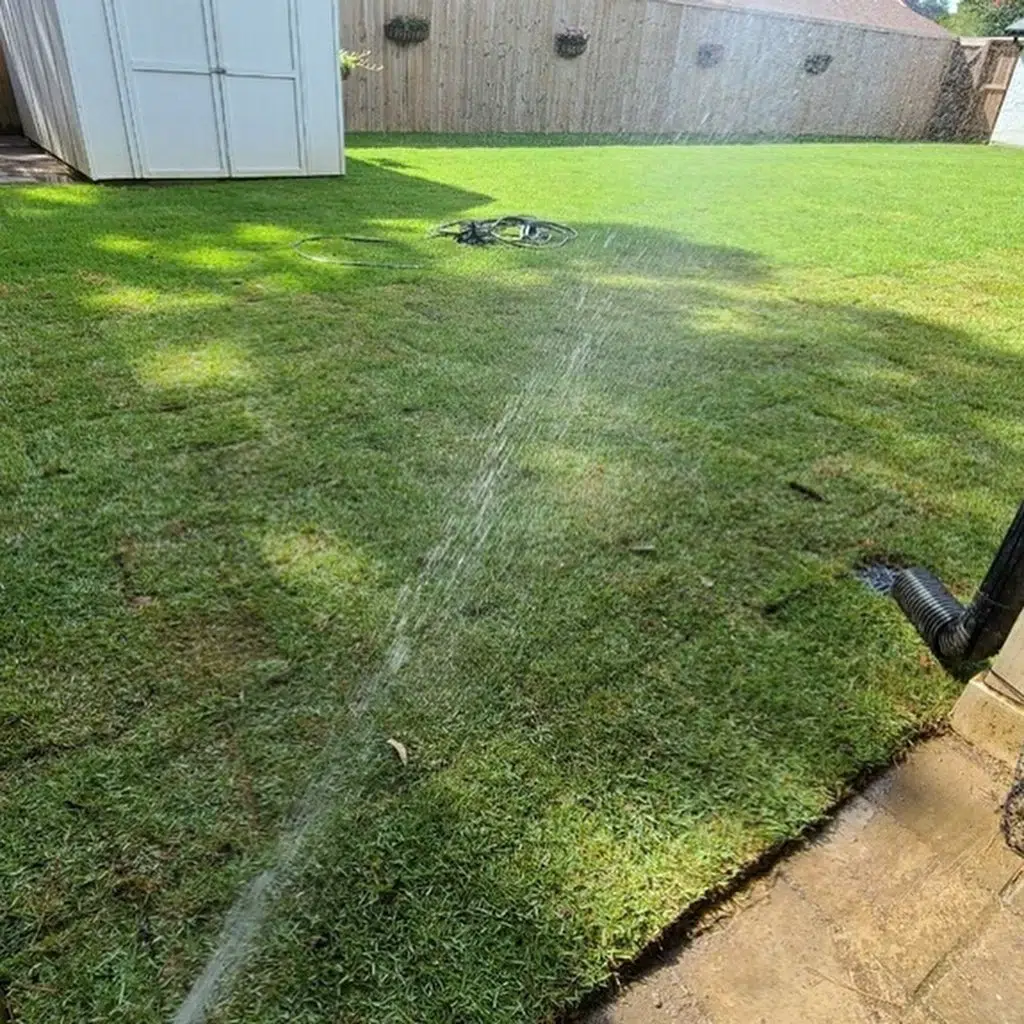
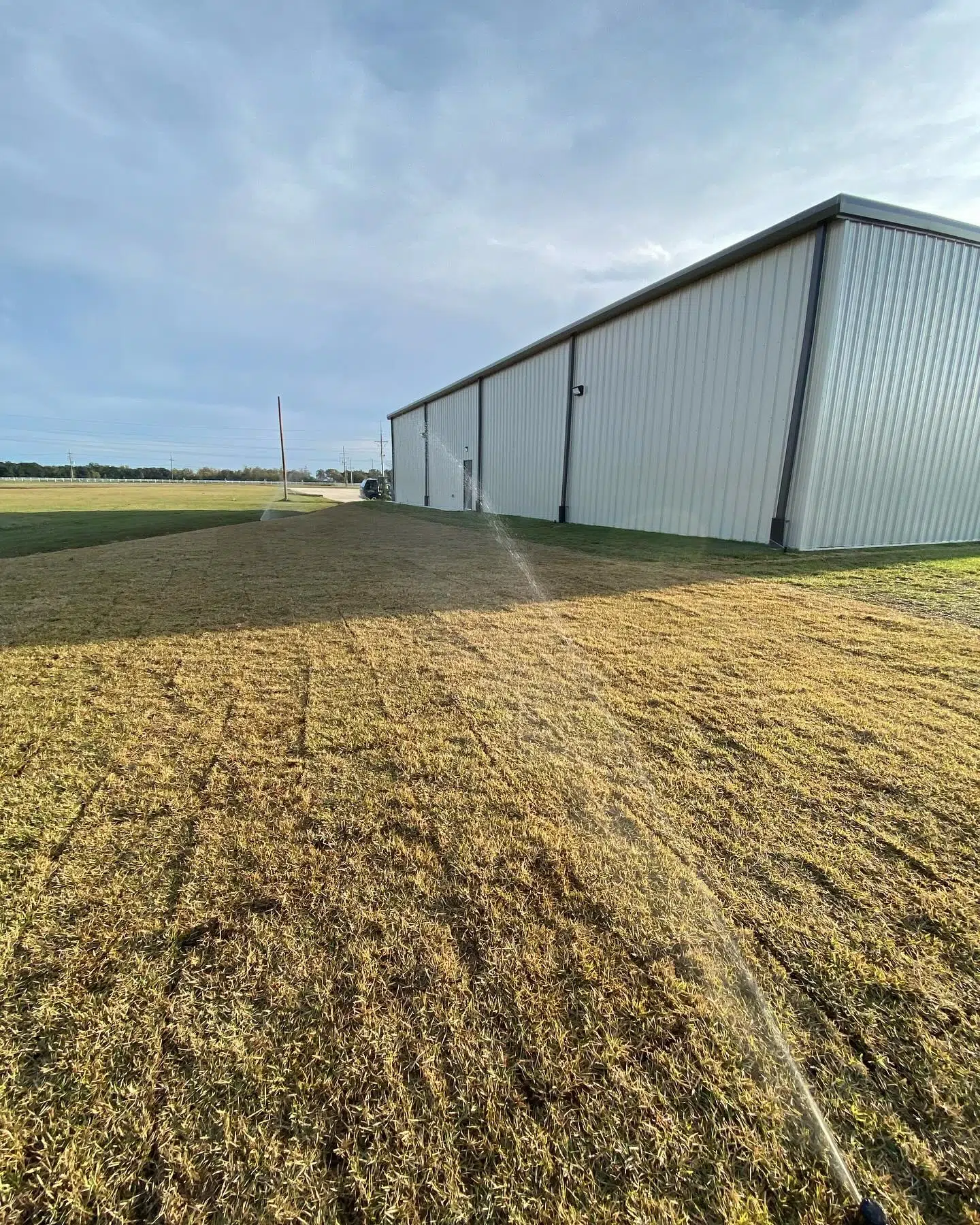
Uneven watering patterns become apparent when some areas of the landscape thrive while others struggle. This inconsistent distribution typically results from pressure changes, clogged nozzles, or misaligned heads – all common problems in aging systems. Modern spray nozzles provide uniform water distribution with precipitation rates between 0.5-1.5 inches per hour, while older systems often create dry patches and flooded areas within the same zone.
Check for brown spots appearing in previously healthy turf areas, especially those farthest from the water source. These indicate pressure loss throughout the system – a classic sign of deteriorating pipes and failing components. Similarly, if newer plantings struggle despite adjusted watering schedules, the system may no longer deliver sufficient volume to meet modern landscape needs.
Bonus Tip: Use the catch-can test to assess distribution uniformity. Place identical containers throughout each irrigation zone, run the system for a set time, then measure the water collected. Variations greater than 25% between containers indicate poor distribution requiring system replacement.
Increasing Maintenance and Repair Costs
The economic calculation often reveals when replacement makes more sense than continued repairs. Track your irrigation maintenance expenses over the past 2-3 years. If annual costs exceed 10-15% of a new system’s price, replacement typically becomes more cost-effective. This threshold comes from industry data showing that repair costs accelerate exponentially as systems age beyond 15 years.
Consider the hidden costs beyond direct repairs: increased water bills, potential landscape damage from system failures, and the time spent troubleshooting recurring problems. These indirect expenses often exceed the obvious repair charges. The Irrigation Association reports that commercial properties recoup system replacement costs through water savings alone within 3-5 years for systems older than 15 years.
Bonus Tip: Create a simple spreadsheet tracking irrigation expenses over time. Include repairs, parts, labor, water bill increases, and even your own time spent on maintenance. The trend line often makes the replacement decision clear long before catastrophic failure occurs.
Things to Consider Before Making a Decision
Before deciding between repair and replacement, evaluate several key factors specific to your property and situation. Consider your landscape’s current needs versus when the original system was installed. Changes in plant types, property use, or water conservation goals may justify replacement even if the system still functions adequately.
Assess local water rates and conservation regulations. Some municipalities offer rebates for upgrading to water-efficient systems, which can offset replacement costs significantly. The Environmental Protection Agency maintains a database of local water conservation incentives that might make upgrading more financially attractive.
Factor in upcoming property plans. Major landscape renovations, additions, or changes in use patterns present natural opportunities for irrigation system upgrades. Integrating new systems with planned changes often costs less than retrofitting existing infrastructure later.
Climate considerations also play a role. Properties in regions with increasing water scarcity or drought conditions benefit more from modern, efficient systems. Future water restrictions may make older, inefficient systems impractical regardless of their current operating condition.
Making the Right Decision for Your Property
Evaluating an aging irrigation system requires balancing current performance issues against replacement costs and potential savings. The five warning signs – outdated technology, physical deterioration, declining efficiency, poor performance, and rising maintenance costs – provide clear indicators when replacement makes practical sense.
Properties with systems older than 15 years experiencing multiple issues typically benefit most from complete replacement. The water savings, reduced maintenance needs, and improved landscape health often justify the investment within 3-5 years. However, well-maintained systems under 12 years old with isolated problems might continue operating effectively with targeted repairs.
Assess your specific situation by documenting current problems, tracking costs, and considering long-term landscape goals. Local climate conditions and water availability should factor heavily into your decision timeline. Proactive replacement before catastrophic failure prevents property damage and emergency expenses.
Professional Assessment Services
ALL SEASON LANDSCAPING offers comprehensive irrigation system evaluations to help property owners make informed decisions about repair versus replacement. The evaluation includes pressure testing, leak detection, coverage analysis, and efficiency calculations. This assessment provides the data needed to determine whether continuing repairs makes financial sense or if system replacement offers better long-term value.
For property owners unsure about their system’s condition, a professional inspection removes guesswork from the decision process. Contact the irrigation specialists at ALL SEASON LANDSCAPING to schedule a system evaluation by calling 225-276-8658 or emailing [email protected].
Frequently Asked Questions
What’s the best time of year to replace an irrigation system?
Spring and fall offer optimal conditions for system replacement. Spring replacement ensures proper function during peak growing season, while fall installation allows testing before winterization. Summer replacement is possible but stresses the landscape during the transition.
Will my lawn be damaged during system replacement?
Professional installers minimize damage by using specialized equipment that vibrates pipes into place rather than digging trenches. The process causes temporary disruption but typically heals within 2-3 weeks with proper care.
Are water savings from new systems guaranteed?
Savings vary based on climate, landscape type, and previous system efficiency. EPA WaterSense labeled products typically reduce water use by 20-30% when properly installed and programmed, with some properties seeing even greater reduction.
Can I install a new irrigation system myself?
DIY installation risks improper design, inadequate coverage, and potential damage to underground utilities. Professional installation ensures correct zoning, pressure management, and compliance with local plumbing codes.
What maintenance does a new irrigation system require?
Modern systems need seasonal startup and shutdown procedures, regular filter cleaning, occasional nozzle cleaning, and battery replacement for wireless components. Smart systems need occasional software updates and rain sensor verification.
Sources
- Environmental Protection Agency WaterSense – Federal program promoting water efficiency with irrigation system guidelines and certification standards
- Alliance for Water Efficiency – Non-profit organization providing research and education on water conservation practices including irrigation efficiency
- International Association of Plumbing and Mechanical Officials – Organization developing plumbing and mechanical codes including standards for irrigation system installation and maintenance

- How Does Regular Hedge Trimming Improve Your Landscape’s Overall Appearance? - October 12, 2026
- The Complete Guide to Hedge Trimming, Care, Maintenance, and Healthy Growth - October 6, 2026
- How Can Professional Drainage Services in Central, LA Protect Your Property From Water Damage? - September 11, 2026