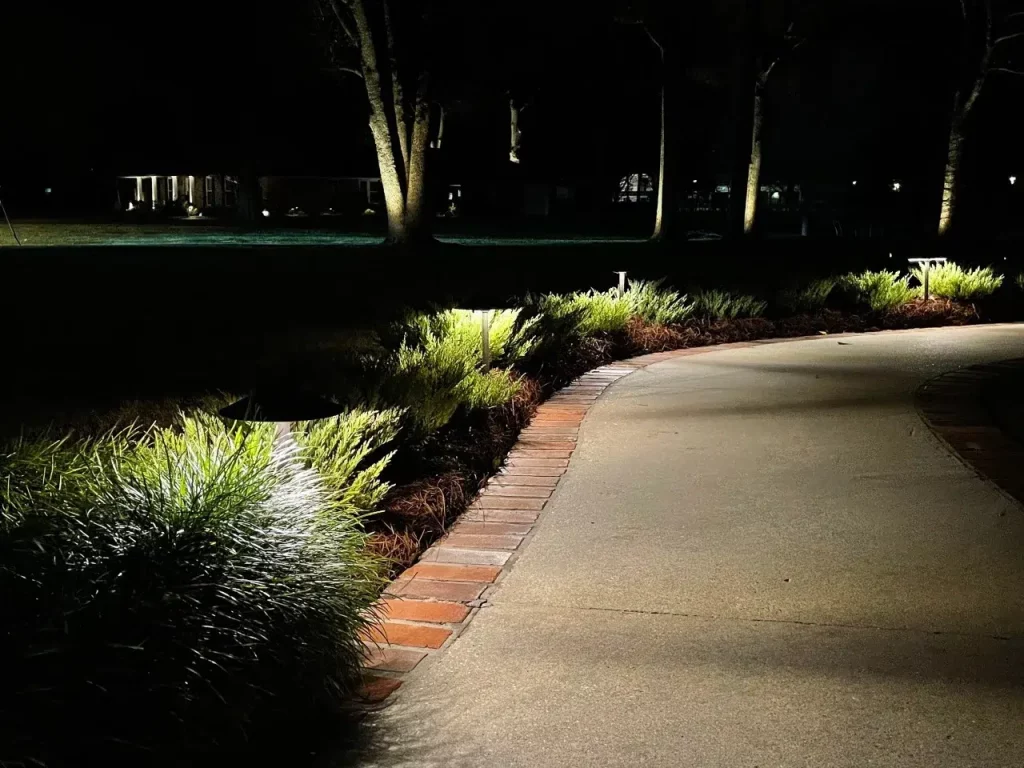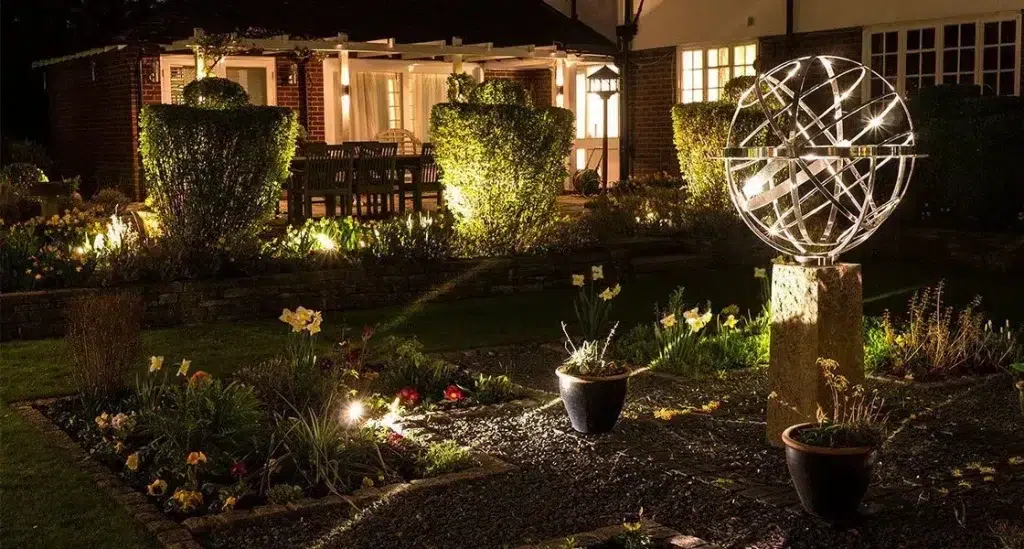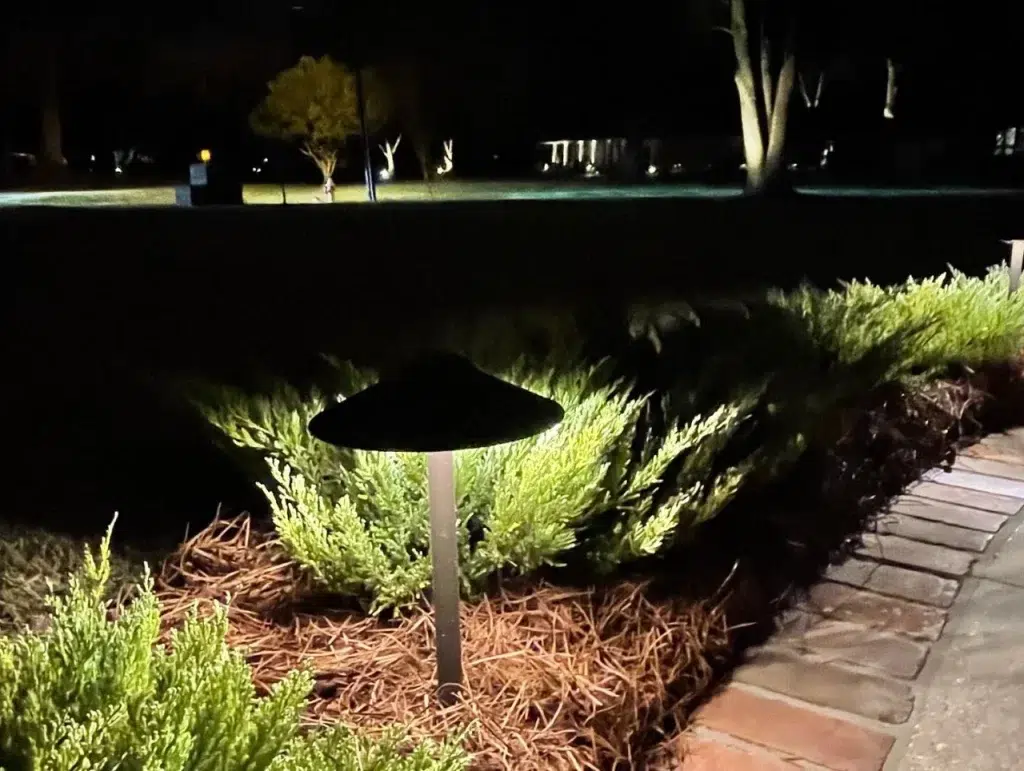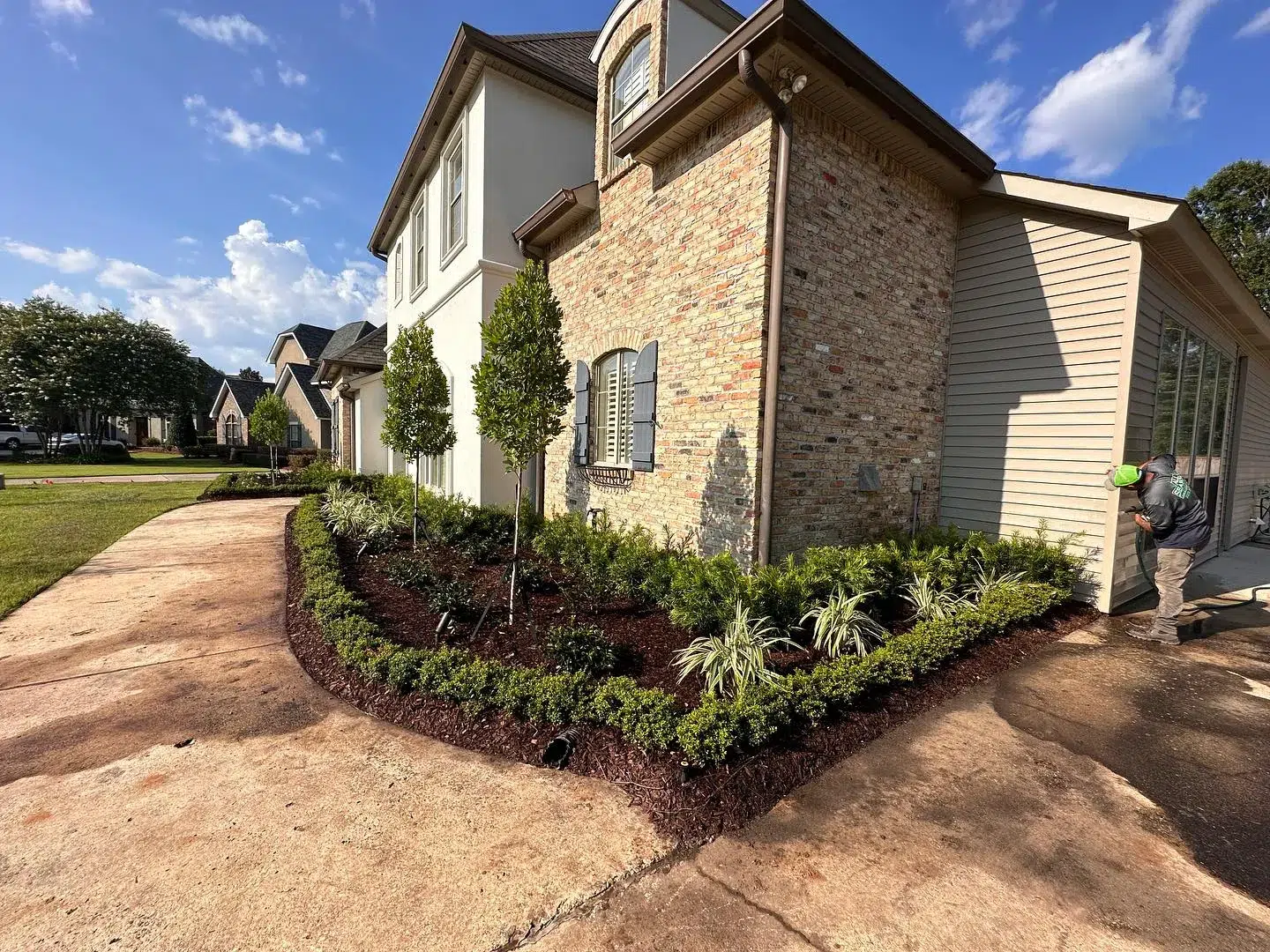
Outdoor allergens in New Orleans pose challenges due to the area’s humid climate and diverse plant life. Landscaping offers practical ways to cut down on these irritants. Select low-pollen native plants, maintain yards regularly, and design spaces to limit mold growth. These steps lower pollen counts and improve air quality around homes. Simple changes like trimming trees and choosing ground covers over grasses can make a big difference in daily comfort.
This article covers strategies tailored to New Orleans conditions. Readers will find details on plant choices, care routines, and local factors. All Seasons Landscaping & Lawn Care draws from years of work in the region to share reliable approaches. Trust comes from handling local humidity and seasonal pollen spikes firsthand. To effectively implement these strategies, it’s essential to first understand the primary outdoor allergens prevalent in New Orleans.
Common Outdoor Allergens in New Orleans
New Orleans faces high levels of pollen from trees, grasses, and weeds, especially during spring and fall. Oak and pine trees release large amounts of pollen that travels easily in the warm, moist air. Landscaping and property value in Kenner is another consideration for homeowners planning outdoor improvements. Mold spores thrive in the humidity, peaking after rain. A report from the American Academy of Allergy, Asthma & Immunology notes that southern cities like New Orleans see elevated tree pollen seasons from February to May.
Ragweed adds to fall woes, with counts rising in September. Data from the National Allergy Bureau shows New Orleans often hits moderate to high pollen levels yearly. These allergens trigger sneezing, itchy eyes, and breathing issues for many residents.
Humidity plays a key role. It keeps pollen airborne longer and boosts mold growth on damp surfaces. Wet soils and shaded spots under trees create ideal conditions for spores. Understanding these local patterns helps target landscaping efforts effectively.
Plant Choices to Lower Pollen
Pick plants that produce less pollen to reduce exposure right away. Native species adapted to Louisiana’s climate shed minimal pollen and support local ecosystems. For example, switch to female dioecious trees like crepe myrtle or yaupon holly. These avoid the heavy pollen output of male counterparts.
Ground covers such as liriope or Asiatic jasmine replace high-pollen grasses. They suppress weeds and stabilize soil without releasing much airborne irritant. In New Orleans, where heat and rain stress lawns, these options hold up better.
Avoid common culprits like Bermuda grass or Bradford pear trees. They contribute heavily to local counts. Instead, opt for perennials like lantana or salvia. These attract pollinators but keep pollen low. A study by the USDA Forest Service highlights how native plants cut allergy risks in urban areas.
Bonus Tip
Plant buffers around play areas with dense shrubs to trap pollen before it reaches living spaces.
| Plant Type | High-Pollen Example | Low-Pollen Alternative | Benefits in New Orleans |
|---|---|---|---|
| Trees | Oak, Pine | Crepe Myrtle, Yaupon Holly | Drought-tolerant, low maintenance in humid conditions |
| Grasses | Bermuda, Rye | Liriope (ground cover) | Reduces mowing, prevents weed pollen |
| Shrubs | Privet | Wax Myrtle | Native, supports birds, minimal pollen |
| Flowers | Ragweed | Salvia, Lantana | Attracts butterflies, blooms year-round |
This table compares options suited to the region’s subtropical setup. Incorporating these low-pollen alternatives into your landscape design can significantly contribute to better air quality and comfort.
Maintenance Practices for Allergen Control
Regular yard care keeps allergens in check. Mow lawns at three inches or higher to discourage seed heads on grasses. This practice limits pollen release. In New Orleans’ rainy seasons, mow after dry spells to avoid spreading wet clippings.
Trim trees and bushes to improve air flow. Dense canopies trap moisture and mold. Remove fallen leaves promptly, as they harbor spores. Water deeply but infrequently to avoid shallow roots that foster weeds.
Use mulches like pine straw around plants. It retains moisture without encouraging mold, unlike wet clippings. Aerate soil yearly to reduce compaction and improve drainage in clay-heavy New Orleans grounds.
Market data indicates that consistent maintenance lowers pollen by up to 30 percent in residential areas. The Environmental Protection Agency reports that proper yard care enhances local air quality.
Bonus Tip
Schedule trims for early morning when pollen counts sit low, cutting disturbance.
Designing Landscapes for Better Air Quality
Layout matters in allergen reduction. Create open spaces to let breezes disperse pollen. Plant windbreaks with evergreens on the north side to block spores from prevailing winds. In New Orleans, southerly gusts carry Gulf moisture, so position patios away from tree lines.
Incorporate hardscape like patios or gravel paths. These cut grass areas and provide mold-free zones. Raised beds with allergy-friendly herbs and vegetables add green without extra pollen.
Focus on diversity. Mix plant heights and types to avoid monocultures that amplify allergens. Data from the Centers for Disease Control and Prevention shows diverse yards support healthier environments in humid regions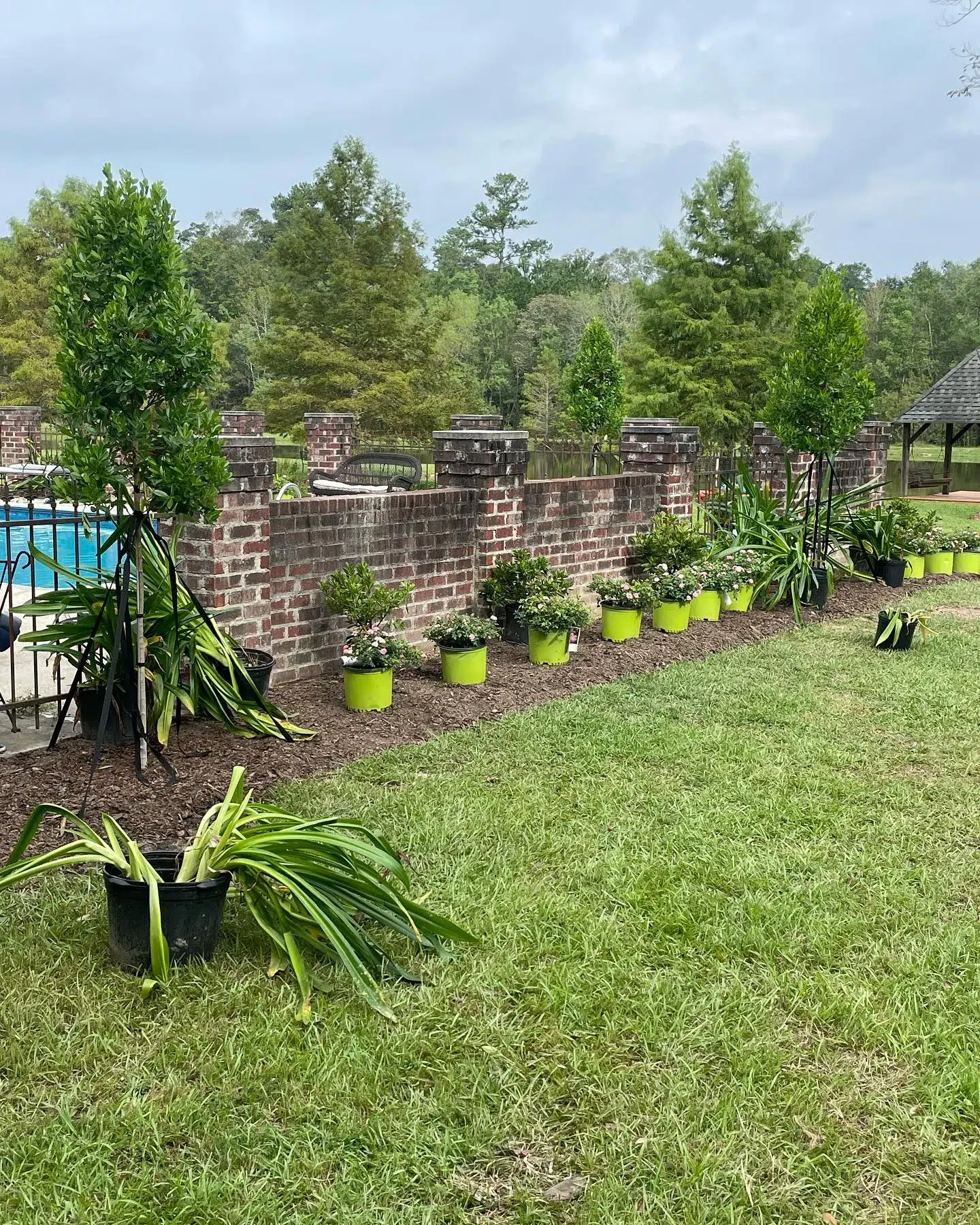
Things to Consider Before Making a Decision
Soil type affects plant success. New Orleans clays drain poorly, so test pH and amend with organics for better root health. Budget for initial plant costs and ongoing water needs, though natives save long-term.
Check local regulations. Some neighborhoods restrict tree removals or require permits for major changes. Assess sunlight patterns, as shade trees cut mold but might boost grass pollen if not pruned.
Think about family needs. Pet owners watch for plants that shed irritants on fur. Long-term goals include wildlife support, which natives provide without high allergens.
Evaluate seasonal impacts. Spring pollen demands quick action, while fall focuses on leaf management. Professional input helps match designs to specific yard conditions. To address common concerns, here are answers to frequently asked questions about these strategies.
Common Questions
What time of year do allergens peak in New Orleans?
Tree pollen rises in late winter through spring, while weeds dominate fall. Mold stays year-round due to humidity.
Can landscaping fully eliminate allergens?
No, but it reduces exposure significantly. Combine with indoor filters for best results.
How does climate change affect this?
Warmer temperatures extend pollen seasons. Data shows a 20-day increase in southern U.S. counts over decades.
Bonus Tip
Track local pollen forecasts via apps to time outdoor activities and maintenance.
Frequently Asked Questions
How do I identify high-allergen plants in my yard?
Look for male trees that produce catkins or heavy flowers. Grasses with tall seed heads signal risk. Consult extension services for local lists tailored to Louisiana.
What maintenance tools help control allergens?
Electric mowers and leaf blowers minimize dust. HEPA filters on vacuums clean clippings without spreading spores. Store tools dry to avoid mold buildup.
Are native plants always low-allergen?
Most are, as they rely on insects over wind for pollination. Exceptions exist, so research specifics like live oak, which can still irritate.
How often should I redo landscape designs for allergen control?
Every 5-10 years, or after major weather events. Monitor plant health and adjust as trees mature.
Does irrigation affect pollen levels?
Overwatering boosts mold. Drip systems target roots and keep foliage dry, aiding control in humid areas.
Key Takeaways
Landscaping cuts outdoor allergens through smart plant picks, steady maintenance, and thoughtful design. New Orleans residents benefit most from natives that handle heat and rain. Each step builds on the last to create breathable spaces.
Evaluate your yard’s current setup. Match changes to daily routines and local weather patterns. Set goals for comfort and sustainability to guide improvements over time.
Contact All Seasons Landscaping & Lawn Care
For more on reducing allergens in New Orleans yards, reach out to All Seasons Landscaping & Lawn Care at [email protected] or (225) 276-8658. Discuss specific needs to find fitting solutions.
Sources
- USDA Forest Service – Offers research on urban trees and their impact on air quality and allergies.
- Environmental Protection Agency – Details yard maintenance effects on local allergens and pollution.
- Centers for Disease Control and Prevention – Explains home environment factors in managing allergens in humid climates.

- How Does Regular Hedge Trimming Improve Your Landscape’s Overall Appearance? - October 12, 2026
- The Complete Guide to Hedge Trimming, Care, Maintenance, and Healthy Growth - October 6, 2026
- How Can Professional Drainage Services in Central, LA Protect Your Property From Water Damage? - September 11, 2026