Poor drainage in Baton Rouge lawns creates five major problems: standing water that kills grass, fungal diseases that spread rapidly, soil compaction that suffocates roots, aggressive weed growth in saturated areas, and damage to nearby foundations and hardscapes. These issues compound quickly in Louisiana’s heavy clay soil and frequent rainfall patterns, making proper drainage essential for maintaining healthy turf.
Baton Rouge homeowners often overlook drainage problems until visible damage appears. By understanding these five common issues, property owners can identify early warning signs and take corrective action before extensive lawn damage occurs. The following details come from years of hands-on experience solving drainage challenges in the unique climate and soil conditions of south Louisiana.
Standing Water and Dead Grass Patches
Standing water remains the most visible drainage problem in Baton Rouge lawns. After heavy rainfalls, which average 60 inches annually in the region, water that doesn’t drain within 24 hours begins suffocating grass roots. The heavy clay soils common in East Baton Rouge Parish compound this issue by holding water rather than allowing it to percolate through.
Dead grass patches typically appear in low-lying areas where water accumulates. These brown or yellow zones expand over time as roots die from lack of oxygen. The problem intensifies during summer months when standing water creates breeding grounds for mosquitoes and other pests. Baton Rouge’s high humidity levels further slow evaporation, extending the time water remains on the surface.
Fungal Diseases and Mold Growth
Excess moisture creates ideal conditions for fungal diseases that attack lawn grasses. In Baton Rouge’s warm, humid climate, these problems spread rapidly when drainage is poor. The most common fungal issues include brown patch, dollar spot, and pythium blight, all thriving in consistently wet conditions.
Mold growth often appears as a gray or white fuzzy layer on grass blades, particularly in shaded areas with poor air circulation. These fungal problems typically start in small patches but can quickly consume entire sections of lawn if left untreated. The continuous moisture cycle prevents grass from recovering between rain events, weakening its natural resistance to pathogens.
ALL SEASON LANDSCAPING frequently observes that homeowners mistakenly treat fungal symptoms with fertilizers or water, actually worsening the underlying drainage problem. Proper identification requires addressing the water source rather than just treating visible symptoms.
Soil Compaction and Root Damage
Poor drainage leads to severe soil compaction in Baton Rouge lawns. When water saturates clay soils, air pockets collapse and soil particles press together tightly. This compaction prevents new root growth and restricts existing roots from accessing oxygen and nutrients.
Compacted soil feels hard when walked on and shows water pooling on the surface rather than absorbing. Grass in these areas often appears thin, yellow, or stunted despite proper fertilization and watering efforts. The problem worsens over time as each rainfall event further compacts the already dense soil structure.
Root systems in compacted soil typically grow horizontally rather than vertically, creating shallow grass that cannot withstand drought or stress. These weak lawns are more susceptible to damage from foot traffic, mowing equipment, and temperature extremes common in Louisiana summers.
Aggressive Weed Infestations
Saturated soil conditions encourage aggressive weed growth that outcompetes desirable grass species. Many invasive weeds thrive in wet conditions where grass struggles to survive. Common drainage-loving weeds in Baton Rouge include nutsedge, dollarweed, and various broadleaf species that flourish in consistently moist environments.
These weeds typically establish themselves first in the lowest areas of a lawn where water accumulates. Their rapid growth creates dense patches that choke out surrounding grass as they spread. Once established, these moisture-loving weeds develop extensive root systems that make them difficult to remove, especially in compacted soil.
The presence of specific weed species often indicates drainage problems. Dollarweed, for example, almost exclusively grows in areas with excessive moisture and poor drainage. Observing which weed species appear can help diagnose the severity and location of drainage issues.
Foundation and Hardscape Damage
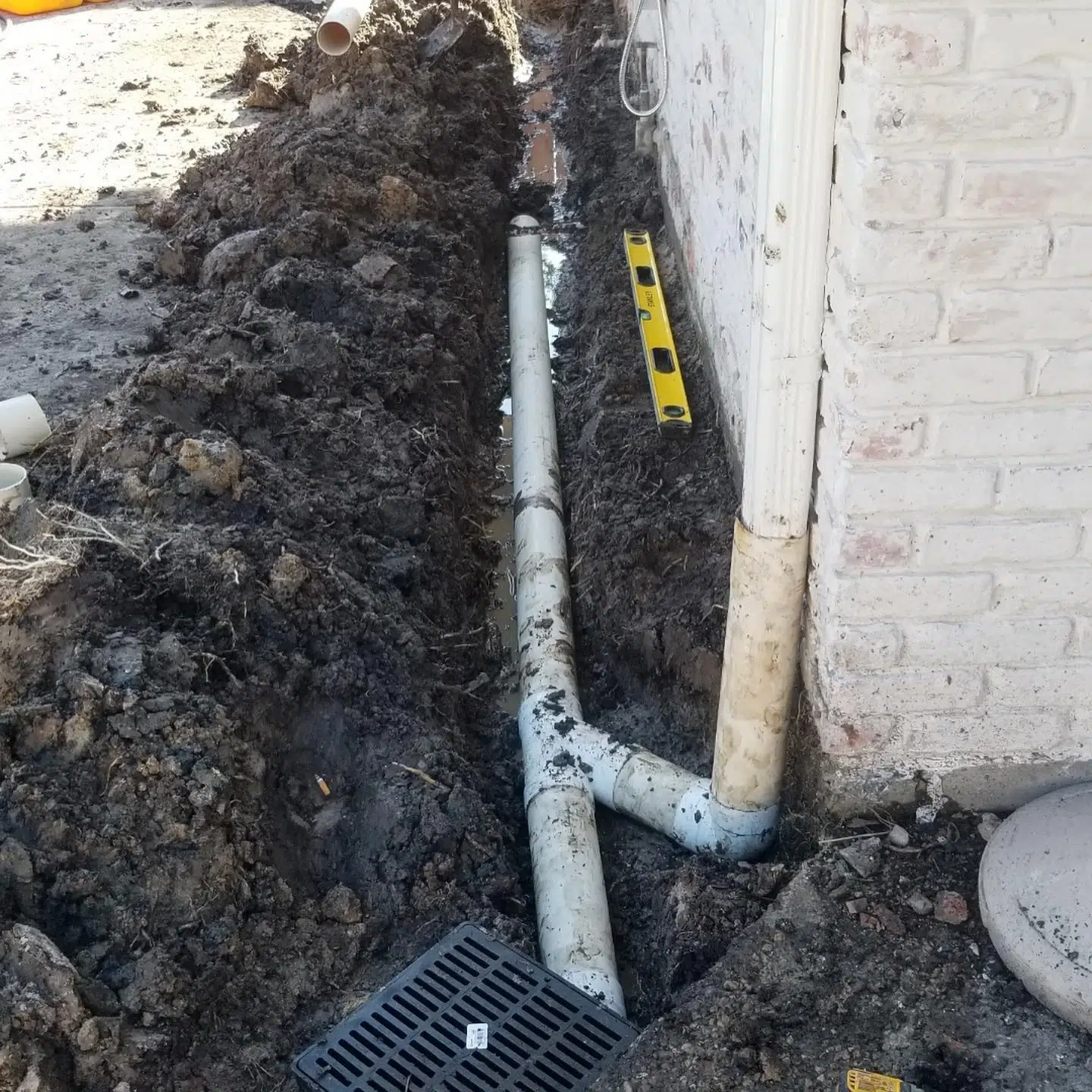
Poor drainage affects more than just grass – it threatens concrete foundations, driveways, and other hardscapes. When water cannot drain properly from around structures, it seeps into foundations and freezes or erodes supporting soil. In Baton Rouge, this problem occurs year-round due to frequent rainfall rather than just seasonal freezing.
Foundation damage manifests as cracks in walls, doors that stick, or visible gaps around windows and trim. Hardscape damage includes crumbling concrete edges, sinking pavers, or pooling water on patios and walkways. These issues start subtly but progress to expensive structural repairs if drainage problems aren’t addressed.
The table below shows how quickly drainage issues can progress to structural damage in Baton Rouge’s climate:
| Time Period | Visible Symptoms | Potential Damage |
|---|---|---|
| 1-3 months | Standing water after rain | Grass damage in low areas |
| 3-6 months | Soil erosion around foundations | Minor concrete cracks |
| 6-12 months | Water staining on foundations | Significant foundation settling |
| 1-2 years | Structural cracks in walls | Major foundation repairs needed |
Things to Consider Before Making a Decision
Before addressing drainage problems, evaluate several factors specific to your property. Start by observing where water pools after heavy rainfalls and how long it remains standing. Note which areas show the most grass damage or weed growth.
Consider your lawn’s slope and grading. Many Baton Rouge properties were built on relatively flat terrain that requires artificial grading to direct water away from structures. Natural low spots may need soil amendments or drainage solutions to become functional lawn areas.
Assess your soil type. Baton Rouge contains various soil compositions, from heavy clay to sandy loam. Clay soils need different drainage solutions than sandy soils. Understanding your specific soil composition helps select the most appropriate correction method.
Budget for both immediate fixes and long-term maintenance. Simple drainage solutions might provide temporary relief but require frequent adjustments. Comprehensive solutions cost more initially but provide lasting results with minimal ongoing maintenance.
Bonus Tips
Test your drainage naturally before investing in solutions. During the next heavy rain, observe water flow patterns across your property. Mark areas where water collects and note how long standing water remains. This simple observation provides valuable information about problem areas.
Consider native plants in consistently wet areas. Rather than fighting natural water accumulation, some homeowners incorporate water-loving native plants into rain gardens or bog gardens. These solutions work with natural drainage patterns rather than against them.
Start small with drainage improvements. Simple solutions like downspout extensions or swales might resolve minor issues without major excavation. Address the most problematic areas first before implementing comprehensive solutions across the entire property.
Final Thoughts
Poor drainage creates progressively worsening problems for Baton Rouge lawns, from initial grass damage to eventual foundation issues. Understanding these five common issues helps identify problems early before extensive damage occurs. Each symptom provides clues about the underlying drainage challenges specific to your property.
Regular monitoring after rainfall events, proper observation of water flow patterns, and timely intervention prevent minor drainage issues from becoming major expenses. Baton Rouge’s climate and soil conditions make proactive drainage management essential for maintaining healthy, attractive landscapes.
Assess your property’s specific drainage patterns, note where problems develop, and consider both immediate and long-term solutions. Addressing drainage problems early saves money and prevents more extensive damage to your lawn and home’s foundation.
Contact ALL SEASON LANDSCAPING for Professional Drainage Solutions
Professional drainage assessment and installation ensures your Baton Rouge property remains healthy and structurally sound. Contact ALL SEASON LANDSCAPING at [email protected] or call 225-276-8658 to schedule a comprehensive drainage evaluation and customized solution recommendations. Experienced professionals can identify subtle drainage issues before they become major problems.
Frequently Asked Questions
How long does standing water need to remain to damage grass?
Standing water that remains on grass for more than 24 hours begins causing root damage. After 48-72 hours, significant root death occurs, leading to visible grass decline within days.
Can soil amendments fix drainage problems?
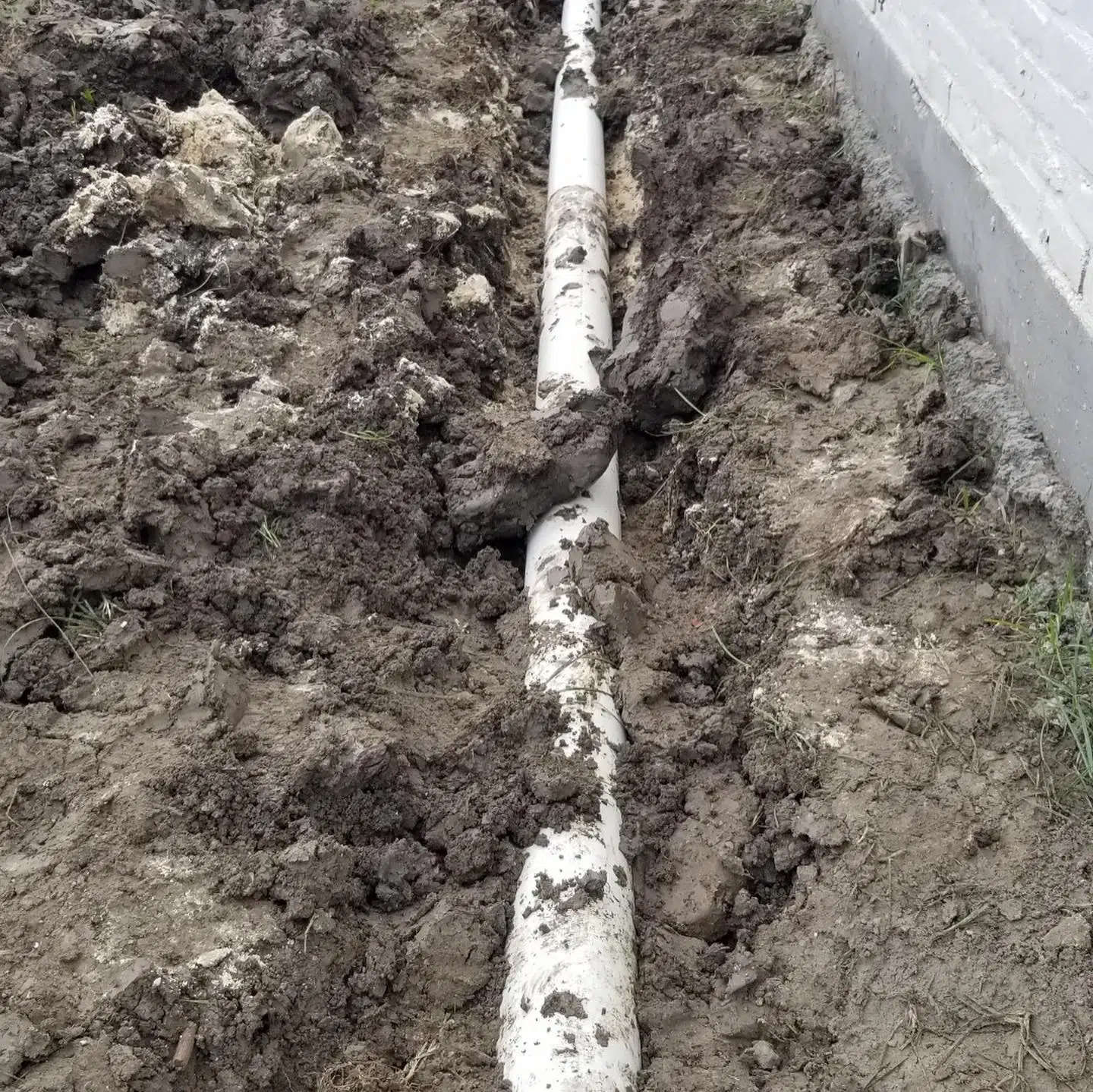
Soil amendments help with minor drainage issues but rarely solve significant problems. Adding organic matter to clay soil improves drainage gradually, but major water accumulation typically requires structural solutions like drains or grading adjustments.
What time of year is best for drainage work?
Late fall through early spring offers ideal conditions for drainage installation in Baton Rouge. The soil is softer for digging, and cooler temperatures reduce stress on grass during and after installation.
Will improving drainage help with mosquito problems?
Yes, better drainage significantly reduces mosquito populations by eliminating breeding sites. Removing standing water breaks the mosquito life cycle and makes outdoor spaces more comfortable during summer months.
How do I know if I need professional drainage help?
Consider professional help when standing water remains for more than 48 hours, when drainage problems persist despite simple fixes, when foundation damage appears, or when multiple areas of the lawn show drainage-related damage.
Sources
- Louisiana State University AgCenter – Research on lawn drainage issues and solutions specific to Louisiana’s climate and soil conditions
- East Baton Rouge Parish Library – Local climate data and historical rainfall patterns for the Baton Rouge area
- U.S. Department of Agriculture – Soil surveys and drainage information for East Baton Rouge Parish including typical soil compositions

- How Does Regular Hedge Trimming Improve Your Landscape’s Overall Appearance? - October 12, 2026
- The Complete Guide to Hedge Trimming, Care, Maintenance, and Healthy Growth - October 6, 2026
- How Can Professional Drainage Services in Central, LA Protect Your Property From Water Damage? - September 11, 2026