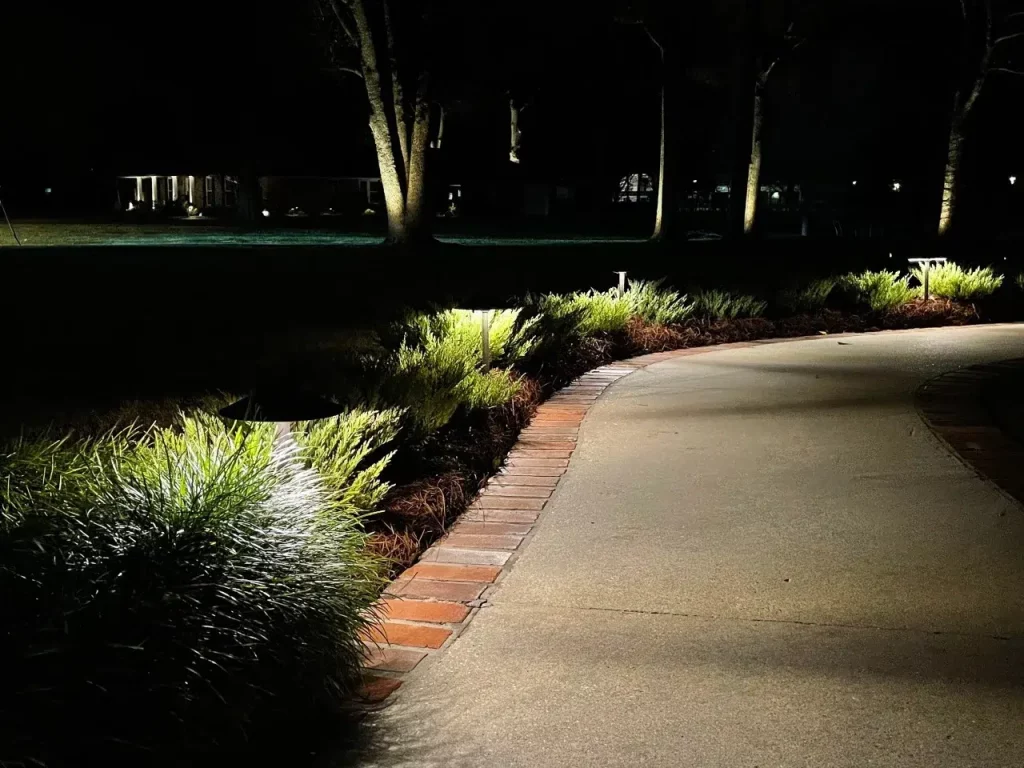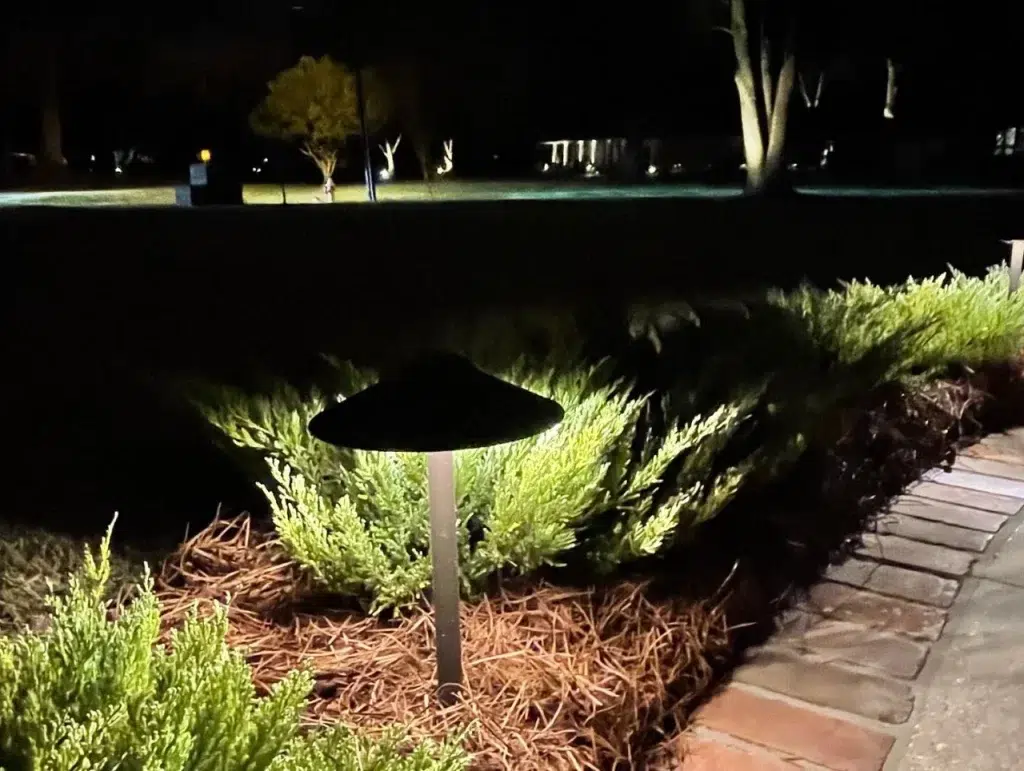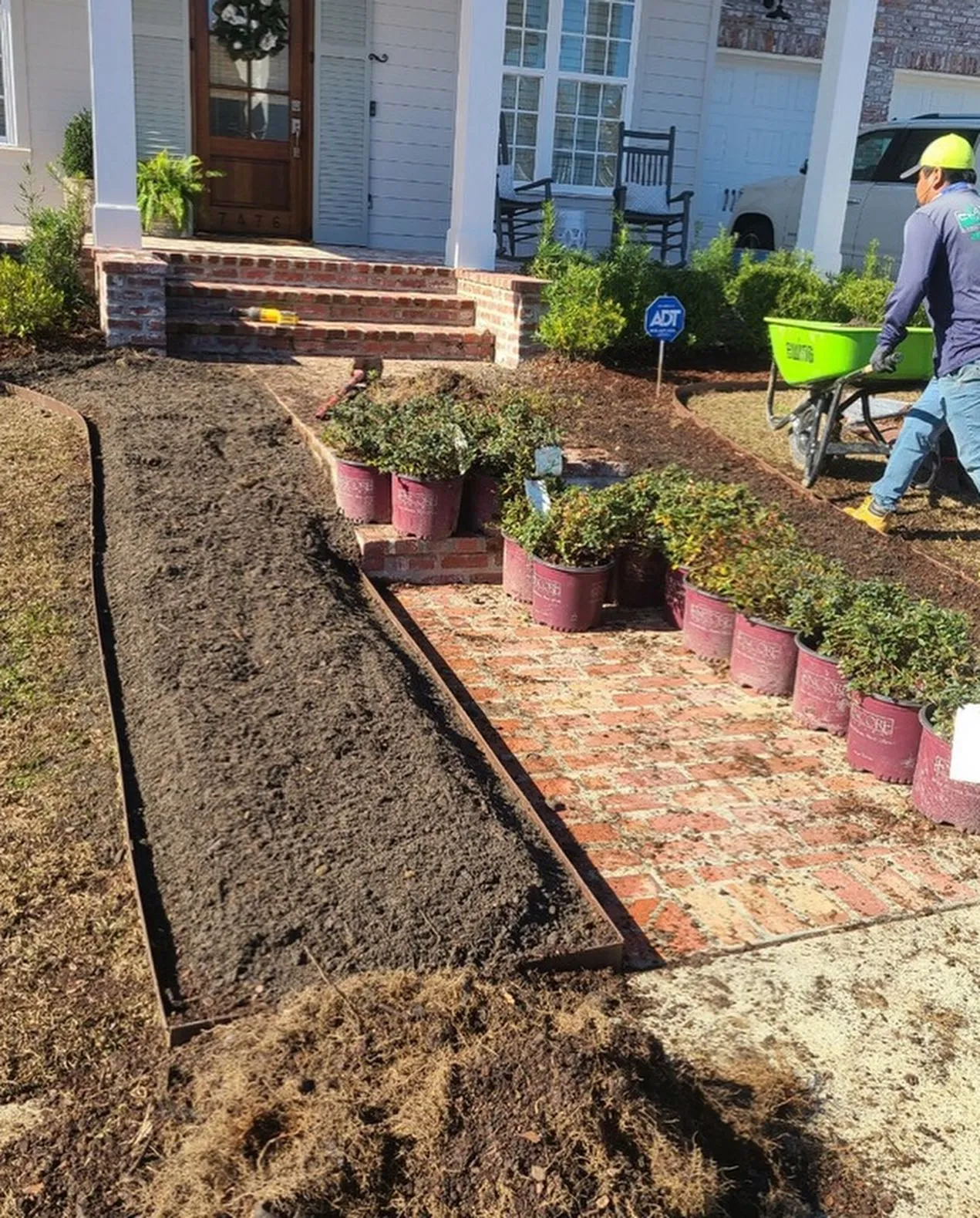
Heavy rain often leaves lawns with puddles, washed-out soil, and bare patches. Start repair by assessing the damage right away. Walk the yard to spot eroded areas, compacted soil, and dead grass. Remove debris like branches or mud buildup. Then, aerate the soil to improve drainage and oxygen flow. Reseed bare spots with grass seed suited to the local climate, and water lightly but often to encourage growth. These steps help grass recover quickly and prevent further issues.
This guide covers each stage in detail, from initial checks to ongoing care. Readers gain practical steps based on handling rain-damaged yards in humid regions like Louisiana. Information draws from direct work with local soils and weather patterns, ensuring reliable advice for effective recovery.
Assess the Damage
Begin with a full inspection after rain stops. Look for signs like standing water, which signals poor drainage. Check for ruts from runoff or foot traffic that compact the soil. Note bare spots where grass washed away. In areas with clay-heavy soil, common in southern states, rain packs dirt tightly and slows recovery.
Take photos to track progress over time. Measure affected areas to estimate seed or sod needs. This step saves time later and avoids overworking healthy parts of the lawn.
Bonus Tip: Test soil pH during assessment. A simple kit from a garden store reveals if acidity affects grass health. Adjust with lime if needed for better root growth.
Clear Debris and Standing Water
Remove leaves, sticks, and excess mud first. Rake gently to avoid pulling up remaining grass roots. For standing water, dig shallow trenches to direct flow away from low spots. Use a shovel to fill ruts with topsoil mixed with sand for better drainage.
In rainy climates like Louisiana’s, frequent downpours create thick mud layers. Break these up with a garden fork to loosen the surface. Allow the area to dry for a day or two before further work. This prevents smothering the grass.
Market data shows that poor debris removal leads to 30% more fungal diseases in wet conditions, according to a study by the Turfgrass Information Center. Act promptly to reduce risks.
Aerate the Soil
Compacted soil from rain blocks water and air from roots. Rent a core aerator to pull plugs from the ground. Push it over damaged areas in a grid pattern, spacing holes 3 to 4 inches apart. Do this when soil feels firm but not dry.
Aeration improves water infiltration by up to 50%, based on findings from the University of Arkansas Extension. Leave the plugs on the lawn; they break down and add organic matter.
For smaller yards, hand tools work well. Focus on high-traffic or low-lying spots first.
| Aeration Method | Best For | Tools Needed | Time Required |
|---|---|---|---|
| Core Aeration | Large lawns with heavy clay | Rent machine | 1-2 hours for 1,000 sq ft |
| Spike Aeration | Small patches | Hand spike tool | 30 minutes per area |
| Liquid Aeration | Quick fixes on slopes | Spray bottle with solution | 15 minutes application |
This table compares options to match yard size and effort level.
Reseed or Sod Bare Spots
Once aerated, prepare bare areas by raking out loose debris. Spread a thin layer of topsoil or compost. Choose seed types like Bermuda or St. Augustine for warm climates. Scatter seed evenly and cover lightly with straw to hold moisture.
For faster results, lay sod pieces over prepared soil. Press them down firmly and water immediately. Avoid walking on new sod for two weeks.
A report from the National Turfgrass Federation indicates that proper reseeding boosts lawn coverage by 70% within one season in rainy areas. Match seed to local grass varieties for success.
Bonus Tip: Overseed the entire lawn lightly, even undamaged parts. This thickens growth and fills thin spots naturally.
Things to Consider Before Making a Decision
Before diving into specific repair methods, evaluate soil type to guide your choices. Sandy soils drain fast but erode easily; clay holds water and compacts. Test drainage by digging a hole and filling it with water; if it sits longer than 24 hours, improve it first.
Consider grass species suited to the region. In humid southern areas, warm-season grasses like zoysia resist waterlogging better than cool-season types. Check sunlight exposure; shaded spots need different seeds.
Weather patterns matter too. In Louisiana, hurricane season brings heavy rains, so plan repairs during drier months for stronger roots.
Fertilize and Water Properly
Apply a starter fertilizer with high phosphorus after seeding. Use about one pound per 1,000 square feet, following package directions. Water new grass daily with one inch total per week, early in the morning to cut evaporation.
Avoid overwatering, which invites weeds and disease. Mulch clippings back into the lawn as natural fertilizer once growth resumes.
Bonus Tip: Mow at a higher setting, around 3 inches, right after repair. Taller grass shades soil and retains moisture during recovery.
Common Questions
How Long Does Lawn Recovery Take?
Most lawns begin showing improvement within 4–6 weeks with consistent care, though a full bounce-back may take an entire season.
Do Pests Become a Problem After Heavy Rain?
Grubs are often drawn to wet soil, and if lawn spots begin to wilt, treating with beneficial nematodes can help restore health.
How Can Future Lawn Damage Be Prevented?
Grading the yard slightly to shed excess water and planting deep-rooted grasses helps build resilience against future problems.
Frequently Asked Questions About Lawn Repair After Rain
How soon after rain should repairs start?
Begin once water recedes and soil firms up, usually 24-48 hours. Delaying risks weed invasion and root rot in saturated ground.
What if the entire lawn is damaged?
Scale up aeration and overseeding across the yard. Divide work into sections to manage effort, focusing on worst areas first.
Can repairs happen in winter?
In mild climates like Louisiana, yes, if temperatures stay above 50°F. Cool-season grasses establish better then, but avoid extreme cold.
How do I know if soil needs amendment?
Dig a sample; if it balls up tightly, add organic matter like compost. This loosens clay and boosts drainage over time.
What tools are essential for beginners?
A rake, shovel, aerator rental, and seeding spreader cover basics. Start small to build confidence before bigger projects.
Key Takeaways
Repair damaged grass by assessing issues, clearing debris, aerating, reseeding, and maintaining water and fertilizer levels. These actions restore health and prevent repeat damage. Evaluate yard specifics like soil and climate to tailor steps. Readers should check their local conditions and adjust plans for lasting results.
Contact All Seasons Landscaping & Lawn Care for Guidance
Homeowners facing extensive rain damage benefit from professional input on soil tests or large-scale aeration. Reach out to All Seasons Landscaping & Lawn Care at (225) 276-8658 or [email protected] to discuss yard needs. Experts review options based on local weather patterns and provide targeted advice for recovery. This step ensures repairs align with specific challenges and promote healthy growth ahead.
Sources
- University of Arkansas Extension – Extension service resource on aeration benefits for lawn recovery in wet conditions.
- National Turfgrass Federation – Organization report on reseeding success rates in rainy regions.
- LSU AgCenter – Louisiana-specific guide on warm-season grass care after heavy rains.

- How Does Regular Hedge Trimming Improve Your Landscape’s Overall Appearance? - October 12, 2026
- The Complete Guide to Hedge Trimming, Care, Maintenance, and Healthy Growth - October 6, 2026
- How Can Professional Drainage Services in Central, LA Protect Your Property From Water Damage? - September 11, 2026