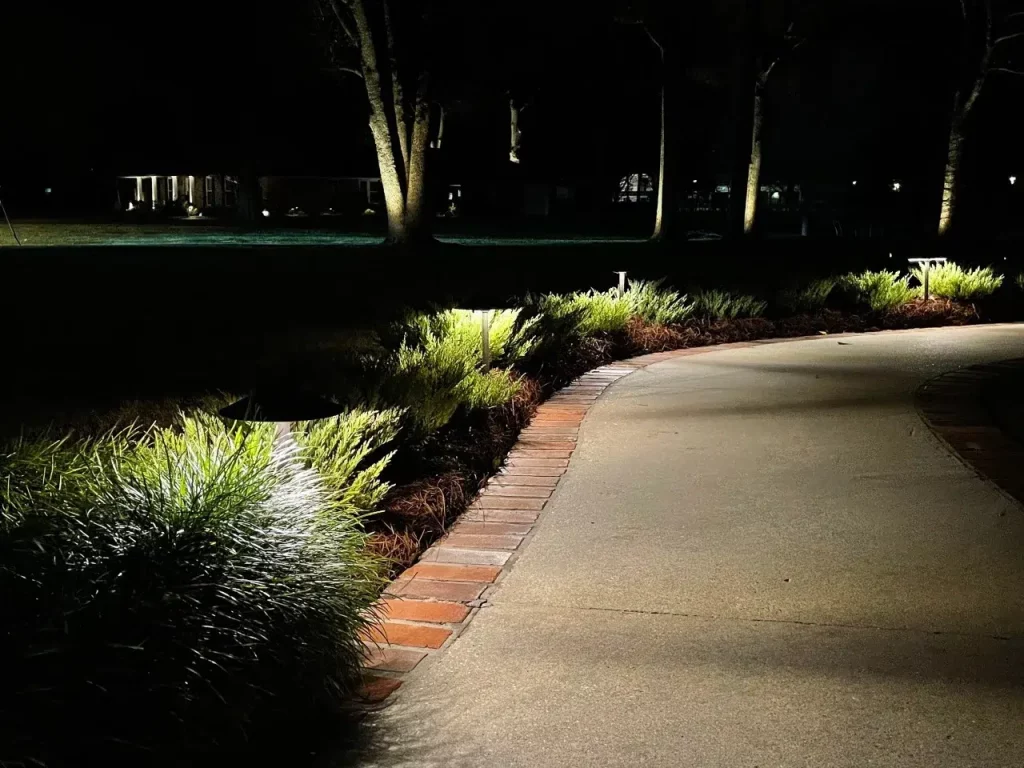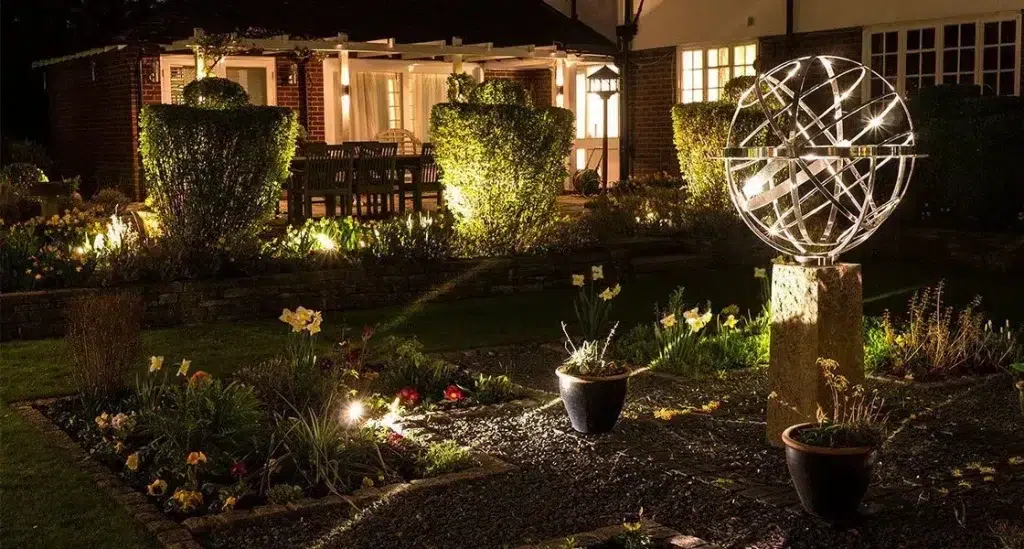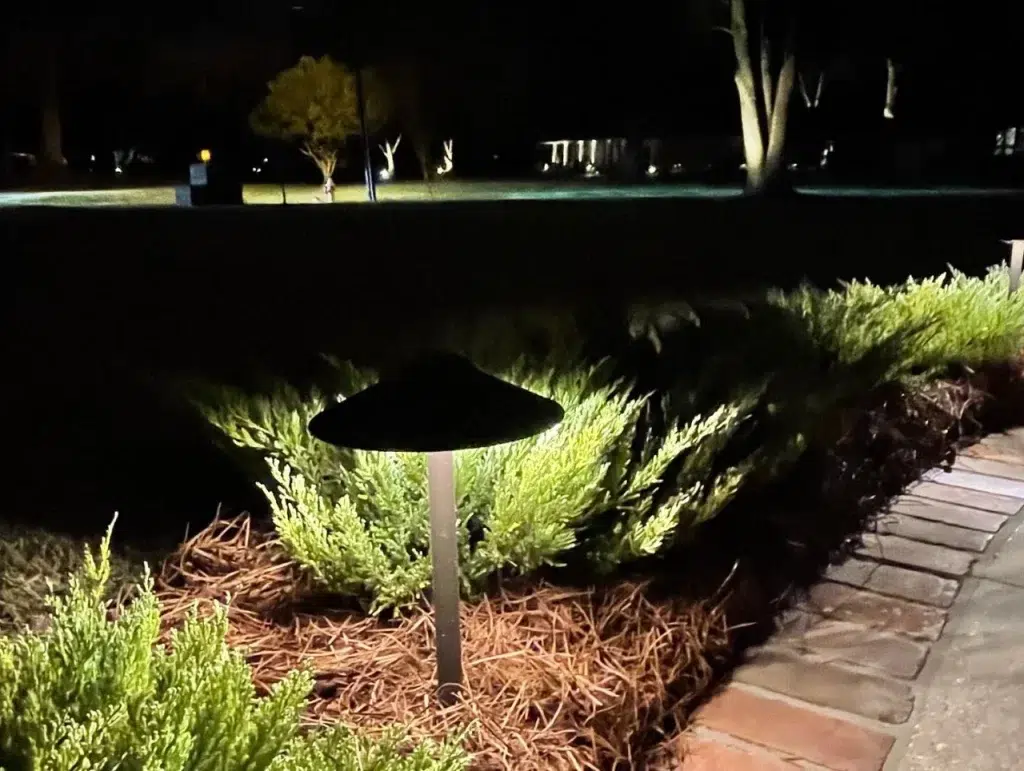
A beautiful yard doesn’t have to come with a high water bill. The best water saving landscaping ideas work with your local climate rather than against it, and they can cut water use dramatically while keeping (or even improving) the yard’s appearance. If you’re ready to redesign with water efficiency in mind, our full range of landscaping services covers everything from plant selection through installation. This guide walks through seven proven, practical ways to build a water-wise yard.
TL;DR: The most effective water-conserving landscaping strategies include choosing native and drought-tolerant plants, reducing traditional lawn space, mulching thoroughly, switching to drip irrigation, incorporating hardscaping, enhancing soil health, and harvesting rainwater. Combined, these water-efficient landscaping approaches can cut outdoor water use by 50% or more.
Choose Native and Drought-Tolerant Plants
The single biggest change you can make is picking plants suited to your region’s natural rainfall and soil. Native plants evolved to survive local conditions, so they need very little supplemental water once they’re established. For Louisiana yards, that includes species like Louisiana Iris, Black-Eyed Susan, and Buttonbush, all of which handle heat and humidity well. Drought-tolerant plants that aren’t technically native are a solid option too, since they’re built to survive on less water by design.
Grouping plants by water needs, known as hydrozoning, further boosts efficiency. It stops you from overwatering low-need plants just to keep thirstier ones alive nearby.
Bonus Tip: Look at what’s growing well in nearby parks or natural areas. It’s a fast way to spot which species already thrive in your specific microclimate without any help.
Rethink Your Lawn
Traditional turfgrass is one of the thirstiest parts of a typical yard. The Environmental Protection Agency estimates that landscape irrigation accounts for nearly one-third of all residential water use, adding up to nearly 9 billion gallons per day nationwide. Shrinking your lawn is one of the most direct ways to reduce water-efficient lawn care costs. A few alternatives worth considering for parts of your yard:
- Drought-Tolerant Groundcovers: Creeping Phlox or Sedum give you a lush, green look without grass-level water demands.
- Expanded Garden Beds: Swap sections of lawn for native perennials, shrubs, and ornamental grasses.
- Clover Lawns: White clover stays green on far less water than most turfgrass and fixes nitrogen in the soil as a bonus.
Use Mulch Effectively
A layer of mulch is a low-cost step with a big payoff for water conservation. It acts like a protective blanket over the soil and does several jobs at once: it slows evaporation by shielding soil from direct sun, it suppresses weeds that would otherwise compete with plants for water, and organic types improve soil structure as they break down, helping the ground hold moisture longer.
| Mulch Type | Water Conservation | Longevity | Other Benefits |
| Wood Chips/Bark | Excellent | 1 to 3 years | Improves soil as it decomposes |
| Pine Straw | Excellent | 1 year | Lightweight, good for slopes, acidifies soil |
| Gravel/Pebbles | Good | Permanent | Best for succulents and rock gardens, can heat soil |
| Compost | Good | Under 1 year | Enriches soil with nutrients but breaks down quickly |
Install a Drip Irrigation System
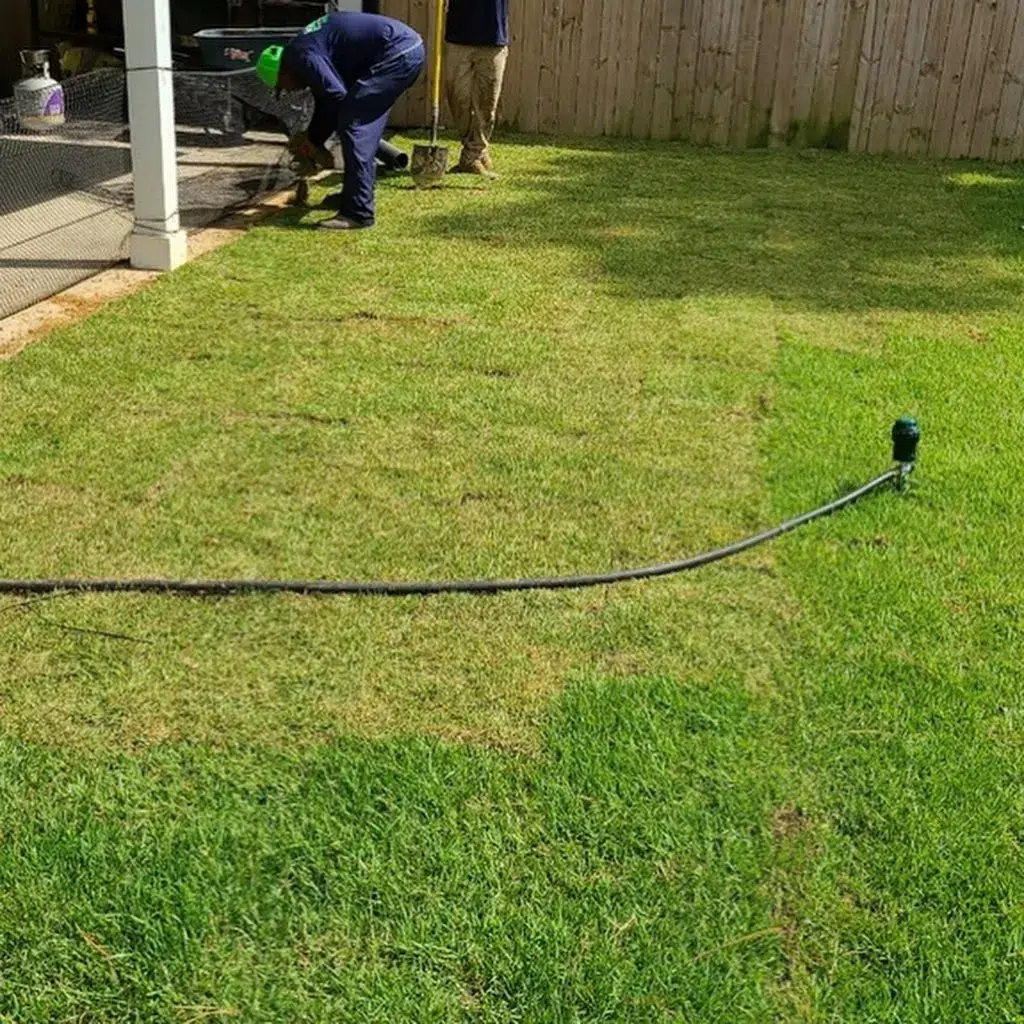
Not every watering method performs the same. Traditional sprinklers can waste a lot of water, and research from the University of Massachusetts points to up to 50% of sprinkler water being lost to wind, evaporation, and runoff. A drip system delivers water slowly and directly to the base of each plant through a network of tubes and small emitters, so nearly all of it reaches the roots instead of evaporating or running off. If your yard is still on a standard sprinkler timer, upgrading to a drip irrigation system installation is one of the fastest ways to see savings on garden beds, tree lines, and container plants.
Incorporate Hardscaping
Hardscaping, meaning the non-living parts of a yard like patios, walkways, decks, and retaining walls, can shrink the total area that needs watering at all. Swapping a thirsty patch of lawn for a permeable paver patio or gravel walkway saves water and adds usable outdoor space in the same move. Permeable materials like porous pavers or gravel add another benefit: they let rainwater soak back into the ground instead of running off into storm drains, which helps recharge groundwater and cuts down on erosion.
Improve Your Soil
Healthy soil is the real foundation of any water-wise yard. Soil rich in organic matter acts like a sponge, holding onto moisture between waterings. Many residential soils, especially in newer developments, are compacted and low on organic content, which makes them drain too fast or too slow. Working a few inches of compost into garden beds before planting improves structure and water-holding capacity right away, and top-dressing established beds with compost once a year keeps feeding both the soil and the plants.
Bonus Tip: Get a soil test done through a local extension office. It tells you your soil’s texture and composition, which makes it much easier to choose the right amendments instead of guessing.
Harvest Rainwater
Rainwater falls for free, so it makes sense to capture it. A rain barrel connects to a home’s downspouts to collect roof runoff, and a single one-inch rainstorm can produce hundreds of gallons from an average-sized roof. That water is naturally soft and chlorine-free, which makes it ideal for garden beds and container plants. For bigger properties, an underground cistern can store thousands of gallons for use during dry stretches.
Things to Consider Before Making a Decision
Before redesigning a yard for water efficiency, it helps to map out a few key factors first.
- Your Budget: Mulch is a low-cost start. A full drip irrigation system or a large patio is a bigger investment.
- Local Climate: Know your area’s average rainfall and temperature patterns. A dry climate has different needs than a region with regular summer rain.
- Sun Exposure: Map which parts of the yard get full sun, partial sun, or full shade, since this determines which drought-tolerant plants will actually thrive where.
- Maintenance Goals: Be honest about how much time you want to spend on yard work. A native plant garden, once established, typically needs far less upkeep than a traditional lawn.
Frequently Asked Questions
Can I still have colorful flowers in a water-wise garden?
Yes. Many drought-tolerant perennials, including Coneflower, Yarrow, and Salvia, produce long-lasting, colorful blooms and attract pollinators at the same time.
How do I transition my lawn away from traditional grass?
Do it in stages. Start with a small, hard-to-water spot, like a parking strip or steep slope, and convert it to a low-water alternative first, then expand gradually as you see results.
How much water can a drought-tolerant landscape really save?
A well-designed, water-wise yard can use 50% to 75% less water than a traditional lawn-centric one. Actual savings depend on plant choice, irrigation method, and local climate.
Are native plants difficult to find?
Not anymore. Most local nurseries now carry a dedicated native plant section, and specialty online nurseries ship species suited to specific regions.
Does hardscaping make my yard hotter?
Some materials, like dark stone or asphalt, absorb and radiate heat. Choosing lighter-colored materials, using permeable surfaces, and planting shade trees nearby all help offset this.
Is drip irrigation expensive to install?
The upfront cost tends to run higher than a traditional sprinkler system, but long-term water savings usually offset that investment over time. DIY kits are also available for smaller gardens.
Can I convert my existing sprinkler system?
Yes. Many systems can be retrofitted for higher efficiency by swapping in high-efficiency nozzles or converting entire zones to drip irrigation using conversion kits.
Final Thoughts
A yard that’s both beautiful and water-efficient is genuinely achievable. Smart plant choices, efficient watering, and healthy soil work together to create an outdoor space that’s sustainable, cost-effective, and built to last. Start by assessing your property and deciding which of these water-saving landscaping ideas fits your goals and budget best.
Ready to redesign your yard for water efficiency? Contact our team for a free consultation and quote, and we’ll help you put together a plan that fits your property and budget.
Related Read: For a wider look at planning a full landscape project, see our complete landscaping services guide.
Get Expert Guidance
Planning a water-wise landscape involves many choices. For professional design and installation tailored to your specific property, contact All Seasons Landscaping & Lawn Care. You can reach the team by phone at 225-276-8658 or by email at [email protected] to discuss your project and learn how to create a beautiful, sustainable outdoor space.
Sources
- Environmental Protection Agency – Provides statistics on residential outdoor water use across the United States.
- University of Massachusetts – Offers research and fact sheets on water conservation in landscaping, including data on irrigation efficiency.

- How Does Regular Hedge Trimming Improve Your Landscape’s Overall Appearance? - October 12, 2026
- The Complete Guide to Hedge Trimming, Care, Maintenance, and Healthy Growth - October 6, 2026
- How Can Professional Drainage Services in Central, LA Protect Your Property From Water Damage? - September 11, 2026