When heavy rains arrive, the anxiety related to potential home damage disappears only when properties are equipped with robust, functional drainage systems. The direct link between effective yard and foundation drainage and stress reduction is simple: prevention eliminates crisis. Proper systems, such as functional French drains, strategic surface grading, and extended downspouts, eliminate the most common rain-induced financial and physical stresses: foundation cracking, basement flooding, structural deterioration, and destructive soil erosion.
Rainfall creates stress by threatening a home’s most significant investment. When water accumulates around the foundation, it saturates the soil, creating hydrostatic pressure that can crack basement walls. It also causes soil contraction and expansion, which shifts the foundation slab. Avoiding these expensive, often catastrophic failures is the primary way good drainage delivers immediate peace of mind. This guide provides practical, experience-based insights into how these protective measures work, ensuring you understand the steps needed to secure your property before the next major storm.
Protecting Property Value Through Water Management
Managing water flow away from structures is not merely maintenance; it is asset protection. The moment rainwater sits against a house or pool area, the risk of serious financial loss increases. Addressing drainage after a flood has already occurred is exponentially more expensive and stressful than proactively installing the correct systems.
Data from the National Association of Insurance Commissioners shows that even minor water damage can quickly lead to high claim costs, placing unexpected financial burdens on homeowners. Furthermore, persistent moisture intrusion often leads to secondary issues, such as mold and mildew growth, which pose health risks and require complex, specialized remediation.
Bonus Tip 1: If you notice standing water (ponding) that persists for more than 12 hours after a heavy rain, the ground slope likely directs water toward your foundation rather than away from it. This needs immediate regrading or a dedicated catch basin.
Understanding Common Drainage Systems
Different water problems require different solutions. While many people think of drainage only in terms of visible trenches, the most effective systems often work silently underground or involve subtle changes to the landscape profile. Choosing the appropriate system depends entirely on the water volume, the slope severity, and the distance the water needs to be moved.
The following table compares three standard residential drainage solutions by primary function and required maintenance.
| Drainage System | Primary Function | Typical Installation Location | Maintenance Required |
|---|---|---|---|
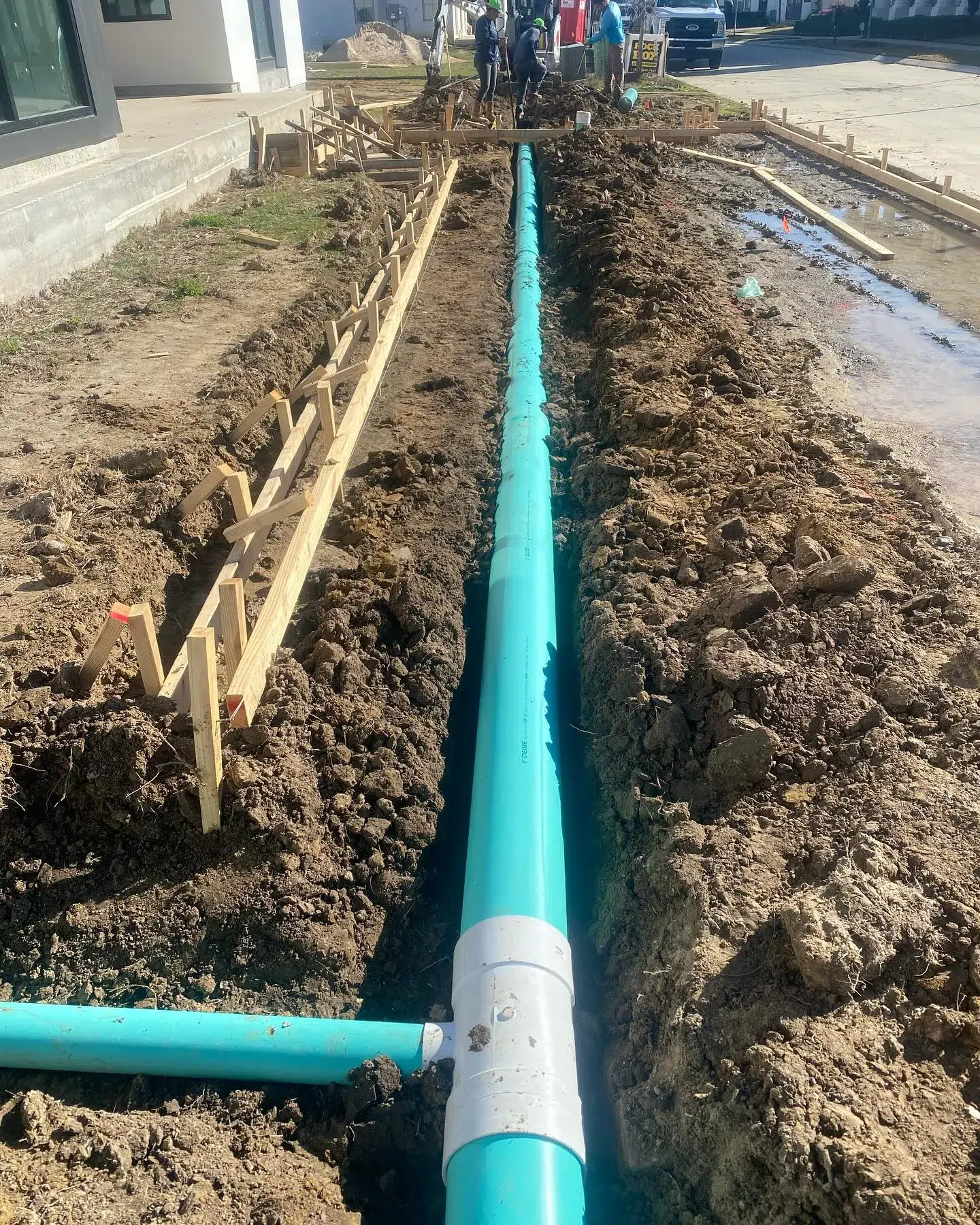
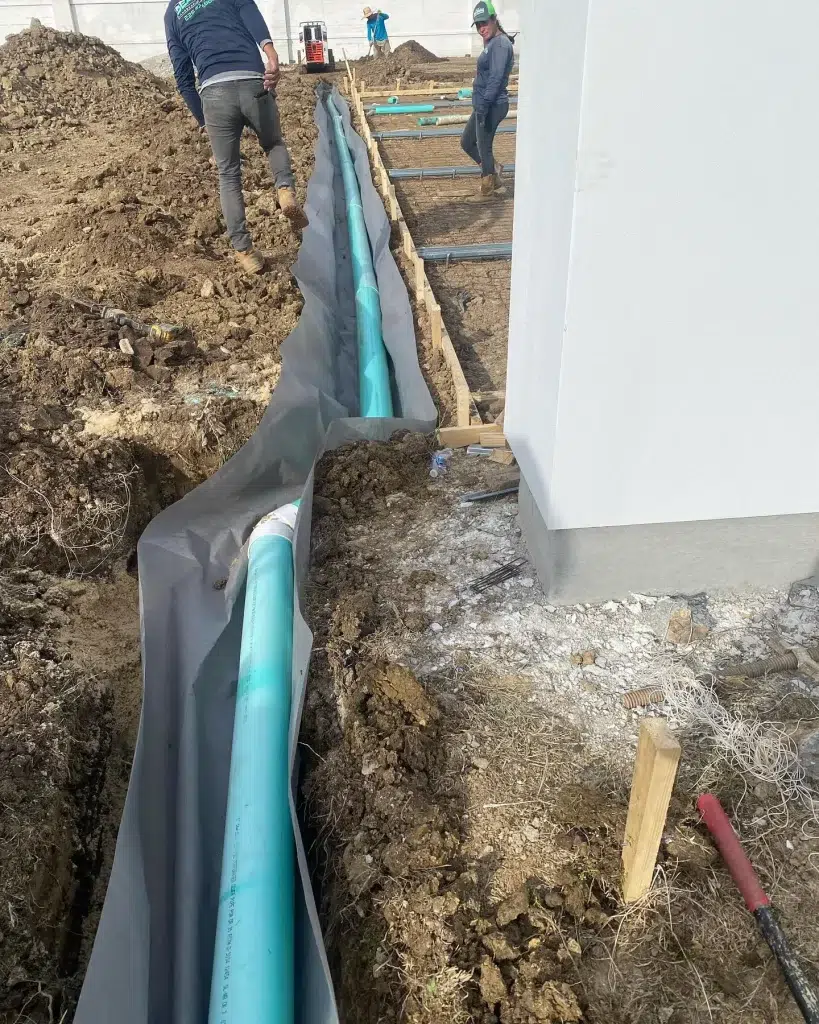
| French Drain | Relieves hydrostatic pressure and directs subsurface water away from foundations. | Parallel to foundation walls or across soggy lawn areas. | Requires periodic flushing (every 3-5 years) to clear silt from the pipe. |
| Catch Basin/Trench Drain | Collects surface runoff in high-volume areas (driveways, patios). | Low points where pooling occurs are connected to an outflow pipe. | Frequent clearing of debris and leaves from the grate. |
| Surface Grading | Alters the land slope to allow water to flow naturally by gravity. | The immediate perimeter of the house, sloping 6 inches over 10 feet. | Minimal, but requires annual monitoring for settling or erosion. |
Structural Integrity and Preventing Mold Stress
The most significant stressor from heavy rain is the threat to structural integrity. If water breaches the foundation, it sets the stage for exponential decay. Wet concrete and wood are prime breeding grounds for wood-destroying organisms and mold.
According to research from the U.S. Environmental Protection Agency, mold exposure can trigger health issues in sensitive individuals, including respiratory problems and allergic reactions. Preventing mold is inherently tied to moisture control. If a drainage system effectively removes water from the soil and prevents intrusion, it helps manage interior humidity and protect the home’s air quality.
Effective drainage systems protect the home’s exterior envelope. This includes preventing damage to exterior siding, window casings, and paint, all of which degrade rapidly when exposed to constant moisture saturation. This preservation reduces the likelihood of complex, interlinked repairs, a significant source of homeowner stress. Specific measures, such as managing roof drainage, are vital components of this exterior defense.
Bonus Tip 2: Ensure all downspout extensions discharge water at least 6 to 8 feet from the foundation, ideally onto a paved surface or into a dedicated drainage structure, rather than onto grass that might slope back toward the house.
Things to Consider Before Making a Decision
Before committing to a specific drainage installation, homeowners must conduct a thorough site assessment. This planning stage drastically reduces the risk of installing an ineffective system. The solution must fit the location’s specific geography and climate.
- Analyze the Slope: Walk the perimeter of the home during a rain shower to trace the water path. Identify where water pools or rushes. If the yard slopes toward the house, regrading may be the primary need, with a French drain as a secondary measure.
- Understand Soil Composition: Clay soils drain slowly, requiring gravity-fed surface runoff systems. Sandy or loamy soils drain quickly but may require subsurface systems to redirect water before it saturates the basement level.
- Determine Outflow Location: Where will the collected water go? Legal restrictions or utility easements often dictate where collected water can be discharged (e.g., street drains, dry wells, or natural runoff areas). Never direct water onto a neighbor’s property.
- Check Utility Locations: Before digging a trench or installing a drain, mark utility lines. Contacting the local utility notification center (e.g., 811) is mandatory to prevent costly and dangerous damage to service lines.
Completing this assessment ensures that the drainage investment is targeted, effective, and tailored precisely to the property’s unique challenges.
Regional Guidance on Rain Management
Different climates face different water management challenges. In areas with frequent, high-intensity rainfall, the system must handle large volumes quickly.
For example, in many parts of the Gulf Coast region, where ALL SEASON LANDSCAPING operates, the ground often stays saturated for extended periods, making hydrostatic pressure a constant threat. Solutions here frequently prioritize comprehensive subsurface drainage (French drains combined with sump pumps) over simple surface adjustments. Conversely, in drier climates with infrequent but intense downpours, a well-designed catch basin system and properly installed gutters may suffice to handle flash-flood conditions.
Understanding the average annual precipitation for the specific geographic area helps size the pipes and determine the required capacity of the drainage structure. The National Weather Service frequently publishes precipitation maps and forecasts that guide these technical decisions.
Common Questions About Drainage Solutions
These comprehensive questions and answers address both technical considerations for drainage installation and the critical role these systems play in mitigating everyday property stress.
Does a New Gutter System Replace the Need for Yard Drainage?
No, they serve complementary but distinct functions. Gutters capture water from the roof and guide it to the ground. Yard drainage (such as French drains or catch basins) manages water once it reaches the ground or addresses subsurface issues. If the ground near the foundation slopes improperly, even well-functioning gutters can contribute to foundation water problems if the downspouts are not extended far enough.
How Long Does a French Drain System Last?
With proper installation using filter fabric and quality perforated pipe, a French drain can last 15 to 20 years. The longevity depends heavily on the maintenance schedule. If left unchecked, sediment and tree roots can clog the pipe, rendering the system unusable well before its lifespan ends. Periodic flushing and root control measures are essential.
Bonus Tip 3: Always use Schedule 40 PVC pipe for French drain systems beneath high-traffic areas such as driveways or walkways, as the rigid material is far less likely to compress or break than thin corrugated pipe.
Can Landscaping Be Installed Over Drainage Systems?
Absolutely. Once the drainage pipe is buried, the trench is refilled and compacted. Grass, shrubs, and specific ground covers can be planted over the area. However, it is advisable to avoid planting large trees directly above or immediately adjacent to drainage lines, as their roots will aggressively seek the water inside the perforated pipes.
Is Drainage Primarily a Basement Problem?
No. While basement flooding is the most dramatic result of poor drainage, inadequate water management also affects slab foundations, causing uneven settling and damage to retaining walls due to excessive pressure. It also severely affects exterior walkways and patios by washing out the sub-base, leading to tripping hazards.
What Is the Difference Between a Dry Well and a Catch Basin?
A catch basin is a collection point for surface water that is then routed through a pipe. A dry well is an underground container or hole filled with gravel that collects and slowly disperses water back into the surrounding soil. A dry well is typically used when connecting to a municipal storm drain or when using gravity outflow is not feasible.
How Does Drainage Affect Mosquito Populations?
Standing water is the breeding ground for mosquitoes. Adequate drainage eliminates pooling in the yard, reducing the accessible habitat for these pests. This directly improves the usability of outdoor spaces and reduces the health risks associated with mosquito-borne illnesses.
How Do I Know If My Current System Is Failing?
Signs of failure include consistently soggy areas that never dry out, water stains on basement walls after rain, visible soil erosion near the foundation, or persistent mildew smells in the lower level of the house.
Securing Peace of Mind Through Prevention
The most significant benefit of installing a properly engineered drainage solution is the elimination of the underlying stress that accompanies every forecast of heavy rain. Investing in high-quality systems means shifting the focus from worrying about water damage to simply enjoying the natural beauty of the rain. Assess your yard’s grading, identify low spots, and evaluate how water flows during heavy downpours. By being proactive, property owners avoid the compounding financial and emotional distress that follows water damage.
Begin Your Water Management Assessment Today
Addressing water issues requires experience and specialized knowledge of topography and soil conditions. The expertise of ALL SEASON LANDSCAPING focuses on assessing the property’s slope and soil type to determine the right system. In regions with dense clay soil, such as many areas near Baton Rouge, water struggles to percolate, making surface runoff control even more critical. If you are unsure about your property’s vulnerability, consulting with experts is the first step toward securing your investment. ALL SEASON LANDSCAPING provides detailed assessments to customize drainage plans for residential properties. Contact us today at 225-276-8658 or email [email protected] to start planning your effective water management strategy.
Sources
- National Association of Insurance Commissioners – Source for data on insurance claim costs related to property damage, emphasizing financial risk.
- U.S. Environmental Protection Agency – Source for information concerning mold growth, moisture control, and associated health risks in residential settings.
- National Weather Service – Authority used to provide context on regional precipitation and high-intensity weather patterns that necessitate drainage planning.

- How Does Regular Hedge Trimming Improve Your Landscape’s Overall Appearance? - October 12, 2026
- The Complete Guide to Hedge Trimming, Care, Maintenance, and Healthy Growth - October 6, 2026
- How Can Professional Drainage Services in Central, LA Protect Your Property From Water Damage? - September 11, 2026