Professional drainage services in St. Francisville, LA, are a smart property investment because they address the region’s unique combination of low-lying terrain, clay-heavy soils, and Mississippi River proximity, all of which make properties here exceptionally vulnerable to water damage. By redirecting surface water away from your foundation and landscape, professional drainage systems protect structural integrity, prevent costly emergency repairs, and preserve long-term property value, making a drainage services guide a valuable resource for homeowners.
TL;DR
- St. Francisville sits near the Mississippi River and experiences significant flood risk, with a gauge station in St. Francisville recording record flood stages during the 2011 Mississippi River flood event, according to the National Weather Service
- Louisiana’s clay-rich soils hold water and increase saturation around foundations, as documented by the Louisiana Emergency Response Guide
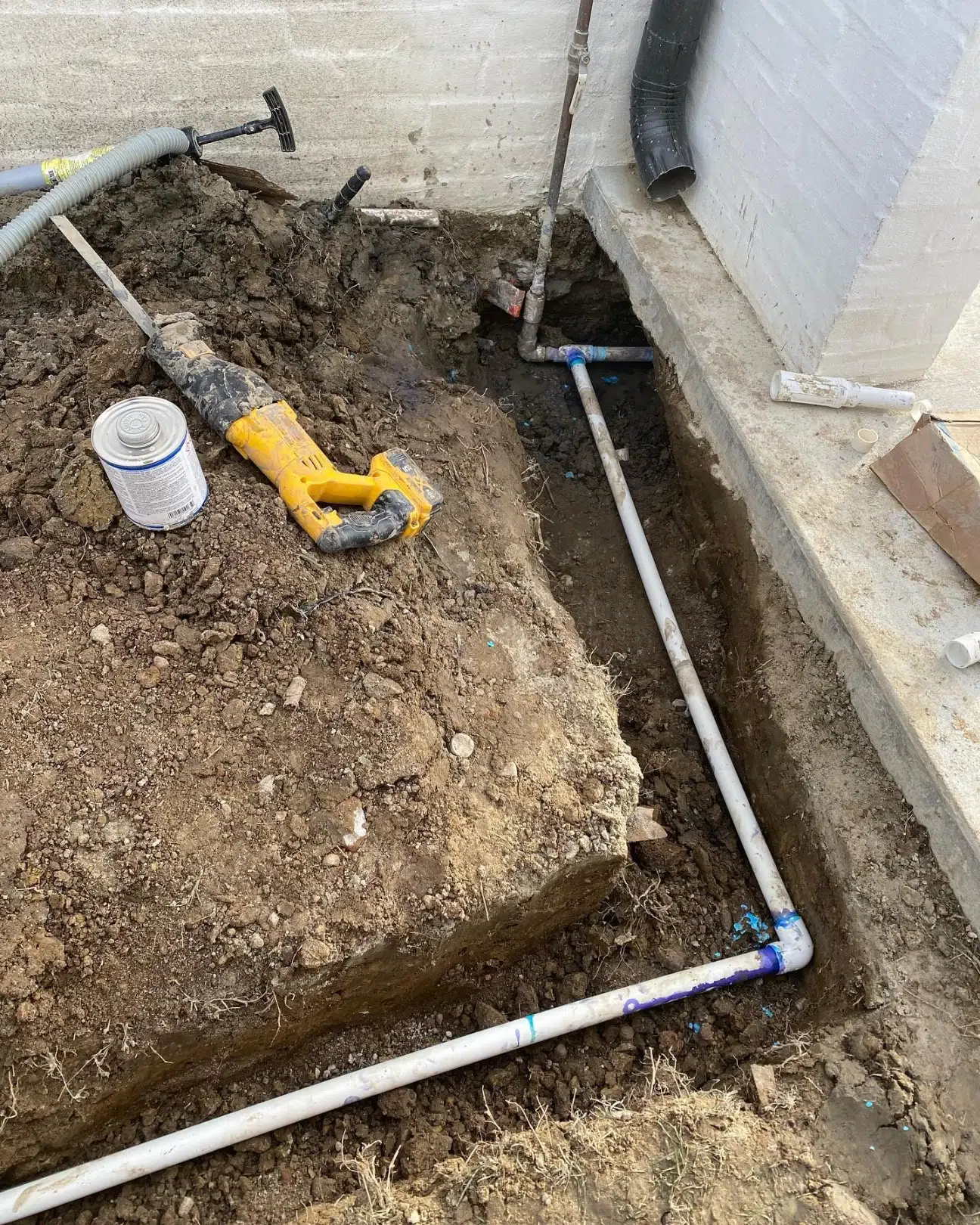
- Professional drainage systems, such as French drains and surface grading, work by redirecting surface water and groundwater away from building foundations to prevent structural deterioration
- FEMA maintains detailed flood hazard data for Louisiana parishes through its National Flood Insurance Program, underscoring the importance of proactive water management
- The National Weather Service reports that flooding causes more fatalities annually nationwide than lightning, hurricanes, and tornadoes combined, highlighting why water management matters
Why St. Francisville Properties Face Elevated Water Risk
St. Francisville sits in West Feliciana Parish along the Mississippi River corridor, a geography that creates consistent drainage challenges for homeowners and commercial property owners. Several compounding factors make this area particularly flood-prone, making landscaping solutions for water pooling an important consideration for many properties.
Soil Composition and Water Retention
The soil composition across much of Louisiana tends toward expansive clay varieties that expand when saturated and retain water for extended periods. When soil around a foundation becomes oversaturated, hydrostatic pressure builds against the basement and crawl space walls. Over time, this pressure forces moisture through concrete, causes foundation cracks, and undermines structural stability. French drain systems were specifically designed to address this problem by collecting and redirecting groundwater before it reaches vulnerable structural areas.
Mississippi River Proximity and Record Flooding
The Mississippi River at St. Francisville has set multiple flood records. During the 2011 Mississippi River flood, a recently established gauge at St. Francisville set a new flood record of 53.48 feet on May 18th, as documented by the National Weather Service. Properties near the riverfront need professional drainage solutions that can handle extreme water volumes during flood events.
Regional Rainfall Patterns
Louisiana receives heavy rainfall throughout the year, with intense thunderstorms during the summer months and prolonged river flooding in cooler months. The Louisiana Emergency Response Guide notes that Louisiana is particularly vulnerable to flash flooding because it lies on low-lying marshes where soil saturates quickly during heavy rainfall. Properties without adequate drainage accumulate standing water after even moderate storms, leading to foundation damage, landscape erosion, and mosquito breeding grounds.
How Professional Drainage Systems Protect Property Value
Types of Drainage Solutions
Professional contractors typically deploy a combination of systems tailored to the specific topography and soil conditions of each property. Understanding what each type accomplishes helps you evaluate which approach fits your situation.
| Drainage Type | Best For | How It Works | Key Benefit |
|---|---|---|---|
| French Drain | Properties with groundwater pooling, saturated lawns | Perforated pipe installed in a gravel-filled trench to collect and redirect subsurface water | Protects the foundation from hydrostatic pressure and moisture intrusion |
| Surface Grading | Yards with standing water after rain | Reshaping the ground slope to direct water flow away from structures | Eliminates surface pooling and prevents erosion |
| Channel Drain | Properties with runoff patterns from slopes or driveways | Open trench lined with stone, directing water along a controlled path | Handles concentrated flow from hardscape and impervious surfaces |
| Catch Basin & Downspout Extension | Homes with roof drainage issues | Connecting downspouts to underground pipe systems that carry water away from the foundation | Prevents water accumulation near the foundation perimeter |
| Dry Well | Properties with limited discharge options | An underground chamber filled with gravel that allows water to percolate slowly into the ground | Provides effective discharge without connecting to municipal systems |
Long-Term Savings vs. Reactive Repairs
The financial case for professional drainage comes down to a simple equation: the cost of prevention versus the cost of recovery. Water damage to foundations and basements often requires expensive structural engineering repairs that far exceed the investment in drainage infrastructure. Standing water also degrades landscaping, creates conditions for mold growth, and can reduce curb appeal.
Comparing Drainage Approaches
Professional Installation vs. DIY
| Factor | Professional Installation | DIY Approach |
|---|---|---|
| Custom Design | Site-specific engineering based on soil analysis and topography | Generic internet plans that may not address root causes |
| Permitting | Handles municipal code requirements and FEMA compliance | Often overlooked, risking fines and coverage issues |
| Equipment | Commercial-grade machinery for proper depth and compaction | Limited to hand tools, risking shallow or improperly graded trenches |
| Longevity | Correct depth, slope, and filter fabric prevent clogging for years | Prone to failure without proper materials and technique |
| Warranty | Professional guarantees on workmanship | No recourse if the system fails |
As noted by Wikipedia, municipalities may require permits for building drainage systems, since federal law requires water sent to storm drains to be free of specific contaminants and sediment. This regulatory aspect alone makes professional installation the safer and more reliable path.
Signs Your Property Needs Drainage Work
Not every property needs immediate intervention, but several indicators suggest your property could benefit from a professional drainage assessment.
- Standing water that persists for more than 48 hours after rainfall
- Water stains or efflorescence on foundation walls indicate moisture penetration
- Soggy or constantly damp crawlspaces and basements
- Erosion channels form in your yard where water carves paths
- Mold or mildew recurring in lower levels of the home
- Cracks in concrete driveways, patios, or foundation walls that worsen after rain
- Gutters and downspouts that overflow during moderate storms
Any combination of these signs warrants a consultation with a drainage professional who can assess your property’s specific conditions.
What to Look for in a Drainage Provider
Choosing the right contractor matters as much as choosing the right system. Quality indicators include:
- Thorough site assessment before quoting – A professional evaluates grading, soil type, existing water flow patterns, and nearby municipal infrastructure before recommending solutions
- Detailed written proposals – Clear scope of work, materials specified, timeline, and warranty terms
- Knowledge of local conditions – Familiarity with West Feliciana Parish soil types, FEMA flood zone designations, and parish regulations
- Transparent pricing – Itemized costs with no hidden fees and clear payment terms
- References and portfolio – Local examples of completed projects with verifiable results
Seasonal Considerations for St. Francisville Properties
Drainage needs in St. Francisville shift with the seasons. Spring brings the heaviest rainfall combined with the Mississippi River rise, while summer thunderstorms can deliver extreme rainfall in short bursts. The fall hurricane season presents the risk of tropical systems pushing water inland. Winter brings saturated ground from seasonal rainfall, making professional landscaping services in St. Francisville essential for year-round property protection.
A well-designed drainage system accounts for all of these scenarios. Proper grading ensures water moves away from structures regardless of the source, while French drain systems installed at the correct depth and slope continue functioning year-round as long as they are not clogged with sediment or roots.
FAQ
How long does a French drain system typically last?
With proper installation, including filter fabric, correct slope, and quality materials, a French drain can function effectively for decades. Maintenance inspections every few years help ensure continued performance.
Do I need a permit for drainage work on my property?
Requirements vary by parish, but many Louisiana municipalities require permits for drainage installations, especially those connecting to municipal storm drains. A licensed contractor will navigate local regulations for you.
Do I need a permit for drainage work on my property?
Requirements vary by parish, but many Louisiana municipalities require permits for drainage installations, especially those connecting to municipal storm drains. A licensed contractor will navigate local regulations for you.
Can drainage improvements reduce my flood insurance premiums?
Proper drainage can mitigate flood risk, which may positively influence insurance assessments. Check with your insurer about credits for drainage improvements, especially in FEMA-designated flood zones.
What happens if I ignore drainage issues on my property?
Ignoring drainage problems allows water to accumulate near your foundation, increasing the risk of structural damage, mold growth, soil erosion, and declining property value over time.
Is drainage work only necessary for homes near the river?
No. Properties across St. Francisville face drainage challenges from local rainfall, clay soils, and grading issues, not just riverfront properties. Any home with water accumulation problems can benefit from professional drainage solutions.
CTA
Protect your St. Francisville property from water damage with professional drainage services from All Seasons Landscaping & Lawn Care. Our team assesses every property individually, designs custom drainage solutions, and installs systems built to handle Louisiana’s demanding climate and soil conditions. Whether you need a French drain, surface grading, or a comprehensive stormwater management plan, we have the experience to do it right the first time.
📞 Call (225) 276-8658 or email [email protected] to request your quote today.
Don’t wait for the next storm to expose your property’s vulnerabilities. Professional drainage is an investment that pays for itself in avoided repairs and preserved value.
Sources
- Wikipedia – French Drain – Comprehensive reference on French drain construction, history, variants, and municipal permitting requirements for subsurface drainage systems.
- National Weather Service – Flooding in Louisiana – Historical flood records for St. Francisville, Mississippi River flood data, and significant Louisiana flood events documenting the region’s flood vulnerability.
- Louisiana Emergency Response Guide – Flash Floods – Detailed information on Louisiana’s flash flood risk factors, including topography, soil texture, and precipitation patterns that affect drainage needs.
- USGS Publications Warehouse – Louisiana Flood Zone – Federal metadata documenting flood zone designations derived from FEMA FIRM data for Louisiana parishes used in insurance rating and floodplain management.

- How Does Regular Hedge Trimming Improve Your Landscape’s Overall Appearance? - October 12, 2026
- The Complete Guide to Hedge Trimming, Care, Maintenance, and Healthy Growth - October 6, 2026
- How Can Professional Drainage Services in Central, LA Protect Your Property From Water Damage? - September 11, 2026