Exterior drainage services stop water before it enters a home by managing the flow of rainwater and groundwater away from the foundation. In Baton Rouge, the combination of heavy rainfall and expansive clay soils creates a high risk for basement flooding, making proper drainage installation the most effective way to protect a property. Systems like French drains, surface drains, and proper grading work together to lower the water table and prevent hydrostatic pressure from pushing moisture through basement walls. This guide explains how these systems function, what property owners need to know about local conditions, and how to choose the right solution for long-term protection.
Baton Rouge homeowners face specific challenges due to the local climate. The area receives over 60 inches of rain annually, significantly higher than the national average. Data from the National Weather Service indicates that heavy downpours are frequent, especially during the spring and summer months. This volume of water saturates the ground quickly, and because the soil in the region contains high amounts of clay, it drains poorly. Clay expands when wet and shrinks when dry, which can shift the ground and crack foundations over time. ALL SEASON LANDSCAPING understands that without a way to redirect this water, it will inevitably find the path of least resistance, often ending up in a basement.
How Exterior Drainage Systems Work
Exterior drainage focuses on capturing water where it falls or where it collects underground and moving it to a safe discharge point. This differs from interior waterproofing, which only manages water after it has already entered the home. By addressing the issue outside, these systems keep the soil around the foundation drier and reduce pressure on basement walls.
French Drains
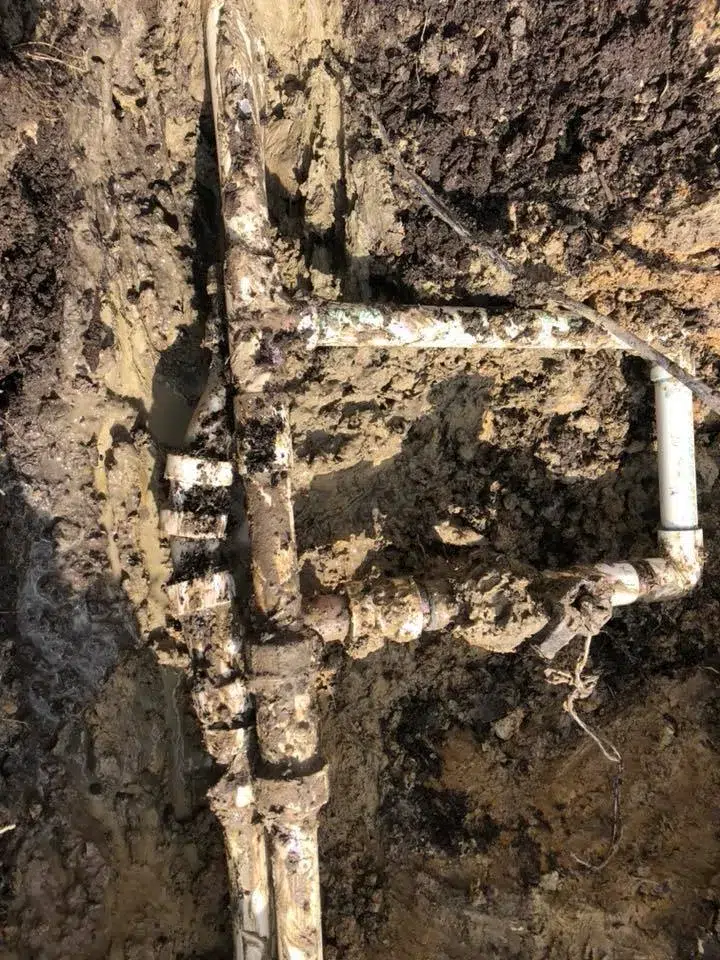
A French drain is a trench filled with gravel and a perforated pipe that sits below the soil surface. It captures groundwater before it reaches the basement floor. The pipe collects the water and carries it away from the house, usually to a storm drain, a dry well, or a sloped area of the yard.
Surface Drains
Surface drains consist of catch basins placed in low-lying areas of the yard or driveway. These grates inlets collect water that pools on top of the ground during rainstorms. Solid pipes connect the basins to an outlet, preventing puddles that can seep into the foundation.
Grading and Swales
Proper grading ensures the ground slopes away from the house. Sometimes a shallow ditch, called a swale, is used to channel water around the home and toward a drainage area. This is a simple but effective method for handling surface runoff.
Bonus Tip: Check the downspouts during the next rainstorm. If they pour water right next to the foundation, extend them at least 10 feet away or connect them to an underground drainpipe.
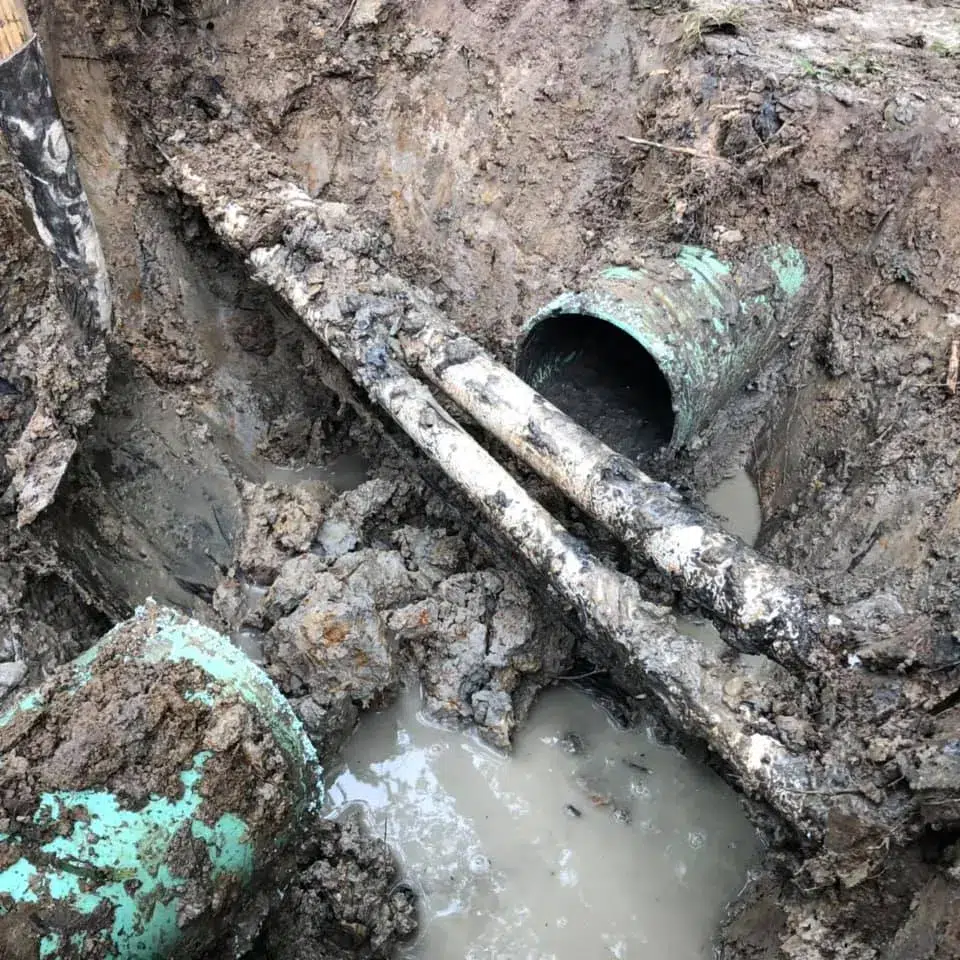
Comparing Drainage Options
Choosing the right system depends on the specific problem. Some homes suffer from surface puddling, while others deal with rising groundwater. The following table outlines the differences between common solutions.
| System Type | Best For | Installation Complexity | Maintenance Level |
|---|---|---|---|
| French Drain | High water table, seepage through walls | High (requires excavation) | Moderate (check for clogs) |
| Surface Drain | Standing water in the yard, driveway runoff | Moderate | High (clean debris from grates) |
| Gutter Extension | Roof runoff near the foundation | Low | Low (flush leaves occasionally) |
| Dry Well | Discharging water in flat yards | Moderate | Low (sediment removal over time) |
The Financial Impact of Water Damage
Investing in exterior drainage costs far less than repairing a flooded basement. According to the Insurance Information Institute, water damage is one of the most common and costly claims for homeowners. A single inch of water in a basement can cause thousands of dollars in damage to drywall, flooring, and personal belongings. Furthermore, prolonged moisture encourages mold growth, which creates health hazards and adds to the remediation costs.
Bonus Tip: Plant native Louisiana plants that tolerate wet soil near drainage areas. Their deep roots can help absorb excess moisture and stabilize the soil.
Things to Consider Before Making a Decision
Before hiring a contractor or starting a project, several factors require evaluation.
Soil Composition
Baton Rouge soil often contains “buckshot” clay, which is heavy and sticky. This soil type slows water absorption. A contractor needs to account for this when designing the pipe slope, as water will not percolate into the ground as quickly as it would in sandy soil.
Discharge Location
The water must go somewhere. Simply moving the problem to a neighbor’s yard creates legal issues and conflict. The discharge point must be a municipal storm drain or a suitable area on the property that drains away from any structures. Local building codes in East Baton Rouge Parish dictate where discharge is permitted.
Existing Landscaping
Excavating for a French drain can disrupt gardens, trees, and hardscaping. ALL SEASON LANDSCAPING often advises planning the route of the drain to minimize damage to established plants. In some cases, mature plants may need to be temporarily relocated.
Permits and Regulations
Major drainage projects often require permits. The City of Baton Rouge and Parish of East Baton Rouge have specific regulations regarding grading and connecting to public storm drains. Ignoring these rules can result in fines and mandatory removal of the work.
Bonus Tip: If a sump pump is installed, ensure it has a battery backup. Power outages often occur during severe thunderstorms, exactly when the pump is needed most.
Frequently Asked Questions
How long do exterior drainage systems last?
A properly installed French drain can last for decades. The plastic pipe is durable, but the fabric filter and gravel may eventually clog with sediment. With proper maintenance, a system can function effectively for 30 to 40 years.
Can a homeowner install a French drain?
While simple surface drains are DIY-friendly, a French drain requires significant excavation and knowledge of proper slope. An incorrect slope can cause water to pool against the foundation rather than drain away, making the problem worse.
Does the yard need to be regraded?
If the ground slopes toward the house, regrading is necessary. No drainage system can work efficiently if the landscape directs water into the foundation. Grading is often the first step in a comprehensive drainage plan.
What is the best time of year to install drainage?
Late fall or winter is often the best time in Baton Rouge. The ground is softer from autumn rains, making excavation easier, and the heavy spring storms have not yet arrived.
Final Thoughts on Protecting a Basement
Protecting a basement requires a proactive approach that manages water outside the home. Exterior drainage services offer a permanent solution to the challenges posed by Baton Rouge’s heavy rainfall and clay soil. Property owners should assess their current yard grading, check for signs of pooling water, and consult with professionals to design a system that effectively channels water away from the foundation. Addressing drainage issues early prevents structural damage and saves money in the long run.
Get Professional Help
For homeowners in Baton Rouge experiencing drainage issues or basement moisture, a professional assessment ensures the right solution. Contact ALL SEASON LANDSCAPING to schedule a consultation and discuss specific exterior drainage needs. Reach out by email at [email protected] or call 225-276-8658 to protect the home from water damage.
Sources
- National Weather Service – Official source for climate data, precipitation averages, and weather patterns for the Baton Rouge region.
- Insurance Information Institute – Provider of statistical data on insurance claims, including the frequency and cost of water damage claims for homeowners.
- LSU AgCenter – The Louisiana State University Agricultural Center provides research-based information on local soil composition, including the properties and challenges of clay soils in Louisiana.

- How Does Regular Hedge Trimming Improve Your Landscape’s Overall Appearance? - October 12, 2026
- The Complete Guide to Hedge Trimming, Care, Maintenance, and Healthy Growth - October 6, 2026
- How Can Professional Drainage Services in Central, LA Protect Your Property From Water Damage? - September 11, 2026