Grading serves as the primary defense against water damage by shaping the ground to direct water flow away from structures. It establishes the necessary slope for gravity to move runoff effectively, ensuring that expensive drainage systems, such as French drains or catch basins, function as intended. Without a proper slope, water pools against foundations, erodes soil, and creates breeding grounds for pests. This article details the technical requirements of effective grading, the specific risks of poor drainage, and the regional factors that influence land management in Louisiana.
Effective drainage relies on physics before it relies on pipes. Gravity moves water, and grading creates the path. When the ground slopes away from a building at the correct angle, water naturally flows into designated collection points or off the property entirely. This fundamental step prevents water from saturating the soil near the foundation, which is the leading cause of structural settling. ALL SEASON LANDSCAPING frequently observes that drainage failures are almost always grading failures first.
The Physics of Slope and Water Movement
Water always seeks the lowest point. If that point is next to a foundation, the hydrostatic pressure against the concrete rises. This pressure forces water through microscopic pores in the concrete, leading to damp basements or crawl spaces. Over time, this moisture causes wood rot, mold growth, and cracks in the foundation walls.
Grading manipulates the topography to ensure the lowest point is far from the structure. The industry standard for positive drainage requires the ground to drop a minimum distance over a specific horizontal run. This slope must be consistent. If a lawn dips or creates a “bird bath” depression, water collects there. During heavy rains, these depressions overflow, potentially reversing the flow and sending water back toward the house.
Market data indicates that proper grading can significantly reduce long-term maintenance costs. According to the National Association of Home Builders, improper grading and drainage are responsible for the majority of water-related warranty claims in new construction. This statistic highlights how often this initial step is overlooked or executed poorly.
Understanding Slope Specifications
Not all slopes are created equal. Different surfaces and soil types require specific angles to facilitate runoff without causing erosion.
Recommended Slope Requirements
| Surface Type | Minimum Slope (Ratio) | Drop per 10 Feet | Application Notes |
|---|---|---|---|
| Lawn/Grass | 2% (1:50) | 2.4 inches | Steep enough for flow, gentle enough for mowing. |
| Gravel/Pavers | 1% (1:100) | 1.2 inches | Smoother surfaces allow for flatter grades. |
| Impervious (Concrete) | 1% – 2% | 1.2 – 2.4 inches | Too flat causes puddling; too steep causes runoff velocity issues. |
| Swales | 2% – 4% | 2.4 – 4.8 inches | Needs enough velocity to keep it flowing but not erode the channel. |
Bonus Tip: Use a Line Level For a quick check, tie a string to a stake at the foundation and pull it taut to a point 10 feet away. Use a line level to ensure the string is straight. Measure the distance from the string to the ground at the far stake. There should be at least a two-inch drop.
Regional Considerations for Louisiana
Louisiana presents unique challenges due to its high annual rainfall and soil composition. The state receives an average of 60 inches of rain annually, significantly higher than the national average. According to the LSU AgCenter, this high volume requires grading strategies that can withstand rapid water saturation without causing erosion.
The soil is often expansive clay. When clay gets wet, it swells. When it dries, it shrinks. This movement puts immense stress on foundations. Proper grading keeps water away from the soil immediately surrounding the house, reducing the expansion and contraction cycle. In flat areas where natural slope is difficult to achieve, contractors often create “berms” or raised banks to redirect water flow toward a swale or a drainage ditch.
Things to Consider Before Making a Decision
Before altering the grade of a property, several site-specific factors must be evaluated.
Soil Stability
Sandy soil is easy to move but can erode quickly if the slope is too steep. Clay soil holds its shape but drains poorly. In clay-heavy areas, adding organic matter or installing subsurface drainage might be necessary alongside surface grading.
Existing Structures
Trees, patios, and sidewalks limit how much the grade can change. Raising the grade above the weep holes will cause water to enter the wall cavity. Conversely, lowering the grade too much might expose shallow footing lines. Measurements must take these fixed elements into account.
Neighbor Impact
Water must leave the property responsibly. Redirecting runoff onto a neighbor’s yard can lead to legal disputes and drainage lawsuits. The grading plan must ensure water flows to a municipal storm drain, a designated ditch, or a public street, never onto an adjacent private property.
Bonus Tip: Check Utility Lines. Always call 811 before grading. Buried gas, electric, and water lines dictate where heavy equipment can dig and how deep the grade can be lowered.
Expert Insights and Practical Experience
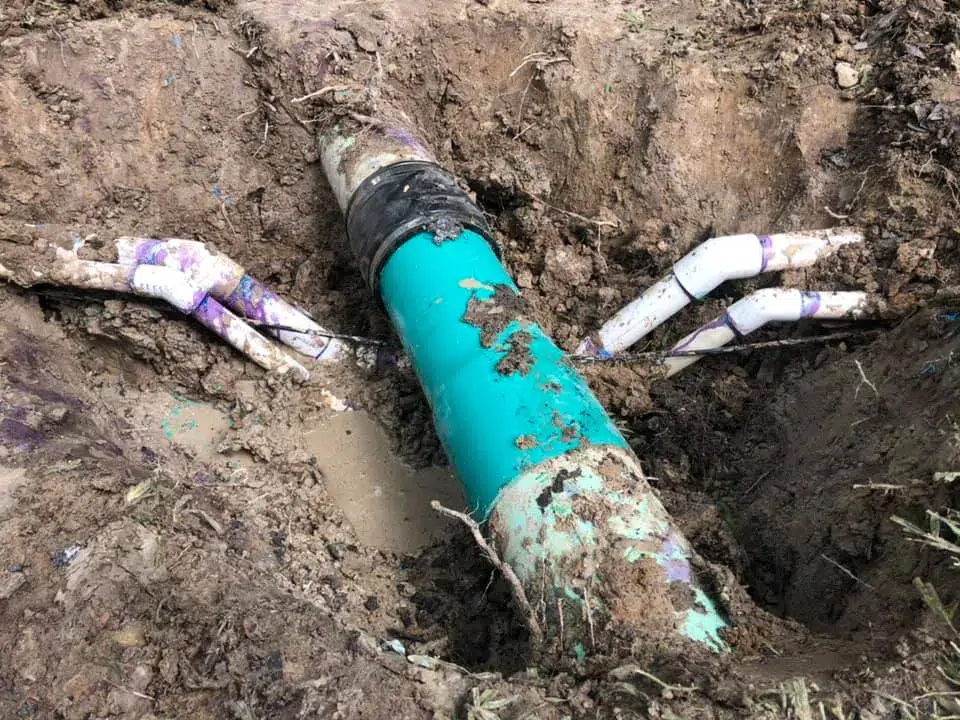
Many homeowners install expensive French drains, thinking they are the ultimate solution. Yet, without proper grading, surface water never reaches the drain intake. The pipe sits dry while the yard floods. The ground must direct the water to the drain for the system to work.
Bonus Tip: The Soil Test Dig a small hole about one foot deep. Fill it with water. If it takes longer than an hour to drain, the soil has poor permeability. In this case, grading alone may not suffice. You might require a combination of surface grading and underground pipes to move the water effectively.
Market data from the home improvement sector supports the cost-effectiveness of preventive grading. Fixing a foundation after water damage can cost upwards of $10,000, whereas regrading a yard typically costs a fraction of that. Investing in the correct slope upfront saves significant capital later.
Why Grading is a Critical Part of Effective Drainage Services
Grading is the unsung hero of property management. It dictates where water goes and how fast it gets there. Whether dealing with the heavy rains of Baton Rouge or the clay-rich soils of the region, a well-graded lot helps maintain the home’s structural integrity. It prevents erosion, protects landscaping investment, and stops water from entering living spaces. Before spending money on pipes and pumps, the ground must tell the water where to go.
Evaluate the current slope of the property. Look for pooling water within 10 feet of the foundation. Check if the soil pulls away from the slab, indicating shrinkage from poor drainage. Addressing these signs early through professional grading provides long-term security for the home.
Common Drainage Issues Answered
Is a 2% slope enough for grass?
Yes, a 2% slope provides sufficient drainage for grass while remaining stable enough for mowing and foot traffic. Anything less might allow water to pool.
What happens if the ground is too flat?
Flat ground allows water to sit and saturate the soil. This creates mosquito problems, kills the grass roots, and eventually forces water into the foundation.
Can I grade my yard myself?
Small areas can be graded manually with a shovel and rake. However, correcting major drainage issues requires laser levels and heavy equipment to ensure uniformity and proper compaction.
How do I know if my drainage is working?
After a heavy rain, walk the yard. There should be no standing water within 24 hours. If water remains near the foundation or in low spots, the grade needs to be adjusted.
Does grading affect irrigation?
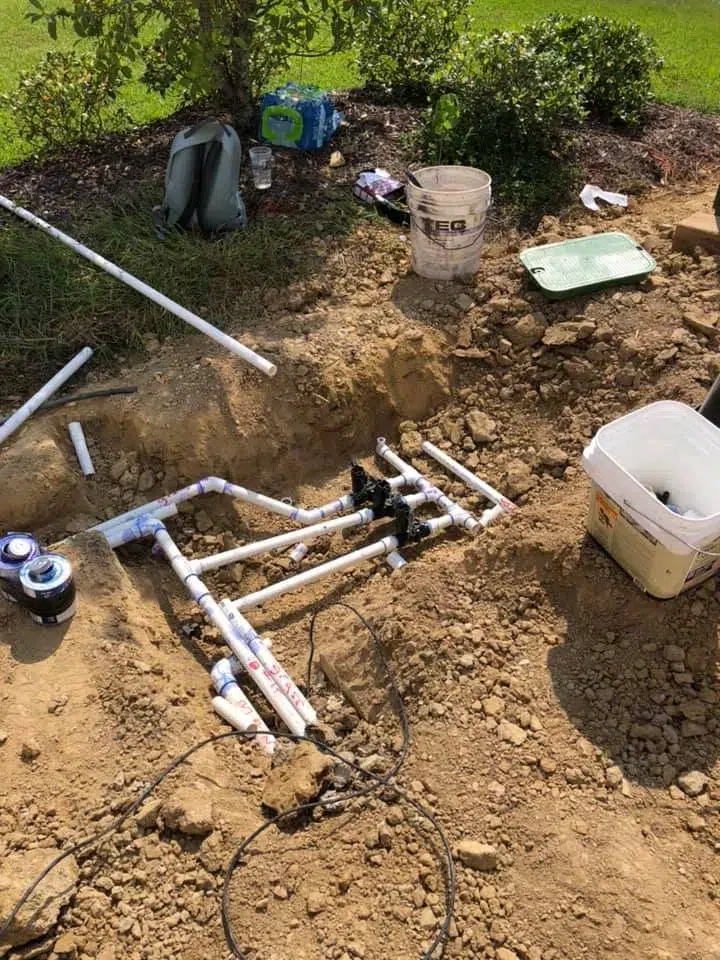
Yes, grading affects how water is distributed. Sprinkler heads may need adjustment after grading to ensure they are not watering the street or a patio.
Get Your Drainage Evaluated
Effective drainage starts with the ground. ALL SEASON LANDSCAPING provides professional assessments to determine if your property has the correct grade to protect your investment. Addressing slope issues now prevents foundation damage and landscaping loss later. Contact ALL SEASON LANDSCAPING at [email protected] or call 225-276-8658 to schedule a consultation.
Sources
- LSU AgCenter – The Louisiana State University Agricultural Center provides research-based information on soil management and drainage specific to the Gulf Coast region.
- National Association of Home Builders – NAHB offers industry data on building standards, including the impact of grading and drainage on structural integrity and warranty claims.
- NRCS USDA – The Natural Resources Conservation Service provides engineering technical standards for water management, including slope calculations and erosion control.

- How Can Professional Drainage Services in Central, LA Protect Your Property From Water Damage? - September 11, 2026
- Which Areas of Your Property Benefit Most From Outdoor Lighting for Safety and Curb Appeal? - September 11, 2026
- How Does Professional Outdoor Lighting Transform Your Landscape at Night in Baton Rouge, LA? - September 9, 2026