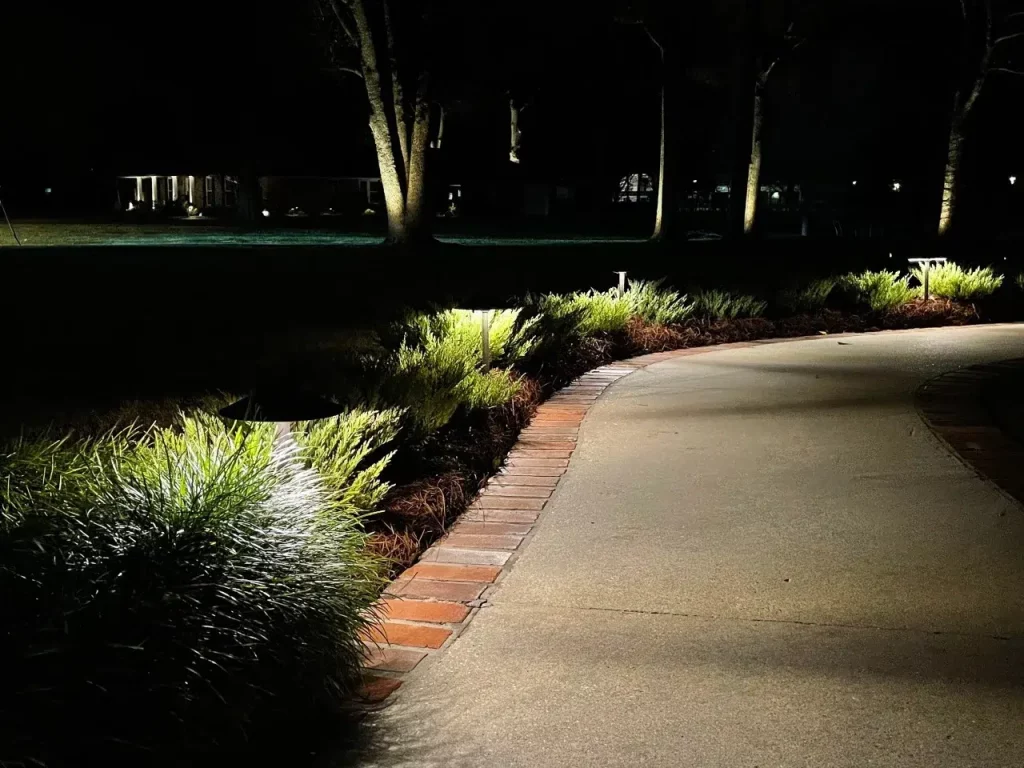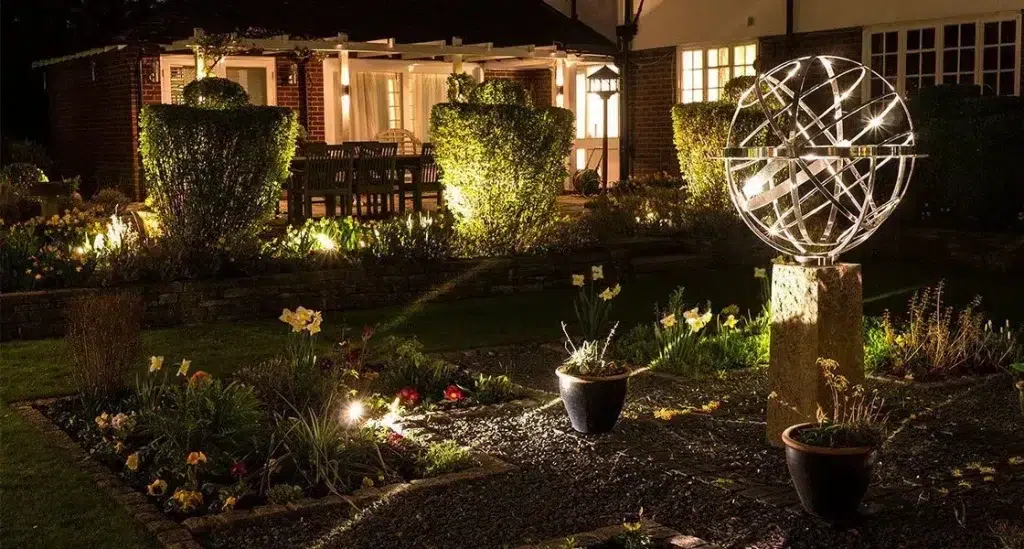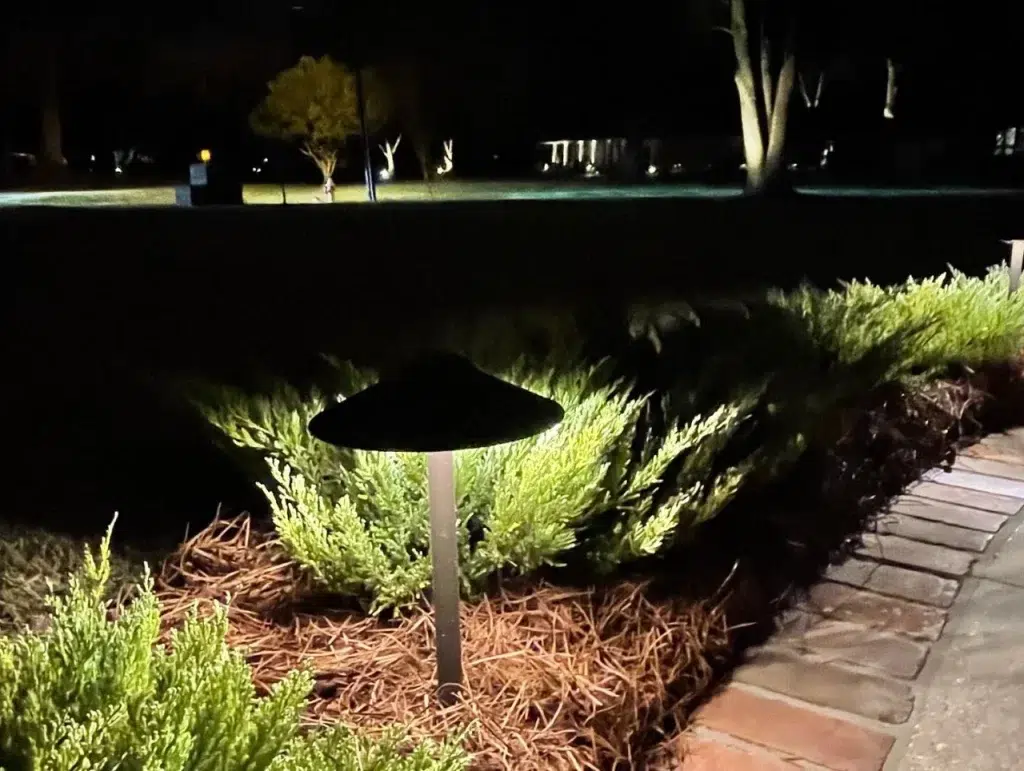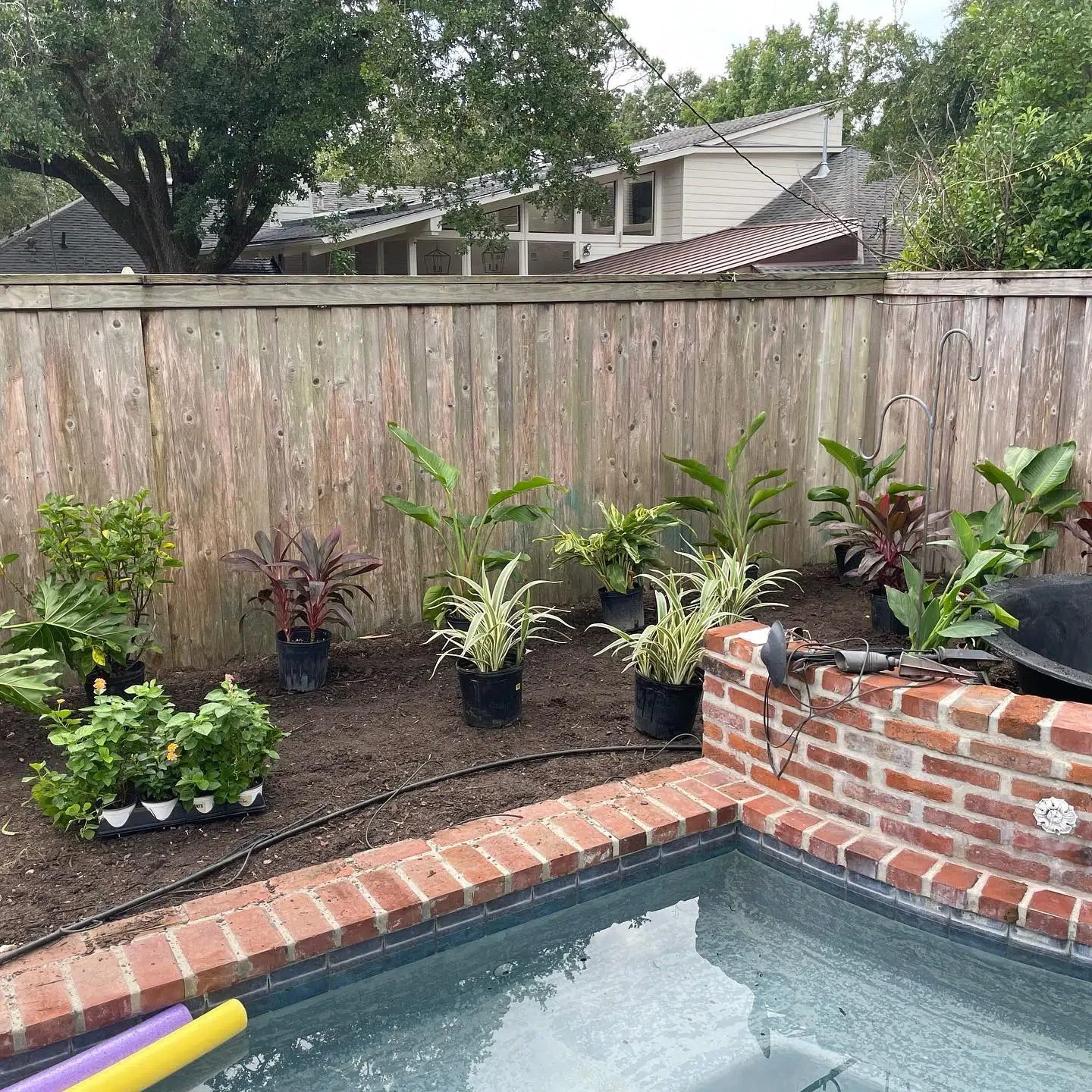
To fix bad landscaping in St. George, LA, homeowners must first correct underlying soil and drainage issues before replacing dead or overgrown plants with climate-appropriate native species. The process involves regrading the yard to direct water away from the foundation, amending the heavy clay soil with organic matter, and selecting heat-tolerant plants suited for the local climate. By addressing these foundational elements rather than just applying cosmetic fixes, property owners can transform an eyesore into a resilient, low-maintenance outdoor space that easily withstands the intense humidity and heavy rainfall typical of the Gulf Coast region.
TL;DR
- Test soil pH and nutrient levels to determine precise organic amendment requirements before installing new plants.
- Install French drains or dry creek beds to manage heavy Louisiana stormwater runoff and prevent root rot.
- Replace high-maintenance exotic shrubs with native Louisiana plants adapted to high heat and humidity.
- Aerate compacted clay soil annually to improve turfgrass root development and increase water absorption.
- Upgrade to smart irrigation controllers to reduce water waste and prevent overwatering during the rainy season.
- Apply two to three inches of organic mulch to regulate soil temperature, suppress weeds, and retain vital moisture.
- Maintain proper grading with a minimum two percent slope moving away from structural foundations to prevent structural damage.
Understanding the Root Causes of Landscape Failure in St. George
Many homeowners inherit problematic yards or watch their once-beautiful gardens slowly deteriorate. Fixing a bad landscape requires understanding the specific environmental pressures in St. George. The region experiences long, hot summers, brief but unpredictable freezes, and substantial annual precipitation. Plants that thrive in other parts of the country often struggle here.
Furthermore, the soil in southern Louisiana is notoriously dense. Heavy clay soils compact easily, stripping the ground of vital oxygen and creating an impenetrable barrier for delicate plant roots. When heavy rains arrive, this compacted soil leads to standing water. The resulting poor drainage suffocates root systems and invites fungal diseases. Proper rehabilitation must start below the surface. Correcting poor soil composition and managing excess water are non-negotiable first steps. You can consult resources from the LSU AgCenter to understand the specific soil profiles and amendment recommendations for East Baton Rouge Parish.
Evaluating and Upgrading Plant Selections
A major component of bad landscaping is poor plant selection. Many commercial builders install generic shrubs that require constant pruning or succumb quickly to local pests. Upgrading your landscape involves transitioning to vegetation that naturally thrives in the local environment. St. George is located in a specific climate zone that dictates plant survivability. Selecting species appropriate for USDA Plant Hardiness Zone 9a ensures your garden will survive both scorching August afternoons and unexpected January frosts.
Instead of fighting the environment, incorporate native flora. Native plants have spent thousands of years adapting to local rainfall patterns and soil types. The Lady Bird Johnson Wildflower Center provides excellent databases for identifying native Gulf Coast species that attract pollinators while requiring minimal chemical fertilizers.
Smart Water Management and Irrigation
Overwatering is just as destructive as underwatering in St. George. Many poorly designed landscapes feature irrigation systems that run on automated timers regardless of recent rainfall. This practice encourages shallow root systems and wastes a tremendous amount of water. Modernizing your yard means installing intelligent water management systems.
Upgrading to controllers certified by EPA WaterSense allows your irrigation system to adjust watering schedules based on local weather data and soil moisture levels. This prevents your lawn from becoming waterlogged during the frequent summer thunderstorms common to the area. Additionally, converting traditional sprinkler heads in garden beds to drip irrigation ensures water goes directly to the root zone, minimizing evaporation and reducing weed growth.
Tables and Visual Suggestions
Visual Suggestion 1: A pie chart breaking down the average water usage in a typical St. George household, highlighting the percentage wasted by inefficient landscape irrigation.
Visual Suggestion 2: A line graph showing average monthly rainfall in the Baton Rouge area compared to the water requirements of standard turfgrass, demonstrating the need for supplemental drainage during peak storm months.
Plant Replacement Guide for St. George, LA
| Current Problem Plant | Common Issue in St. George | Recommended Native/Adapted Replacement | Benefit |
|---|---|---|---|
| Boxwood | Susceptible to root rot and blight | Dwarf Yaupon Holly | Highly disease-resistant and tolerates poor drainage |
| Fescue Grass | Dies out in extreme summer heat | St. Augustine or Centipede Grass | Thrives in Zone 9a heat and tolerates partial shade |
| Hybrid Tea Roses | High maintenance, requires heavy spraying | Knock Out Roses or Native Hibiscus | Blooms profusely with minimal chemical intervention |
| English Ivy | Invasive and harbors pests | Confederate Jasmine | Drought-tolerant and provides excellent ground cover |
Real-World Examples of Landscape Rehabilitation
| Scenario | Property Type | Problem | Solution | Outcome |
|---|---|---|---|---|
| The Swampy Yard | New Build | Severe standing water after rainstorms due to heavy clay grading. | Installed a network of French drains leading to a dry creek bed. | Eliminated standing water and saved the structural integrity of the patio. |
| The Burnt Lawn | 1980s Suburban Home | Generic northern turfgrass dies every July despite heavy watering. | Aerated soil and sodded with heat-tolerant St. Augustine grass. | Achieved a lush, green lawn that requires 40 percent less supplemental watering. |
| The Overgrown Jungle | Historic Estate | Massive, unkempt invasive shrubs are blocking windows and pathways. | Removed invasives, redesigned beds with native perennials, and added fresh mulch. | Restored curb appeal, improved home security, and lowered weekly maintenance hours. |
| The Sinking Pathway | Townhome | Pavers are shifting and sinking into the mud due to poor base installation. | Excavated the path, added crushed limestone base, and relayed permeable pavers. | Created a stable, beautiful walkway that naturally filters rainwater into the ground. |
Actionable Strategies for Fixing Your Landscape
- Conduct a Comprehensive Soil Audit. Do not guess what your yard needs. Collect soil samples from different areas of your property and send them to a local university extension service. A proper soil test will reveal your exact pH levels and nutrient deficiencies. According to experts at the Extension Foundation, adding the right balance of lime, sulfur, or compost based on scientific data is the most cost-effective way to revive a struggling lawn.
- Implement Subsurface Drainage Solutions. If water pools near your foundation or low spots in your lawn for more than 24 hours after a storm, you need subsurface drainage. Dig trenches sloped away from the home, line them with landscape fabric, lay perforated PVC pipe, and backfill with washed gravel. This creates a permanent channel for excess water to escape, protecting your plants from drowning.
- Transition to Climate-Appropriate Turfgrass: Stop fighting a losing battle with the wrong grass. If your yard receives full sun, Bermuda or Zoysia grass will perform exceptionally well. If you have mature Live Oak trees casting heavy shade, St. Augustine is the superior choice. The University of Florida IFAS Extension offers extensive research proving that matching the turfgrass species to the specific microclimate of your yard drastically reduces disease and pest pressure.
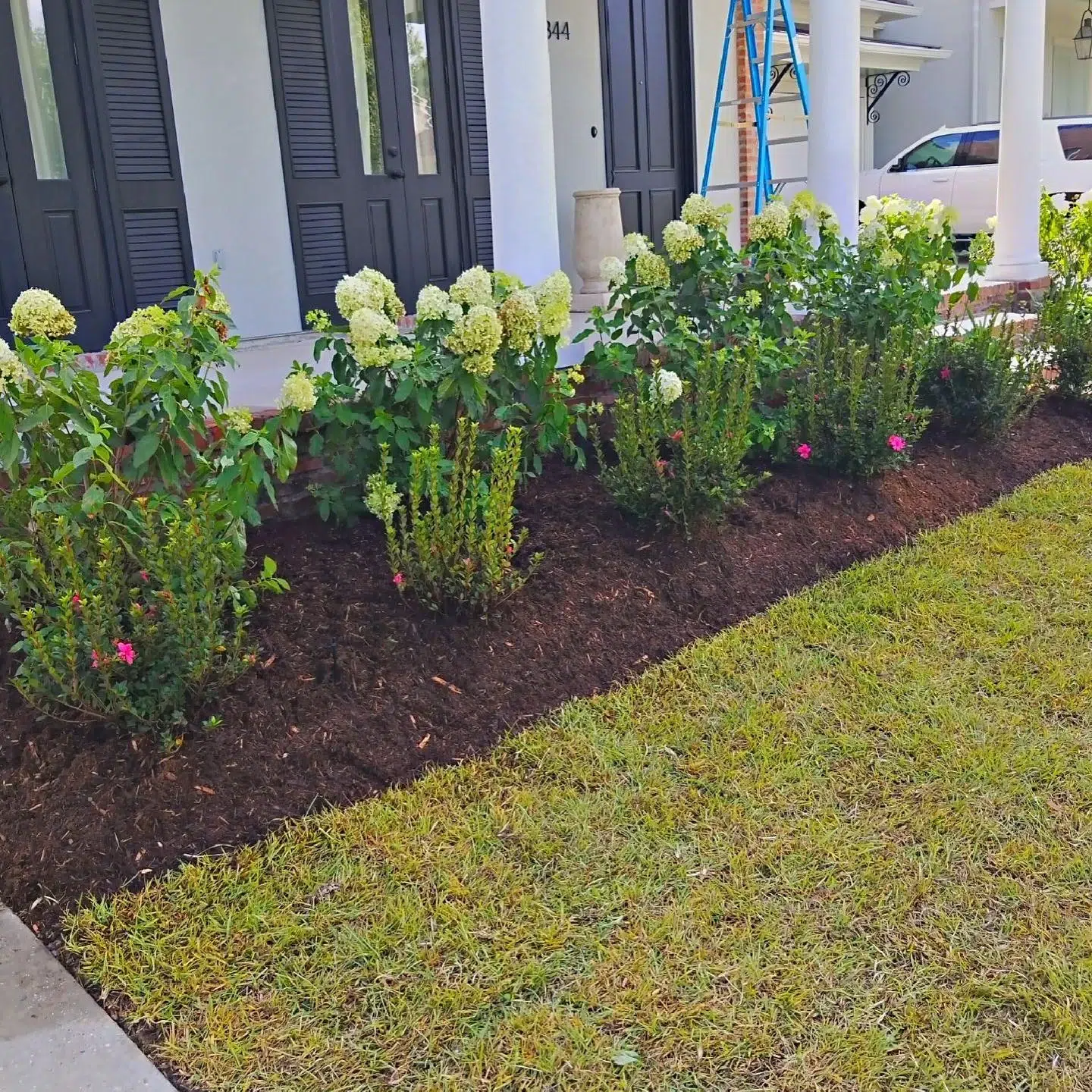
- Redefine and Mulch Garden Beds A quick way to fix the visual appeal of bad landscaping is to establish crisp, clean edges around all garden beds. Use a half-moon edger to cut a deep trench between the lawn and the beds. Follow this by applying a thick layer of natural hardwood or cypress mulch. Mulch regulates the soil temperature, preventing roots from baking during the summer, while simultaneously breaking down to feed the beneficial microbes in the soil.
Factors That Affect Landscaping Performance in Louisiana
Heavy Precipitation Rates. St. George receives well above the national average in annual rainfall. The National Weather Service tracks these frequent, intense storm systems that can drop several inches of water in a single afternoon. Landscaping performance is heavily dependent on how quickly your property can shed this sudden volume of water. Without proper grading and permeable surfaces, plants will drown and hardscape will erode.
Soil Compaction Levels The dense clay native to this region tightly binds together, leaving virtually no pore space for oxygen or water to travel. When soil becomes severely compacted by foot traffic or heavy lawnmowers, roots stay shallow. Shallow roots make plants incredibly vulnerable to drought conditions. Regular core aeration is a crucial factor in maintaining a healthy, resilient landscape.
Microclimates and Sun Exposure: A yard is rarely uniform in its sunlight exposure. The south side of a house may bake in intense, uninterrupted sunlight, while the north side remains damp and heavily shaded. Installing a full-sun plant in a shaded microclimate guarantees failure. Landscaping performance improves dramatically when property owners map their yard’s sun patterns and select specific plants for each distinct zone.
Ongoing Maintenance Practices: Even the most perfectly designed landscape will fail without proper maintenance. Trimming shrubs at the wrong time of year can stunt their growth or remove the next season’s blooms. Mowing grass too short weakens the root system and invites crabgrass and broadleaf weeds to take over. Adhering to a strict, season-specific maintenance schedule is vital for long-term success.
Transform Your Outdoor Space Today
Stop letting poor drainage, dying grass, and overgrown garden beds ruin your home’s curb appeal. All Seasons Landscaping & Lawn Care is the expert solution for St. George, LA, homeowners who want to completely revitalize their outdoor living spaces with smart, climate-resilient landscaping strategies.
Company: All Seasons Landscaping & Lawn Care
Phone: 225-276-8658
Email: [email protected]
Frequently Asked Questions
How much does it cost to fix bad grading in my yard?
Costs vary based on the severity of the slope and the size of the property. Simple localized grading may cost a few hundred dollars, while comprehensive yard leveling and topsoil installation can range from one thousand to several thousand dollars.
Why is my grass dying in patches despite regular watering?
Patchy grass is often caused by chinch bugs, fungal diseases like brown patch, or highly compacted soil. Identifying the specific cause requires inspecting the soil beneath the dead spots and checking for proper drainage.
Can I plant new shrubs during the St. George summer?
It is highly recommended to avoid planting new shrubs during the peak summer heat. The best time to install new landscaping in Louisiana is during the fall or early spring when cooler temperatures allow roots to establish without intense heat stress.
What is the best mulch to use for Louisiana gardens?
Natural cypress or hardwood mulches are excellent choices because they resist floating away during heavy rainstorms better than pine straw or light wood chips. Avoid dyed mulches, as the chemicals can sometimes leach into the soil.
Do I really need a French drain if my yard only floods occasionally?
If the flooding occurs near your foundation or lingers for more than a day, a French drain is strongly advised. Occasional standing water can slowly degrade your home’s foundation and invite mosquito breeding.
Sources
- https://planthardiness.ars.usda.gov/
- https://www.lsuagcenter.com/
- https://www.epa.gov/watersense
- https://www.wildflower.org/
- https://sfyl.ifas.ufl.edu/
- https://extension.org/
- https://www.weather.gov/lix/

- How Does Regular Hedge Trimming Improve Your Landscape’s Overall Appearance? - October 12, 2026
- The Complete Guide to Hedge Trimming, Care, Maintenance, and Healthy Growth - October 6, 2026
- How Can Professional Drainage Services in Central, LA Protect Your Property From Water Damage? - September 11, 2026