The landscaping trends 2026 homeowners are embracing mark a real move away from decoration-only yards and toward outdoor spaces built for ecology, efficiency, and everyday use. Native plantings, smart irrigation, permeable hardscapes, integrated outdoor living, edible gardens, and smaller lawns are leading this shift, and each one solves a real problem homeowners face today. If you’re planning an upgrade, our full range of landscaping services covers everything from design through installation, so you can bring any of these ideas to life. This guide breaks down each trend, what to budget for, and how to pick the right combination for your yard.
TL;DR: The biggest modern landscaping trends for 2026 are native plant beds, smart irrigation controllers, permeable pavers, outdoor kitchens and living areas, edible landscaping, and reduced lawn space. Together, these landscaping industry trends point toward yards that use less water, need less upkeep, and give homeowners more usable, livable space.
Native Plantings and Biodiversity
Native plants are taking center stage because they need less water and fertilizer while supporting local pollinators. These plants evolved to thrive in local soil and climate conditions, so they hold up far better than exotic ornamentals. The National Wildlife Federation reports that native plants play a major role in supporting local butterfly and bird populations, which helps keep a yard’s ecosystem balanced.
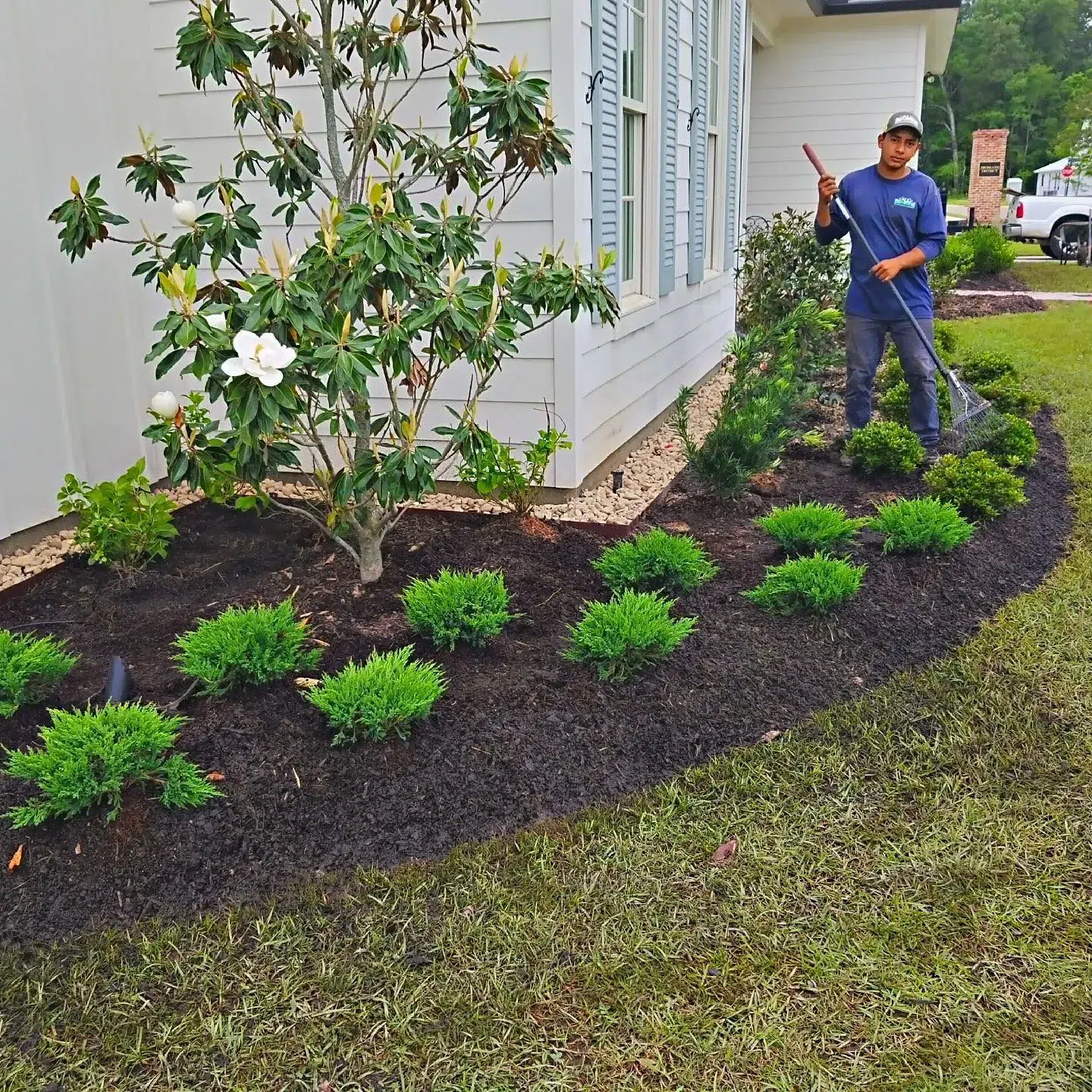
In the Gulf South, species like Southern Magnolia, Louisiana Iris, and Switch Grass hold up well through high heat and humidity. These plants also resist local pests and diseases on their own, cutting down on the need for chemical treatments.
Bonus Tip: Group plants with similar water and sun needs together. This “hydrozoning” method prevents overwatering drought-tolerant species or underwatering thirsty ones.
Smart Irrigation and Water Management
Water conservation is driving one of this year’s biggest smart irrigation trends. Traditional sprinkler systems often waste water because they run on fixed schedules that ignore rainfall or temperature swings. Smart controllers use local weather data and soil moisture sensors to adjust watering in real time. The Environmental Protection Agency found that WaterSense labeled irrigation controllers can save an average home close to 7,600 gallons of water a year.
These systems connect to smartphone apps, so homeowners can track usage and catch leaks right away. Over time, the technology pays for itself through lower water bills and healthier plants getting exactly the moisture they need. If your current setup still runs on a basic timer, a professional irrigation system installation is one of the fastest ways to see savings.
Permeable Hardscapes
Impervious surfaces like concrete driveways and patios push water into runoff, which erodes soil and overloads storm drains. This is part of why garden permeability trends 2026 are picking up speed. Permeable pavers let rainwater seep through the joints and back into the ground, recharging groundwater and easing pressure on stormwater systems during heavy rain.
Permeable options include porous concrete, resin-bound gravel, and interlocking pavers with wide gaps filled with gravel or grass. These materials hold up just as well as traditional concrete but drain better and often look more natural.
Comparison of Hardscape Materials
| Material | Permeability | Maintenance Level | Durability |
| Traditional Concrete | Low | Low | High |
| Asphalt | Low | Medium | Medium |
| Permeable Pavers | High | Medium (joint cleaning) | High |
| Gravel | High | High (raking) | Medium |
| Resin Bound Gravel | Medium | Low | High |
Integrated Outdoor Living
Outdoor spaces are now treated as extensions of the home instead of separate areas. This trend includes fully equipped kitchens with built-in grills, pizza ovens, and refrigerators. Comfortable, weather-resistant furniture and heating elements stretch the usable season across multiple months.
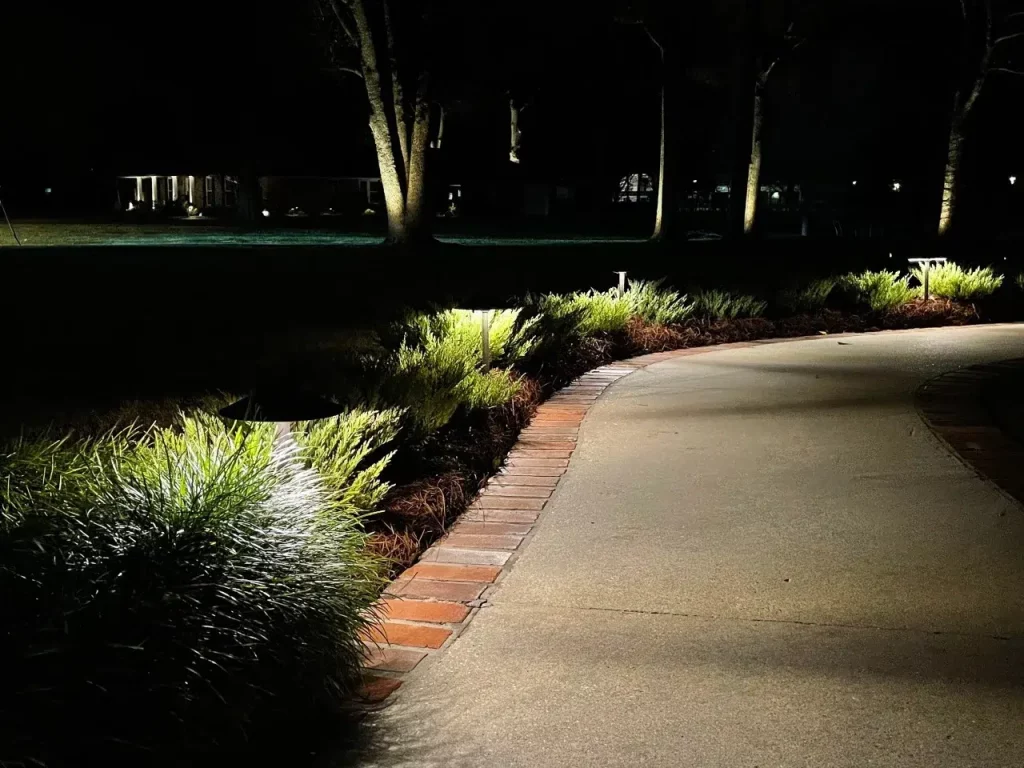
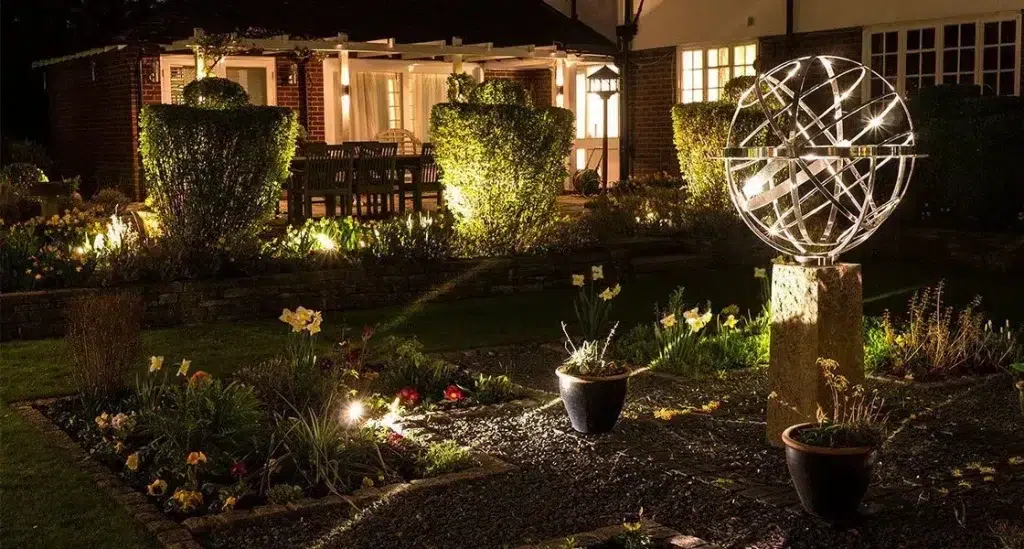
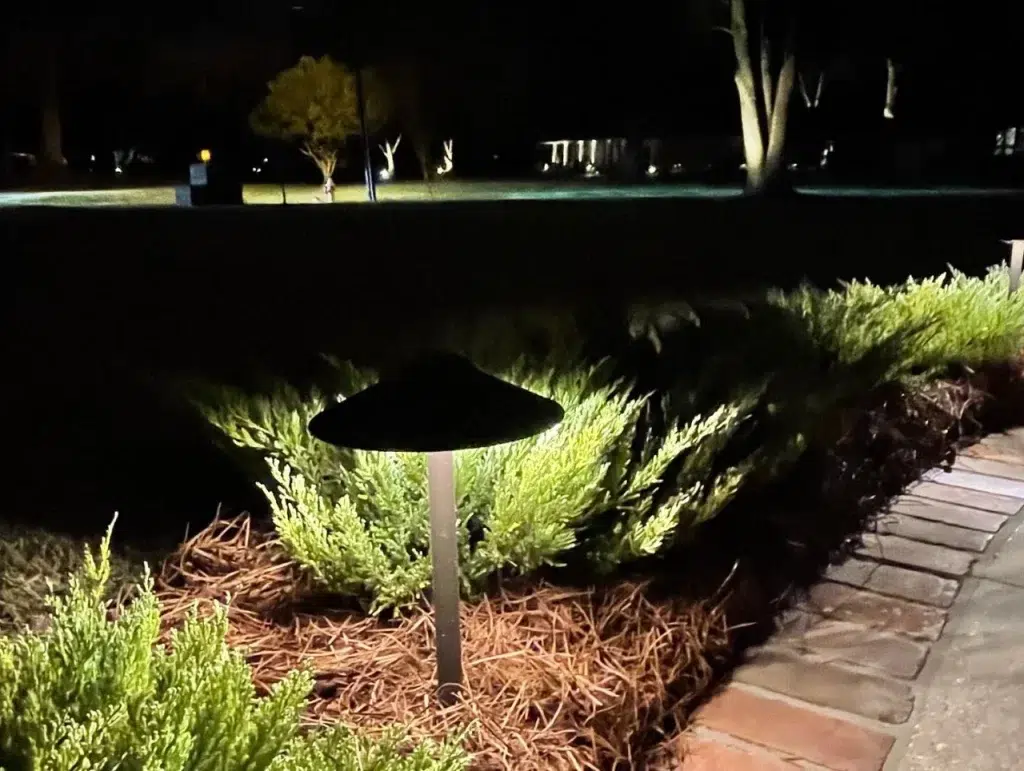
Covered structures like pergolas or pavilions anchor these zones. In areas with intense sun or frequent rain, solid roofing protects furniture and cooking appliances so the space stays usable no matter the weather. Low-voltage LED lighting adds ambiance and improves safety after dark.
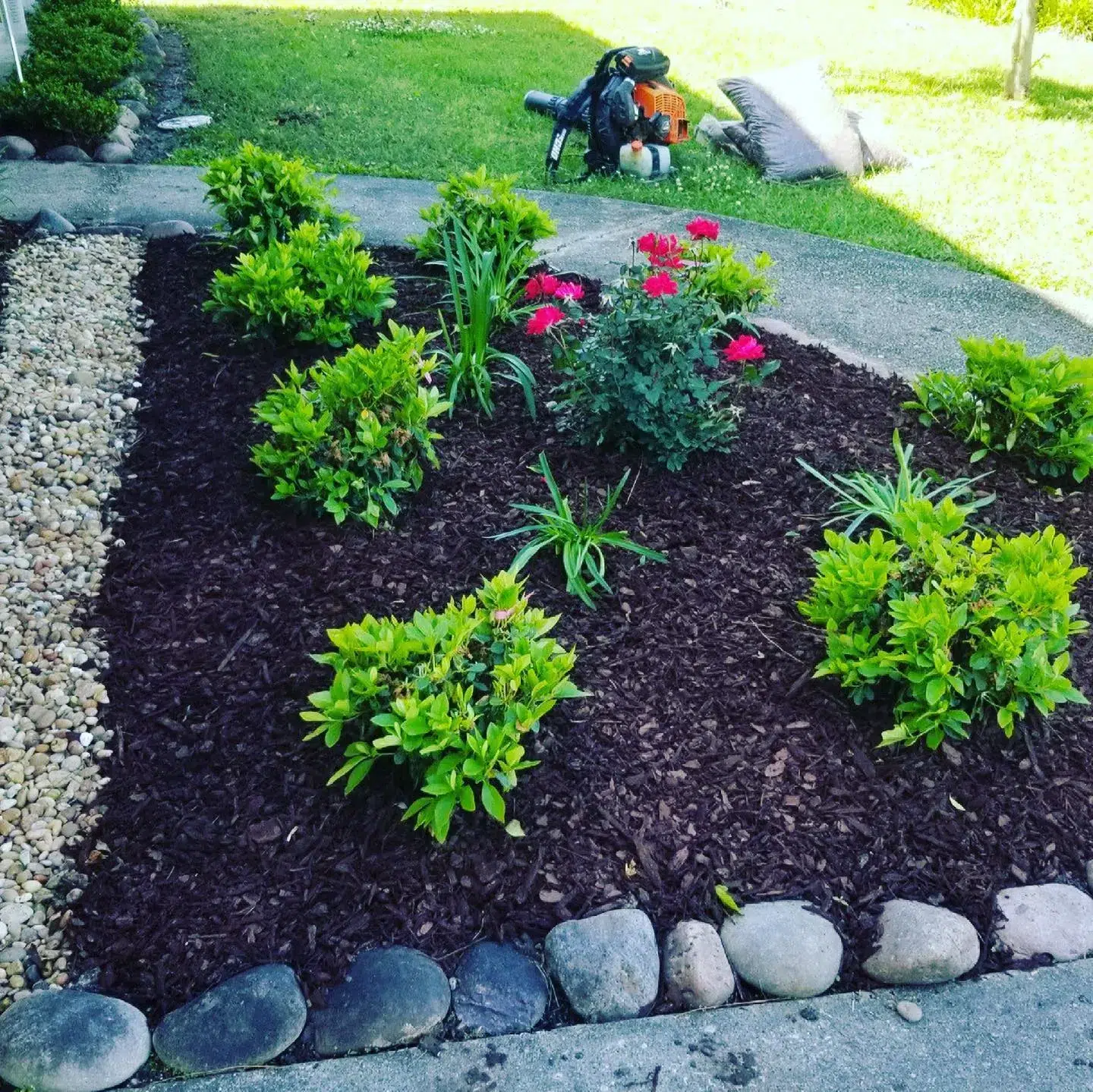
Edible Landscaping
Growing food is no longer stuck in a designated vegetable patch tucked in a back corner. Edible landscaping mixes fruit trees, berry bushes, and herbs directly into ornamental beds. Blueberry bushes offer spring flowers and summer fruit, while kale or Swiss chard adds attractive foliage texture year-round.
This approach makes the most of limited space and adds fresh produce without giving up curb appeal. It works especially well in raised beds, which improve drainage and make harvesting easier. Getting trees and larger edible plants established correctly matters here too; our guide on the benefits of professional tree planting services covers what proper placement and care look like.
Bonus Tip: Start with herbs like rosemary, thyme, and mint. They’re hardy, low maintenance, and add fresh flavor to cooking all year.
Reduced Lawn Areas
Ground covers, clover, and wildflower meadows are replacing the vast, thirsty lawn, and it’s one of the clearer lawn care trends 2026 to watch. A traditional lawn needs frequent mowing, fertilizing, and watering to look decent. Alternatives like micro clover or creeping thyme stay green with minimal mowing and even fix nitrogen in the soil to improve its health.
Converting sections of lawn into planting beds or functional patios cuts down weekly maintenance significantly. It also lowers the carbon footprint tied to gas-powered mowers and chemical fertilizers.
Things to Consider Before Making a Decision
Investing in these trends takes some planning to get right. Homeowners should look at their specific site conditions before breaking ground.
- Climate Zone: Choose plants rated for your specific hardiness zone so they survive winter and tolerate summer heat.
- Soil Health: Test the soil before planting to see if amendments like lime or compost are needed.
- Budget Phasing: Large projects add up fast. Prioritize hardscaping and irrigation first since those are hardest to change later, then add plants incrementally as budget allows.
- HOA Regulations: Check local neighborhood covenants. Some associations restrict front yard vegetable gardens or specific fencing styles
Final Thoughts
The move toward sustainable, functional outdoor spaces is reshaping how properties get designed and maintained. Native plants, smart water technology, and smaller lawns cut down on maintenance while helping the environment. Outdoor living areas and edible gardens add real usability and everyday enjoyment. Together, these landscaping trends 2026 offer strong return on investment through utility and long-term savings.
Start by taking stock of your current outdoor habits and deciding which trends offer the most value for your household. A master plan makes it easy to roll these features out gradually instead of all at once.
Ready to update your yard for 2026? Contact our team for a free consultation and quote, and we’ll help you figure out which trends are worth prioritizing first.
Frequently Asked Questions
Are native plants expensive to install?
Native plants typically cost the same or less than non-native ornamentals. The real savings show up later, in reduced water, fertilizer, and maintenance costs.
Do smart irrigation systems require professional installation?
DIY options exist, but professional installation makes sure the system is calibrated correctly for your specific yard layout and soil type, which avoids uneven coverage or poor drainage down the line.
Is a permeable driveway stronger than concrete?
When installed correctly with a proper base, permeable pavers can support heavy vehicle loads just as well as standard concrete. They also resist cracking better since individual pavers can shift slightly without breaking.
Can edible gardens survive extreme heat?
Many edible plants thrive in heat, including okra, sweet potatoes, and southern peas. Proper mulching and consistent watering are what help them get through the hottest stretches.
How do I reduce my lawn without it looking messy?
Define clean edges between planting beds and grass using paver borders or metal edging. Tidy edges make the whole yard look intentional rather than neglected.

- How Does Regular Hedge Trimming Improve Your Landscape’s Overall Appearance? - October 12, 2026
- The Complete Guide to Hedge Trimming, Care, Maintenance, and Healthy Growth - October 6, 2026
- How Can Professional Drainage Services in Central, LA Protect Your Property From Water Damage? - September 11, 2026