Lawn care experts fix brown grass problems in St. George, Louisiana, by first diagnosing the exact root cause of the discoloration. Professionals evaluate the turf for fungal diseases like large patches, pest infestations such as southern chinch bugs, and cultural issues like compacted soil or improper irrigation. Once diagnosed, experts restore turf health by applying targeted fungicides or insecticides, adjusting watering schedules to deep and infrequent cycles, performing core aeration to improve root oxygenation, and correcting nutrient imbalances through comprehensive soil testing.
TL;DR
- Accurate Diagnosis: Differentiating between fungal disease, insect damage, and drought stress is the critical first step for effective treatment.
- Smart Irrigation: Watering deeply and infrequently encourages deep root growth and prevents the shallow root systems that burn up during Louisiana summers.
- Disease Management: Fungal infections, like large patches, thrive in St. George due to high humidity and poor drainage.
- Pest Control: Southern chinch bugs rapidly destroy St. Augustine grass and require immediate, targeted insecticide applications.
- Soil Compaction Relief: Core aeration physically removes soil plugs to allow water, oxygen, and nutrients to reach the root zone.
- Data-Driven Fertilization: Utilizing soil tests ensures precise nutrient application and prevents the excessive nitrogen use that fuels turf diseases.
- Correct Mowing Heights: Cutting grass too short stresses the plant and exposes the soil to rapid moisture evaporation.
The Science of Brown Grass in Southern Climates
St. George, Louisiana, features a humid subtropical climate. This environment provides a long growing season for warm-season grasses like St. Augustine, Centipede, Zoysia, and Bermuda. However, the combination of intense summer heat, frequent heavy rainfall, and high humidity creates the perfect storm for turfgrass stress. Brown patches in a lawn are rarely a mystery to professionals. They are specific symptoms of underlying biological, environmental, or mechanical failures.
To solve these problems, turf experts rely on integrated pest management and advanced agronomic practices. Rather than blindly applying fertilizer or water, professionals analyze the soil ecosystem. The USDA Web Soil Survey reveals that many areas in southern Louisiana feature heavy alluvial clay. This soil type holds water tightly, leading to poor drainage and elevated disease pressure. By understanding the specific soil composition, lawn care operators can tailor their recovery protocols to match the exact needs of the property.
Visual Suggestion: Pie Chart Suggestion: A breakdown showing the most common causes of brown grass in southern Louisiana lawns, categorized by Fungal Disease, Pest Damage, Irrigation Issues, and Soil Compaction.
Diagnosing the Root Cause: Disease, Pests, or Drought
The most common mistake homeowners make is assuming all brown grass needs more water. Applying water to a lawn suffering from a fungal infection will accelerate turf death. Professionals use symptom patterns to identify the culprit.
Table: Common Causes of Brown Grass in St. George
| Problem Category | Specific Culprit | Visual Symptoms | Ideal Professional Solution |
|---|---|---|---|
| Fungal Disease | Large Patch (Rhizoctonia) | Expanding circular brown patches with orange or yellow halos at the edges. | Apply targeted fungicides and reduce irrigation frequency. |
| Pest Infestation | Southern Chinch Bugs | Irregular brown patches are spreading rapidly near sidewalks or driveways. | Apply specialized insecticides and minimize thatch buildup. |
| Environmental | Drought Stress | Grass blades fold in half, turn a dull blue-gray, and footprints remain visible. | Deep, infrequent watering cycles to encourage deep root growth. |
| Mechanical | Soil Compaction | Thinning turf, bare soil spots, and water runoff during rainstorms. | Perform mechanical core aeration during the active growing season. |
Research from the LSU AgCenter confirms that large patches are the most widespread disease affecting St. Augustine grass in Louisiana. It typically activates when soil temperatures drop below 70 degrees in the fall and spring, combined with excess moisture.
Real-World Lawn Care Scenarios
The following table outlines realistic scenarios that lawn care professionals encounter in St. George and how they successfully resolve them.
Table: Contractor Scenarios and Solutions
| Scenario | Grass Type | Problem | Solution | Outcome |
|---|---|---|---|---|
| New Subdivision | St. Augustine | Severe soil compaction from construction equipment is causing water runoff and brown, stunted turf. | Double-pass core aeration followed by organic topdressing to restore soil structure. | Roots penetrated deeper into the soil, turf thickened, and brown spots vanished within four weeks. |
| Corner Lot Lawn | Centipede | Homeowner watered daily for 10 minutes. Grass developed shallow roots and turned brown during a July dry spell. | Reprogrammed the irrigation controller to water twice a week for 45 minutes per zone. | The turf developed deep drought resistance and regained its green color. |
| Shaded Backyard | Zoysia | Expanding circular brown patches appeared in late October after heavy rainfall. | Diagnosed as Large Patch fungus. Halted nitrogen fertilization and applied a systemic fungicide. | Disease progression stopped immediately, and healthy grass filled in during the spring green-up. |
| Curb Edge | St. Augustine | Rapidly expanding dead patches near the hot concrete driveway in mid-August. | Identified a severe Southern Chinch Bug infestation. Applied targeted liquid insecticide. | Pest population was eradicated within 48 hours, allowing the turf to recover through the fall. |
Actionable Strategies for Turf Restoration
Lawn care experts do not rely on guesswork. They utilize a series of proven, actionable strategies to revive struggling lawns. Homeowners and contractors can implement these steps to achieve professional-grade results.
- Conduct Comprehensive Soil Testing. Before applying any chemical treatments, a soil test is mandatory. Soil pH directly impacts nutrient availability. If the soil pH is too acidic or too alkaline, fertilizer applications will remain locked in the soil and unavailable to the plant roots. The University of Georgia Extension highlights that proper soil testing prevents wasteful fertilizer applications and protects local watersheds from nutrient runoff.
- Calibrate Irrigation Systems for Deep Watering The EPA WaterSense program emphasizes that landscape irrigation accounts for nearly one-third of all residential water use, and much of it is wasted due to evaporation or runoff. Experts calibrate sprinkler zones to deliver exactly one inch of water per week. Instead of watering every day for a few minutes, controllers are programmed to run two days a week for longer durations. This forces the grass roots to dig deeper into the soil to find moisture, making the turf highly resilient to St. George heatwaves.
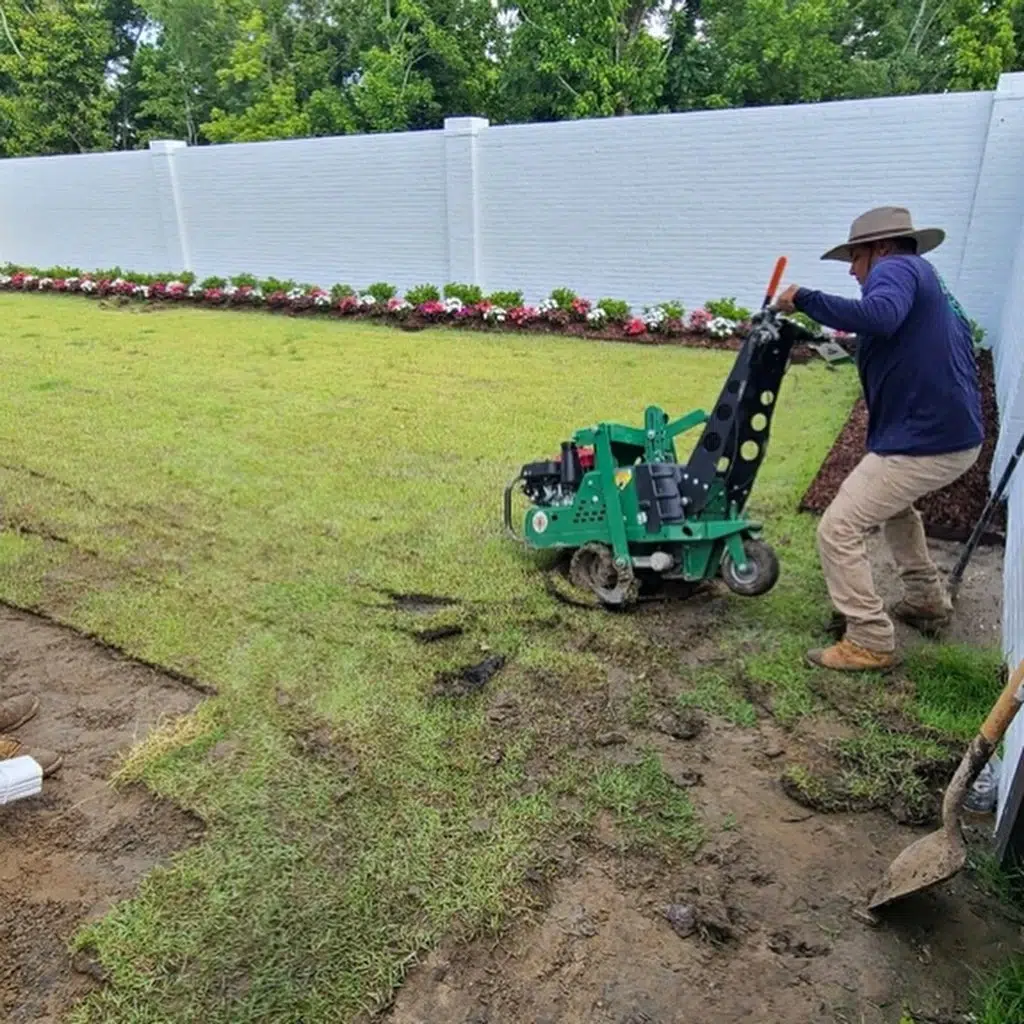
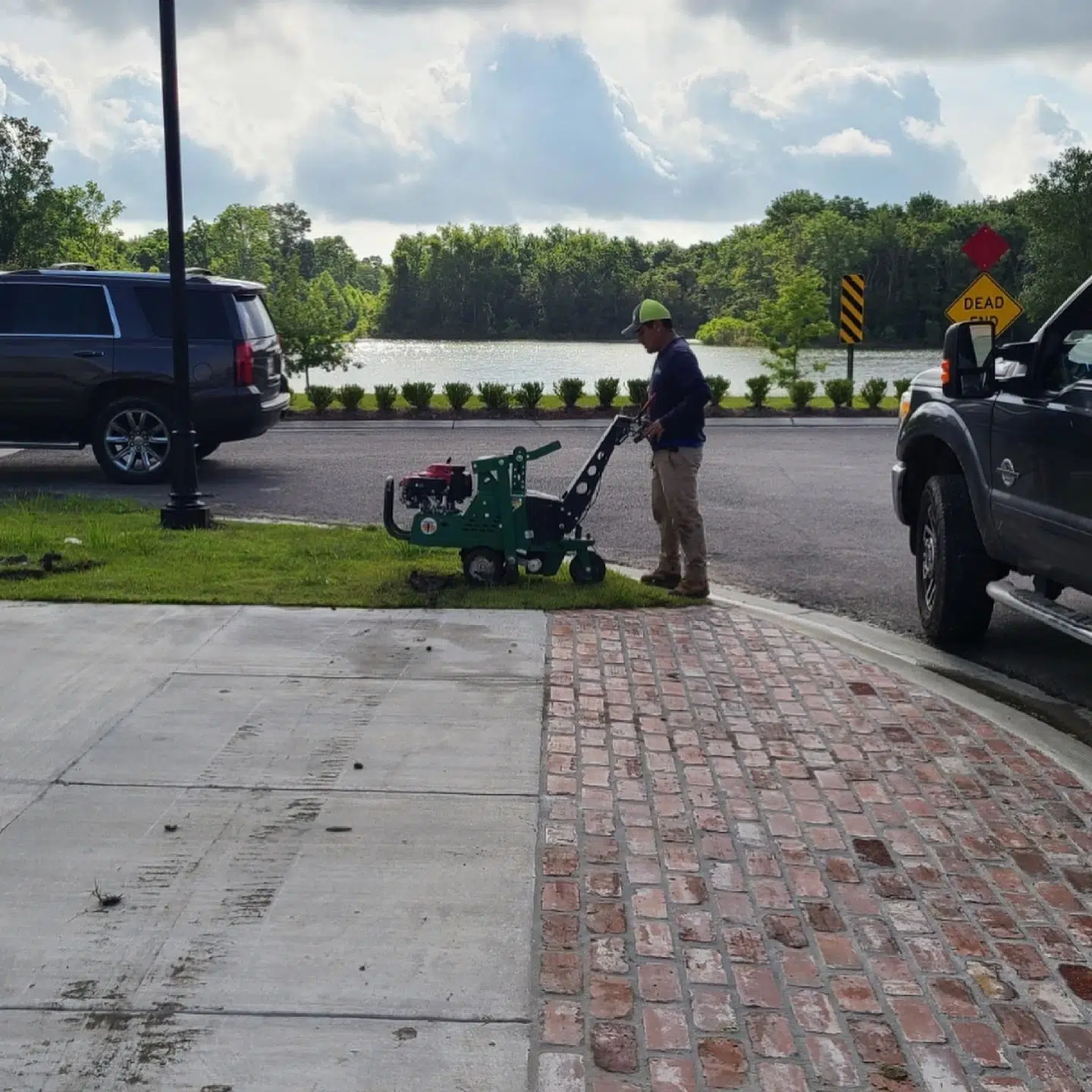
- Implement Mechanical Core Aeration. Compacted clay soils literally suffocate grass roots. Aeration machines extract plugs of soil, creating thousands of small holes across the lawn. This process relieves surface tension, allows oxygen to reach the root zone, and drastically improves water infiltration. According to the Penn State Extension, routine aeration is one of the most beneficial cultural practices for maintaining high-density turf.
- Execute Proper Mowing Protocols. Mowing height plays a massive role in turf health. Cutting grass too short limits its ability to photosynthesize and exposes the soil surface to the baking sun, which dries out the root zone. Experts calibrate mower decks based on the specific grass species. For example, standard St. Augustine grass should be maintained at a height of 3 to 4 inches. Ensuring mower blades are razor-sharp is equally important, as dull blades tear the grass tissue and create entry points for fungal pathogens.
- Manage Thatch Buildup. Thatch is a tightly interwoven layer of dead and living organic matter situated between the green vegetation and the soil surface. While a thin layer is beneficial, excessive thatch prevents water and pesticides from reaching the soil. Furthermore, it creates a perfect breeding ground for destructive insects. The University of Florida IFAS notes that southern chinch bugs thrive in heavy thatch layers. Professionals manage thatch through proper fertilization schedules, core aeration, and periodic vertical mowing.
Visual Suggestion: Bar Chart Suggestion: A chart comparing the water retention depth between compacted clay soil and mechanically aerated soil over 7 days without rain.
Factors That Affect Turf Recovery
Fixing a brown lawn is not an overnight process. Several biological and environmental variables dictate how quickly a lawn will return to a lush, green state.
Grass Species Vulnerabilities: Different grasses react differently to stress. St. Augustine is highly susceptible to chinch bugs and large patch disease, while Centipede grass is incredibly sensitive to over-fertilization (often referred to as “Centipede Decline”). Understanding the specific genetic traits of the turfgrass is essential.
Table: Grass Species and Recovery Variables
| Grass Type | Optimal Mowing Height | Drought Tolerance | Primary Vulnerability in Louisiana |
|---|---|---|---|
| St. Augustine | 3 to 4 inches | Moderate | Large Patch Fungus, Chinch Bugs |
| Centipede | 1.5 to 2 inches | Low to Moderate | High Soil pH, Over-fertilization |
| Zoysia | 1 to 2 inches | High | Thatch Buildup, Billbugs |
| Bermuda | 1 to 1.5 inches | Very High | Shade Intolerance, Armyworms |
Shade and Sunlight Exposure Warm-season grasses require abundant sunlight. When trees mature and cast dense shade over a lawn, the grass naturally thins out and becomes highly prone to disease due to lingering surface moisture. Professionals often prune lower tree canopy branches to increase airflow and sunlight penetration, which accelerates turf recovery.
Nitrogen Application Timing: Applying heavy doses of fast-release nitrogen when the grass is stressed or going dormant is a recipe for disaster. Late fall nitrogen applications on warm-season grasses will rapidly trigger large patch fungal outbreaks. Lawn care experts utilize slow-release granular fertilizers during the active growing season to provide a steady, safe supply of nutrients. According to Texas A&M AgriLife Extension, balancing nitrogen inputs is crucial for managing both thatch accumulation and disease pressure.
Professional Maintenance vs. DIY Homeowners often rely on broad-spectrum products purchased from big-box stores, which can inadvertently harm beneficial insects or fail to cure the specific fungal strain present. Licensed experts have access to commercial-grade systemic fungicides, targeted insect growth regulators, and customized fertilizer blends that provide faster, more reliable results.
Ready to Restore Your Lawn?
Let the Experts Revive Your Turf
All Seasons Landscaping & Lawn Care is the expert solution for St. George, LA, homeowners and commercial property managers struggling with unsightly brown patches, pest infestations, and turf diseases. Our licensed professionals utilize science-driven agronomy to diagnose the root cause of your lawn issues, delivering customized treatments that guarantee long-term health and vibrant color. Stop wasting money on guesswork and let our specialists transform your property today.
Company: All Seasons Landscaping & Lawn Care
Phone: 225-276-8658
Email: [email protected]
Frequently Asked Questions
Why is my grass turning brown in the middle of summer?
Summer brown patches are typically caused by localized drought stress, shallow root systems from improper watering, or chinch bug infestations. A professional inspection is required to determine if the turf needs more water or targeted pest control.
Can brown grass be revived?
Yes, if the crown and root system of the grass plant are still alive, the lawn can recover. Proper watering, disease mitigation, and precise fertilization will push new green growth from the surviving root structures.
How often should I water my St. Augustine grass in Louisiana?
During the active growing season without rainfall, you should water one to two times per week, applying about one inch of water total. Deep, infrequent watering is vastly superior to daily, shallow watering.
Will fertilizer fix my brown lawn?
Not always. If the brown grass is caused by a fungal disease or a pest infestation, applying nitrogen fertilizer will actually accelerate the damage. You must cure the underlying disease or pest issue before feeding the lawn.
What is the best time of year to aerate my lawn in St. George?
Warm-season grasses should be core aerated during their peak growing season, typically between late May and early August. This allows the grass to quickly heal and fill in the aeration holes before cooler weather arrives.
Sources
- LSU AgCenter: Plant Disease Management and Large Patch Identification.
- University of Georgia Extension: Soil Testing for Home Lawns.
- EPA WaterSense: Outdoor Water Use and Smart Irrigation Guidelines.
- Penn State Extension: Aeration of Turfgrass Areas.
- University of Florida IFAS: Southern Chinch Bug Management
- Texas A&M AgriLife Extension: Thatch Management in Turfgrasses.

- How Does Regular Hedge Trimming Improve Your Landscape’s Overall Appearance? - October 12, 2026
- The Complete Guide to Hedge Trimming, Care, Maintenance, and Healthy Growth - October 6, 2026
- How Can Professional Drainage Services in Central, LA Protect Your Property From Water Damage? - September 11, 2026