Identifying irrigation system failure in St. George, LA, requires recognizing early warning signs like unexplained water bill spikes, uneven watering, sputtering sprinkler heads, visible damage, and controller malfunctions. Addressing these red flags immediately prevents costly landscape damage and excessive water waste. The most effective repair methods depend on the specific failure, ranging from targeted lateral line repairs and valve replacements to upgrading outdated control panels. Because St. George experiences high heat, heavy humidity, and frequently challenging soil conditions, implementing a tailored, climate-specific repair strategy is essential for long-term efficiency. The right solution is never a one-size-fits-all approach; it relies heavily on system age, water pressure metrics, and property size. By diagnosing the exact source of the failure, property owners can restore optimal hydration, reduce monthly utility costs, and protect their landscaping investments through a proactive irrigation system maintenance strategy.
TL;DR
- Financial Impact of Leaks: A single broken sprinkler line can waste thousands of gallons of water per month, drastically inflating utility bills before visible surface pooling occurs.
- Targeted Repair Speed: Most common irrigation repairs, such as head replacements or valve fixes, can be completed within 2 to 4 hours, minimizing landscape disruption.
- Smart Upgrades: Replacing failing traditional controllers with smart, weather-sensing irrigation technology can yield a 20% to 30% reduction in long-term water usage.
- Common Pitfalls: Ignoring sputtering heads or minor pressure drops often leads to backflow preventer failure or total pump collapse, transforming a $100 fix into a $1,000+ replacement.
- Strategic Advantage: Standardizing nozzle types and implementing pressure-regulating stems ensures uniform water distribution, preventing the costly cycle of overwatering and underwatering in different zones.
- Cost Range: Basic repairs typically range from $150 to $400, while comprehensive system overhauls or smart technology integration may require an investment of $800 to $2,500, depending on property size.
Understanding the Climate Challenge in St. George, LA
Maintaining a healthy landscape in St. George, Louisiana, requires a precise balance of hydration. The region’s intense summer heat evaporates surface moisture quickly, while its heavy, clay-rich soils are prone to waterlogging if over-saturated. An irrigation system must function flawlessly to navigate these environmental extremes. When components begin to fail, the landscape suffers almost immediately, either from drought stress or root rot caused by stagnant water. Recognizing the warning signs early is the cornerstone of effective landscape management, especially when comparing the efficiency of automatic vs. manual irrigation systems for long-term landscape performance.
Red Flag 1: Unexplained Spikes in Water Bills
The most definitive, yet invisible, sign of irrigation failure is a sudden surge in your monthly water bill. Underground lateral lines made of PVC or polyethylene can crack due to ground shifting, tree root intrusion, or natural degradation. Because these leaks happen entirely below the surface, you may not see a puddle for weeks. According to data provided by the EPA WaterSense program, outdoor water use accounts for nearly 30% of total household water consumption, and a single system leak can waste up to 6,300 gallons of water per month. If utility costs jump without a change in household habits, the irrigation system is the primary suspect.
Red Flag 2: Uneven Watering and Landscape Damage
An optimal system delivers uniform coverage. If you notice isolated brown, dry patches next to soggy, moss-covered areas, the system is failing to distribute water evenly. This occurs when underground pipes leak, robbing downstream sprinkler heads of necessary water pressure, or when zones are improperly calibrated. Guidelines from the Harvard University Sustainability initiative emphasize that deep, even watering is critical for root health, whereas shallow, uneven watering promotes weed growth and disease. Uneven coverage requires immediate recalibration or line repair.
Red Flag 3: Sputtering Heads and Loss of Pressure
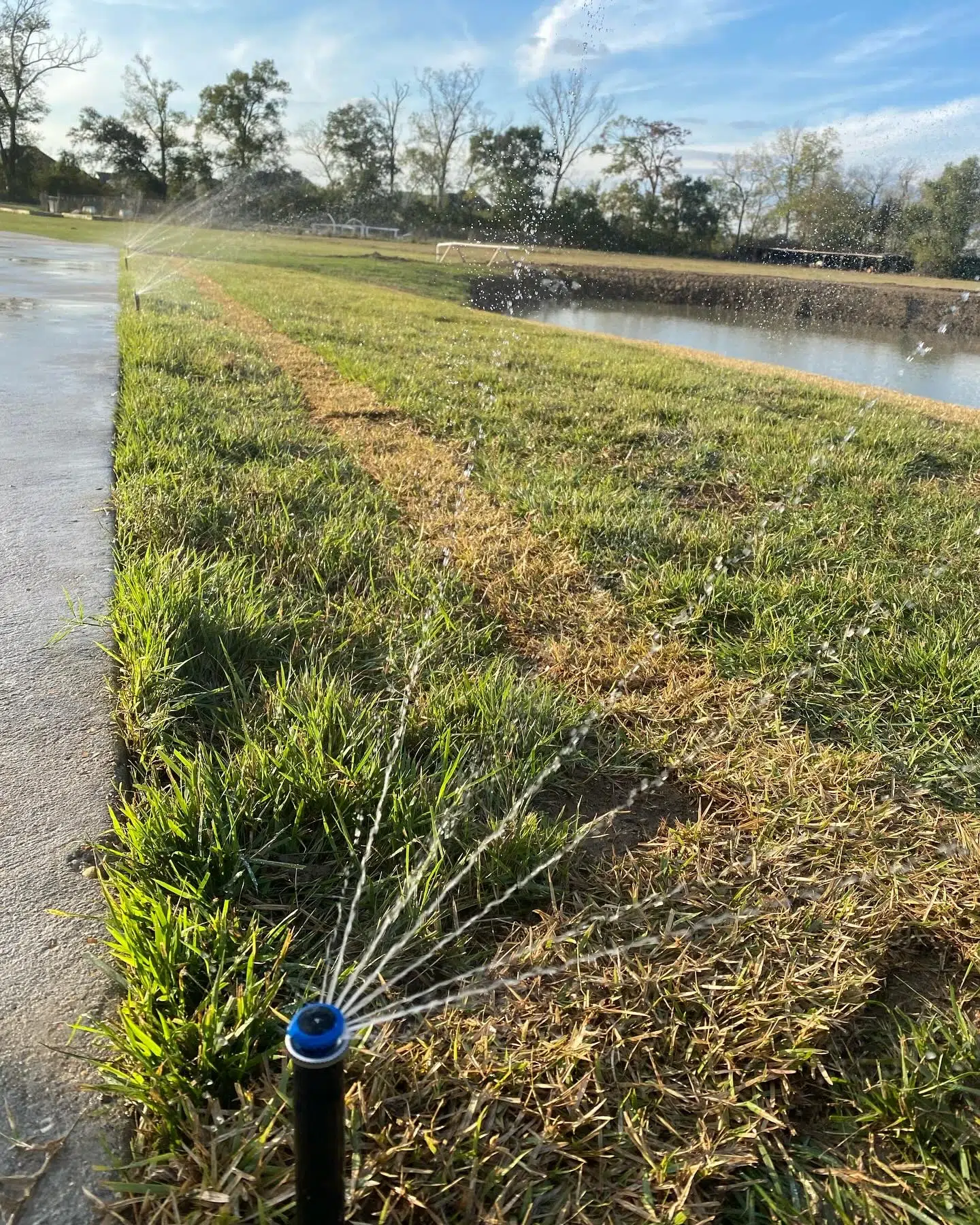
When a sprinkler head pops up but only spits, sputters, or trickles water, it is suffering from a severe loss of pressure. This red flag typically points to a cracked underground pipe, a failing main water valve, or a malfunctioning backflow preventer. Sputtering can also indicate trapped air in the lines or a clogged nozzle filter. The Irrigation Association sets strict industry standards for optimal operating pressure; when a system falls below these benchmarks, it cannot throw water to its designed radius, leaving large portions of the landscape vulnerable to drought.
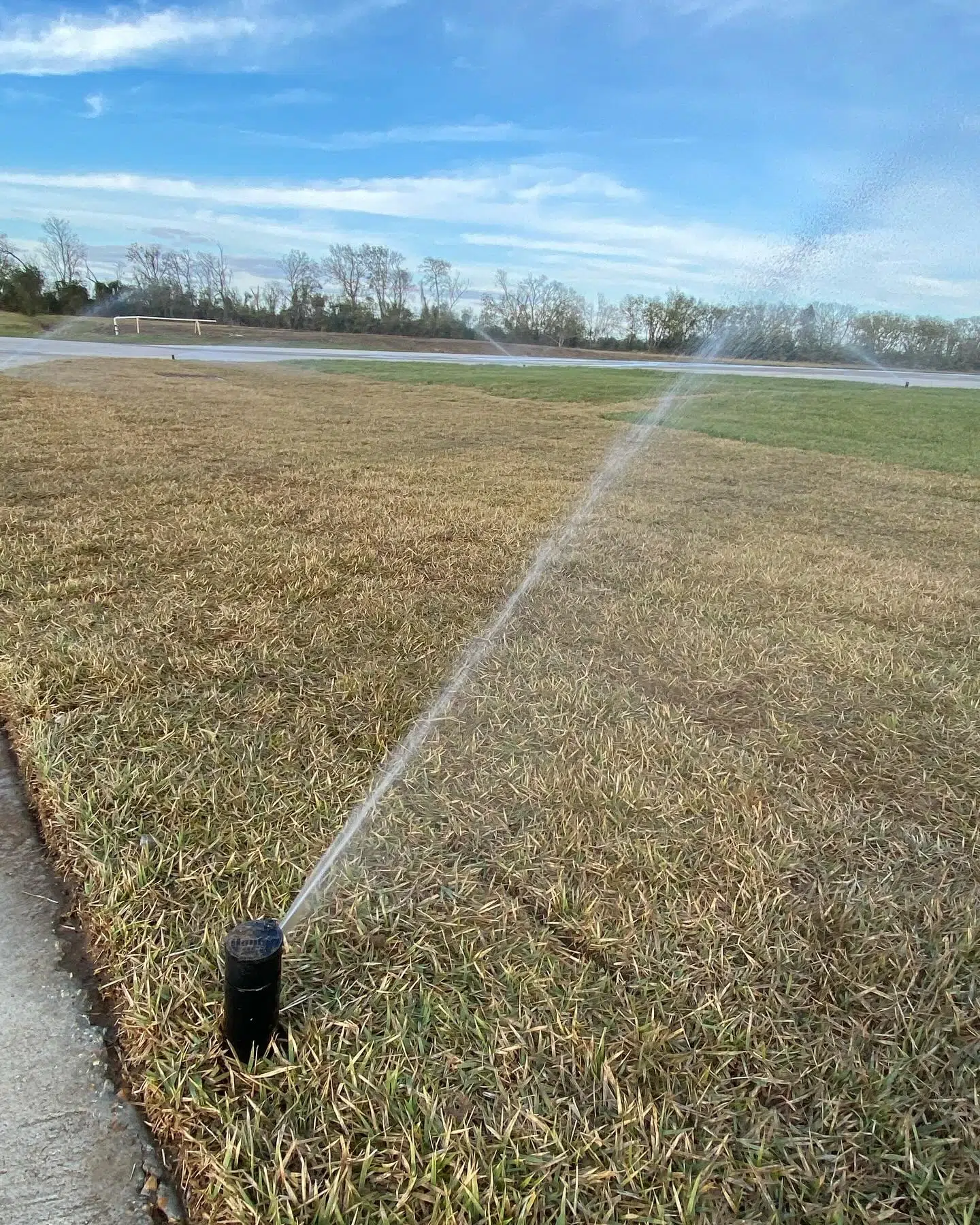
Red Flag 4: Visible Damage to Sprinkler Heads.
Physical damage is the most obvious red flag. Sprinkler heads are routinely subjected to lawnmower strikes, heavy foot traffic, and edging tools. A cracked casing, a snapped riser, or a head that fails to retract into the ground after a cycle is a glaring liability. A broken head will gush water like a geyser, destroying the immediate soil structure, washing away mulch, and starving the rest of the irrigation zone of water.
Red Flag 5: Control Panel and Wiring Malfunctions
Your irrigation controller is the brain of the operation. If the system fails to turn on at scheduled times, cycles run continuously without stopping, or certain zones fail to activate, the control panel or its underground wiring is likely compromised. Power surges, blown fuses, and corroded wiring connections are common culprits in St. George due to heavy thunderstorms. Research and data from Statista show a rapid increase in smart home device adoption; replacing a failing, outdated controller with a modern, Wi-Fi-enabled unit is often more cost-effective than attempting to repair archaic circuitry.
Best Methods for Repair in St. George, LA
Once a red flag is identified, applying the correct repair method is vital.
- Targeted Line Splicing: For underground leaks, we utilize precise diagnostic tools to locate the exact point of failure. We carefully excavate the specific area and splice in new, high-grade PVC or poly pipe, minimizing damage to the surrounding turf.
- Valve and Solenoid Replacement: If entire zones are failing to activate or shut off, replacing the electronic solenoid or rebuilding the internal diaphragm of the zone valve restores immediate functionality.
- Pressure Regulation: Upgrading older sprinkler heads to modern models with built-in pressure-regulating stems (PRS) eliminates misting and sputtering, ensuring water falls as heavy droplets that the soil can actually absorb.
- Smart Controller Integration: Swapping out an old, malfunctioning control panel for a weather-sensing smart controller guarantees that the system automatically adjusts watering times based on real-time St. George weather data, skipping cycles during heavy Louisiana downpours.
Red Flags, Repair Tactics, and Outcomes
| Red Flag | Best Repair Tactic | Expected Outcome | Key Limitation |
|---|---|---|---|
| High Water Bills | Underground leak detection & pipe splicing | Restored system integrity, lowered utility costs | Requires precise location tracking to avoid over-digging |
| Sputtering Heads | Valve replacement & pressure testing | Consistent water throw radius across all zones | May uncover secondary leaks once pressure is restored |
| Broken Sprinkler Heads | Head replacement with PRS technology | Eliminated water geysers, improved absorption | Must match precipitation rates of existing heads |
| Controller Malfunctions | Smart Wi-Fi controller installation | Automated, weather-adjusted watering schedules | Requires a stable home Wi-Fi connection near the garage/panel |
Strategic Approaches by Property Context
| Property Context | Recommended Approach | Key Notes | Expected ROI |
|---|---|---|---|
| Small Residential | Targeted component repair & head replacement | Focus on fixing obvious leaks and standardizing nozzles. | Immediate reduction in water waste; low upfront cost. |
| Large Estates | Smart controller upgrade & multi-zone testing | Ensures efficient coverage over varied topography and plant types. | High water savings over 12-24 months; healthier plants. |
| HOAs & Commercial | Total system audit & preventative maintenance | Requires comprehensive mapping and flow-rate analysis. | Protects large landscaping investments; prevents liability from runoff. |
Recommendations by Audience
Residential homeowners should prioritize immediate fixes for broken heads and unexplained water spikes. Upgrading to a smart controller is highly recommended, as it allows you to monitor your system directly from a smartphone, providing peace of mind whether you are at home or traveling.
For Commercial Property Owners, commercial properties frequently face liability issues if broken irrigation systems flood sidewalks or parking lots. We recommend a proactive approach: scheduled quarterly system audits. Commercial systems endure higher stress and require heavy-duty rotary heads and commercial-grade valves to maintain aesthetics without inflating overhead costs.
For HOAs and Property Managers, HOAs manage vast, interconnected green spaces. The best approach here is to establish a standardized maintenance contract. By upgrading all common areas to weather-sensing technology and standardizing the types of sprinkler heads used across the community, property managers can drastically reduce the community’s total water expenditure and ensure consistent aesthetic appeal across all neighborhoods.
Signs You’ve Found the Right Approach
Knowing you have the right repair strategy and the right team executing it comes down to transparency and measurable results. A strong approach begins with a comprehensive system audit rather than blind digging. The right solution will involve clear communication about why a component failed, not just how much it costs to replace. Furthermore, a reliable approach includes post-repair pressure testing to ensure that fixing a leak in Zone 1 doesn’t suddenly expose a weak point in Zone 2. When your system operates quietly, delivers uniform green growth without soggy patches, and your water bill stabilizes, you know the repair strategy was successful, especially when paired with effective drainage solutions in Village St. George, LA that prevent recurring soil saturation problems.
Expert Solutions for Your Business Growth
At All Seasons Landscaping & Lawn Care, we design customized irrigation systems that keep your landscape healthy, efficient, and properly watered year-round. Whether you need a new sprinkler installation, repairs for uneven watering, or an upgraded system to improve coverage and reduce water waste, our team delivers dependable irrigation solutions built for long-term performance and reliability.
Contact Details: Phone No: 225-276-8658
Email Address: [email protected]
Don’t let hidden system failures drain your budget. Reach out to us today to restore your landscape’s vitality and efficiency.
FAQs
How much does it cost to repair an irrigation system in St. George, LA?
Basic repairs like replacing a few broken heads or fixing a minor lateral line leak typically range from $150 to $400. Major repairs, such as replacing a backflow preventer or installing a new smart control panel, generally cost between $500 and $1,200, depending on system complexity.
How often should sprinkler heads be replaced?
High-quality pop-up sprinkler heads generally last between 10 and 15 years, while the internal nozzles may need replacing every 3 to 5 years due to mineral buildup or debris. If heads are frequently struck by lawnmowers, their lifespan will be significantly shorter.
What causes a sudden loss of water pressure in my sprinkler system?
Pressure loss is usually caused by an underground pipe leak, a failing zone valve that isn’t opening fully, or an obstruction in the main water line. It can also occur if the municipal water supply experiences a temporary pressure drop.
Can I upgrade my existing older system to a smart controller?
Yes. Most traditional irrigation systems can be easily upgraded by swapping the old control panel for a modern, Wi-Fi-enabled smart controller. The existing underground wires simply reconnect to the new unit, instantly modernizing your scheduling capabilities.
How long does a typical underground sprinkler system last?
With proper maintenance and prompt repairs, the underground PVC piping of an irrigation system can last 20 to 40 years. However, mechanical components like valves, controllers, and sprinkler heads will typically need replacement every 10 to 15 years.
Sources

- How Can Professional Drainage Services in Central, LA Protect Your Property From Water Damage? - September 11, 2026
- Which Areas of Your Property Benefit Most From Outdoor Lighting for Safety and Curb Appeal? - September 11, 2026
- How Does Professional Outdoor Lighting Transform Your Landscape at Night in Baton Rouge, LA? - September 9, 2026