Neglecting your landscaping in New Orleans does not quietly fade into the background. In a city that receives over 63 inches of rain annually and sits in USDA Hardiness Zones 9a through 10a, vegetation grows aggressively and deteriorates rapidly when left unmanaged. The result is a compounding cycle of declining curb appeal, structural risk, health hazards, and measurable property value loss. Research shows that the difference between a home with no landscaping and one with well-designed, maintained landscaping can shift perceived value by 5.5% to nearly 12%, and local landscaping services can help homeowners maintain the appearance and condition that contribute to a property’s overall appeal. A property with overgrown, deteriorated landscaping loses that same margin, sometimes more, when appraisers and buyers compare it against neighboring homes. The specific impact depends on how long neglect has persisted, how severe the overgrowth has become, and whether municipal code violations or structural damage are involved.
TL;DR
- Neglected landscaping in New Orleans can reduce perceived property value by 5.5% to 12% based on multi-state research by Virginia Tech, with the exact figure depending on severity and duration of neglect
- A University of Texas at Arlington study confirms that curb appeal alone accounts for up to 7% of a home’s selling price, meaning neglected yards directly reduce buyer offers
- New Orleans receives 63.35 inches of annual rainfall with average daily temperatures around 70.5°F, causing vegetation to grow and decompose faster than in most U.S. markets
- Years of unchecked growth lead to foundation damage, roof wear, pest infestations, and drainage problems, all of which compound value loss beyond aesthetics
- Overgrown properties attract mosquito-breeding standing water, and Louisiana ranks among the highest states in the country for West Nile virus neuroinvasive disease
- Municipal code violations for neglected vegetation can result in fines, liens, and forced abatement that further reduce your property’s net value
- The negative curb appeal of one neglected property can drag down the value of neighboring homes, making it a community-wide concern
- Recovery is possible, but properties neglected for multiple years often require staged restoration rather than a single cleanup
Why New Orleans Is Different: Climate Accelerates Everything
New Orleans is not a market where you can set landscaping aside and deal with it later. According to the National Weather Service’s 30-year climate normals, the city averages 63.35 inches of annual precipitation with a daily mean temperature of 70.5°F. That combination means grass, shrubs, vines, and trees grow nearly year-round. Mild winters offer no natural die-back period, and the high humidity accelerates rot in untreated wood surfaces, dead plant material, and organic debris.
The EPA notes that Louisiana has experienced a 27% increase in precipitation from heavy rainstorms since 1958, with more intense tropical storms and rising sea levels compounding flood risks. For neglected properties, this means that storm debris accumulates, standing water pools in unmaintained beds and clogged drainage areas, and root systems expand unchecked toward foundations and underground utilities. A yard that looks manageable in March can become a liability by August after a few heavy thunderstorms.
How Neglected Landscaping Destroys Property Value
Direct Value Loss from Poor Curb Appeal
Buyers, appraisers, and real estate agents form opinions about a property within seconds of seeing it. The Virginia Tech multi-state study found that design sophistication, plant size, and plant diversity all contribute to perceived home value. When the reverse happens, when landscaping is overgrown, sparse, or dying, the same study’s logic applies in the other direction. Landscaping service options can help homeowners address these issues by improving plant health, visual consistency, and overall property presentation. A property that falls below the neighborhood standard loses a percentage of value that corresponds to how far it deviates from the norm.
The University of Texas at Arlington research quantified this more precisely: homes with strong curb appeal, including well-maintained lawns, trimmed shrubs, and orderly plantings, sold for roughly 7% more than comparable homes with poor curb appeal. The same study found that during cold or weak housing markets, that premium could rise to 14%, which means your property’s disadvantage during a slow market is equally magnified.
Compounding Physical Damage to the Property
Beyond aesthetics, years of neglected landscaping create physical risks that appraisers flag and inspectors document:
| Type of Damage | How It Develops from Neglect | Impact on Property Value |
|---|---|---|
| Foundation cracking | Unmanaged tree and shrub roots seek water beneath slabs, causing soil displacement | Structural inspection flags, reduced offers, costly repairs |
| Roof and gutter damage | Overhanging branches scratch roofing, drop debris into gutters, causing backup | Water intrusion, interior ceiling damage, mold risk |
| Drainage failure | Unmaintained beds and compacted soil direct water toward the structure | Flooding, erosion, crawl space moisture |
| Siding and paint deterioration | Vegetation in constant contact with exterior holds moisture against surfaces | Rot, peeling paint, replacement costs |
| Fence and hardscape damage | Vine growth and root pressure displace pathway stones and fence posts | Unsafe conditions, code violations |
| Pest and rodent harborage | Tall grass, brush piles, and standing water attract mosquitoes, rodents, and termites | Health risks, infestation costs, buyer rejections |
Each of these issues independently reduces value. Together, they can turn a cosmetic problem into a structural and health liability that makes the property difficult to sell at market rate.
Health and Safety Risks That Scare Buyers Away
Louisiana consistently ranks among the states with the highest rates of mosquito-borne illness. The Louisiana Department of Health reported that the state had the fourth-highest rate of West Nile virus neuroinvasive disease in the country, with over 900 positive mosquito pools detected in a single season. Neglected landscaping directly contributes to this problem. Overgrown beds trap moisture, clogged gutters hold standing water, and unmanaged yards accumulate containers and debris that serve as breeding sites.
Beyond mosquitoes, neglected properties in New Orleans face risks from rodents, termites, and snakes, all of which are drawn to tall grass, brush piles, and debris. When a buyer walks a property and sees conditions that invite pests, many will not return for a second visit regardless of the home’s interior condition.
Code Violations: The Financial Penalty Layer
Across Louisiana and most municipalities, property owners are required by law to maintain vegetation below a certain height and remove dead or hazardous growth. Municipal codes typically classify overgrown grass exceeding 8 to 12 inches as a public nuisance, with enforcement that can include fines, abatement orders, and liens placed against the property.
In New Orleans, the Department of Code Enforcement can issue violations for properties with vegetation that poses a health, safety, or fire hazard. Fines accumulate, and if the city is forced to clear the property at the owner’s expense, the cost is added as a lien against the property. That lien surfaces during title searches and can block a sale entirely until it is resolved. For homeowners who have neglected their landscaping for years, New Orleans landscaping services can help address overgrown vegetation and restore the property before code violations stack up, making recovery more expensive and complicated.
The Neighborhood Spillover Effect
Neglected landscaping does not only hurt the property where it occurs. The UTA curb appeal study found that a neighbor’s curb appeal has a value similar to the homeowner’s own property. This means that one neglected lot in a New Orleans neighborhood can pull down the perceived value of every surrounding home. In neighborhoods with strong HOA covenants or active code enforcement, this spillover effect is limited. In areas without those protections, a single overgrown property can depress offers on the entire block.
Stages of Neglect and What Happens at Each Level
| Neglect Duration | Visible Conditions | Property Value Impact | Recovery Approach |
|---|---|---|---|
| 1 to 6 months | Tall grass, minor weed growth, slightly overgrown beds | Minor curb appeal reduction, no structural damage yet | Single cleanup and mowing session |
| 6 months to 2 years | Thicket growth, encroaching vines, early root issues, some dead plants | Noticeable value gap vs. neighbors, early appraiser flags | Multi-day clearing, bed redefinition, replanting |
| 2 to 5 years | Mature invasive species, tree canopy blocking sunlight, root damage to hardscape, drainage problems | Significant value reduction, possible code violations, inspection red flags | Professional tree removal, soil correction, full landscape redesign |
| 5+ years | Structural damage, standing water problems, hazardous trees, pest infestations, accumulated debris | Severe value loss, likely below neighborhood average, potential liens | Staged restoration starting with hazard removal and drainage repair |
Signs You Have Found the Right Landscape Restoration Partner
Recovering from years of neglect is not a job for a basic mowing crew. You need a team that assesses before cutting, understands New Orleans soil and drainage, and communicates clearly about what must happen in what order. Look for providers who walk the property before quoting, identify structural and drainage issues beyond the surface, explain the difference between immediate hazard removal and long-term restoration, and provide a written plan with phased steps rather than a single vague estimate. Experience with native Louisiana plants, stormwater management, and the specific challenges of subtropical growing conditions matters more than a low price.
Recommendations by Property Situation
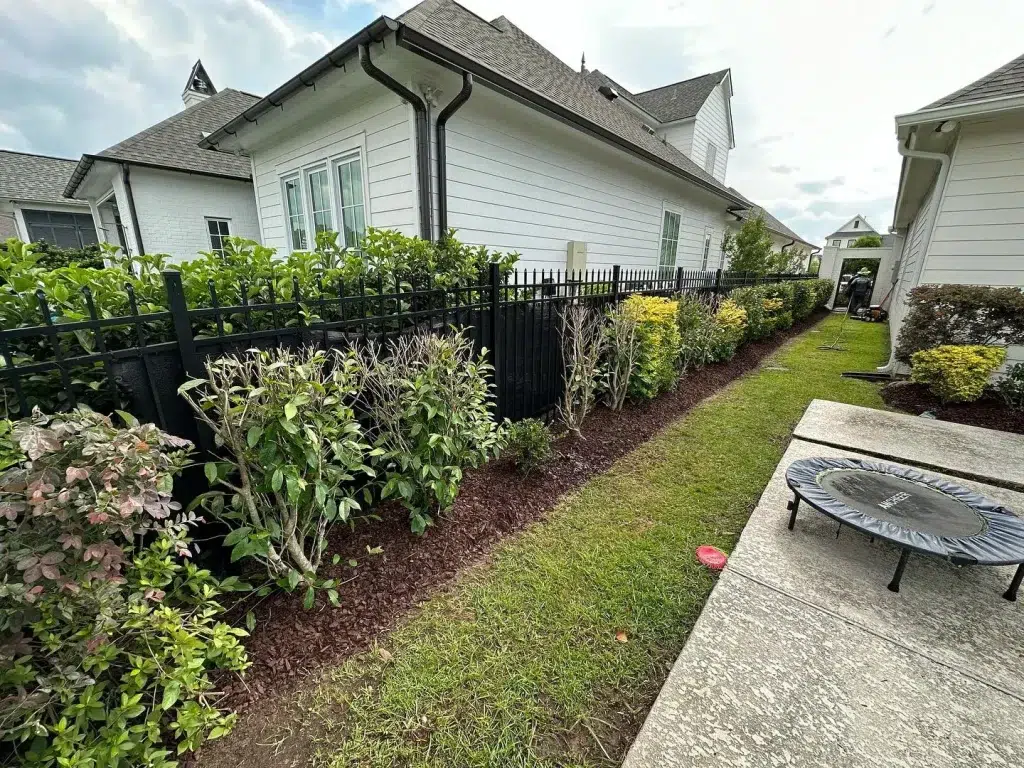
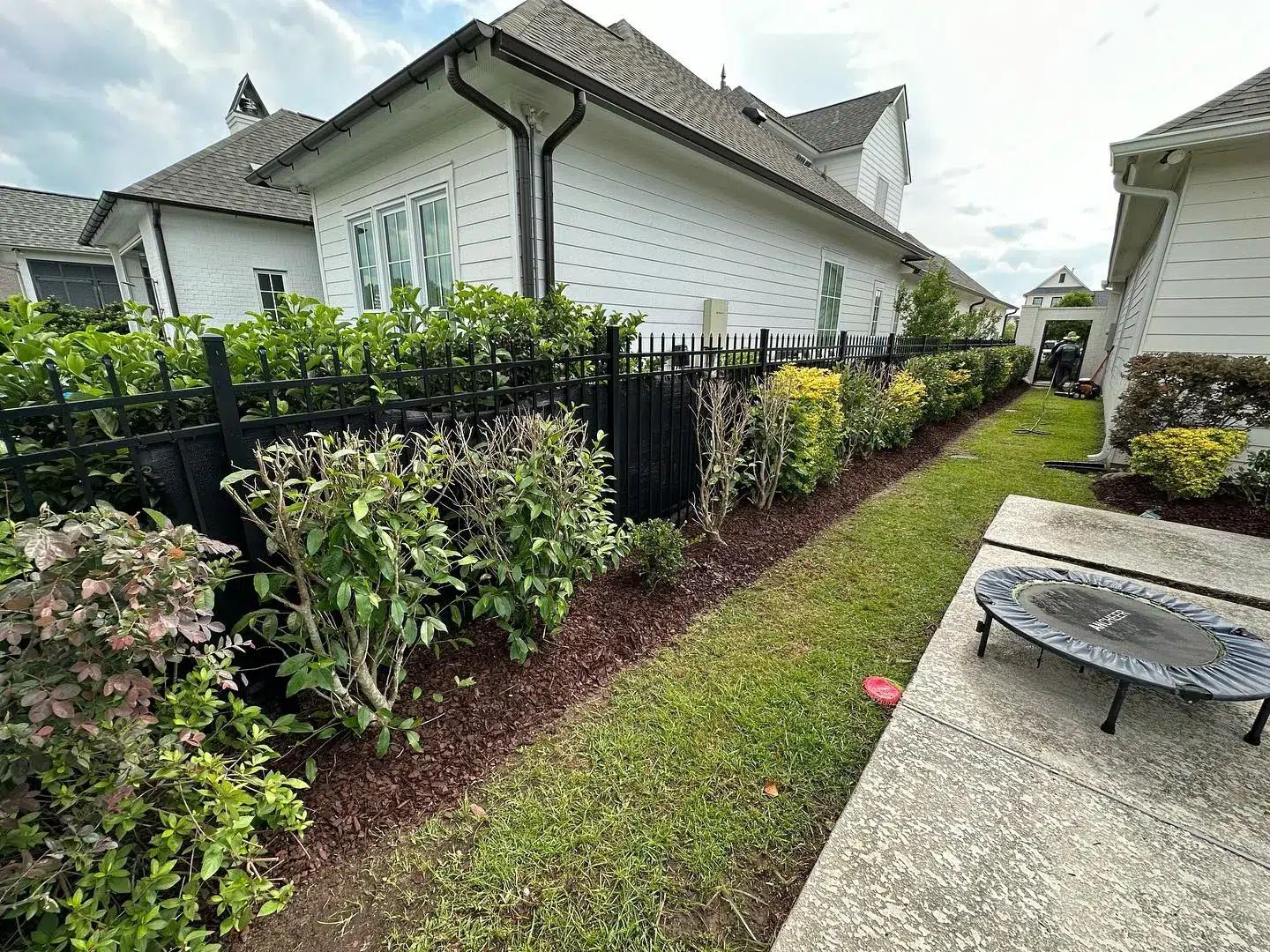
For homeowners planning to sell within 12 months: Focus on curb appeal restoration first. Remove dead and overgrown material, define clean bed lines, add fresh mulch, and ensure the lawn is healthy. Even modest investment in front-yard appearance will yield measurable offers compared to letting buyers see years of neglect.
For homeowners staying long-term: Treat the restoration as an investment that appreciates over time. The Virginia Tech study noted that unlike most home improvements, landscape value increases as plants mature. A phased plan that addresses drainage and structural issues first, then establishes a sustainable design, will protect your property value and reduce future maintenance costs.
For property managers and landlords: Neglected landscaping on rental properties accelerates tenant turnover, attracts complaints, and triggers code enforcement. Regular maintenance contracts are less expensive than the accumulated cost of abatement fines, emergency tree removal, and vacancy.
Ready to Restore Your Property’s Value?
Years of landscaping neglect in New Orleans do not have to be permanent. All Seasons Landscaping has the experience, equipment, and local knowledge to assess the full scope of damage, prioritize hazard removal, and build a restoration plan that protects your property value for the long term. Our team understands the specific demands of New Orleans’ subtropical climate and works with each property owner to develop a realistic, phased approach to recovery.
Contact us at [email protected] or call 225-276-8658 to get started. The sooner you address neglected landscaping, the less damage accumulates and the more value you retain.
Frequently Asked Questions
How quickly does neglected landscaping in New Orleans become a problem?
In New Orleans’ climate, vegetation grows nearly year-round. Grass can become overgrown within weeks, and shrubs or vines can cause visible damage within a few months of neglect. After one full growing season, the difference between a maintained and neglected yard is dramatic.
Can overgrown landscaping actually damage my home’s foundation?
Yes. Unmanaged tree and shrub roots actively seek moisture, which draws them toward and beneath concrete slabs and foundations. Over years, this root expansion displaces soil, creates pressure against concrete, and can cause cracks, uneven settling, and costly structural damage.
Does a neighbor’s neglected yard affect my property value?
Research from the University of Texas at Arlington confirms that a neighbor’s curb appeal has a measurable effect on your home’s perceived value. One severely overgrown property can reduce offers on surrounding homes, particularly in neighborhoods without active HOA enforcement.
What are the code enforcement risks in New Orleans for overgrown property?
New Orleans can classify overgrown vegetation as a public nuisance and issue violations, fines, and abatement orders. If the city clears your property, the cost is placed as a lien, which must be resolved before a property can be sold.
Is it possible to recover property value after years of landscaping neglect?
Yes, but recovery requires a staged approach. Immediate hazard removal and drainage repair come first, followed by bed redefinition and replanting with species suited to New Orleans’ climate. Research shows that landscape investments appreciate over time as plants mature, so the value recovery is gradual and lasting.
Sources
- The Effect of Landscape Plants on Perceived Home Value – Virginia Tech – Peer-reviewed Virginia Cooperative Extension research documenting how landscape design, plant size, and plant type affect perceived home value across seven states, including Louisiana.
- The Cost of Curb Appeal: UTA Study Says 7% – University of Texas at Arlington – Published study in the Journal of Real Estate Finance and Economics quantifying curb appeal’s contribution to home sale prices using machine learning analysis of over 400 property photos.
- NWS New Orleans/Baton Rouge 30-Year Climate Normals (1991-2020) – NOAA – Official National Weather Service climate data showing New Orleans’ 63.35 inches of annual precipitation and 70.5°F average daily temperature.
- What Climate Change Means for Louisiana – EPA – U.S. Environmental Protection Agency assessment of Louisiana’s changing climate, including increased flooding, heavier downpours, and rising temperatures that accelerate landscaping deterioration.
- Louisiana Has Fourth Highest Rate of West Nile Virus Neuroinvasive Disease – Louisiana Department of Health – Louisiana Department of Health public health advisory documenting the state’s elevated mosquito-borne illness rates and guidance on eliminating standing water around properties.

- The Complete Guide to Hedge Trimming, Care, Maintenance, and Healthy Growth - October 6, 2026
- How Can Professional Drainage Services in Central, LA Protect Your Property From Water Damage? - September 11, 2026
- Which Areas of Your Property Benefit Most From Outdoor Lighting for Safety and Curb Appeal? - September 11, 2026