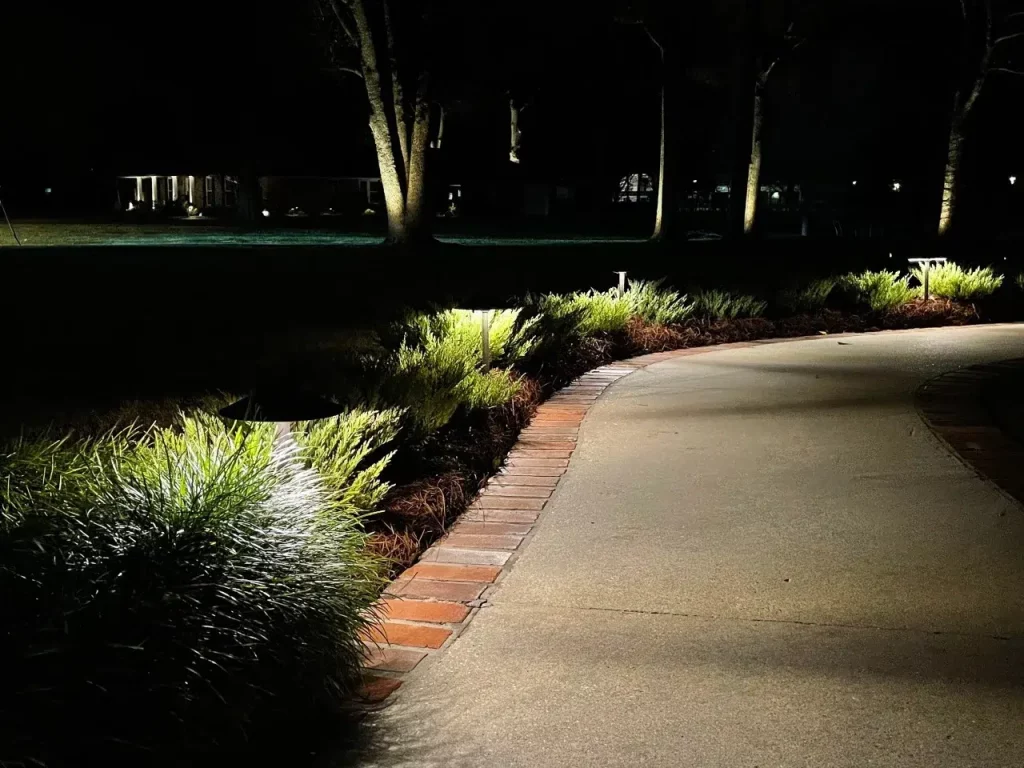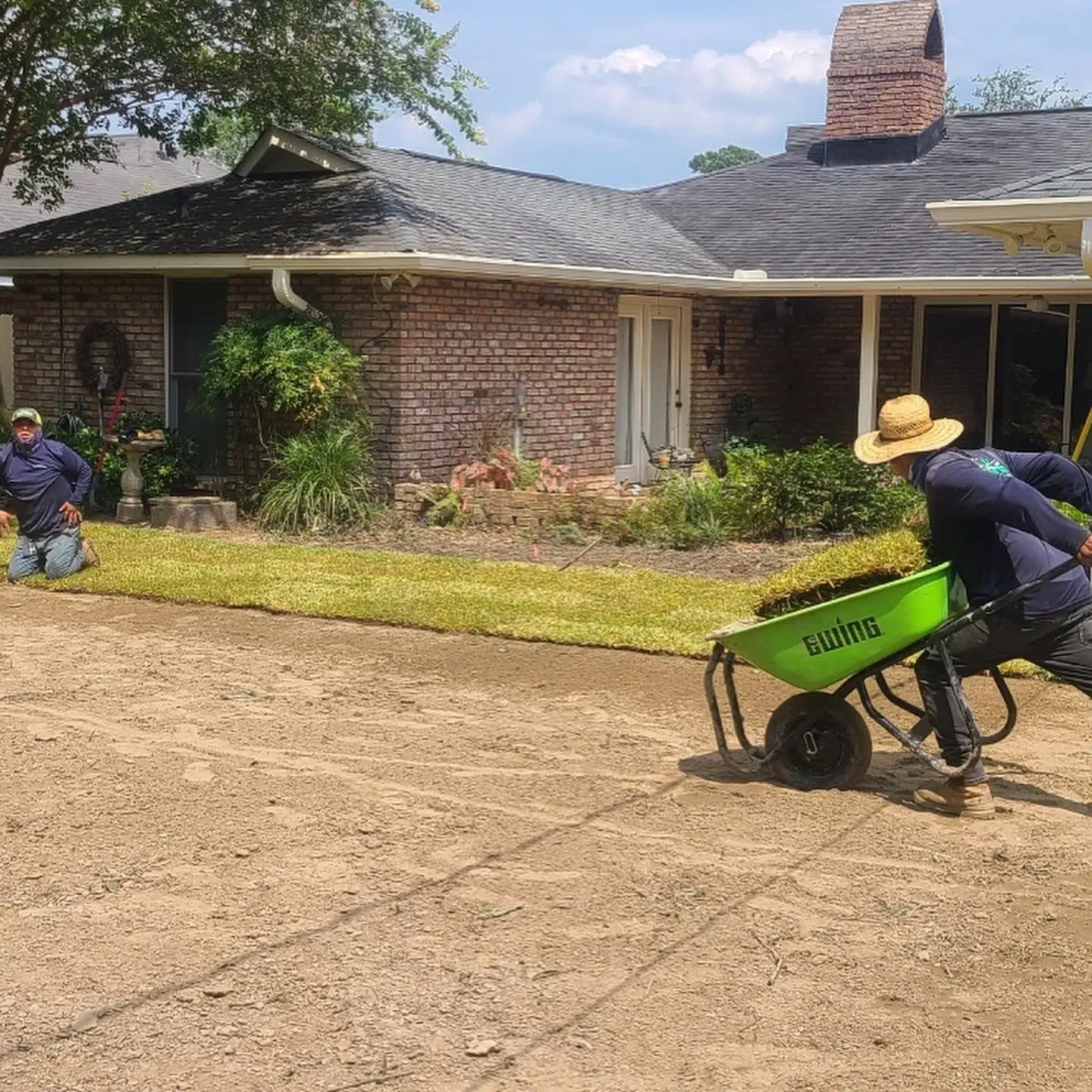
For St. George properties specifically, warm-season grasses like St. Augustinegrass and Bermudagrass thrive when soil biology is healthy, according to the LSU AgCenter. Chemical-heavy programs can degrade the microbial life these grasses depend on. At the same time, organic approaches support the root zones and thatch decomposition that keep Louisiana turf thick and weed-resistant through long summers. A comprehensive meta-analysis published by the National Institutes of Health confirms that organic fertilization increases both forage production and soil carbon storage in grasslands, reinforcing the long-term soil-building advantages of organic approaches.
TL;DR
- Organic lawn care takes 1 to 3 seasons to produce visible results comparable to chemical treatments, but soil health improvements are measurable within the first year
- Chemical treatments show results in 1 to 3 weeks but require ongoing applications every 4 to 8 weeks throughout the growing season
- Annual maintenance costs for organic programs typically range from $800 to $1,800, depending on lawn size, while chemical programs average $500 to $1,200 per year
- St. George’s USDA hardiness zone 8b-9a climate (hot, humid, heavy rainfall) means rapid nutrient leaching from synthetic fertilizers into local waterways
- Soil compaction is a major problem in the Baton Rouge area clay soils, and organic programs actively reduce compaction while chemical treatments tend to worsen compaction over time
- Organic programs reduce long-term weed pressure by encouraging dense turf growth, while chemical herbicides can create resistant weed populations
- Pet and child safety is significantly better with organic approaches, a meaningful factor for residential properties in St. George neighborhoods
- Hybrid approaches (organic base with selective chemical spot treatments) often deliver the best balance for homeowners transitioning from conventional programs
How Each Approach Works in St. George’s Climate
St. George, Louisiana, sits in a humid subtropical climate with long, hot summers, abundant rainfall, and mild winters. The predominant soil types in East Baton Rouge Parish include heavy clay and silt loams that drain slowly and compact easily. These conditions directly influence how both organic and chemical lawn care products perform.
Organic lawn care relies on slow-release nutrient sources such as compost, aged manure, bone meal, and plant-based meals. These materials feed soil microorganisms, which in turn break down organic matter into plant-available nutrients. The process is slower but more stable. Organic matter also improves soil structure in clay-heavy St. George soils by increasing aggregation, which improves drainage and reduces surface compaction. According to the LSU AgCenter’s turfgrass guide, proper soil preparation and ongoing soil health management are the most important factors for successful warm-season turf in Louisiana.
Research from The Ohio State University Extension confirms that improved soil with adequate organic matter contributes to healthy plants that are less susceptible to damage from pests and environmental stress. Their extensive guide on natural organic lawn care demonstrates that soil quality, specifically adequate organic matter content, creates greater pore space among soil particles, providing optimal conditions for root growth while improving both soil drainage and water-holding capacity.
Warm-season grasses common in St. George, including St. Augustinegrass, Bermudagrass, Centipedegrass, and Zoysiagrass, all respond well to biological soil management. These grasses have deep root systems that benefit from the improved aeration and water infiltration that organic amendments provide.
Head-to-Head Comparison
| Factor | Organic Lawn Care | Chemical Treatments |
|---|---|---|
| Time to visible results | 4 to 12 weeks | 1 to 3 weeks |
| Long-term soil health | Improves year over year | Degrades with repeated use |
| Nutrient retention in clay soil | High, slow-release | Low to moderate, leaches easily |
| Water quality impact | Minimal runoff concern | nitrogen/phosphorus runoff risk |
| Weed resistance development | Low risk | High risk over time |
| Pet and child safety | Very safe after application | Re-entry restrictions apply |
| Cost per season (year 1) | $800 to $1,800 | $500 to $1,200 |
| Cost per season (year 3+) | $600 to $1,200 (decreasing) | $500 to $1,200 (stable or increasing) |
| Drought resilience | Improves root depth over time | Surface-dependent, less resilient |
| Thatch management | Biological decomposition | Requires mechanical dethatching |
Cost Breakdown Over Five Years
One of the most common questions we hear from St. George homeowners is whether the higher upfront cost of organic lawn care actually pays off. The answer depends on the timeline and how effectiveness is measured.
Year 1 through Year 2 (Transition Period): Organic programs typically cost 30 to 50 percent more than chemical programs. Soil testing, compost topdressing, and biological amendments represent the bulk of the initial investment. Results may look underwhelming compared to a neighbor using synthetic fertilizers, especially during the first growing season.
Year 3 through Year 5 (Establishment Phase): As soil biology matures, organic lawns require fewer inputs. Nutrient cycling improves, meaning compost or organic fertilizer applications can be reduced in frequency. Weed pressure typically drops because thick, healthy turf crowds out opportunistic weeds. Chemical program costs, by contrast, tend to remain flat or increase as herbicide resistance develops and soil compaction requires more aggressive intervention.
Natural lawn care programs that prioritize soil health produce turf that resists weeds and pests without relying on repeated synthetic applications, which directly supports the long-term cost advantage of organic programs.
Real-World Scenarios in St. George, LA
| Scenario | Property Type | Grass Type | Recommended Option | Estimated Year 1 Cost |
|---|---|---|---|---|
| Newly built home with compacted clay fill | Residential, 5,000 sq ft | Bermudagrass sod | Organic program with aeration and compost topdressing | $1,200 to $1,800 |
| Established lawn with recurring dollar spot fungus | Residential, 8,000 sq ft | St. Augustinegrass | Hybrid: organic base with targeted fungicide | $900 to $1,400 |
| Commercial property requiring fast green-up | Office park, 15,000 sq ft | Zoysiagrass | Chemical program with transition plan | $2,000 to $3,500 |
| Family with young children and dogs | Residential, 6,500 sq ft | Centipedegrass | Full organic program | $800 to $1,300 |
| Vacant lot being prepared for sale | Lot, 12,000 sq ft | Mixed turf/weeds | Chemical treatment for quick curb appeal | $600 to $1,000 |
Key Factors That Influence the Decision
Several local and property-specific variables determine which approach delivers better long-term results for your St. George lawn.
- Soil type: Heavy clay soils, which dominate much of St. George and East Baton Rouge Parish, benefit enormously from organic amendments that improve structure and drainage. Sandy pockets in some areas may retain organic nutrients poorly, making carefully timed applications more important
- Grass species: Centipedegrass and Zoysiagrass are lower-nutrient grasses that can suffer from over-fertilization with synthetic products. St. Augustinegrass and Bermudagrass tolerate higher nitrogen inputs but still benefit from biological soil management
- Budget timeline: If immediate results are needed this month, chemical treatments win. If ownership of the property is planned for three or more years, organic programs deliver a better total cost of ownership
- Water access and drainage: Properties with poor drainage or near drainage ditches (common in St. George subdivisions) should avoid heavy synthetic nitrogen applications that contribute to nutrient pollution. Excess nitrogen and phosphorus from lawn fertilizers is a leading source of nutrient pollution in local waterways, and adopting natural yard care techniques can reduce runoff
- Current lawn condition: Lawns with severe weed infestations, disease pressure, or complete turf loss may need a chemical reset before transitioning to organic maintenance
- Local ordinances: East Baton Rouge Parish has seasonal fertilizer restrictions, particularly phosphorus limitations near waterways, which can affect chemical program timing and product selection
Organic fertilizers release nutrients slowly as soil microorganisms break organic matter down, which means fewer applications and less risk of burning turf during St. George’s intense summer heat.
Water Quality and Environmental Impact in St. George
The U.S. EPA’s Basic Information on Nutrient Pollution explains that excess nitrogen and phosphorus in water causes algae blooms that deplete oxygen levels, harm aquatic life, and degrade drinking water quality. Residential lawn fertilizers are a recognized contributor to this problem, particularly in areas with frequent rainfall like St. George.
According to research highlighted by the Science Societies (Crop Science Society of America), nutrients in lawn fertilizers can seep into groundwater and contribute to pollution, especially in regions with heavy soils and high precipitation. Organic lawn care mitigates this risk because organic nutrients are bound in complex molecules that release slowly, reducing the volume of excess nitrogen and phosphorus available for leaching during rain events.
Who Organic Lawn Care Is For (and Who It Is NOT For)
Organic lawn care is the best choice for:
- Homeowners planning to stay in the St. George property for three or more years
- Families with children or pets who frequently use the lawn
- Properties near waterways, drainage canals, or ponds where runoff is a concern
- Lawns with chronic soil compaction, poor drainage, or thinning turf that has not responded well to conventional treatments
- Homeowners willing to invest more upfront for lower long-term maintenance costs
Organic lawn care is NOT the best choice for:
- Properties being prepared for immediate sale where curb appeal in the next 30 to 60 days is the priority
- Homeowners who want immediate, dramatic color improvement and are not willing to wait through a transition period
- Lawns with severe, established weed or disease problems that require chemical intervention before organic methods can take hold
- Budgets that cannot absorb the higher first-year cost of organic establishment
Get a Lawn Care Plan Built for Your St. George Property
Choosing between organic and chemical lawn care does not have to be an all-or-nothing decision. At ALL SEASONS LANDSCAPING, we evaluate your soil conditions, grass type, budget, and goals to build a program that works for your specific property in St. George, LA. Whether you want to transition to a fully organic program, maintain a conventional chemical schedule, or start with a hybrid approach, our team develops a plan based on what your lawn actually needs, not a one-size-fits-all template.
Call us at 225-276-8658 or email [email protected] to get started. The best lawn care decision is the one based on your property’s actual conditions, not guesswork.
Frequently Asked Questions
Can I switch from chemical to organic lawn care mid-season?
Yes, transitioning at any time is possible, but the best results come from starting in early spring when warm-season grasses are actively growing. We recommend a soil test first so we can address any nutrient imbalances the previous chemical program created.
Does organic lawn care work on St. Augustinegrass in Louisiana heat?
Organic care works well on St. Augustinegrass, which is the most common turf in St. George. The slow-release nature of organic nutrients actually reduces the risk of fertilizer burn during peak summer temperatures, a common problem with fast-release synthetic products.
How long does it take for an organic program to match chemical results?
Most St. George lawns show visible improvement in soil quality and turf density within the first season, but matching or exceeding the visual results of a well-maintained chemical program typically takes two to three full growing seasons.
Will weeds get worse when I stop using chemical herbicides?
Weed pressure may temporarily increase during the transition, usually in the first year. As soil health improves and turf density increases, weeds naturally decline. We often use spot-treatment methods during transition to keep weeds manageable without reverting to blanket herbicide applications.
Is organic lawn care safe for wells and septic systems common in St. George?
Organic lawn care is significantly safer for wells and septic systems because organic methods do not introduce synthetic chemicals that can contaminate groundwater. This is especially relevant for St. George properties on well water or near the many drainage ditches in East Baton Rouge Parish.
Sources
- LSU AgCenter – Which Turf Species Is Best for My Landscape? – Comprehensive guide to selecting turfgrass species for Louisiana’s climate and soil conditions, including watering and maintenance requirements for St. Augustinegrass and other warm-season varieties.
- LSU AgCenter – Turfgrass for Louisiana Lawns (PDF) – Detailed publication covering establishment, soil preparation, and long-term management of warm-season turfgrasses suited to Louisiana growing conditions.
- National Institutes of Health – A Global Meta-Analysis on the Effects of Organic and Inorganic Fertilization – Peer-reviewed meta-analysis demonstrating that organic fertilization increases forage production and soil carbon storage in grassland ecosystems, supporting the long-term soil health benefits of organic lawn care.
- U.S. EPA – Basic Information on Nutrient Pollution – Comprehensive overview of how excess nitrogen and phosphorus from fertilizers degrade water quality, harm aquatic ecosystems, and impact drinking water sources.
- Science Societies – How Lawn Care Affects Groundwater Pollution – Research summary from the Crop Science Society of America documenting how lawn fertilizer nutrients leach into groundwater and contribute to pollution, particularly in regions with heavy soils and high rainfall.
- The Ohio State University Extension – Natural Organic Lawn Care – Comprehensive guide to natural organic lawn care practices, including detailed information on how organic matter improves soil structure, increases pore space for root growth, and enhances both drainage and water-holding capacity while reducing plant susceptibility to pests and environmental stress.

- How Does Regular Hedge Trimming Improve Your Landscape’s Overall Appearance? - October 12, 2026
- The Complete Guide to Hedge Trimming, Care, Maintenance, and Healthy Growth - October 6, 2026
- How Can Professional Drainage Services in Central, LA Protect Your Property From Water Damage? - September 11, 2026