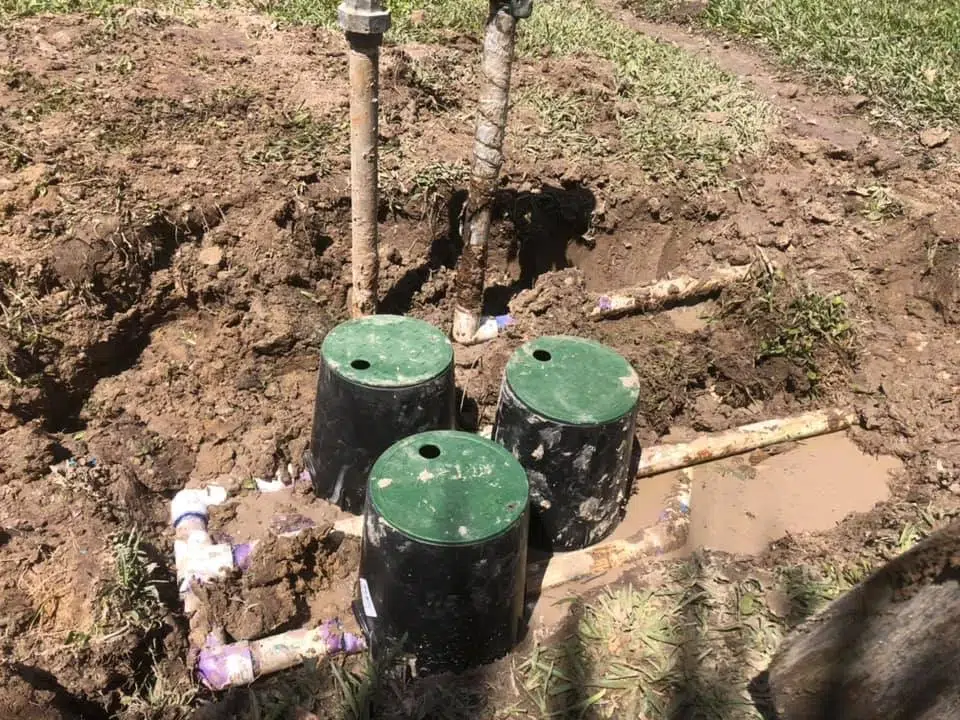
Eliminating standing water on lawns requires professional subsurface drainage solutions to capture and redirect excess groundwater away from your property. Subsurface systems lower the water table below the root zone, prevent severe soil compaction, and protect structural foundations from water intrusion. By addressing poor grading and heavy clay soils, properly designed pipes and trenches restore optimal soil drainage. This ensures a healthy, usable landscape year-round without the risk of chronic pooling or flooding.
TL;DR
- Subsurface drainage systems capture and redirect excess water away from vulnerable building foundations and delicate turfgrass root zones.
- Prolonged standing water starves soil of oxygen, suffocates roots, and heavily promotes destructive turf fungal diseases.
- French drains use perforated pipes encased in gravel trenches to efficiently collect and move groundwater out of low-lying areas.
- Soil composition heavily dictates drainage performance, with compacted clay environments requiring more aggressive and deeper water management strategies.
- Strategically placed catch basins handle heavy surface runoff immediately before it accumulates into stagnant yard pools.
- Combining professional surface grading with subsurface pipe networks offers a permanent and reliable solution to localized yard flooding.
Why Subsurface Drainage is Essential for Healthy Lawns
When excess water accumulates on a lawn, it creates a hostile environment for plant life. Turfgrass requires a careful balance of oxygen and moisture in the soil to thrive. When water pools on the surface for extended periods, it completely fills the soil macropores, displacing vital oxygen. According to researchers at the Penn State Extension, prolonged soil waterlogging severely damages root systems, causing the roots to die back and making the grass highly susceptible to opportunistic diseases like Pythium blight, which is why many homeowners seek yard drainage correction services before long-term lawn damage develops.
We frequently see homeowners struggle with patchy, dying grass because the underlying water table is simply too high. Installing a subsurface drainage network actively pulls this moisture downward and away from the yard. This allows oxygen to return to the root zone, encouraging deep root growth and a highly resilient lawn. Beyond grass health, eliminating stagnant water also removes breeding grounds for mosquitoes and prevents slippery, muddy zones that render your yard unusable.
Common Causes of Lawn Flooding
Understanding why water pools is the first step in resolving the issue permanently. In many residential landscapes, the primary culprit is soil composition. The United States Department of Agriculture (USDA) notes that soils with high clay content have extremely slow infiltration rates. Clay particles are microscopic and pack tightly together, meaning rain cannot pass through the soil profile quickly. When heavy precipitation hits clay-heavy yards, the water has nowhere to go but up, forming surface puddles.
Another major factor is improper lot grading. Over time, landscapes settle, creating localized depressions and negative slopes that direct water toward the center of the lawn or back toward the house foundation. Compaction from heavy foot traffic or lawnmowers further reduces the soil infiltration capacity. Subsurface drainage systems bypass these surface bottlenecks by giving water an underground highway to a safe discharge point.
Comparing Professional Drainage Solutions
Different pooling problems require different drainage solutions. We evaluate the specific topography and soil type of your property to determine the most effective installation. Below is a comparison of the primary subsurface and surface water management tools we employ.
| Drainage Type | Primary Function | Ideal Application | Expected Lifespan | Maintenance Level |
|---|---|---|---|---|
| French Drain | Collects and redirects subsurface groundwater. | Flat yards with heavy clay soil and lingering dampness. | 15 to 25 years | Low |
| Catch Basin | Captures heavy surface runoff during storms. | Low spots where water rapidly pools during rain events. | 20+ years | Medium (requires debris clearing) |
| Dry Well | Stores excess water underground until it percolates. | Properties lacking a natural downward slope for discharge. | 10 to 15 years | Low |
| Channel Drain | Intercepts water flowing over hardscape. | Driveways, patios, and pool decks border the lawn. | 15 to 20 years | Medium |
Real-World Landscape Drainage Solutions
Understanding how these systems work in practice helps illustrate their value. We regularly design custom solutions for properties facing unique environmental challenges. The table below highlights practical scenarios and the specific subsurface solutions implemented to resolve them.
| Scenario | Property Type | Problem | Solution | Outcome |
|---|---|---|---|---|
| The Sinking Backyard | Suburban Single-Family | Water pools for days after rain, creating mud pits and killing turf. | Installed a 50-foot French drain network branching into a central discharge pipe. | Eliminated surface water, allowing new sod to root successfully. |
| The Flooded Patio | Townhome | Runoff from the roof and uphill neighbors is flooding the patio and back door. | Placed two catch basins connected to a solid underground PVC pipe routed to the street. | Kept hardscape completely dry and prevented foundation water damage. |
| The Landlocked Garden | Urban Lot | Flat yard with high clay content and nowhere for water to naturally drain. | Excavated and installed an underground dry well wrapped in filter fabric. | Water now flows underground, safely percolating into the deep soil over time. |
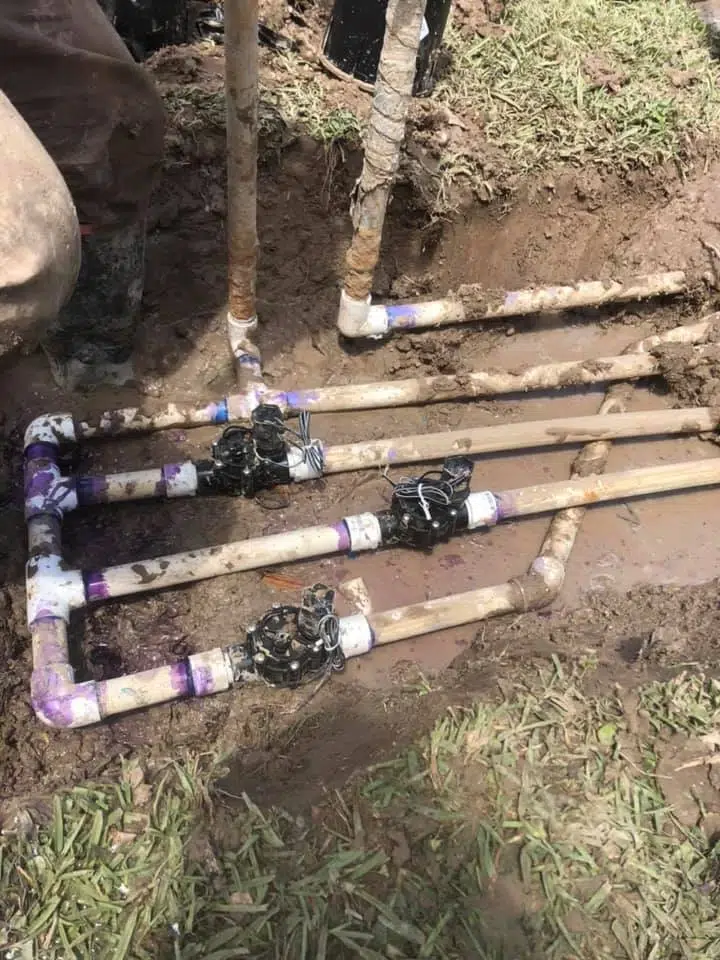
Actionable Strategies to Improve Lawn Drainage
If you are dealing with chronic lawn moisture, there are immediate professional strategies we utilize to restore your yard. The following steps form the core of effective subsurface water management.
- Conduct a Percolation Test: Before installing any pipes, we test how quickly your soil absorbs water. Digging a small hole, filling it with water, and timing the drainage gives us the data needed to size your underground pipes correctly.
- Install Geotextile Fabrics: When building a subsurface system, preventing clogs is critical. As detailed in a Wikipedia overview of the French drain, wrapping the drainage trench in permeable landscape fabric prevents silt and plant roots from entering and clogging the perforated pipe.
- Utilize Smooth Interior Pipes: While corrugated black plastic pipes are cheap and easy to bend, they trap debris easily. We strongly recommend using rigid, smooth-interior PVC pipes for main discharge lines to ensure maximum water velocity and easy cleanouts.
- Incorporate Annual Core Aeration: For lawns suffering from minor surface pooling due to compaction, we mechanically remove soil plugs. This breaks up the top layer of hardpan soil, significantly increasing the volume of water the yard can naturally absorb before relying on the subsurface drains.
- Establish Proper Grading: Subsurface systems work best when paired with proper surface flow. We grade the soil away from the home foundation at a minimum drop of six inches over the first ten feet to ensure water moves toward the installed catch basins.
Factors That Affect Drainage Performance
Subsurface drainage is not a generic service. Several environmental and physical variables directly influence how well an underground pipe network removes water from your property.
- Soil Permeability: As previously mentioned, clay soils hold onto water tightly. In highly cohesive soils, trenches must be dug deeper, and the gravel beds must be wider to create a large enough surface area for water collection.
- Yard Topography and Slope: Gravity is the driving force behind subsurface drainage. If a yard is entirely flat, we must artificially create a slope within the trench itself. A standard drop of one inch for every ten feet of pipe is required to keep water flowing steadily toward the exit point.
- Pipe Diameter and Capacity: The volume of runoff dictates the size of the infrastructure. A standard residential French drain uses a four-inch pipe, but properties receiving substantial uphill runoff may require six-inch lines to prevent underground backups during severe storms.
- Discharge Location: Collected water must be deposited safely. Routing water to a municipal storm sewer, a pop-up emitter near the curb, or a dedicated drainage ditch determines the overall design of the subsurface layout.
- Tree Root Interference: Mature trees naturally seek out water sources. If a drainage pipe is installed too close to a large tree, roots will eventually infiltrate the perforations. We mitigate this by using solid pipes near trees or installing root barriers.
The Environmental and Property Benefits of Proper Runoff Management
Effective drainage does more than just keep your grass green. Unmanaged stormwater runoff picks up fertilizers, pesticides, and loose soil, carrying these pollutants directly into local waterways. The United States Environmental Protection Agency (EPA) highlights that managing stormwater on-site is crucial for protecting the water quality of local streams and lakes. By utilizing catch basins and dry wells, we help you contain and filter this runoff safely within your property boundaries.
Furthermore, ignoring standing water poses a massive risk to your home foundation. Hydrostatic pressure builds up when the soil surrounding your house becomes completely saturated. This pressure forces moisture through microscopic cracks in concrete foundations, leading to flooded basements and expensive structural repairs. Investing in professional subsurface drainage is a direct investment in the long-term structural integrity of your home.
Professional Subsurface Drainage Solutions
At All Seasons Landscaping & Lawn Care, we engineer customized drainage systems that protect your landscape and keep your property dry. Whether you are dealing with a soggy lawn, a flooded patio, or dangerous foundation pooling, our team delivers reliable, high-performance solutions designed to last.
Contact:
Phone: 225-276-8658
Email: [email protected]
Take control of your landscape today and enjoy a healthy, perfectly drained yard all year long.
FAQs
What is the difference between a French drain and a catch basin?
A French drain is a perforated pipe in a gravel trench designed to slowly collect and redirect subsurface groundwater over a large area. A catch basin is a surface-level collection box with a grate designed to immediately capture heavy, fast-moving surface water during rainstorms.
Will a subsurface drainage system tear up my entire lawn?
Installation does require trenching, which briefly disturbs the grass. However, we carefully remove the top layer of turf, excavate the necessary soil, install the system, and meticulously replace the sod to ensure your lawn recovers rapidly and looks pristine.
How do I know if I need a French drain or just better lawn aeration?
If water pools for a few hours after a heavy storm but disappears, core aeration may solve the soil compaction. If water sits for days, turns into mud, or actively flows toward your home foundation, a professional French drain is required.
Can tree roots damage my underground drainage pipes?
Yes, tree roots naturally seek out moisture and can infiltrate perforated pipes. We prevent this by routing pipes away from aggressive root zones, wrapping trenches in high-quality geotextile fabrics, and using solid PVC pipes when navigating near large trees.
How much maintenance does a subsurface drainage system require?
Subsurface systems are highly low-maintenance. You simply need to keep surface grates on catch basins free of leaves and debris, and occasionally have the main discharge lines flushed with water to ensure no sediment has accumulated over the years.
Sources
- Penn State Extension
- United States Department of Agriculture (USDA): Soil Texture and Water Movement
- Wikipedia: French Drain
- United States Environmental Protection Agency (EPA): Soak Up the Rain and Stormwater Management

- How Can Professional Drainage Services in Central, LA Protect Your Property From Water Damage? - September 11, 2026
- Which Areas of Your Property Benefit Most From Outdoor Lighting for Safety and Curb Appeal? - September 11, 2026
- How Does Professional Outdoor Lighting Transform Your Landscape at Night in Baton Rouge, LA? - September 9, 2026