Maintaining a healthy lawn in Tangipahoa Parish requires understanding the region’s subtropical climate, heavy clay soils, and seasonal rainfall patterns. The key to success lies in selecting appropriate grass varieties, implementing proper drainage solutions, and timing maintenance activities around the area’s distinct wet and dry seasons. Most homeowners achieve optimal results by focusing on soil preparation, strategic fertilization schedules, and proactive pest management tailored to Southeast Louisiana’s unique environmental conditions.
Successful lawn care in this region demands expertise gained through years of working with local soil compositions and weather patterns. The following comprehensive guide provides proven strategies developed through extensive experience managing lawns across Hammond, Ponchatuala, and surrounding communities, ensuring your property maintains year-round appeal despite challenging environmental factors.
Understanding Tangipahoa Parish Growing Conditions
The parish’s climate presents distinct challenges that differentiate it from other Louisiana regions. Summer temperatures consistently reach 90-95°F with humidity levels exceeding 80%, while winter lows rarely drop below freezing. Annual rainfall averages 65 inches, with peak precipitation occurring during summer months, creating potential drainage issues in poorly prepared areas.
Soil composition varies significantly across the parish, ranging from heavy clay in northern sections to sandy loam near waterways. Clay soils retain moisture but drain poorly, while sandy areas require frequent irrigation during dry periods. Understanding your specific soil type determines appropriate grass selection and maintenance strategies.
Bonus Tip: Test soil pH annually using a digital meter. Tangipahoa Parish soils typically range from 5.8 to 6.5 pH, requiring lime applications every 2-3 years to maintain optimal nutrient absorption.
Optimal Grass Varieties for Local Conditions
| Grass Type | Heat Tolerance | Drainage Requirements | Maintenance Level | Best Applications |
|---|---|---|---|---|
| St. Augustine | Excellent | Moderate to Poor | Low | Full sun to partial shade areas |
| Zoysia | Excellent | Good | Moderate | High-traffic zones |
| Bermuda | Outstanding | Excellent | High | Full sun athletic areas |
| Centipede | Good | Poor to Moderate | Very Low | Low-traffic decorative areas |
St. Augustine grass dominates local lawns due to its exceptional shade tolerance and ability to thrive in clay soils. This variety establishes quickly and requires minimal fertilization compared to alternatives. Zoysia provides superior durability for high-traffic areas but requires longer establishment periods and more intensive initial care.
Bermuda grass offers unmatched heat resistance and recovers rapidly from damage, making it ideal for active families. However, it demands full sunlight and frequent maintenance to prevent aggressive spreading into landscaped areas.
Seasonal Maintenance Schedule
Spring Preparation (March – May)
Begin lawn renovation during early March when soil temperatures reach 60°F consistently. Apply pre-emergent herbicides before mid-March to prevent summer weeds. Core aerate compacted areas and overseed thin spots using appropriate grass varieties.
Fertilize established lawns with slow-release nitrogen fertilizer containing 15-20% nitrogen content. Avoid quick-release formulations that promote excessive growth and increase disease susceptibility during humid conditions.
Summer Care (June – August)
Implement deep, infrequent watering schedules to encourage root development. Apply 1-1.5 inches of water weekly, preferably during early morning hours to reduce evaporation and disease pressure. Monitor irrigation systems regularly to ensure uniform coverage.
Raise mowing heights by 25-30% during peak summer months. Taller grass blades shade root systems and retain soil moisture more effectively than closely cropped lawns.
Bonus Tip: Install rain gauges in multiple lawn areas to monitor natural precipitation. Tangipahoa Parish receives irregular summer rainfall, requiring supplemental irrigation during dry spells lasting more than one week.
Fall Recovery (September – November)
September marks the optimal time for major lawn renovations in Tangipahoa Parish. Overseed thin areas and establish new grass sections while soil temperatures remain warm but air temperatures moderate. Apply balanced fertilizer with equal nitrogen, phosphorus, and potassium ratios.
Continue regular watering schedules through October, as fall drought conditions commonly occur. Reduce fertilization frequency to prevent late-season growth spurts that increase winter damage susceptibility.
Winter Maintenance (December – February)
Minimize foot traffic on dormant grass areas to prevent permanent damage. Remove fallen leaves promptly to prevent fungal diseases and maintain air circulation. Avoid fertilizing dormant lawns, as nutrients remain unavailable until spring growth resumes.
Technical Specifications for Lawn Health
| Parameter | Optimal Range | Testing Frequency | Correction Methods |
|---|---|---|---|
| Soil pH | 6.0 – 6.8 | Annual | Lime application (raise), Sulfur (lower) |
| Nitrogen Levels | 2.5-4.0 lbs/1000 sq ft/year | Quarterly | Slow-release fertilizers |
| Thatch Thickness | Under 0.5 inches | Bi-annual | Core aeration, dethatching |
| Soil Compaction | Under 300 PSI | Annual | Core aeration, soil amendments |
Regular soil testing provides essential data for maintaining optimal growing conditions. Local extension offices offer comprehensive testing services that include pH, nutrient levels, and organic matter content analysis.
Irrigation and Drainage Solutions
Proper water management proves critical for lawn success in Tangipahoa Parish’s climate. Heavy clay soils retain moisture but create waterlogged conditions during extended rainy periods. Installing French drains or surface drainage systems prevents root rot and fungal diseases common in poorly drained areas.
Automatic irrigation systems should include rain sensors and soil moisture monitors to prevent overwatering. Zone controllers allow customization based on sun exposure, slope, and grass variety requirements across different lawn areas.
Bonus Tip: Install drainage tiles 18-24 inches deep in persistently wet areas. Tangipahoa Parish’s high water table requires proactive drainage solutions to maintain healthy root systems.
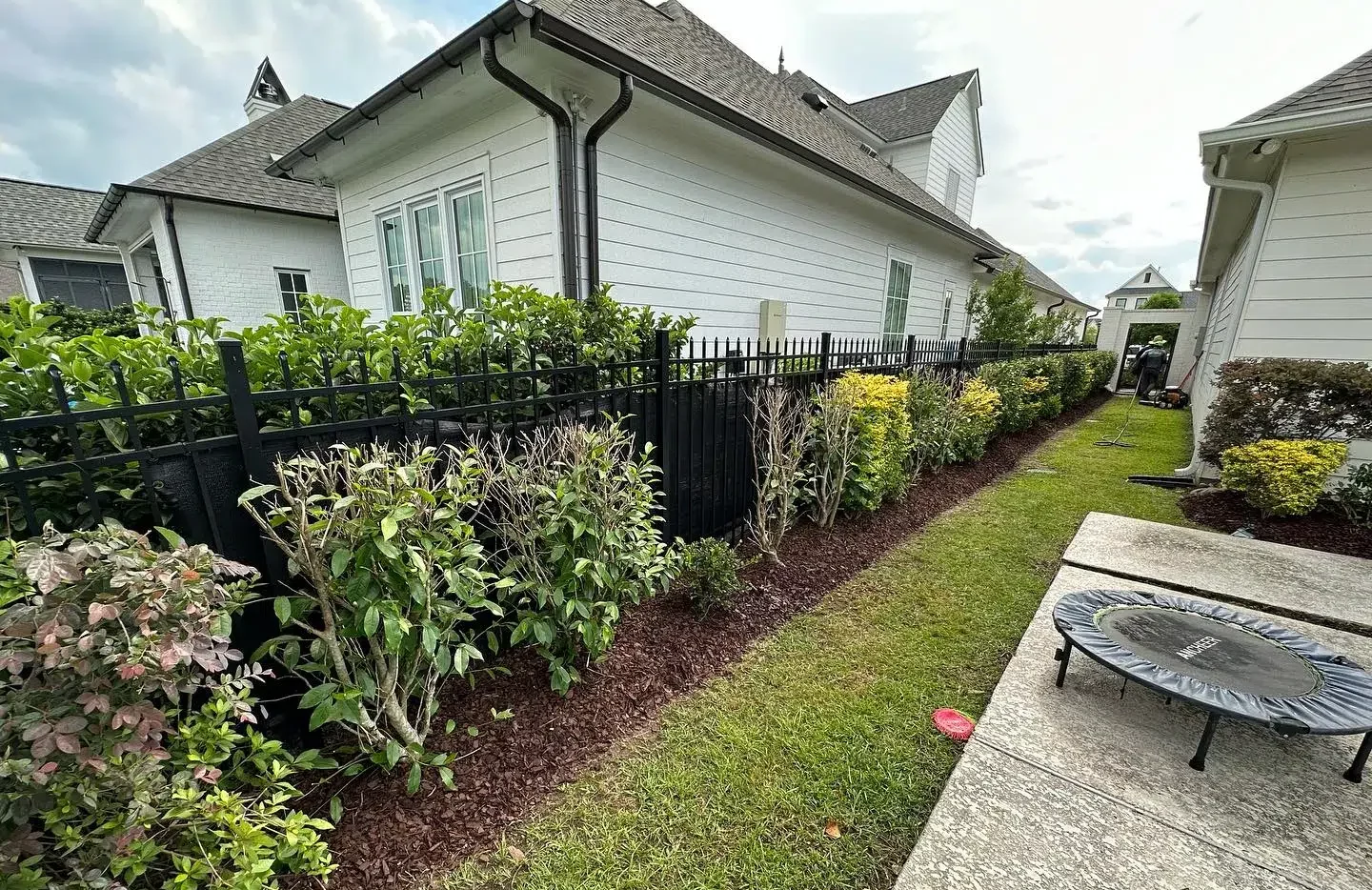
Things to Consider Before Making Lawn Care Decisions
Evaluate your property’s specific microclimates before selecting grass varieties or maintenance schedules. Areas receiving full sunlight require different care than shaded sections under mature trees. Slope and drainage patterns significantly impact irrigation needs and grass selection success.
Consider long-term maintenance commitments when choosing lawn types. High-maintenance varieties like Bermuda grass require weekly attention during growing seasons, while low-maintenance options like Centipede grass thrive with minimal intervention.
Budget for ongoing inputs including fertilizers, herbicides, and irrigation system maintenance. Quality lawn care requires consistent investment in appropriate products and services tailored to local conditions.
Professional Lawn Care Services All Seasons Landscaping & Lawn Care Provides
Transform your property with expert lawn care services designed specifically for Tangipahoa Parish conditions:
- Comprehensive Lawn Care Services: Regular maintenance programs including mowing, fertilization, and weed control customized to your grass variety and property conditions
- Irrigation System Installation: Professional design and installation of efficient watering systems with smart controllers and drainage solutions
- Drainage Services: Expert assessment and installation of surface and subsurface drainage systems to prevent waterlogging and root damage
- Landscaping Services: Complete property enhancement including plant selection, bed design, and hardscaping elements that complement your lawn
Common Questions About Lawn Maintenance
When should fertilization begin each year?
Start fertilizing when soil temperatures consistently reach 55–60°F, typically occurring in mid-March across Tangipahoa Parish. Earlier applications waste nutrients since grass roots remain inactive in cooler soil.
How often should lawns be watered during summer?
Apply 1–1.5 inches of water twice weekly during dry periods, preferably early morning. Deep, less frequent watering encourages root development better than daily light applications.
What causes brown patches in St. Augustine grass?
Brown patch fungus thrives in humid conditions with poor air circulation. Improve drainage, avoid evening watering, and reduce nitrogen fertilization during summer months to prevent outbreaks.
Should grass clippings be removed or left on the lawn?
Leave clippings on healthy lawns to return nutrients to the soil. Remove clippings only when grass is excessively long or showing disease symptoms to prevent spread.
Maintaining Year-Round Lawn Health
Successful lawn maintenance in Tangipahoa Parish requires consistent attention to local environmental factors and proactive management strategies. Focus on soil health, appropriate grass selection, and seasonal timing for major maintenance activities. Regular monitoring and adjustment of care practices based on weather conditions and grass response ensures optimal results throughout the year.
The key lies in understanding your specific property conditions and implementing proven techniques rather than following generic advice. Local expertise and quality materials produce superior outcomes compared to trial-and-error approaches that waste time and resources.
Get Professional Lawn Care Results
Achieving a healthy, attractive lawn requires knowledge of local growing conditions and access to professional-grade equipment and materials. All Seasons Landscaping & Lawn Care brings years of experience working with Tangipahoa Parish properties to deliver consistent results regardless of challenging weather or soil conditions.
Professional maintenance programs eliminate guesswork while ensuring your lawn receives appropriate care at optimal timing. Contact All Seasons Landscaping & Lawn Care at 225-276-8658 or [email protected] to discuss customized lawn care solutions for your property.
Frequently Asked Questions About Tangipahoa Parish Lawn Care
What grass variety performs best in heavy clay soil?
St. Augustine grass excels in clay soil conditions common throughout Tangipahoa Parish. Its robust root system tolerates poor drainage while maintaining attractive appearance with minimal fertilization requirements.
How can I prevent fungal diseases during humid summer months?
Improve air circulation by pruning nearby shrubs and trees. Water early morning only, avoid overfertilizing with nitrogen, and maintain proper mowing heights to reduce disease pressure during humid periods.
When is the best time to install new sod in this climate?
Install sod during late September through early November when soil remains warm but air temperatures moderate. This timing allows root establishment before winter dormancy and summer stress periods.
Why does my irrigation system need seasonal adjustments?
Tangipahoa Parish experiences distinct wet and dry seasons requiring different watering schedules. Summer drought periods demand increased irrigation while winter months require reduced frequency to prevent overwatering and root rot.
How do I address persistent drainage problems in my lawn?
Install French drains or surface drainage systems to redirect excess water away from lawn areas. Consider soil amendments like sand or organic matter to improve heavy clay soil structure and water infiltration rates.

- How Does Regular Hedge Trimming Improve Your Landscape’s Overall Appearance? - October 12, 2026
- The Complete Guide to Hedge Trimming, Care, Maintenance, and Healthy Growth - October 6, 2026
- How Can Professional Drainage Services in Central, LA Protect Your Property From Water Damage? - September 11, 2026