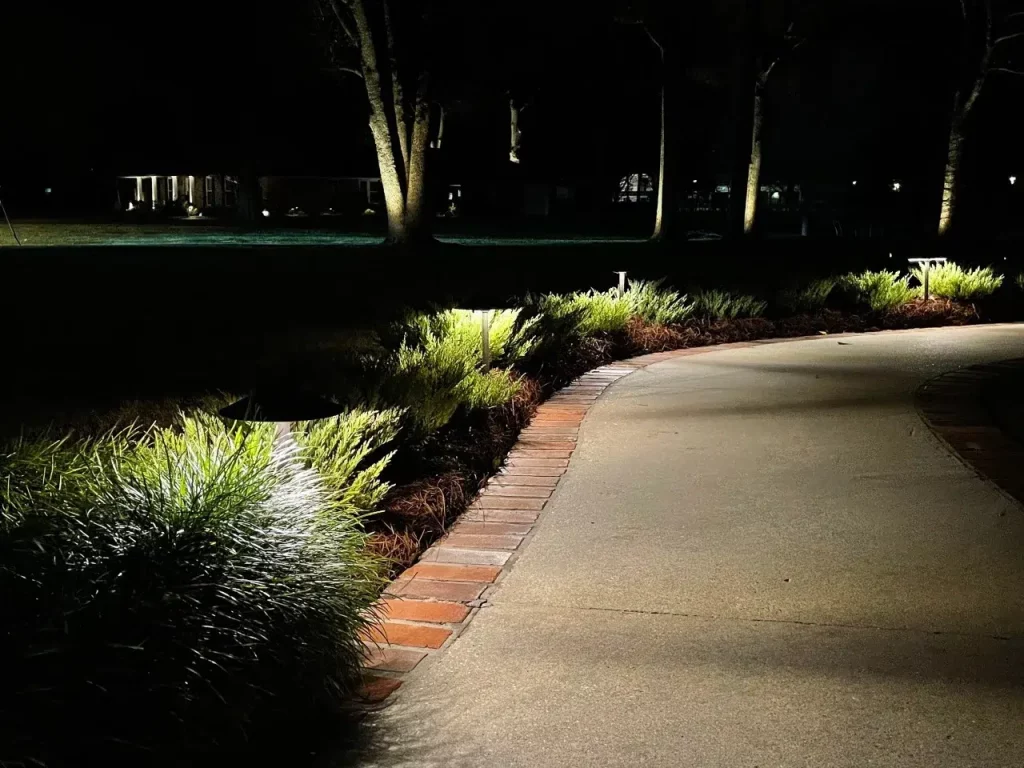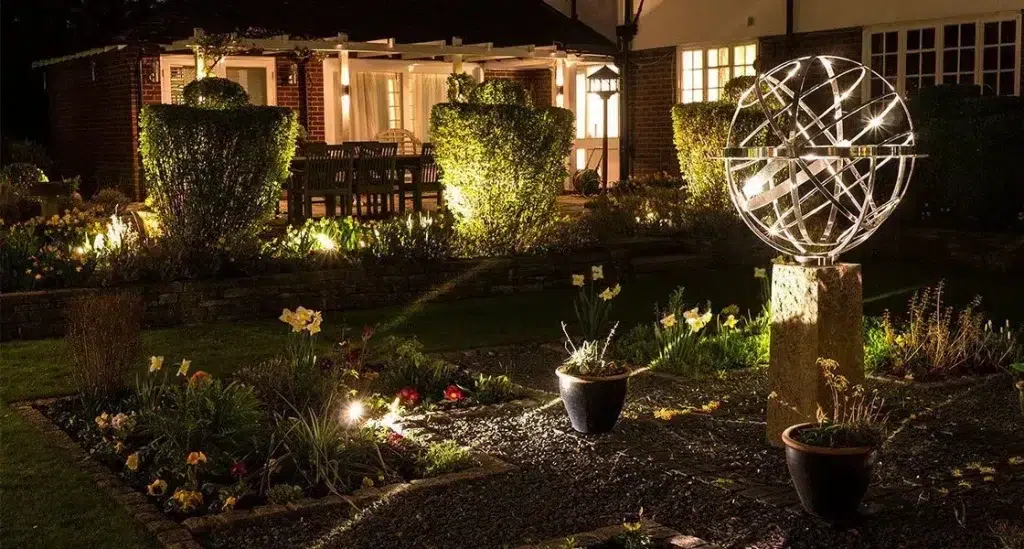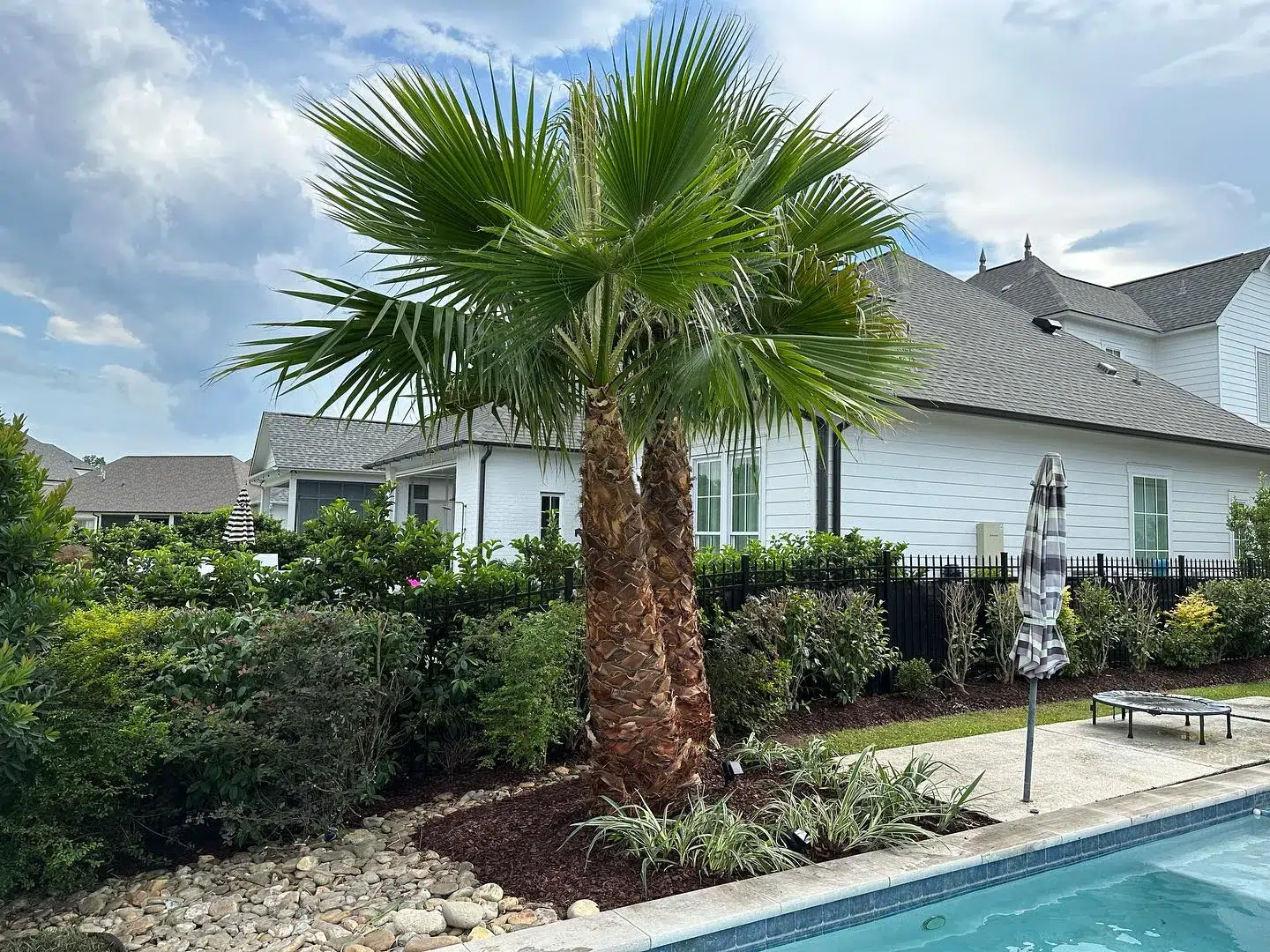
Strategic tree planting can increase property values by 7-19% according to recent appraisal studies, with mature specimens delivering the highest returns over 15-20 year periods. The financial impact depends heavily on species selection, placement strategy, and regional climate conditions that affect growth rates and longevity.
Professional landscaping experience reveals that homeowners who invest in quality tree installations typically recover their investment within 10-12 years through increased property valuations. This timeline varies significantly based on local market conditions, tree species performance, and maintenance practices that ensure healthy development. All Seasons Landscaping & Lawn Care has observed consistent property value improvements when trees are properly integrated into comprehensive landscape designs.
Financial Impact Analysis
Market research from the Arbor Day Foundation indicates that well-placed trees contribute $8,870 in average property value increases for typical suburban homes. The Council of Tree and Landscape Appraisers provides standardized valuation methods that real estate professionals increasingly rely upon during property assessments.
Different tree categories generate varying return profiles based on their mature characteristics and regional adaptability:
| Tree Category | Average Value Increase | Time to Maturity | Maintenance Requirements |
|---|---|---|---|
| Shade Trees (Oak, Maple) | 12-19% | 15-25 years | Low to moderate pruning |
| Ornamental Trees (Dogwood, Redbud) | 7-12% | 8-15 years | Regular shaping required |
| Evergreen Specimens (Pine, Spruce) | 8-14% | 10-20 years | Minimal maintenance needs |
| Fruit Trees (Apple, Cherry) | 5-10% | 5-12 years | High maintenance demands |
Bonus Tip: Plant trees at least 15-20 feet from structures to prevent foundation issues while maximizing canopy benefits for energy savings and aesthetic appeal.
Species Selection for Maximum Returns
Climate zone compatibility determines long-term success more than initial tree appearance or growth rate. Louisiana’s humid subtropical environment favors specific species that demonstrate resilience against storm damage, disease pressure, and extreme temperature fluctuations.
High-performing species for property value enhancement include native live oaks, bald cypress, and southern magnolia trees that establish strong root systems within 3-5 years. These selections typically outperform non-native alternatives by 15-25% in terms of survival rates and mature canopy development.
Regional climate data shows that trees planted during optimal seasons (October through February) achieve 30-40% better establishment rates compared to spring or summer installations. This timing advantage translates directly into faster value realization and reduced replacement costs.
| Regional Performance Metrics | Native Species | Non-Native Species |
|---|---|---|
| 5-Year Survival Rate | 92-97% | 68-78% |
| Storm Damage Resistance | High | Moderate to Low |
| Disease Susceptibility | Low | Moderate to High |
| Water Requirements | Low to Moderate | High |
Bonus Tip: Select trees with proven track records in your specific soil conditions by consulting local extension office recommendations rather than relying solely on nursery suggestions.
Placement Strategies That Maximize Value
Strategic positioning amplifies tree benefits beyond simple aesthetic improvements. Energy-saving placements on south and west property sides can reduce cooling costs by 15-35%, creating quantifiable value that appraisers factor into property assessments.
Professional landscape analysis reveals that corner lot properties benefit most from street-facing tree installations, while interior lots gain maximum value from backyard shade tree clusters. Privacy screening applications using evergreen selections typically add 8-12% more value than purely decorative plantings.
Proper spacing prevents future conflicts with utilities, sidewalks, and neighboring properties while ensuring adequate growing room for root system expansion. Trees planted too close together compete for resources and never reach their full value potential.
Things to Consider Before Tree Installation
Soil conditions require professional evaluation before selecting tree species, as poor drainage or compacted earth can prevent proper establishment regardless of quality specimens. Underground utility locations must be identified to avoid expensive damage during planting and future root growth conflicts.
Mature size projections should guide placement decisions, considering both height and canopy spread at 15-20 year intervals. Many homeowners underestimate space requirements and create costly removal situations that negate initial value investments.
Maintenance commitment varies dramatically between species, with some requiring annual pruning while others thrive with minimal intervention. Factor ongoing care requirements into long-term value calculations to ensure realistic expectations.
Insurance implications deserve consideration, as some carriers adjust premiums based on large tree proximity to structures. Storm-prone regions may face coverage restrictions that offset property value gains from mature tree canopy.
Bonus Tip: Document tree plantings with professional photographs and maintenance records to support insurance claims and property appraisals throughout the tree’s lifecycle.
Professional Services for Tree Value Enhancement
All Seasons Landscaping & Lawn Care delivers comprehensive tree installation solutions that maximize long-term property value returns:
- Landscaping Services: Complete design integration ensuring trees complement existing landscape features while optimizing placement for maximum visual and financial impact
- Irrigation Systems: Automated watering solutions that guarantee proper establishment during critical first growing seasons when root development determines survival success
- Drainage Services: Soil modification and water management systems that create optimal growing conditions for tree health and longevity
- Storm Cleanup Services: Emergency response and preventive maintenance that protects tree investments from weather-related damage
Common Implementation Questions
When is the best time to invest in tree planting?
Property owners frequently question optimal timing for tree investments, particularly regarding immediate versus delayed returns. Spring planting offers faster visible results but requires intensive summer watering, while fall installations develop stronger root systems with less maintenance intervention.
Should I prioritize tree quantity or quality within my budget?
Budget allocation between quantity and quality represents another critical decision point. Fewer high-quality specimens typically deliver superior long-term value compared to multiple lower-grade trees that may require replacement within 5–7 years.
Is professional tree installation worth the investment?
Professional installation versus DIY approaches significantly impact success rates and warranty coverage. Expert planting techniques include proper root preparation, soil amendments, and establishment protocols that amateur installations often overlook.
Ready to Enhance Your Property Value
Strategic tree planting represents one of the most reliable long-term property improvement investments available to homeowners. Success depends on species selection appropriate for regional conditions, strategic placement that maximizes benefits, and professional installation that ensures proper establishment.
Contact All Seasons Landscaping & Lawn Care at [email protected] or 225-276-8658 to discuss tree planting options that align with your property’s value enhancement goals. Professional consultation ensures optimal species selection and placement strategies for maximum return on investment.
Frequently Asked Questions About Tree Planting ROI
How long does it take for newly planted trees to impact property values?
Initial value increases typically appear within 2-3 years as trees establish visible canopy development. Substantial value gains occur over 8-12 year periods when trees reach semi-mature status and demonstrate survival success in local conditions.
Which tree characteristics contribute most to property value increases?
Mature canopy size, seasonal interest through flowers or fall color, and proven adaptability to local climate conditions drive the highest value contributions. Energy-saving shade provision and privacy screening capabilities add measurable financial benefits.
Do different property types benefit equally from tree planting investments?
Corner lots and properties with southern exposure typically see higher value increases due to enhanced visibility and energy-saving potential. Smaller urban lots may experience proportionally larger percentage gains despite space limitations.
What maintenance factors affect long-term tree value?
Regular pruning schedules, pest management protocols, and soil health monitoring directly impact tree longevity and appearance. Neglected trees may become liabilities rather than assets, requiring expensive removal that eliminates value gains.
How do local market conditions influence tree planting returns?
Higher-end neighborhoods typically see greater absolute value increases from quality tree installations, while emerging markets may experience higher percentage gains. Regional climate stability and storm frequency patterns significantly affect long-term return calculations.

- How Does Regular Hedge Trimming Improve Your Landscape’s Overall Appearance? - October 12, 2026
- The Complete Guide to Hedge Trimming, Care, Maintenance, and Healthy Growth - October 6, 2026
- How Can Professional Drainage Services in Central, LA Protect Your Property From Water Damage? - September 11, 2026