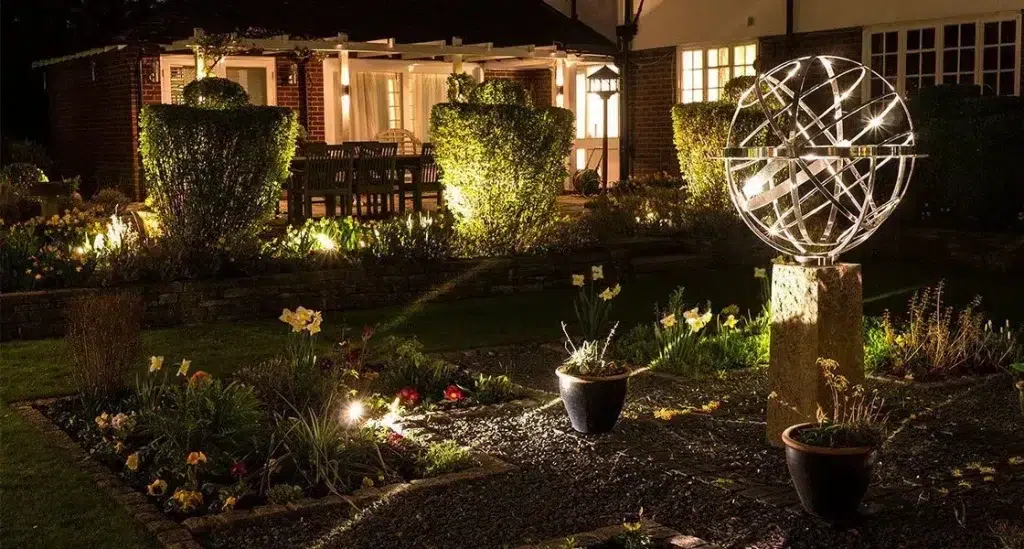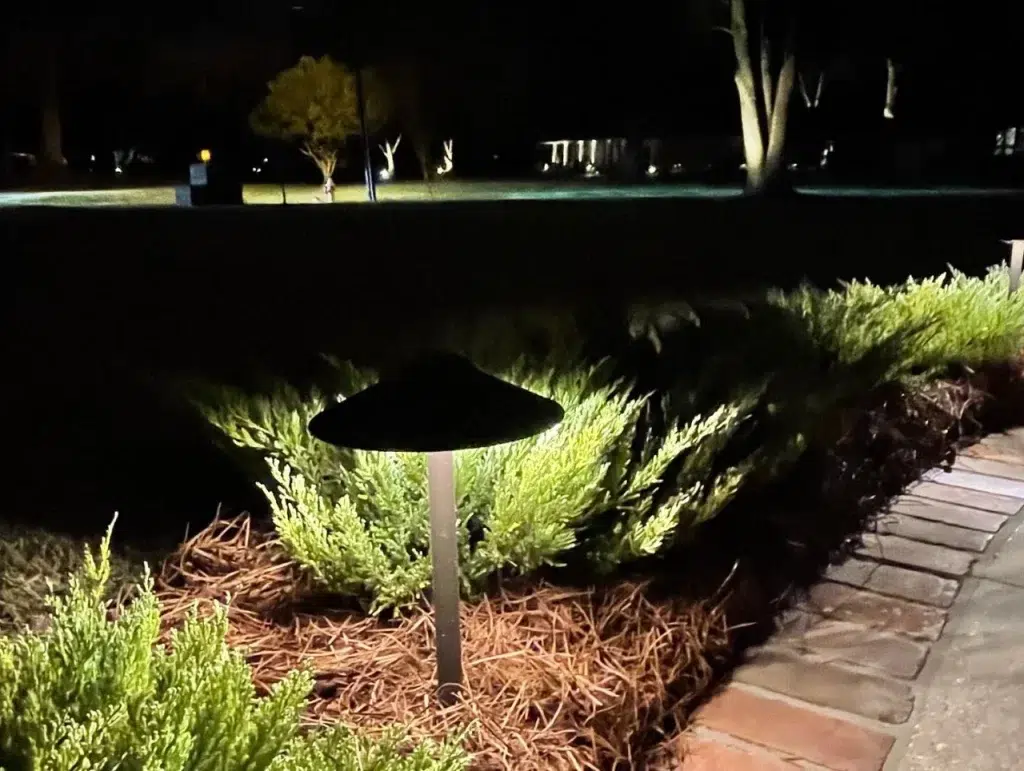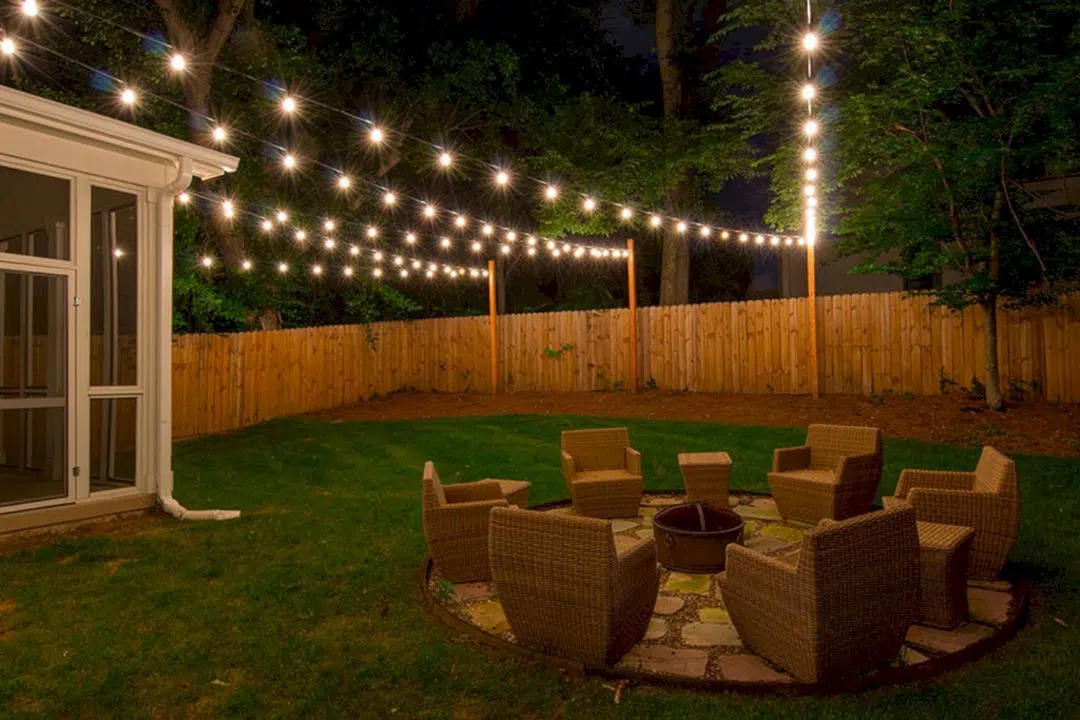
At All Seasons Landscaping & Lawn Care, we believe your backyard deserves more than a porch light and a prayer. The right backyard lighting ideas turn an ordinary yard into a space you actually want to live in after the sun goes down, whether that means hosting friends, relaxing solo, or just feeling safe walking to your car at night.
This guide covers practical, tested outdoor lighting ideas for backyard spaces of every size, plus the layering techniques, fixture choices, and smart controls that separate a good lighting plan from a great one. If you want to see the full range of what’s possible, our outdoor lighting services page breaks down installation options in more detail.
TL;DR
- Layer three types of light: task, ambient, and accent, so your yard works for every activity and time of night.
- Use uplighting and downlighting to highlight trees, garden beds, and architectural features without overdoing it.
- Tuck path and step lighting into stone, walls, or risers for safety without visible fixtures.
- Low-voltage LED systems cut energy use and last far longer than standard bulbs.
- Smart timers, motion sensors, and app controls make maintaining your lighting effortless.
- Warm color temperatures (2700K to 3000K) look more natural and are easier on the eyes than cooler tones.
How to Layer Backyard Lighting for Function and Comfort
Good lighting design is not one bulb doing everything. It’s several layers working together so your backyard stays functional and inviting no matter the hour.
Task Lighting for Patios, Outdoor Kitchens, and Entryways
Cooking, dining, and gathering spots need direct, reliable light. We typically install low-glare LED fixtures over grilling areas, under-cabinet lighting for outdoor kitchens, and soft floodlights near seating so everything stays visible and usable. This is functional lighting first, and it makes outdoor spaces feel ready for whatever you’re doing in them.
Ambient Lighting: Building a Soft, Inviting Glow
String lights overhead, post lights along walkways, and sconces on fences or walls all add gentle, ambient light. This is the layer that creates atmosphere without overpowering the yard, and it’s usually the first thing guests notice before they even step through the gate.
Landscape Lighting Ideas to Highlight Trees, Beds, and Features
The best landscape lighting ideas make your trees, garden beds, and architectural details stand out without turning the whole yard into a stage.
Uplighting for Trees and Shrubs
Uplighting casts a soft glow up the trunk of a tree or across a sculpted shrub. Done well, it adds depth and a bit of drama without going overboard.
Downlighting for Subtle Garden Drama
Placing fixtures high in trees or along roof eaves lets us cast gentle pools of light down onto walkways or beds. This “moonlighting” effect is subtle, but it adds real character to a garden after dark.
Pathway and Step Lighting Ideas for Safety and Style
Walkways and stairs are natural spots for light, but they deserve more thought than a row of plain stake lights. We choose fixtures that work with your existing landscaping and hardscaping layout, not against it.
Hidden Lighting for Steps, Stone, and Walls
Tucking lights into stone walls or stair risers keeps visibility high while keeping fixtures out of sight. This cuts down on shadows, lowers trip risk, and keeps the yard looking clean after dark. If your yard includes pavers, retaining walls, or a stone patio, this kind of lighting pairs naturally with our hardscaping services, since the fixtures are often built into the same structures during installation.
Path Lights That Match Your Planting Style
Whether you’re working with classic garden beds or a more modern layout, path lights should align with your landscape’s overall look. Clean modern fixtures, rustic lanterns, or nearly invisible ground lights should feel like part of the design, not an afterthought.
Smart Outdoor Lighting Controls and Scheduling
Great lighting doesn’t have to be complicated. Automated systems let you enjoy your yard on your schedule, no matter the season.
Timers That Set and Forget
We program lighting systems to match your routine or the changing seasons. Lights on at sunset and off before bed, or adjusting automatically as daylight hours shift, are both simple to set up once and never think about again.
Motion Sensors and App-Based Controls
Motion-activated lighting adds a layer of security without wasting energy, and app-based controls let you manage your system from anywhere. Smart lighting is one of several modern landscape lighting upgrades homeowners are prioritizing this year, alongside broader shifts toward integrated outdoor living spaces, which we cover in more depth in our landscaping trends breakdown.
Choosing Outdoor Fixtures That Match Your Home’s Style
Lighting isn’t only about visibility; it’s about feel. We work with homeowners to select fixtures that complement both the house and the yard around it.
Matching Fixtures to Architectural Style
From classic lanterns to contemporary sconces, the right fixture ties your outdoor space to your home’s existing look, so new lighting feels original to the property instead of bolted on.
Color Temperature: Picking the Right Glow
Color temperature changes how a space feels at night. Warmer tones in the 2700K to 3000K range read as natural and welcoming in most residential yards, which lines up with guidance from lighting researchers on avoiding harsh, overly blue-toned outdoor light. We help you choose a temperature that fits your setting rather than defaulting to whatever the fixture ships with.
Benefits of Low-Voltage Outdoor Lighting
Not every fixture needs to run at full power to do its job well. Low-voltage systems reduce energy use without sacrificing brightness, and according to the U.S. Department of Energy, LEDs use significantly less energy and last far longer than traditional bulbs, which adds up over the life of an installation.
Safer, More Durable Installations
Low-voltage systems are gentler and safer for families, pets, and guests, which makes them a strong fit for garden paths, decks, and pool surrounds where people often walk barefoot.
Lower Costs Without Compromise
Low-voltage lighting cuts electricity use meaningfully, and paired with LED bulbs, replacements become rare. It’s a system that works hard and lasts long without spiking your energy bill.
A Note on Color Temperature and Glare
Lighting researchers and dark-sky advocacy groups have generally converged on similar guidance here: warmer, lower color temperatures reduce glare and light spill compared to cooler, bluer light. DarkSky International considers a warm or amber-toned color temperature of 2700K or lower the most night-friendly choice for outdoor fixtures. That guidance lines up well with what tends to look and feel best in a residential backyard anyway.
Start Your Backyard Lighting Project
A well-lit backyard takes more than a light switch. It takes a plan that accounts for how you actually use the space, day and night. Whether you’re starting from scratch or upgrading an existing setup, working with a landscape professional means the layout, fixtures, and controls all work together instead of getting added piecemeal over time.
Ready to talk through your options? Reach out to schedule a consultation and get a personalized lighting plan for your yard.
Frequently Asked Questions About Backyard Lighting Ideas
Which lighting styles work best for backyard ambiance?
A mix of ambient, task, and accent lighting creates the best ambiance. String lights and sconces set the mood, task lighting covers cooking and dining areas, and accent lighting on trees or features adds depth. Relying on just one style tends to leave a yard feeling either flat or overlit.
What are the best landscape lighting ideas for a home’s exterior?
Layering uplighting on trees and architectural features, path lighting along walkways, and soft wash lighting on exterior walls tends to work well year-round. The goal is highlighting the home’s shape and landscaping without creating harsh glare.
What’s the most affordable way to start outdoor lighting?
Solar stake lights are a quick, low-cost entry point. For something more reliable long-term, starting with low-voltage path lights and adding layers over time tends to hold up better.
How do I avoid over-lighting my backyard?
Layering and placement matter more than raw brightness. A mix of ambient, task, and accent lighting keeps a yard from feeling washed out or glaring in any one spot.
Can I control my backyard lights from my phone?
Yes. Smart systems can connect to your Wi-Fi or smart home platform, giving you control from any device, whether you’re adjusting a schedule or turning lights on early for guests.
What types of lights work best for outdoor kitchens?
LED strip lights under counters, directional task lights over grills, and ambient sconces nearby keep the space functional for cooking while still feeling inviting for guests.
Will outdoor lighting hold up in heavy rain and humidity?
Weather-rated fixtures with sealed housings are built to handle heavy rain and humidity without corrosion or failure, which matters most in climates with frequent storms.
Can I update my lighting without redoing all the wiring?
In many cases, yes. Existing systems can often be retrofitted or expanded based on the infrastructure already in place, which saves both time and cost.
What color temperature is best for outdoor spaces?
Warm white in the 2700K to 3000K range tends to feel the most natural in residential yards. It’s also the range generally recommended for reducing harsh blue-toned glare in outdoor settings.
How long do outdoor lighting fixtures typically last?
Most LED fixtures last 30,000 to 50,000 hours, which translates to years of use with minimal upkeep.
How do I keep bugs away from outdoor lights?
Warm, yellow-toned lights are less attractive to bugs than cooler, blue-toned ones. Placement also matters. Keeping fixtures a bit further from seating areas helps too.
Can I add outdoor lighting without digging up my whole yard?
Yes, in most cases. Minimally invasive installation techniques let fixtures and wiring go in with limited disruption to existing landscaping.

- The Complete Guide to Hedge Trimming, Care, Maintenance, and Healthy Growth - October 6, 2026
- How Can Professional Drainage Services in Central, LA Protect Your Property From Water Damage? - September 11, 2026
- Which Areas of Your Property Benefit Most From Outdoor Lighting for Safety and Curb Appeal? - September 11, 2026