Getting soil prep for sod right is the single biggest factor in whether a new lawn thrives or fails within its first year. Laying sod on unprepared ground often leads to uneven growth, shallow roots, and a lawn that struggles the moment summer heat or heavy rain arrives. Soil that lacks proper structure, nutrients, or drainage will hold the sod back no matter how high the quality of the turf itself.
This guide walks through what real soil prep for sod installation looks like, drawing on hands-on experience installing and maintaining lawns across Southern Louisiana. If you are exploring a broader refresh for your yard, our lawn care services page covers everything from mowing programs to full lawn renovations, and it’s worth a look alongside this guide.
TL;DR
- Proper soil prep for sod improves root penetration, drainage, nutrient uptake, and weed resistance.
- Ideal soil sits at a pH of 6.0 to 7.0, with 3 to 6 percent organic matter and a loam-like sand, silt, and clay ratio.
- The core process is site cleanup, grading, soil testing and amendments, tilling to 4 to 6 inches, then leveling and settling.
- Skipping soil testing or tilling is the most common cause of sod failure, not the quality of the sod itself.
- Louisiana’s clay-heavy soil usually needs added sand or compost to drain properly before sod goes down.
Why Soil Prep for Sod Matters
Preparing soil for sod installation accomplishes several things a new lawn cannot succeed without:
| Purpose | Description |
| Root Penetration | Loosens compacted layers so roots can anchor deeply |
| Water Infiltration | Improves drainage and reduces pooling that causes root rot |
| Nutrient Availability | Adds the elements sod needs for strong initial growth |
| Surface Grading | Creates a level base for mowing and prevents erosion |
| Weed Suppression | Removes invasive species competing for water and nutrients |
Ideal Soil Specifications Before Laying Sod
| Specification | Ideal Range |
| Soil pH | 6.0 to 7.0 (neutral to slightly acidic) |
| Organic Matter | 3% to 6% |
| Compaction Resistance | Under 300 PSI, measured with a penetrometer |
| Depth of Prepared Layer | Minimum 4 to 6 inches |
| Sand, Clay, Silt Ratio | Loam: roughly 40% sand, 40% silt, 20% clay |
| Drainage Time After Watering | Water should percolate within 60 minutes |
Bonus tip: In Baton Rouge and similar areas with heavy clay content, working in coarse sand or organic compost improves structure and drainage significantly without swinging soil pH too far.
How to Prepare Soil for Sod Installation, Step by Step
Initial Site Cleanup
Remove existing grass, weeds, rocks, and debris from the area. If herbicide is needed to clear existing vegetation, apply it and wait 7 to 10 days before moving on to the next step.
Grading and Drainage Setup
Regrade the site so water flows away from the house and other structures. In low spots, a French drain or a shallow surface swale can prevent standing water later.
Soil Testing and Amendments
A lab-based soil test is the only reliable way to know what the ground actually needs. Depending on the results, add lime, sulfur, compost, or fertilizer before moving forward.
Mechanical Tilling
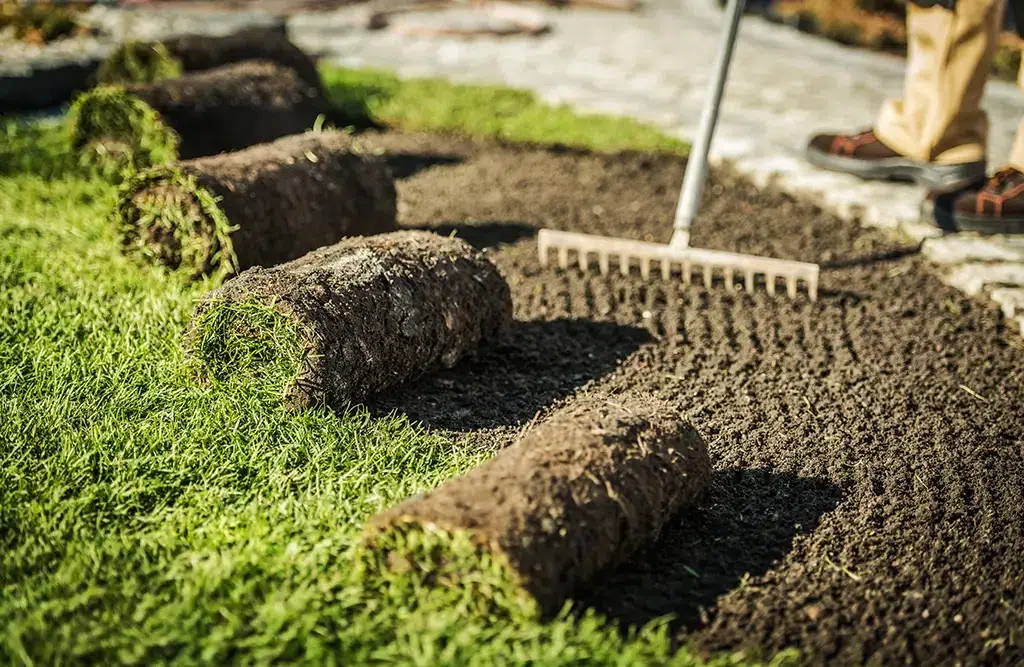
Till to a depth of at least 4 inches. Break up clumps and pull out any remaining roots or stones as you go, since these will interfere with root contact later.
Leveling and Settling
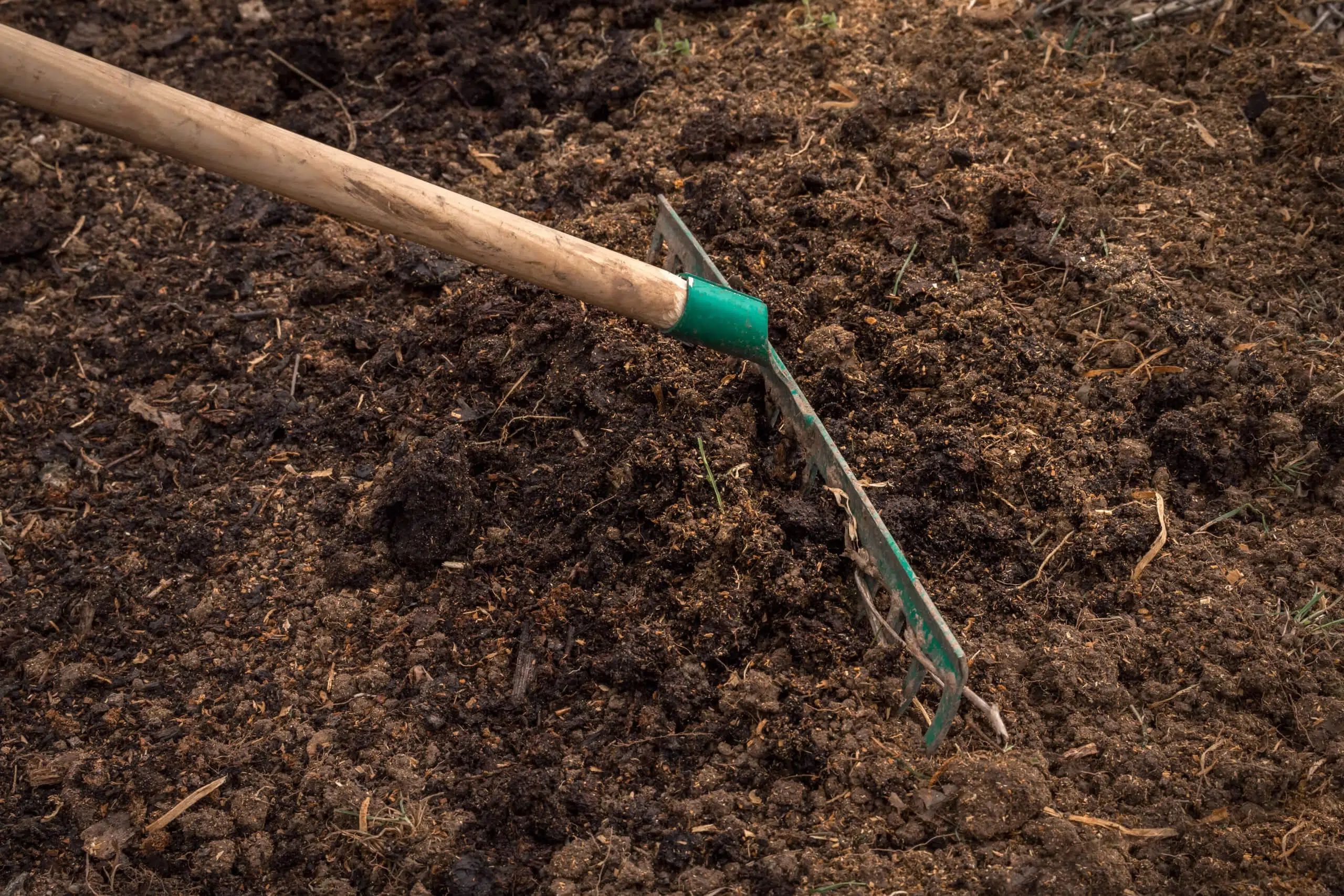
Rake the surface level, water it lightly, then let it settle for 24 to 48 hours before laying sod. This prevents uneven dips from forming after installation.
Bonus tip: For larger yards, renting a mechanical soil conditioner instead of a basic tiller saves time, since these machines aerate and level the ground in a single pass.
What to Consider Before You Start
- Soil type: Identify whether the ground is clay, sandy, or loamy, since each requires different amendments.
- Site drainage: Confirm the area does not pool water after a normal rainfall.
- Slope and elevation: Adjust grading to protect foundations and prevent erosion.
- Traffic load: High traffic areas often need reinforced substrates or thicker sod.
- Seasonal timing: In Louisiana, late spring through early fall is typically the best window for sod installation.
Market Insights and Expert Guidance
Research from land-grant university extension programs consistently points to soil preparation, not sod quality, as the leading cause of sod failure. Cornell Turfgrass Program. Note that the same soil preparation steps apply whether a lawn is established by seed, sprigs, plugs, or sod, and that tilling to a proper depth before planting is essential for long-term success. Their guide on establishing a lawn. Compaction is measured using tools like a penetrometer, and university soil science programs generally treat readings above roughly 300 PSI as a sign that roots will struggle to establish, according to Rutgers Cooperative Extension for homeowners testing their own yards.
If drainage or grading issues keep showing up during your own soil test, our drainage services team can correct waterlogging and poor runoff before sod goes down, so the work does not have to be redone later.
Relevant Services from All Seasons Landscaping & Lawn Care
- Sod installation and repair: Full soil prep, grading, and professional sod installation handled start to finish.
- Irrigation system installation: Keeps moisture levels consistent while new sod establishes.
- Excavation services: Handles grading and reshaping for effective water management.
Frequently Asked Questions
What type of soil is best for sod?
A well-drained loam with a balanced mix of sand, silt, and clay gives sod the best environment for root growth.
Can sod be laid directly on clay soil?
It can, but only after the clay has been amended to improve drainage and reduce compaction. Unmodified clay tends to pool water and produce weak rooting.
How long should soil sit before installing sod?
Let the soil settle for 24 to 48 hours after watering and grading. This avoids uneven settling once the sod is down.
Do I need to fertilize before laying sod?
Yes. A starter fertilizer rich in phosphorus, applied after soil preparation and before laying the sod, supports strong early root development.
How deep should I till the soil before laying sod?
At least 4 inches deep, though 6 inches gives better long-term growth and drainage.
How do I know if drainage is adequate before installing sod?
Water the area and check it an hour later. If water is still standing, drainage needs to be corrected before sod goes down.
Key Takeaways
Soil prep for sod is not an optional step. It determines whether a new lawn thrives or fails within its first season. Focus on drainage, compaction, nutrient balance, and surface grading, and confirm the work with a physical test and a lab soil analysis rather than a visual check alone. In humid, clay-heavy climates like Louisiana’s, amending the base soil layer is usually necessary, not optional, to avoid problems down the road.
Related Reading
For a closer look at one of the most common causes of poor soil structure, see our guide on how often you should aerate your lawn for optimal root growth.
Ready to Get Started?
Good soil prep is the foundation of every successful lawn, and it is easy to get wrong without the right testing and equipment. If you would rather have it handled the first time correctly, reach out to our team for a free quote and a plan built around your yard’s actual soil conditions.

- How Can Professional Drainage Services in Central, LA Protect Your Property From Water Damage? - September 11, 2026
- Which Areas of Your Property Benefit Most From Outdoor Lighting for Safety and Curb Appeal? - September 11, 2026
- How Does Professional Outdoor Lighting Transform Your Landscape at Night in Baton Rouge, LA? - September 9, 2026