Weeds keep returning in New Orleans yards because the city’s nearly year-round growing season, heavy rainfall, and nutrient-rich alluvial soils create near-ideal conditions for weed germination and growth. On top of those environmental advantages, most weed removal methods only address the visible plant while leaving behind an underground seed bank that can remain viable for years, sometimes decades. The answer is not a single product or a one-time effort. It is a layered strategy that combines effective lawn care strategies, pre-emergent treatments, proper lawn density, and soil management to gradually deplete the seed bank and close the gaps where weeds take hold.
TL;DR
- New Orleans has a humid subtropical climate with an average growing season of roughly 300 days and 60 to 65 inches of annual rainfall, giving weeds a massive window to germinate and spread.
- Alluvial soils in the Mississippi Delta region are deep, moist, and loaded with nutrients, which means the same conditions that support healthy lawns also feed weeds aggressively.
- A single weed like Palmer amaranth can produce up to a million seeds per plant, and many broadleaf weed seeds stay viable in the soil for decades.
- Pulling weeds by hand or spot-spraying kills the visible plant, but does nothing to the dormant seed bank waiting beneath the surface.
- Perennial weeds such as nutsedge and dollarweed reproduce through underground tubers and rhizomes, meaning pulling the top growth often leaves the root system intact to regrow.
- An Integrated Pest Management (IPM) approach, combining pre-emergent herbicides, thick turf, proper mowing, and mulching, is the most effective long-term strategy for weed control.
- Consistency matters more than intensity. A well-timed seasonal program beats sporadic heavy treatments every time.\
The New Orleans Climate: A Weed’s Paradise
Louisiana’s climate is humid subtropical, characterized by short, mild winters and year-round precipitation NOAA NCEI / NCICS. New Orleans sits in the southeastern corner of the state, which receives some of the highest annual rainfall totals in Louisiana, ranging from 50 to over 70 inches depending on the exact location NOAA NCEI / NCICS.
The growing season in New Orleans averages approximately 300 days, with some coastal areas reaching 350 frost-free days Loyola University New Orleans Center for Environmental Communication. That means weeds in New Orleans yards have up to ten months of active growing conditions, compared to four to six months in cooler northern climates. In most of the United States, winter freezes kill off annual weeds and push perennial growth into dormancy. In New Orleans, mild winters rarely deliver sustained freezing temperatures, so weeds continue germinating in every month of the year.
The humidity compounds the problem. Persistent moisture in the air reduces evaporation from soil surfaces, keeping the top layer of ground damp enough to trigger weed seed germination on a near-continuous basis.
Alluvial Soils: Fertile Ground for Weeds and Turf Alike
New Orleans sits within the Mississippi River Delta, a region built from thousands of years of alluvial sediment deposits. The dominant soil orders in the Delta include Inceptisols, Alfisols, and Mollisols. These soils are described as deep, moist, and rich in the nutrients plants require National Park Service.
For homeowners trying to grow St. Augustine, centipede, or Bermuda grass, these soils can be a real asset. But the same nutrient density that feeds a healthy lawn also feeds every weed seed that lands in your yard. Professional lawn services can help manage these competing growth conditions by maintaining healthier turf and addressing the factors that encourage weed growth. Weeds in the New Orleans area often grow faster and larger than they would in poorer soils because they have access to abundant moisture, organic material, and minerals.
The Delta’s soils are also frequently described as needing drainage management before reaching their full productivity National Park Service. Poorly drained areas in residential yards create waterlogged zones where certain weeds, especially sedges, thrive. Dollarweed and nutsedge are two of the most common complaints in New Orleans lawns, and both favor the wet, heavy soils found in low-lying parts of the metro area.
The Seed Bank: Why Removal Is Only Half the Battle
The biggest reason weeds keep coming back has nothing to do with how thoroughly you pull them. It has to do with what is sitting in the soil beneath your lawn.
Weed seeds are prolific producers. A single Palmer amaranth plant can generate up to a million seeds. Those seeds drop into the soil and enter what scientists call the “seed bank,” a reservoir of dormant seeds waiting for the right conditions to germinate.
Most annual weedy grass seeds die after two to three years, but some broadleaf weed seeds can remain viable for decades. In one of the longest-running agricultural experiments in history, started at Michigan State University in 1879, researchers buried weed seeds in sand-filled bottles three feet underground. More than 130 years later, some of those seeds were still capable of germinating.
Soil disturbance is one of the most common triggers for germination. Every time you dig, till, or pull a weed, you expose buried seeds to warming sunlight and oxygen, which can activate dormancy-breaking processes Weed Science Society of America. In a climate like New Orleans, where warmth and moisture are almost always present, a disturbed seed bank is essentially an open invitation for the next generation of weeds.
Perennial Weeds: The Underground Network
Not all weeds rely on seeds. Many of the most stubborn weeds in New Orleans lawns are perennials that reproduce through underground root systems, rhizomes, stolons, or tubers. When you pull the visible growth, the underground structures remain intact and simply send up new shoots.
Common perennial weeds in the New Orleans area include nutsedge (often called nutgrass), dollarweed, Florida betony, and Virginia buttonweed. These plants have evolved specifically to survive repeated removal. In some cases, pulling the top growth actually stimulates the root system to produce additional shoots, making the problem worse over time.
Frequent removal of shoots will eventually starve underground tissues, but this process can take months or even years of consistent effort Weed Science Society of America. For most homeowners, that level of dedication is not practical without professional support.
Why Spot-Spraying Alone Fails
Many homeowners rely on post-emergent herbicides, spraying weeds as they appear. This approach has a fundamental limitation: it only addresses weeds that have already germinated and become visible. It does nothing to prevent the next wave of seeds from sprouting.
In New Orleans, where multiple germination cycles can occur within a single growing season, post-emergent treatments alone create a frustrating cycle. You spray, the weeds die back, and within weeks a new batch emerges from the seed bank. This reactive approach is labor-intensive and rarely produces lasting results.
The most effective weed control programs pair pre-emergent herbicides, which prevent seed germination, with selective post-emergent treatments for any weeds that manage to break through. Timing is critical. Pre-emergent applications need to go down before the soil reaches the temperature thresholds that trigger weed seed germination, which in New Orleans can happen as early as late winter or early spring.
The Role of Lawn Density in Weed Suppression
One of the most overlooked factors in weed control is turf density. A thick, healthy lawn leaves virtually no bare soil exposed for weed seeds to land on and germinate. The EPA recommends working with nature to build lawn health as the foundation of any pest management strategy.
When grass is thin, stressed, or patchy, weeds fill the gaps. In New Orleans, common causes of thin turf include improper mowing height (especially cutting St. Augustine too short), compacted soil, excessive shade, and inconsistent watering. Each of these stressors creates openings in the turf canopy that weeds are quick to colonize.
Building lawn density is a long-term process, but it pays compounding returns. As the turf thickens, it shades the soil surface, blocks light that weed seeds need to germinate, and outcompetes weeds for water and nutrients.
Comparison: Reactive vs. Proactive Weed Control Approaches
| Approach | Best For | Key Methods | Expected Results | Limitations |
|---|---|---|---|---|
| Reactive (post-emergent only) | Spot-treating visible weeds in small yards | Hand-pulling, spot-spraying herbicides | Short-term cosmetic improvement | Does not prevent new weeds; requires constant effort |
| Pre-emergent focused | Annual weed prevention in established lawns | Timely pre-emergent applications, seasonal rotations | Significant reduction in new weed germination | Does not address perennials from root systems or existing weeds |
| Integrated (IPM) | Long-term weed management in any yard type | Pre-emergent + post-emergent + cultural practices (mowing, watering, aeration) | Progressive reduction in seed bank and weed pressure over seasons | Requires planning and consistency; results build over time |
| Lawn renovation | Heavily infested or damaged lawns | Resodding, soil preparation, new turf establishment | Clean slate with full turf coverage | Higher upfront investment; still requires ongoing maintenance |
What Actually Works in New Orleans
An effective weed management plan for New Orleans yards needs to account for the local climate, soil types, and common weed species. The right approach depends on the current state of your lawn, but local lawn care providers can help develop a treatment plan based on your property’s specific conditions. The following principles apply across the board.
Apply pre-emergent herbicides on schedule. In New Orleans, the first pre-emergent application typically needs to go down in late winter, with follow-up applications timed to the specific germination windows of warm-season and cool-season weeds. Missing the early window is the single most common reason homeowners see a surge of summer annual weeds.
Maintain proper mowing height. Cutting grass too short weakens the root system and opens the canopy. Each grass type has an optimal height range, and staying within it is one of the simplest ways to keep weeds from gaining a foothold.
Address drainage issues. Poorly drained areas are magnets for moisture-loving weeds like nutsedge and dollarweed. Grading corrections, French drains, or redirected downspouts can eliminate the wet zones where these weeds thrive.
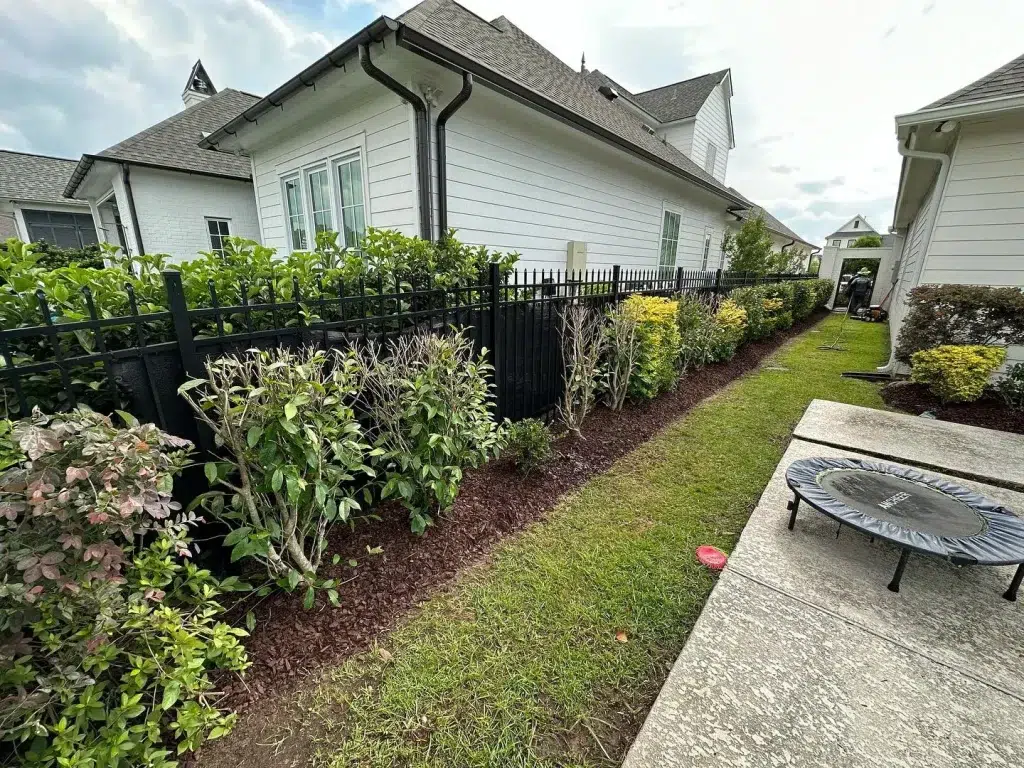
Mulch landscape beds deeply. A 2 to 3-inch layer of mulch blocks light from reaching weed seeds in flower beds and prevents germination. This is especially effective against annual weeds and reduces the need for herbicides in non-turf areas.
Feed the lawn, not the weeds. Proper fertilization based on soil test results encourages dense turf growth. A lawn that is well-fed and well-maintained will naturally suppress weeds better than a neglected one.
Signs You Have Found the Right Weed Control Approach
How do you know a weed management strategy is actually working? Look for these indicators over the course of a full growing season:
- Fewer weeds are appearing between scheduled treatments, not just immediately after them.
- Your lawn is filling in bare spots on its own without needing constant reseeding or resodding.
- You are spending less time pulling weeds each month compared to the previous season.
- The types of weeds you see are shifting from aggressive annuals to occasional perennials, which indicates the seed bank is depleting.
- Your lawn care team communicates timing, product selection, and expected results clearly, and adjusts the plan when conditions change.
Ready to Stop Fighting a Losing Battle with Weeds?
At All Seasons Landscaping, we build weed management programs specifically for New Orleans lawns, factoring in the long growing season, heavy rainfall, and alluvial soil conditions that make this area so challenging. Our approach combines pre-emergent timing, targeted post-emergent treatments, and cultural practices that strengthen your turf from the soil up. Whether you are dealing with persistent nutsedge, a lawn full of summer annuals, or patchy turf that invites weeds back season after season, our team can put together a plan that actually works.
Reach us at [email protected] or call 225-276-8658 to get started. The longer weeds go untreated, the larger the seed bank grows, so the best time to act is now.
Frequently Asked Questions
Why do weeds come back stronger after I pull them?
Pulling weeds disturbs the soil, which can bring dormant seeds closer to the surface where warmth, moisture, and sunlight trigger germination. In New Orleans, those conditions exist year-round, so pulling one weed can inadvertently encourage several more to sprout from the seed bank.
Will pre-emergent herbicide kill weeds that are already growing?
No. Pre-emergent herbicides prevent seeds from germinating but do not affect weeds that have already emerged. Established weeds require post-emergent treatments or physical removal. A complete program uses both approaches at the right times.
How long does it take to deplete the weed seed bank in my yard?
It depends on the weed species and how consistently you prevent new seeds from being produced. Most annual grass seeds die within two to three years, while some broadleaf seeds can persist for decades. With consistent pre-emergent applications and prevention of seed production, you can expect a noticeable reduction within one to two growing seasons.
Why is nutsedge so hard to get rid of in New Orleans lawns?
Nutsedge reproduces through underground tubers called nutlets, not just seeds. When you pull or mow the top growth, the tubers remain in the soil and regenerate new shoots. New Orleans’ warm, wet soils and frequent rain create ideal conditions for nutsedge, making it one of the most persistent weed problems in the area.
Can a thicker lawn really keep weeds out on its own?
A dense, healthy lawn is one of the best defenses against weeds because it blocks sunlight from reaching the soil surface and outcompetes weeds for water, nutrients, and space. However, even the thickest lawns benefit from pre-emergent applications and proper maintenance. Turf density is a critical component of weed control, but not a standalone solution.
Sources
- Weed Science Society of America – Weed Seed Longevity Fact Sheet – Research on weed seed persistence in soil, including the Beal seed viability experiment dating back to 1879 and factors that trigger seed germination.
- NOAA NCEI / NCICS – Louisiana State Climate Summary 2022 – Official climate data on Louisiana’s precipitation patterns, growing seasons, and temperature trends compiled by NOAA and the Cooperative Institute for Satellite Earth System Studies.
- National Park Service – Natural Resources in the Delta – Description of Lower Mississippi Delta soil types, including alluvial Inceptisols, Alfisols, and Mollisols, their fertility, and drainage characteristics.
- Loyola University New Orleans Center for Environmental Communication – Meteorology and Hurricanes in Coastal Louisiana – Detailed explanation of New Orleans’ humid subtropical climate, growing season length, precipitation patterns, and local meteorological factors.
- EPA – Lawn and Garden Pest Control and Integrated Pest Management – Federal guidance on environmentally friendly lawn care practices, including Integrated Pest Management and Greenscaping strategies for weed and pest control.

- The Complete Guide to Hedge Trimming, Care, Maintenance, and Healthy Growth - October 6, 2026
- How Can Professional Drainage Services in Central, LA Protect Your Property From Water Damage? - September 11, 2026
- Which Areas of Your Property Benefit Most From Outdoor Lighting for Safety and Curb Appeal? - September 11, 2026