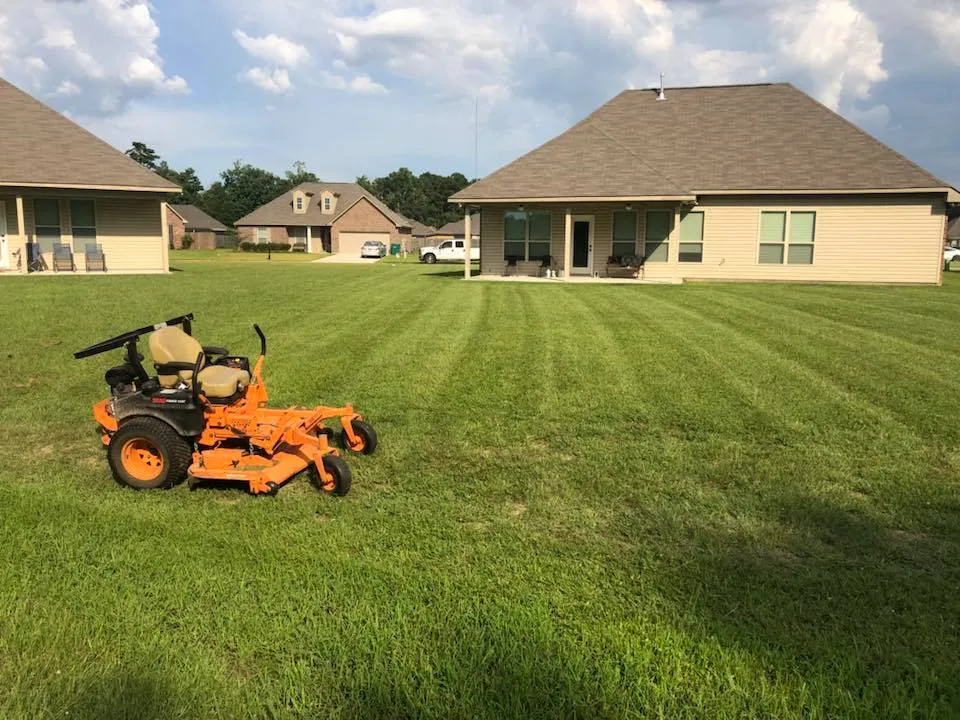
During summer months, most lawns require mowing once per week to maintain optimal health and appearance. This frequency allows grass to recover between cuts while preventing excessive growth that can stress the turf. However, the exact schedule depends on grass type, growth rate, weather conditions, and your lawn’s specific needs.
The key principle involves following the one-third rule: never remove more than one-third of the grass blade height in a single mowing session. This practice maintains root health, reduces stress, and promotes dense, healthy growth throughout the demanding summer season.
All Seasons Landscaping & Lawn Care has observed consistent patterns in Louisiana’s climate over years of maintaining residential and commercial properties, providing insights that help homeowners achieve healthier lawns through proper mowing schedules.
Factors That Determine Summer Mowing Frequency
Grass growth accelerates significantly during summer due to increased sunlight, warmth, and typically higher moisture levels. Cool-season grasses like fescue and bluegrass may slow growth during extreme heat, while warm-season varieties such as Bermuda and Zoysia thrive in hot conditions.
Rainfall patterns directly impact mowing needs. Heavy summer storms followed by sunny days can trigger rapid growth spurts, requiring more frequent cuts. Conversely, drought conditions naturally slow growth, allowing longer intervals between mowing sessions.
Fertilization schedules also influence growth rates. Recently fertilized lawns experience faster growth, particularly when nitrogen-rich fertilizers are applied during peak growing season. Understanding these relationships helps homeowners adjust their maintenance routines accordingly.
Bonus Tip: Check grass height every 3-4 days during peak growing season rather than relying solely on calendar schedules. Growth rates can vary significantly week to week based on weather conditions.
Optimal Mowing Heights for Different Grass Types
| Grass Type | Recommended Height | Growth Pattern | Mowing Frequency |
|---|---|---|---|
| Bermuda Grass | 1-2 inches | Fast, spreads horizontally | 5-7 days |
| Zoysia Grass | 1.5-2.5 inches | Moderate, dense growth | 7-10 days |
| St. Augustine | 2.5-4 inches | Fast, broad blades | 5-7 days |
| Centipede Grass | 1.5-2.5 inches | Slow, low maintenance | 10-14 days |
| Fescue (Cool-season) | 2.5-3.5 inches | Variable in heat | 7-14 days |
Maintaining proper height becomes crucial during summer stress periods. Taller grass shades soil, reduces water evaporation, and develops deeper root systems that better withstand drought and heat stress.
According to the National Gardening Association, proper mowing height can reduce lawn watering needs by up to 30% during summer months, making this practice both environmentally and economically beneficial.
Timing Your Summer Mowing Sessions
Early morning mowing between 6-9 AM provides optimal conditions for both equipment performance and grass health. Morning cuts allow grass blades to heal during cooler parts of the day before facing afternoon heat stress.
Avoid mowing during peak heat hours (10 AM-4 PM) when temperatures exceed 85°F. Hot-weather mowing stresses both the grass and the person operating equipment, potentially causing brown spots and delayed recovery.
Evening mowing after 6 PM offers another suitable window, though morning sessions remain preferable. Evening cuts provide overnight recovery time, but dew formation can make equipment cleaning more challenging.
Bonus Tip: Never mow wet grass, regardless of time of day. Wet conditions cause clumping, uneven cuts, and increase disease transmission between grass plants.
Weather Considerations for Summer Mowing
| Weather Condition | Mowing Adjustment | Reasoning |
|---|---|---|
| Drought Period | Raise height 0.5-1 inch | Conserves moisture, protects roots |
| Heavy Rain Week | May need 2 cuts | Accelerated growth from moisture |
| Heat Wave (90°F+) | Delay until cooler period | Prevents additional stress |
| High Humidity | Morning only | Better equipment performance |
| Windy Conditions | Normal schedule | Helps dry grass faster |
The Louisiana State University Agricultural Center reports that lawns mowed at proper heights during heat stress periods show 40% better drought tolerance compared to those cut too short.
Equipment Maintenance for Summer Performance
Sharp mower blades become essential during summer months when grass experiences maximum stress. Dull blades tear rather than cut cleanly, creating brown, frayed edges that invite disease and pest problems.
Blade sharpening every 20-25 hours of use, or at least twice per season, maintains cutting quality. Professional sharpening typically costs $10-20 but significantly improves lawn health outcomes.
Engine maintenance gains importance with increased summer usage. Clean air filters, fresh spark plugs, and regular oil changes ensure reliable performance during peak mowing season.
Bonus Tip: Keep spare sharp blades available for quick swapping. This allows continuous mowing while having dull blades professionally sharpened without equipment downtime.
Things to Consider Before Establishing Your Mowing Schedule
Evaluate your grass type and its specific growth characteristics in your local climate zone. Understanding whether you have cool-season or warm-season grass fundamentally changes summer maintenance approaches.
Consider your lawn’s sun exposure patterns. Shaded areas grow more slowly and may require less frequent mowing, while full-sun sections experience rapid growth during optimal conditions.
Assess your available time and physical capabilities. Consistent weekly mowing requires less effort than trying to tackle overgrown grass every two weeks, which violates the one-third rule and stresses the lawn.
Factor in vacation schedules and arrange alternative mowing solutions. Skipping mowing for extended periods during peak growing season can set back lawn health for months.
Professional Lawn Care Services All Seasons Landscaping & Lawn Care Provides
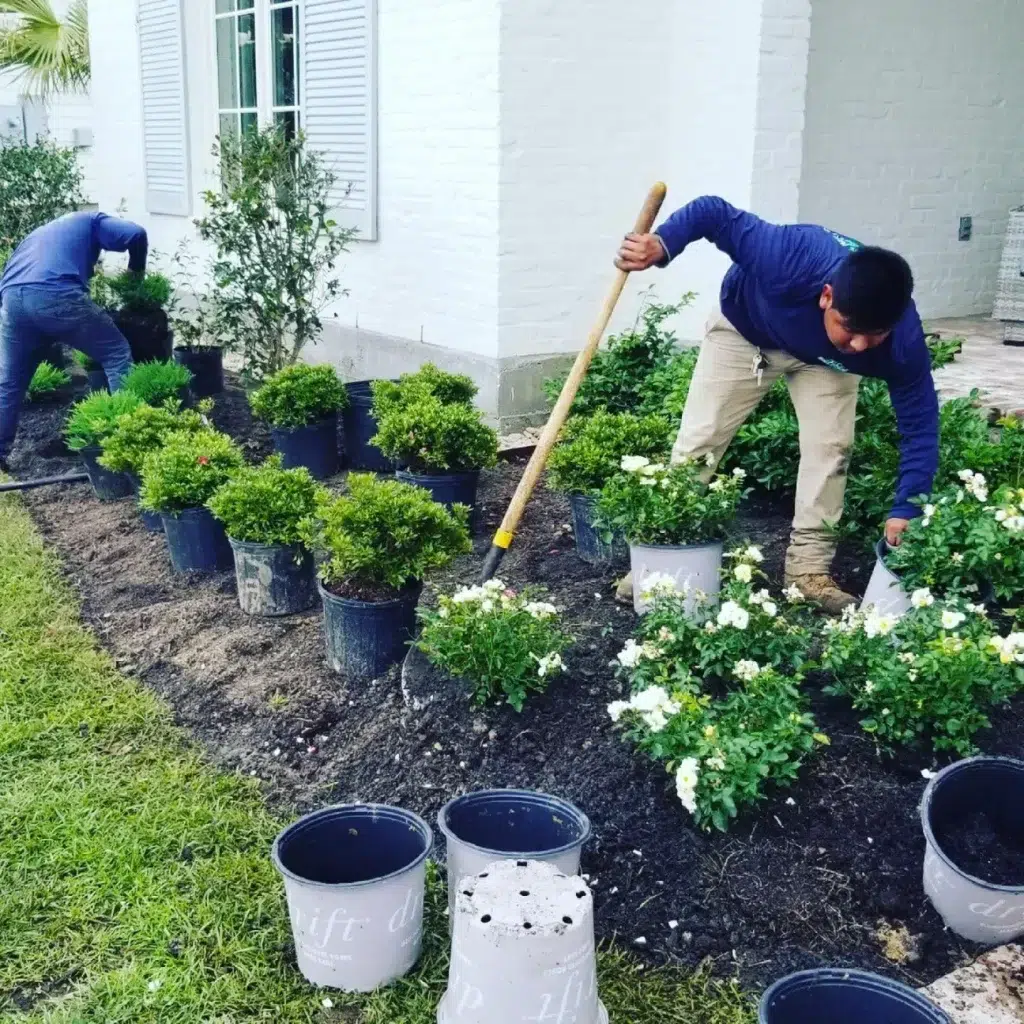
Lawn Care Services: Regular mowing, edging, and trimming designed to maintain optimal grass health throughout Louisiana’s challenging summer climate. Professional-grade equipment ensures consistent, clean cuts that promote dense growth.
Irrigation System: Strategic watering solutions that complement proper mowing schedules, ensuring adequate moisture without promoting excessive growth that requires constant maintenance.
Artificial Turf: Low-maintenance alternative for areas where natural grass struggles, eliminating mowing requirements while providing year-round green appearance.
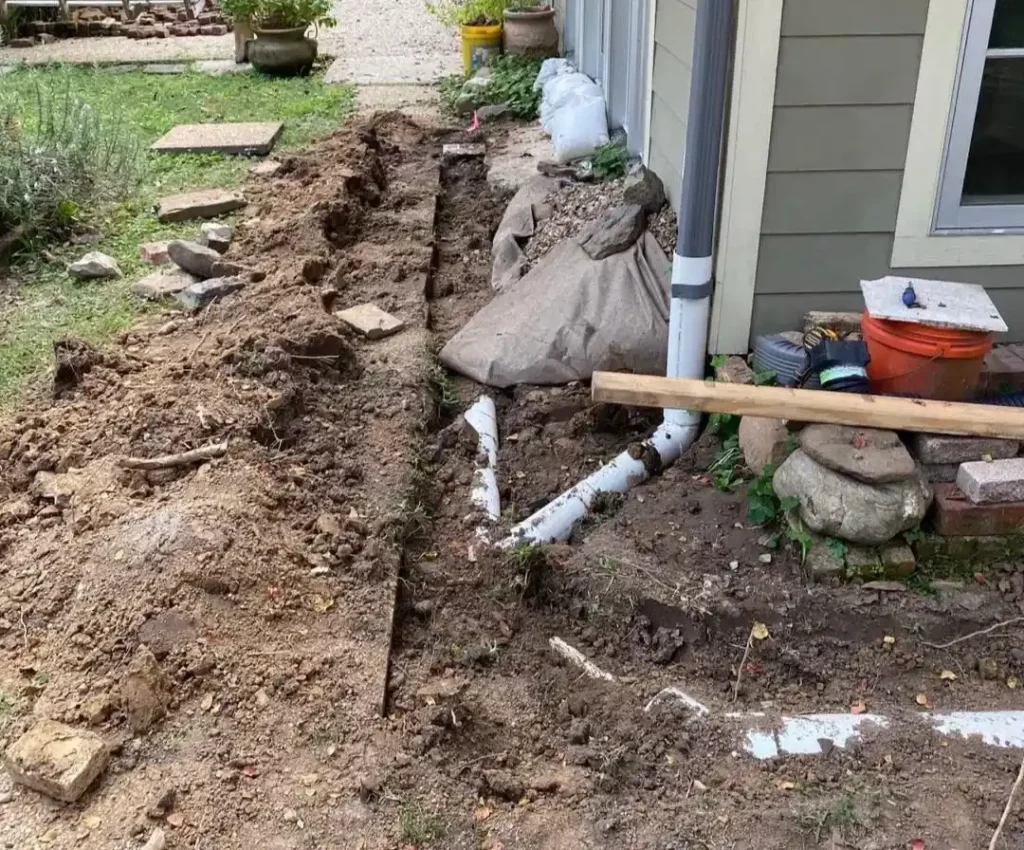
Drainage Services: Proper drainage prevents waterlogged conditions that lead to irregular growth patterns and complicate mowing schedules.
Understanding Your Lawn’s Summer Needs
Different areas of your property may require varying mowing frequencies based on microclimates, soil conditions, and grass health. North-facing slopes typically grow more slowly than southern exposures that receive intense summer sun.
Soil compaction areas often show slower growth and may benefit from less frequent mowing combined with aeration services. Compacted soil restricts root development and reduces the grass’s ability to access nutrients and water.
High-traffic zones experience different growth patterns due to stress and compaction. These areas may require more frequent attention but gentler cutting heights to maintain coverage.
Professional Lawn Care Solutions
Maintaining optimal summer mowing schedules requires understanding your specific grass type, local climate conditions, and seasonal growth patterns. Consistency in both timing and technique produces healthier, more resilient lawns that better withstand summer stress.
For homeowners seeking professional maintenance solutions, All Seasons Landscaping & Lawn Care provides comprehensive lawn care services throughout Louisiana. Contact our experienced team at 225-276-8658 or [email protected] for customized maintenance programs that keep your lawn healthy and attractive all season long.
Common Questions About Summer Mowing
How do you know when grass needs cutting?
Check the height rather than following rigid calendar schedules. When grass exceeds the recommended height for your variety by more than one-third, it needs mowing. Most homeowners can simply observe when their lawn looks slightly taller than usual.
Should you bag clippings during summer?
Leave clippings on the lawn unless they form thick clumps that smother grass beneath. Decomposing clippings return nitrogen to soil and help retain moisture during hot periods, reducing fertilizer and watering needs.
What happens if you skip mowing for two weeks during peak growth?
Overgrown grass requires multiple sessions to gradually return to proper height without shocking the plant. Never attempt to cut more than one-third of blade height in a single session, even if it means mowing twice within a few days.
Can you mow during drought conditions?
Yes, but raise the cutting height by half an inch and ensure blades are extremely sharp. Taller grass better survives drought stress by shading roots and soil, while clean cuts reduce water loss through damaged blade edges.
Is it better to mow before or after watering your lawn?
Always mow before watering when possible. Dry grass cuts more cleanly and evenly, while wet grass clumps and can clog equipment. Water after mowing to help grass recover and heal from the cutting stress.
FAQS
Does frequent summer mowing damage grass?
Proper frequency actually strengthens grass by encouraging dense growth and deeper root development. The key lies in maintaining sharp blades and following the one-third rule consistently rather than cutting frequency alone.
How does mowing height affect summer water requirements?
Taller grass significantly reduces watering needs by shading soil and reducing evaporation. Each additional half-inch of height can decrease water requirements by 10-15% during peak summer months.
What signs indicate your mowing schedule needs adjustment?
Brown patches, thin areas, or excessive weed growth suggest timing or height adjustments. Healthy lawns maintain consistent color and density when mowed appropriately for their growing conditions.
Can you change mowing patterns to improve lawn health?
Varying mowing directions prevents grass from developing a grain and promotes upright growth. Alternating patterns weekly helps maintain even growth and reduces soil compaction from repeated wheel traffic.
How long does it take to see results from improved mowing practices?
Most lawns show noticeable improvement within 3-4 weeks of implementing proper mowing schedules and heights. Dense, healthy growth typically develops over a full growing season with consistent maintenance.