Professional landscaping turns an underused or neglected yard into a functional, beautiful extension of your home. The transformation goes beyond appearance. With the right design, your outdoor space becomes a place for entertaining, relaxing, and connecting with nature, while also improving property value, managing stormwater, and supporting your overall well-being. For more ideas and planning tips, explore our landscaping services guide. The approach that works for you depends on your goals, whether that is creating an outdoor kitchen for hosting, building a quiet garden retreat, or solving drainage problems that have plagued your property for years. Every successful project starts with understanding what your land can do and matching it with a clear plan.
TL;DR
- Research from Virginia Tech found that landscape design sophistication accounts for 42% of the perceived value added to a home, more than plant size or plant diversity.
- The same study showed upgrading from a bare lawn to a professionally designed landscape increased perceived home value by 5.5% to 12.7%, depending on the region.
- The U.S. EPA recognizes landscaping practices like rain gardens and permeable surfaces as green infrastructure that reduces stormwater runoff and protects water quality.
- Peer-reviewed research published through NIH links green spaces to reduced stress, improved mental health, increased physical activity, and stronger social connections.
- Unlike most home improvements, landscape value appreciates over time as trees and plants mature, making it a long-term investment.
- Thoughtful landscaping addresses functional problems like poor drainage, erosion, and lack of shade, not just visual appeal.
- A professionally designed outdoor living area that includes patios, fire pits, or outdoor kitchens effectively expands your usable square footage.
What Professional Landscaping Actually Does
Many homeowners think landscaping means planting a few shrubs and spreading mulch. Professional landscaping is a full design and build process that considers your soil, drainage, sun exposure, existing structures, and how you intend to use the space. A professional evaluates the entire property and creates a cohesive plan that ties the indoor and outdoor experience together. Learn how professional landscaping transforms outdoor spaces to maximize both functionality and curb appeal.
A Virginia Tech study surveyed consumers across seven states and found that design sophistication was the single most important factor in how much value landscaping added to a home, contributing 42% of the perceived value increase. Plant size came second at 36%, and plant diversity was third at 22%. This means the layout, flow, and intentionality of the design matter more than simply having a wide variety of plants.
Professional landscapers also solve problems that DIY approaches often miss or worsen. Grading issues that cause water to pool against your foundation, compacted soil that will not support healthy growth, and tree placement that creates excessive shade for a future garden are all challenges our team addresses during the planning phase.
The Four Pillars of an Outdoor Living Transformation
A complete transformation typically involves four categories of work. Most projects combine at least two or three of these to achieve a cohesive result.
Hardscaping and Structural Elements
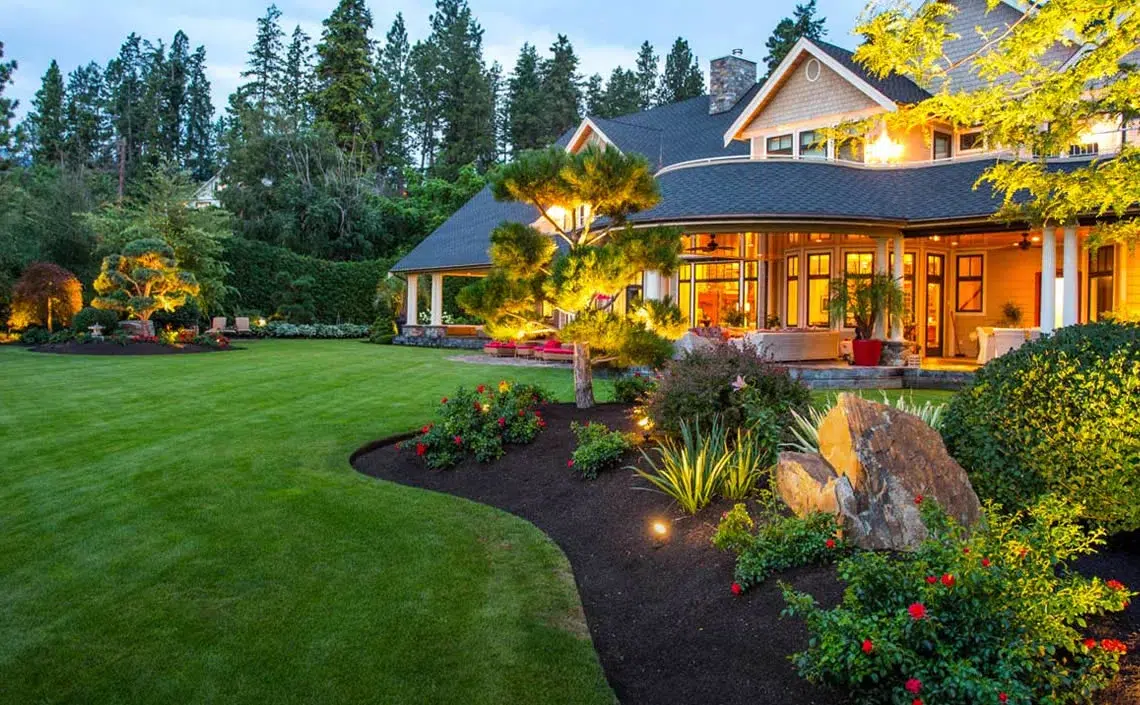
Patios, walkways, retaining walls, outdoor kitchens, and fire pits fall under hardscaping. These are the permanent structures that define how you move through and use the space. Hardscaping creates the “rooms” of your outdoor living area. A well-placed patio extends your dining space outdoors, while a curved walkway guides visitors through garden areas and creates visual interest.
Materials matter here. Natural stone, pavers, and poured concrete each offer different aesthetics, durability, and maintenance requirements. Our team helps you select materials that match your home’s architecture and your lifestyle.
Softscaping and Plant Design
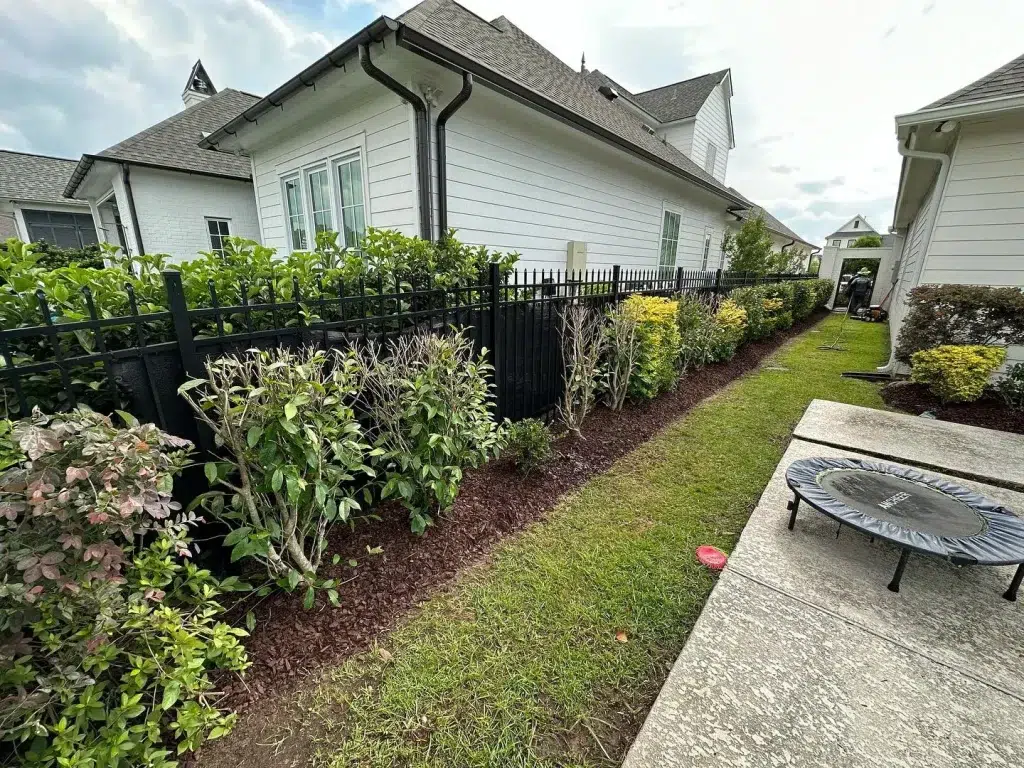
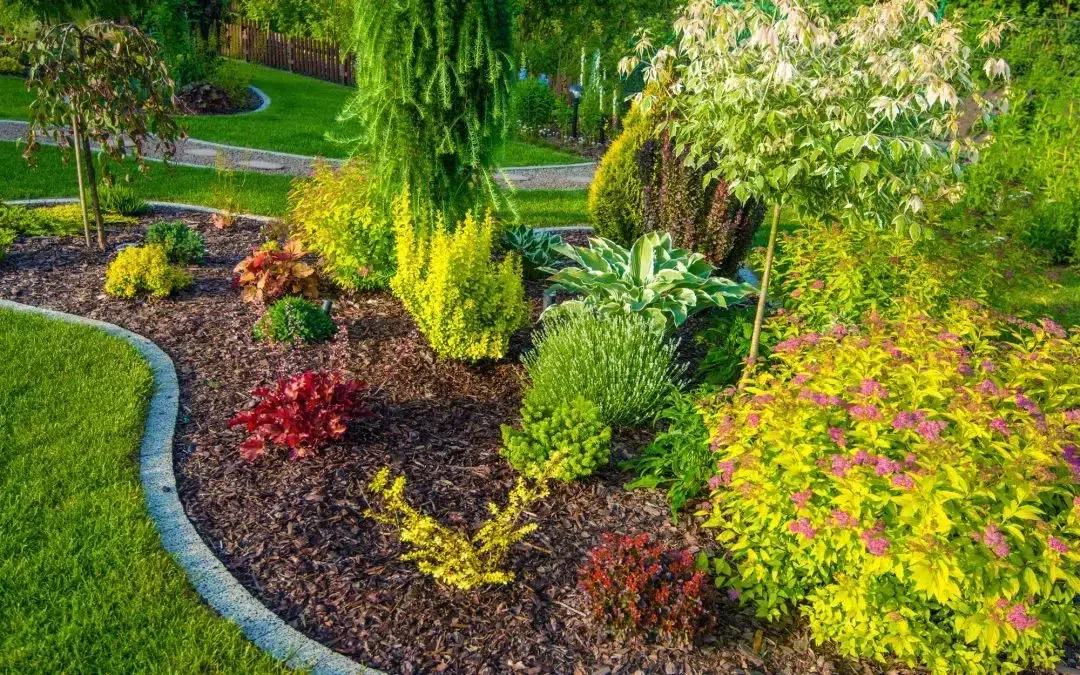
Softscaping covers all living elements: trees, shrubs, perennials, annuals, turf, and garden beds. This is where color, texture, and seasonal interest come into play. A professional planting plan considers bloom times, mature sizes, and how plants interact with each other and your hardscaping.
Research consistently shows that landscapes with a mix of large deciduous plants, evergreens, and seasonal color achieve the highest perceived home value. The Virginia Tech survey found that the preferred landscape combined all three elements with a sophisticated design that included curved bed lines and island plantings.
Drainage and Water Management
Poor drainage can undermine even the most beautiful landscape. Water pooling against foundations, erosion on slopes, and soggy lawns are not just eyesores; they cause structural damage over time. Professional landscaping incorporates drainage solutions like French drains, grading corrections, and rain gardens that manage water effectively and look good doing it.
The U.S. EPA classifies practices like rain gardens, permeable pavement, and strategic plantings as green infrastructure because they use natural processes to capture, filter, and absorb stormwater where it falls. According to the EPA, these approaches treat stormwater at its source while also providing cleaner air, habitat, and community beautification benefits that traditional pipe-and-tunnel systems cannot deliver.
Outdoor Lighting and Ambiance
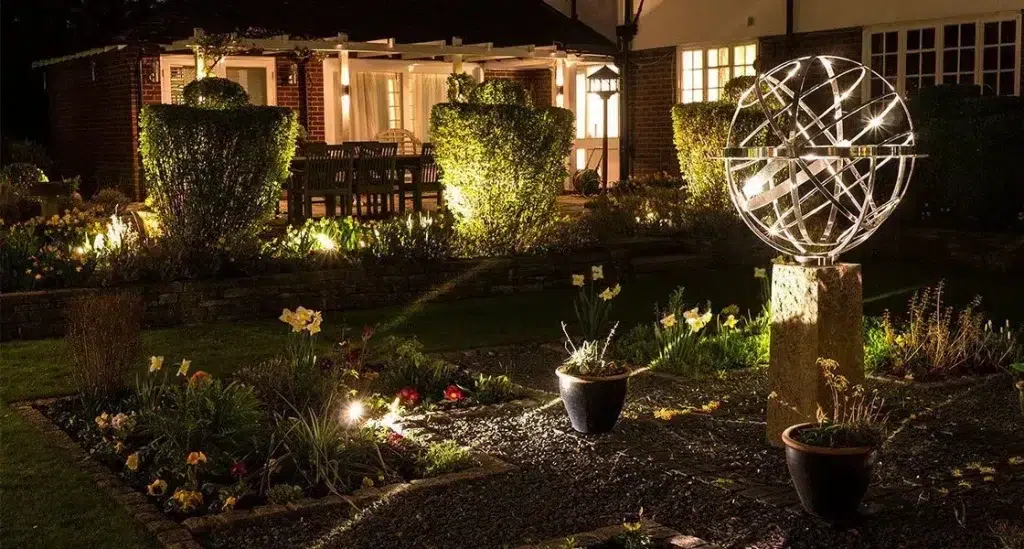
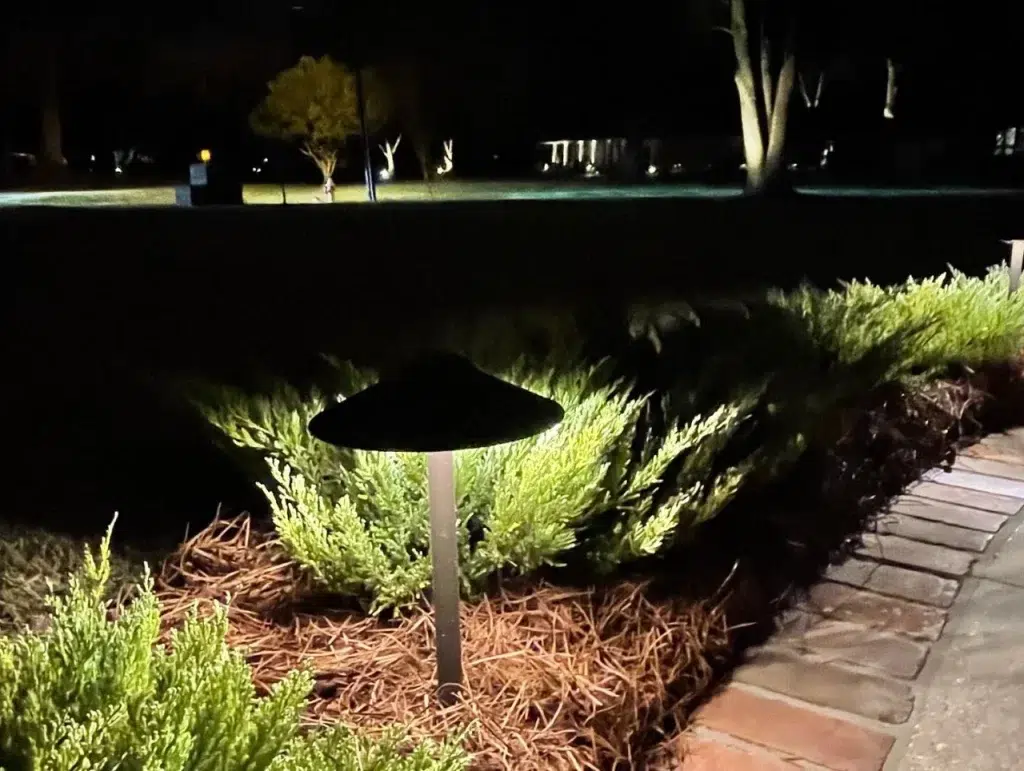
Lighting extends the usability of your outdoor space well into the evening. Path lights improve safety, uplighting highlights architectural features or specimen trees, and ambient lighting on a patio creates an inviting atmosphere for entertaining. A professional lighting design layers different types of fixtures to create depth and warmth without light pollution.
Health and Wellbeing Benefits of Green Outdoor Spaces
The benefits of professional landscaping extend beyond property value and aesthetics. Research published in Risk Management and Healthcare Policy through the National Institutes of Health examined the relationship between urban green spaces and health outcomes. The review found three primary mechanisms through which green spaces benefit health:
- Physical activity – Green spaces provide accessible places for exercise, which is linked to lower rates of obesity, type 2 diabetes, and cardiovascular disease.
- Stress recovery and mental health – Contact with natural environments has positive restorative effects, helping alleviate anxiety, improve mood, and restore attention.
- Social connection – Green spaces facilitate social interaction, which reduces isolation and builds community ties.
The review also noted that the functionality of the green space matters more than its mere presence. A professionally designed landscape that encourages you to step outside, walk through a garden path, or gather around a fire pit delivers these health benefits because it creates reasons to use the space regularly.
How Landscape Design Increases Property Value
The financial argument for professional landscaping is well documented. Project EverGreen reports that professional landscaping can increase a home’s resale value by 15% to 20%, citing research from the American Society of Landscape Architects. Properties adjacent to parks and recreational greenways often see similar premiums.
The value increase comes from several factors working together:
| Factor | What It Means for Your Property |
|---|---|
| Curb Appeal | First impressions drive buyer interest; a landscaped exterior signals the home is well-maintained |
| Perceived Value | Buyers associate quality landscaping with overall property care and are willing to pay more |
| Faster Sales | Move-in-ready outdoor spaces reduce the work buyers feel they need to do |
| Usable Square Footage | Patios, decks, and outdoor kitchens add functional living area |
| Long-Term Appreciation | Unlike interior renovations, landscaping grows more valuable as plants mature |
A key finding from Virginia Tech is that minimal or poorly designed landscapes can actually detract from home value. Investing in professional design from the start avoids this pitfall and ensures your landscape works for you, not against you.
Common Mistakes Homeowners Make
Understanding what goes wrong helps you avoid costly do-overs. These are the most frequent issues we see when homeowners attempt landscaping without professional guidance:
- Ignoring drainage first – Planting before solving water problems means you may need to remove everything to install drainage later.
- Overplanting for immediate impact – Spacing plants for how they look on day one instead of their mature size leads to overcrowding, disease, and expensive removals.
- No unified design – Buying plants impulsively without a plan creates a disjointed look that lacks cohesion and flow.
- Choosing the wrong plants for the site – Sun-loving plants in shade, or moisture-loving plants in dry areas, leads to constant replacement and frustration.
- Skipping maintenance planning – Every landscape needs ongoing care. A design that requires more maintenance than you are willing or able to provide will decline quickly.
How to Approach Your Own Outdoor Transformation
The right approach depends on your goals and starting point. Here is a general guide:
| Your Situation | Recommended Starting Point | What to Prioritize |
|---|---|---|
| New construction, blank yard | Full design plan before any planting | Grading, drainage, hardscape layout, then softscaping |
| Existing yard, needs refresh | Assessment of what to keep vs. replace | Pruning, bed definition, strategic new plantings, mulch |
| Drainage or erosion problems | Site analysis and drainage solution first | French drains, grading, rain gardens, then aesthetic improvements |
| Entertaining focus | Outdoor living area design | Patio or deck, kitchen or fire pit, lighting, then surrounding plantings |
| Low-maintenance goals | Native plant selection and hardscape balance | Permeable patios, native shrubs and perennials, minimal turf areas |
Signs You Have Found the Right Landscaping Partner
Choosing who designs and builds your outdoor space is one of the most important decisions in the process. Look for these indicators:
- They start with questions about how you want to use the space, not just what plants you like.
- They conduct a thorough site assessment including soil, drainage, sun patterns, and existing conditions.
- They present a clear design plan with material selections, plant choices, and a phased approach if needed.
- They communicate openly about timelines, potential challenges, and what ongoing maintenance will look like.
- They have experience with projects similar in scope to what you are planning.
Ready to Transform Your Outdoor Living Space?
At All Seasons Landscaping & Lawn Care, our team has the experience and design expertise to turn your outdoor vision into reality. From full landscape design and build projects to drainage solutions and outdoor living installations, we handle every detail so you can start enjoying your yard sooner. Whether you know exactly what you want or need guidance figuring out the best approach for your property, we are here to help.
Call us at 225-276-8658 or email [email protected] to get started. Your ideal outdoor space is closer than you think.
Frequently Asked Questions
How long does a full landscape transformation take?
Timelines vary by project scope. A design plan typically takes 2 to 4 weeks. Installation for a comprehensive project can range from a few weeks to several months depending on hardscaping complexity and weather conditions.
Can landscaping help with standing water in my yard?
Yes, professional landscapers address drainage through grading corrections, French drains, dry creek beds, and rain gardens that capture and redirect water. The EPA recommends these green infrastructure practices as effective stormwater management solutions.
Will professional landscaping increase my property value?
Research from Virginia Tech shows professionally designed landscapes add 5.5% to 12.7% in perceived home value, while the American Society of Landscape Architects reports increases up to 15% to 20% at resale. The key factor is design sophistication, not just the number of plants.
What is the difference between hardscaping and softscaping?
Hardscaping refers to the non-living elements like patios, walkways, retaining walls, and outdoor kitchens. Softscaping covers all living elements including trees, shrubs, flowers, turf, and garden beds. Most transformations combine both.
How do I maintain my new landscape after installation?
Your landscaping team should provide a maintenance plan covering watering schedules, fertilization, pruning timelines, and seasonal tasks. Many homeowners choose an ongoing maintenance program to keep their investment looking its best year-round.
Sources
- The Effect of Landscape Plants on Perceived Home Value – Virginia Tech – University research study on how design sophistication, plant size, and diversity affect home value perception across seven states.
- About Green Infrastructure – U.S. EPA – Federal overview of green infrastructure practices including landscaping solutions for stormwater management, flooding mitigation, and water quality protection.
- Soak Up the Rain: The Benefits of Green Infrastructure – U.S. EPA – EPA resource describing environmental, social, economic, and public health benefits of green infrastructure practices like rain gardens and permeable surfaces.
- Well-Maintained Landscaping Has a Positive Impact on Property Values – Project EverGreen – Non-profit organization summarizing research on how professional landscaping increases home value by 15-20%, and benefits curb appeal, energy efficiency, and neighborhood quality.
- Value of Urban Green Spaces in Promoting Healthy Living and Wellbeing – NIH/PMC – Peer-reviewed study published in Risk Management and Healthcare Policy examining the mechanisms through which green spaces improve physical health, mental health, and social wellbeing.

- The Complete Guide to Hedge Trimming, Care, Maintenance, and Healthy Growth - October 6, 2026
- How Can Professional Drainage Services in Central, LA Protect Your Property From Water Damage? - September 11, 2026
- Which Areas of Your Property Benefit Most From Outdoor Lighting for Safety and Curb Appeal? - September 11, 2026