New Orleans homeowners face unique lawn maintenance challenges due to the subtropical climate, heavy rainfall, and high humidity levels. Success requires understanding three critical factors: grass selection adapted to local conditions, proper drainage management, and timing maintenance activities around seasonal weather patterns. These elements form the foundation of a healthy lawn that can withstand the region’s intense summers and mild winters.
Effective lawn maintenance in this region demands year-round attention to soil drainage, pest management, and irrigation timing. The combination of clay soils, frequent thunderstorms, and extended growing seasons creates conditions that require specialized approaches different from other regions. Homeowners who master these fundamentals can maintain vibrant lawns while avoiding common pitfalls that plague many local properties.
Understanding New Orleans Climate Impact on Lawns
The subtropical climate creates a complex environment where lawns experience stress from multiple sources throughout the year. Summer temperatures regularly exceed 90°F with humidity levels often reaching 80-90%, creating conditions that promote fungal diseases and heat stress. The average annual rainfall of 64 inches falls primarily during summer months, leading to waterlogged soils and drainage challenges.
Clay-heavy soils dominate much of the metropolitan area, retaining moisture longer than sandy soils while creating compaction issues. This soil type requires different maintenance strategies compared to well-draining soils found in other regions. Understanding these foundational conditions helps homeowners make informed decisions about grass selection, irrigation scheduling, and seasonal care routines.
Bonus Tip: Test soil drainage by digging a 12-inch hole and filling it with water. If water remains after 24 hours, drainage improvements are necessary before establishing or renovating lawn areas.
Optimal Grass Types for Local Conditions
Selecting appropriate grass varieties determines long-term maintenance success more than any other single factor. Warm-season grasses thrive in New Orleans conditions, with specific varieties offering distinct advantages for different situations and maintenance preferences.
| Grass Type | Heat Tolerance | Drought Resistance | Maintenance Level | Best Use |
|---|---|---|---|---|
| St. Augustine | Excellent | Good | Moderate | Shaded areas, general lawns |
| Bermuda | Excellent | Excellent | High | Full sun, high traffic |
| Zoysia | Very Good | Very Good | Low-Moderate | Low traffic, water conservation |
| Centipede | Good | Fair | Low | Acidic soils, minimal care |
St. Augustine grass dominates local landscapes due to its shade tolerance and ability to recover from damage. However, it requires consistent moisture and regular fertilization to maintain quality. Bermuda grass offers superior durability for high-traffic areas but demands more frequent mowing and intensive management during growing seasons.
Seasonal Maintenance Calendar
New Orleans lawns require different care approaches throughout the year, with timing being crucial for preventing problems and maximizing grass health. The extended growing season means maintenance activities occur over longer periods compared to northern climates.
| Season | Primary Tasks | Timing | Key Considerations |
|---|---|---|---|
| Spring | Fertilization, Pre-emergent | March-April | Soil temperature 65-70°F |
| Summer | Mowing, Irrigation, Pest Control | May-September | Heat stress management |
| Fall | Overseeding, Aeration | October-November | Prepare for winter |
| Winter | Dormancy Care, Planning | December-February | Minimal activity period |
Spring preparation begins earlier than in northern regions, with pre-emergent herbicide applications typically needed by mid-March. Summer maintenance focuses on preventing heat stress through proper irrigation timing and maintaining appropriate cutting heights. Fall activities concentrate on strengthening grass for the mild winter period and addressing any damage from summer stress.
Bonus Tip: Apply fertilizer before rain events when possible, but avoid fertilizing within 48 hours of heavy rainfall forecasts to prevent nutrient runoff into local waterways.
Drainage and Water Management
Poor drainage represents the most common lawn problem in New Orleans, leading to root rot, fungal diseases, and pest issues. The combination of clay soils, low elevation, and frequent rainfall creates challenging conditions that require proactive management strategies.
Proper grading ensures water moves away from lawn areas rather than pooling on the surface or saturating root zones. Installing French drains or surface drainage systems may be necessary in chronically wet areas. Additionally, adjusting irrigation schedules based on rainfall patterns prevents overwatering during naturally wet periods.
Soil amendment with organic matter improves drainage in clay soils while enhancing nutrient retention. Adding compost or other organic materials annually helps create better soil structure over time. However, avoid over-amending, which can create drainage interfaces that actually worsen water movement.
Pest and Disease Management
The humid subtropical climate creates ideal conditions for various lawn pests and diseases that require ongoing attention. Fungal diseases like brown patch and dollar spot thrive in warm, humid conditions, while insects such as chinch bugs and grubs cause significant damage during peak growing seasons.
Preventive measures prove more effective than reactive treatments in this climate. Maintaining proper air circulation through strategic pruning of surrounding vegetation reduces humidity levels around grass surfaces. Avoiding evening irrigation prevents extended moisture periods that promote disease development.
Common diseases appear in predictable patterns based on weather conditions and seasonal timing. Brown patch typically emerges during hot, humid summer nights, while take-all root rot develops in poorly drained areas during spring months. Recognition of early symptoms allows for timely intervention before widespread damage occurs.
Things to Consider Before Planning Your Maintenance Strategy
Evaluate your property’s specific microclimates, soil conditions, and usage patterns before establishing maintenance routines. Shaded areas require different grass varieties and care approaches compared to full-sun locations. High-traffic zones need more durable grass types and intensive management to maintain quality.
Consider long-term maintenance commitments when selecting grass types and landscape features. Some varieties require weekly mowing during growing seasons, while others maintain acceptable appearance with bi-weekly cutting. Water availability and irrigation system capabilities also influence appropriate grass selection and maintenance intensity.
Budget for seasonal variations in maintenance needs, with summer months typically requiring more intensive care and higher water usage. Professional services may be cost-effective for specific tasks like aeration or pest control applications that require specialized equipment or expertise.
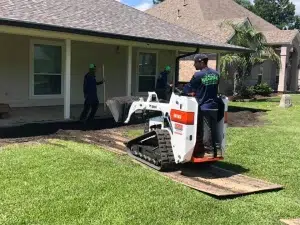
Professional Services All Seasons Landscaping & Lawn Care Provides
Comprehensive Lawn Care Programs: Customized maintenance schedules including mowing, fertilization, and seasonal treatments designed specifically for New Orleans growing conditions and grass varieties.
Drainage System Solutions: Professional assessment and installation of French drains, surface drainage, and grading improvements to address the region’s challenging water management requirements.
Irrigation System Design: Smart irrigation systems with weather-based controllers that adjust watering schedules automatically based on local rainfall patterns and seasonal needs.
Pest and Disease Management: Integrated treatment programs combining preventive measures with targeted applications to control common regional lawn problems before they cause significant damage.
Making Informed Lawn Care Decisions
Successful lawn maintenance in New Orleans requires understanding local conditions, selecting appropriate grass varieties, and implementing consistent care routines adapted to subtropical climate challenges. Focus on fundamental practices like proper drainage, appropriate grass selection, and seasonal timing rather than intensive interventions that may not address underlying issues.
Evaluate your property’s specific needs and constraints before committing to maintenance programs. Consider factors like available time, budget, and desired appearance levels when planning care routines. Professional consultation can help identify the most effective approaches for your unique situation and long-term goals.
Get Expert Lawn Care Assistance
Maintaining healthy lawns in New Orleans’ challenging climate requires specialized knowledge and consistent attention to seasonal needs. All Seasons Landscaping & Lawn Care brings decades of local experience helping homeowners achieve beautiful, sustainable lawns that thrive in subtropical conditions.
Professional assessment of your property’s specific conditions leads to customized maintenance programs that deliver results while working within your budget and lifestyle requirements. Contact All Seasons Landscaping & Lawn Care at 225-276-8658 or [email protected] to discuss how proper lawn maintenance can enhance your property’s value and your family’s outdoor enjoyment.
Common Questions About Local Lawn Care
Should I overseed my lawn in New Orleans?
Overseeding warm-season grasses is generally unnecessary since they spread naturally through runners and tillers. Focus efforts on maintaining existing grass density rather than adding seed unless establishing new areas.
How often should I water during summer months?
Deep, infrequent watering 2-3 times per week proves more effective than daily light watering. Apply 1-1.5 inches weekly including rainfall, adjusting based on grass type and soil conditions.
What cutting height works best for local conditions?
Maintain cutting heights between 3-4 inches for most grass types to promote deeper root systems and better heat tolerance. Never remove more than one-third of blade length in a single mowing session.
Bonus Tip: Monitor local weather forecasts and adjust maintenance schedules around predicted rainfall events. Avoid mowing wet grass to prevent disease spread and equipment damage.
FAQS
When should I start my spring lawn care routine?
Begin spring maintenance activities when soil temperatures consistently reach 60-65°F, typically occurring in mid to late March in New Orleans. Start with soil testing and pre-emergent herbicide applications, followed by fertilization once active growth begins.
How do I know if my lawn has drainage problems?
Standing water that remains for more than 24 hours after rainfall indicates drainage issues. Additionally, areas where grass appears yellow or thin despite adequate fertilization often have root zone saturation problems requiring drainage improvements.
What causes brown patches in my lawn during summer?
Brown patch disease thrives in hot, humid conditions with temperatures above 80°F and high humidity. This fungal disease spreads rapidly through thick, over-fertilized lawns with poor air circulation and excessive moisture retention.
Should I bag or mulch grass clippings?
Mulch clippings back into the lawn unless they are excessively long or wet. Grass clippings decompose quickly in New Orleans’ warm climate, returning valuable nutrients to the soil while reducing fertilizer requirements.
How can I reduce lawn maintenance requirements?
Select appropriate grass varieties for your specific conditions, improve soil drainage, and establish realistic expectations for lawn density and appearance. Native and adapted grass types require less intensive management while providing acceptable results.