Thoughtful landscape design consistently increases a home’s financial value by immediately improving curb appeal, expanding usable outdoor living space, and demonstrating superior property maintenance. Investing in professional, well-planned landscaping typically yields a high return on investment (ROI), often exceeding 100% of the cost, making it one of the most effective home improvements for boosting appraisal and resale price. Serious buyers see a mature, cohesive outdoor design as an extension of the home’s quality, streamlining the sales process and justifying higher offers.
Understanding the economic impact of features such as mature trees, permanent hardscaping, and climate-appropriate planting is essential for any homeowner looking to improve their property’s market position. This article outlines the specific design choices and practical considerations necessary to maximize that value increase, focusing on elements that appraisers and buyers genuinely prioritize.
Quantifying the Return on Investment for Landscaping
The financial benefit of professional landscaping is measurable. Unlike some interior renovations that follow trends, exterior improvements often provide long-term stability in value. A key finding by Realtor Magazine confirmed that standard lawn-care upgrades, including seeding, fertilizing, and adding a basic patio, can achieve an average cost recovery of 83% to 150%. This places quality landscaping in the same league as kitchen and bathroom remodels in terms of value creation.
However, the maximum value increase comes not just from doing landscaping, but from designing it well. A master plan that connects the front yard’s aesthetic appeal with the backyard’s functionality signals high quality. When design ensures easy maintenance and efficient water use, it appeals directly to modern buyers concerned about long-term ownership costs.
We must focus capital on permanence. Fixed elements like poured concrete patios, custom stone walkways, or well-built retaining walls hold value better than temporary or high-maintenance features, as they represent enduring infrastructure.
Curb appeal is the initial impression a property makes, influencing everything from the likelihood of a showing to the size of the initial offer. Usability is how well the space functions once the buyer moves past the front door. The most valuable landscapes succeed at both.
Landscaping projects fall into different categories of effort and cost. Understanding which projects deliver the most value relative to their expense helps guide investment choices. While a detailed estimate depends entirely on specific site conditions, general comparison points offer guidance:
| Landscape Project Category | Typical ROI Range (Cost Recovery) | Primary Value Driver |
|---|---|---|
| Basic Maintenance & Cleanup | 50% – 100% | Eliminates deterrents, improves immediate sale readiness |
| Strategic Planting (Trees/Shrubs) | 100% – 200% | Long-term aesthetic, shade, perceived maturity, and quality |
| Permanent Hardscaping (Patio/Walkways) | 70% – 120% | Functional extension of living space, durability |
| Water Features & Specialty Gardens | 25% – 75% | Aesthetic appeal, but niche preference limits broad ROI |
| Basic Irrigation System Installation | 75% – 150% | Maintenance efficiency, protecting plant investment |
Key Design Elements that Drive Property Value
Buyers primarily evaluate properties based on what they can see and what they can use. Effective design blends aesthetic appeal with practicality, ensuring every square foot contributes to the overall property experience.
Strategic Planting and Climate Suitability
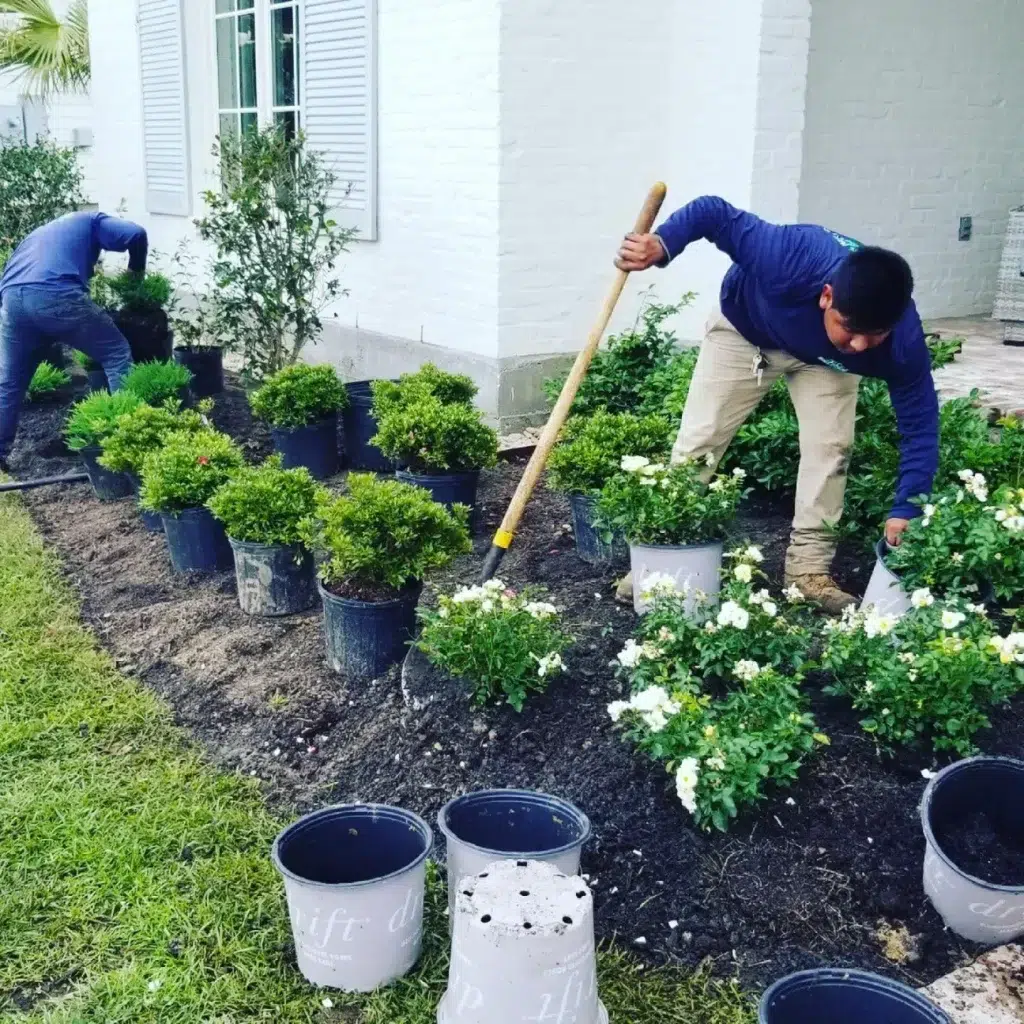
Plant selection must match the specific regional climate to guarantee long-term survival and low maintenance. In hotter, drier climates, for example, planting native, drought-resistant species reduces the risk of plant failure and lowers irrigation costs. This specific planning is recognized as a sign of knowledgeable ownership.
Mature shade trees also represent significant value. According to the Council of Tree and Landscape Appraisers, healthy, mature trees can add thousands of dollars to a property’s value, depending on their size, species, condition, and placement. Strategic placement can lower cooling costs by shading the house, offering a practical benefit that buyers appreciate immediately.
Hardscaping and Functionality
Hardscaping refers to non-living elements like patios, walkways, driveways, and fire pits. These elements are essential because they define the usable space. A cohesive design integrates these features with the home’s architecture, making the transition from indoor to outdoor feel natural. An outdoor kitchen, a spacious deck, or a dedicated fire pit effectively adds square footage to the home’s perceived living area.
Proper grading and drainage are less visible but critically important aspects of hardscaping. Ensuring water moves away from the foundation prevents damage and is a key concern for property inspectors and buyers. Professional plans should emphasize grading that mitigates potential erosion or standing water, preserving the integrity of the home’s structure.
Thoughtful design coordinates materials and colors, linking the landscape to the home’s architecture. For instance, using brick pavers that match the home’s façade creates visual harmony. This consistency is not accidental; it is a design feature that signals professional planning and execution.
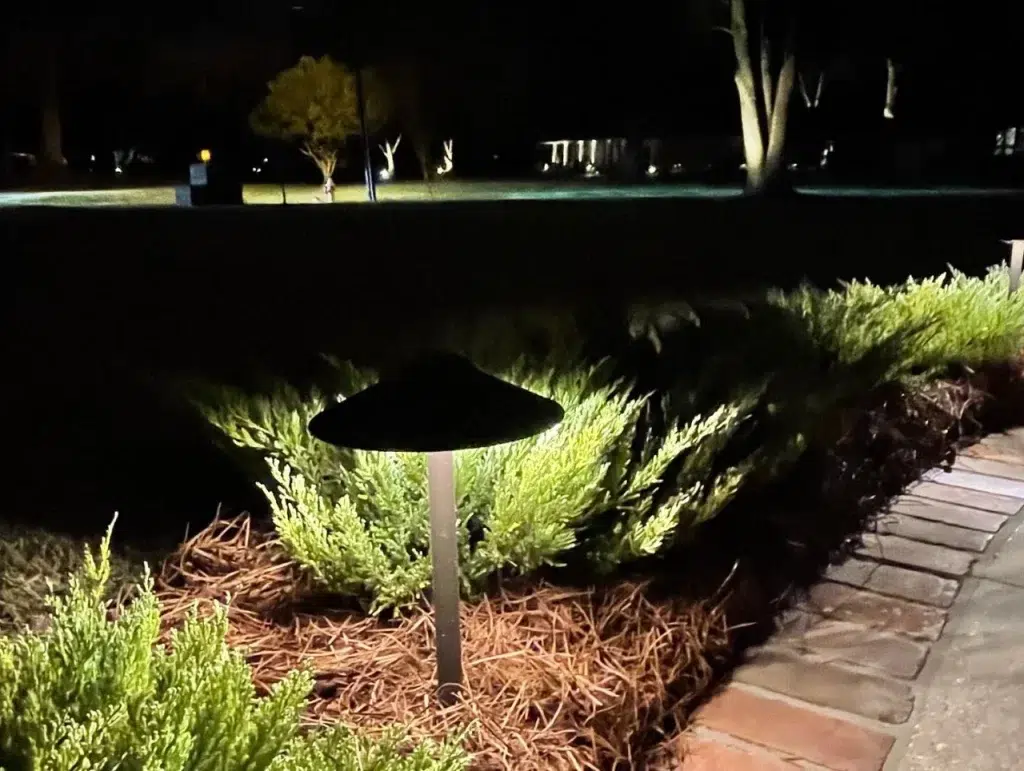
Another high-value investment is professional outdoor lighting. Effective lighting extends the space’s usability into the evening and, more importantly, improves security. A well-lit path is safer and accentuates the property’s architectural features, often leading to a noticeable bump in perceived value.
According to data reviewed by the National Association of Home Builders, professional landscape planning that integrates water management and long-term aesthetic appeal is consistently rated among the top features homebuyers seek, even surpassing some interior features in buyer satisfaction surveys.
Things to Consider Before Making a Design Decision
Before spending capital on extensive landscape work, evaluate the project’s suitability relative to the neighborhood and local market conditions. A luxury landscape may not return its cost if the surrounding homes are mid-range, as appraisals rarely permit a home to exceed the general market ceiling by a significant amount.
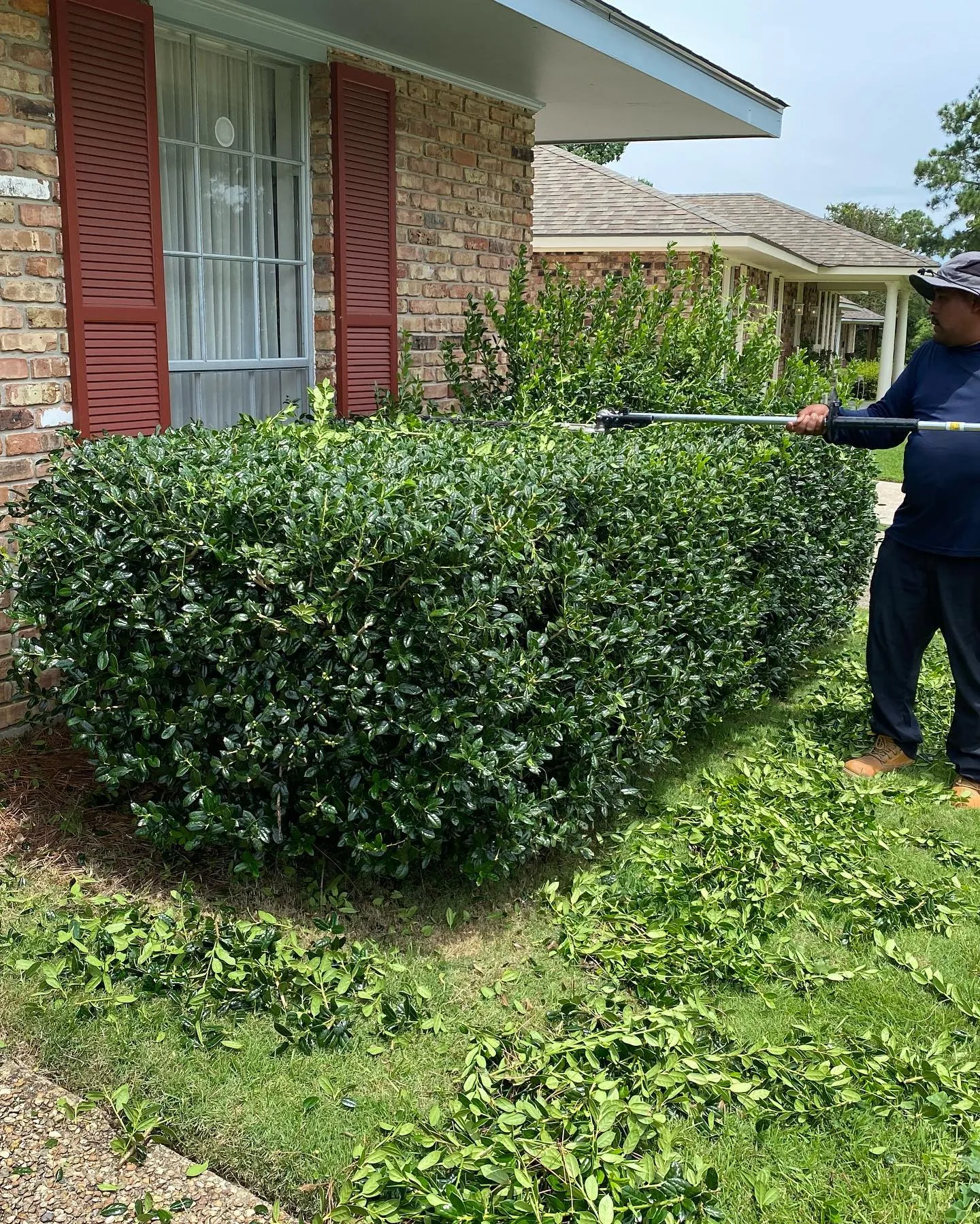
Start with the basics: Ensure existing features are repaired. Broken retaining walls, cracked sidewalks, or dead patches of lawn communicate neglect, undermining the value of new installations. Remedying these problems first provides the best foundation for future investments.
It is generally recommended to focus 70% of the design budget on the front yard and the immediate back patio area. These areas have the highest visibility and buyer utilization, making them the most impactful per dollar spent.
- Long-Term Maintenance: Consider the resources (time, money, water) required to maintain the new design. A low-maintenance design often appeals more to time-constrained buyers than a complex, high-maintenance garden, regardless of initial beauty.
- Permitting: Major hardscaping projects, like large retaining walls, outdoor kitchens with gas lines, or extensive lighting schemes, typically require local building permits. Failing to secure these permits can cause significant trouble during the inspection and closing phase of a sale.
Final Considerations for Maximizing Home Value
Prioritizing structural soundness and maintenance efficiency offers the greatest opportunity to achieve high financial returns from landscape investment. Ensure that any design choice respects water conservation needs, the local climate, and the home’s architectural style. Always view landscape expenses as an investment in the home’s infrastructure and overall marketability, not just a decorative addition. When executed correctly, these improvements will directly influence the final sales price and speed of sale.
Begin Your Property Value Evaluation
Understanding the specific needs of your property requires experienced analysis of soil conditions, sun exposure, and local zoning requirements. For precise guidance on optimizing your yard for maximum resale value, expert consultation can offer a tailored approach. Obtaining a detailed evaluation of your exterior space will ensure efficiency and maximize market appeal.
Turn Your Curb Appeal into Capital
Now that you understand how strategic landscaping significantly boosts property value and curb appeal, it is time to turn that insight into a tangible investment. All Season Landscaping specializes in creating high-ROI outdoor designs that function beautifully today while building equity for tomorrow. Whether you are looking to install permanent hardscaping, improve drainage, or establish mature, climate-appropriate planting, our team provides the expertise needed to maximize your home’s market position. Don’t leave your property’s potential to chance; contact us today at 225-276-8658 or email [email protected] to schedule your consultation and start increasing your home’s worth.
Frequently Asked Questions
How does tree size affect valuation?
Larger, mature trees that offer substantial shade or aesthetic focal points hold greater value than new saplings. Appraisers use specific formulas that account for the species, caliper (diameter), and overall health of the tree when determining its contribution to property worth. A damaged or poorly positioned tree can, conversely, be a liability.
Is DIY landscaping ever a good investment?
For basic tasks like weeding, pruning, and seasonal planting, DIY efforts save money and maintain existing value. However, major structural projects, such as building retaining walls over 4 feet high, installing complex irrigation systems, or grading a slope, require expertise. Mistakes in these areas can lead to costly foundation or drainage failures, destroying potential value gains.
What design styles offer the highest appeal?
Designs that emphasize clean lines, simplicity, and low maintenance, such as contemporary or transitional styles, generally have the broadest market appeal. Overly themed or complicated designs that require intense upkeep often narrow the pool of potential buyers.
Does lighting add actual financial value?
Yes, thoughtfully designed outdoor lighting systems add value by enhancing both security and nighttime aesthetic appeal. Low-voltage LED lighting that highlights architectural details and pathways is particularly effective. It is considered a permanent fixture and contributes positively to the home’s perceived sophistication and safety.
How important is a fenced yard for property worth?
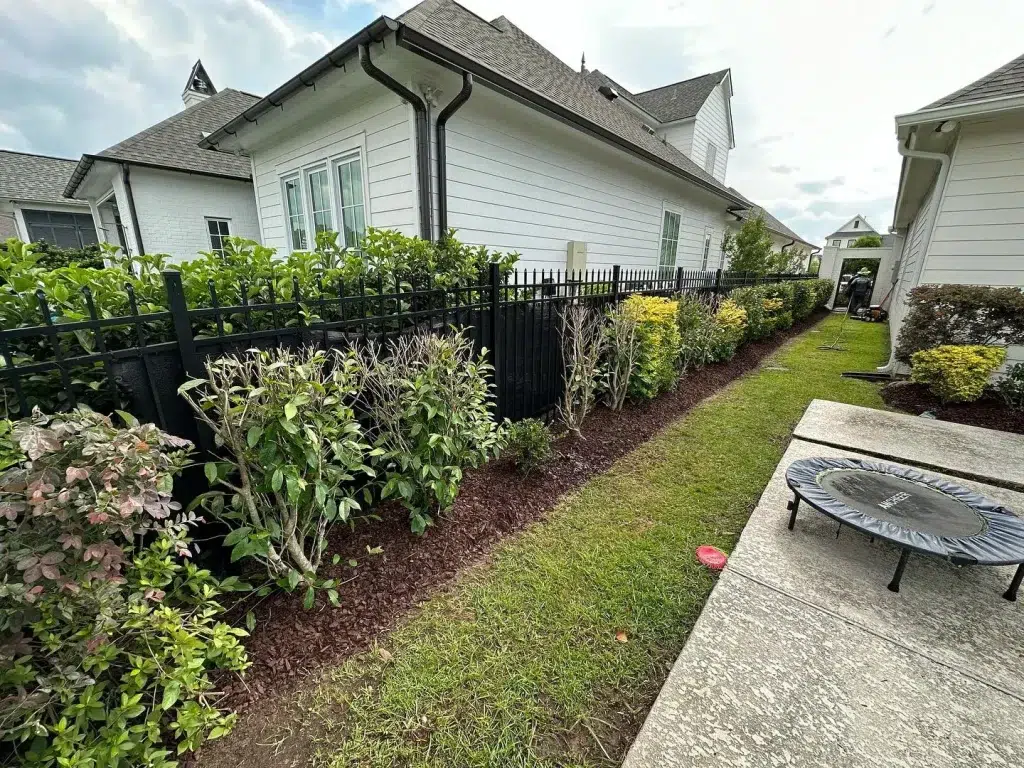
A secure, well-maintained perimeter fence significantly increases a property’s marketability, particularly for families with pets or young children. While the financial benefit may be small, the improved market appeal and faster sales velocity are substantial.
Sources
- Realtor Magazine – Article detailing the return on investment for various outdoor projects, confirming high cost recovery for strategic landscaping.
- Council of Tree and Landscape Appraisers – Professional organization providing standards for the valuation of trees and their financial contribution to property value.
- National Association of Home Builders – Industry organization providing data and reports on homebuyer preferences and the features that increase market demand.