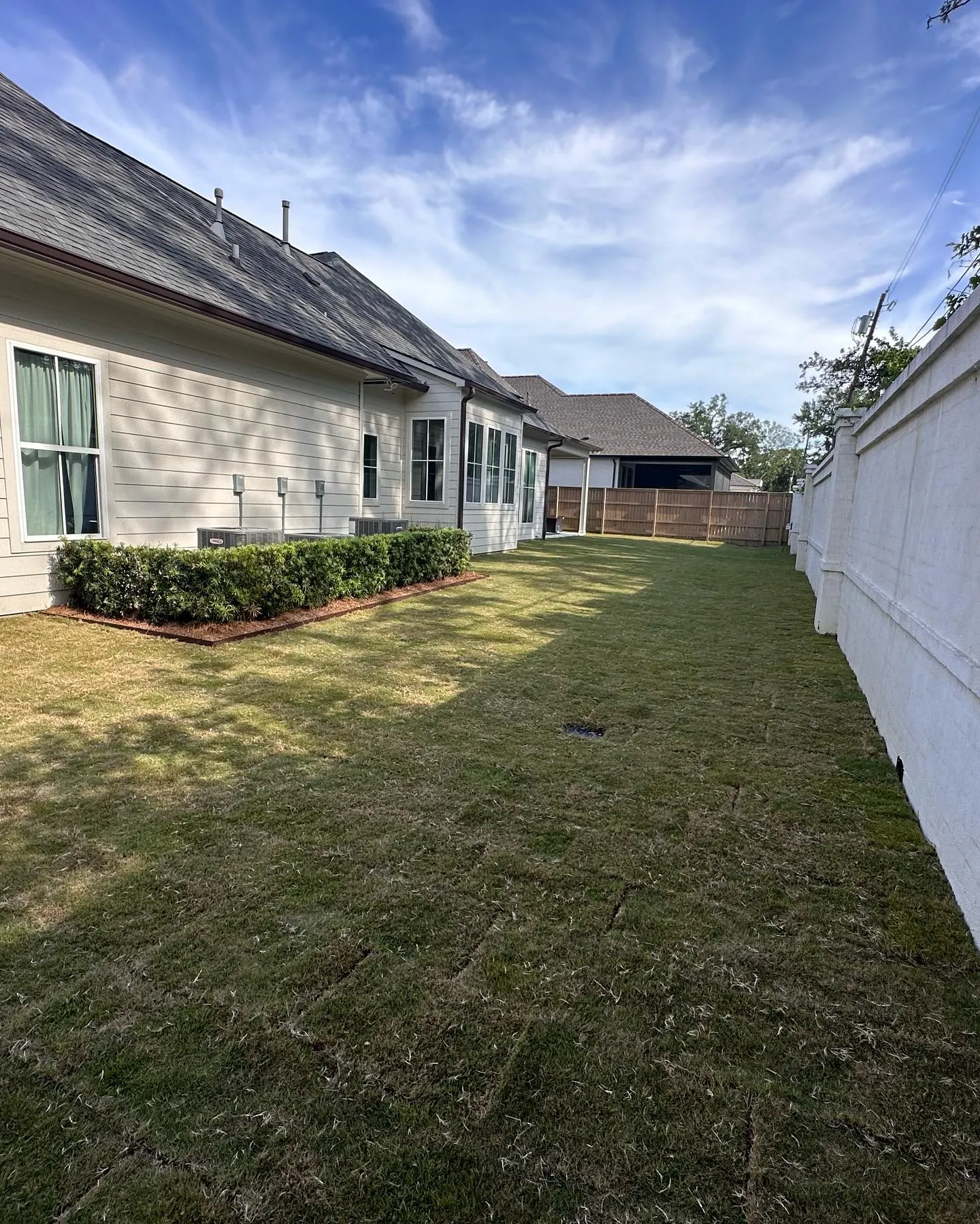
Precision lawn care directly reduces weed regrowth by creating a dense, healthy turf that naturally suffocates and outcompetes weeds. Instead of just treating the symptoms, this approach focuses on strengthening the grass through targeted mowing, balanced fertilization, and proper watering techniques suited for Lafayette’s climate. When grass is thick and vigorous, it leaves no room for weed seeds to germinate and establish themselves, effectively building a living barrier against infestations. This method shifts the focus from reactive weed killing to proactive lawn health management. The information here is based on extensive experience managing turfgrass in Southern Louisiana’s unique growing conditions. The goal is to explain how a systematic, tailored approach creates a lawn that is not only beautiful but also self-sustaining and resilient against common local weeds.
The Foundation of Weed Prevention is Healthy Turf
A lawn’s ability to resist weeds comes down to simple competition. Weeds are opportunistic and thrive in lawns with weak, sparse grass. A dense turf canopy blocks sunlight from reaching the soil, preventing many weed seeds from ever sprouting. Proper mowing is the first step. For common Lafayette grasses like St. Augustine and Centipede, maintaining a higher mowing height of 3 to 4 inches is ideal. Research from the LSU AgCenter shows that this encourages deeper root growth and wider grass blades. These broader blades create more shade over the soil, making it difficult for sun-loving weeds like crabgrass to get started. Healthy soil is just as important. Grass with access to balanced nutrients will grow thicker and faster than weeds. When soil is compacted or lacks essential minerals, the turf thins out, opening the door for opportunistic weeds to take over.
Core Methods of a Precision Lawn Strategy
Adopting a precision strategy involves several interconnected practices that work together to promote a healthier lawn ecosystem.
Mowing with a Purpose
How you mow has a direct impact on turf density and health. Always follow the “one-third rule,” which means never removing more than one-third of the grass blade in a single mowing. Cutting too much at once stresses the plant, slows root growth, and makes the lawn more susceptible to disease and weeds. Using sharp mower blades is another simple but effective technique. A clean cut allows the grass to heal quickly, while dull blades tear the grass, creating ragged edges that can invite fungal diseases.
Bonus Tip: Avoid mowing in the same direction every time. Alternating your mowing pattern encourages the grass blades to grow more upright and helps prevent soil compaction and ruts in the lawn.
Targeted Fertilization and Soil Health
A one-size-fits-all approach to fertilization can often do more harm than good. A precision strategy starts with understanding what your soil actually needs. Applying the wrong nutrients can weaken the grass and even encourage specific types of weeds. For example, some studies show that applying high-nitrogen fertilizers too early in the spring can fuel a surge in crabgrass growth, according to information from the University of Massachusetts Amherst. The following table shows the difference between a generic plan and a targeted plan for a typical Lafayette lawn. Feature Generic “Weed and Feed” Approach Precision Fertilization Approach
- Basis General-purpose formula applied on a fixed calendar schedule. Application based on a soil test to identify specific nutrient deficiencies.
- Nutrients May provide excessive nitrogen, phosphorus, or potassium. Delivers a balanced ratio of N-P-K tailored to the soil’s needs.
- Timing Applied 2-3 times per year, regardless of growth cycles. Timed to support key growth phases of the specific grass type.
- Outcome Can lead to weak growth, thatch buildup, and potential weed encouragement. Promotes strong root development, dense turf, and natural weed resistance.
Smart Watering for Southern Louisiana
In Lafayette’s humid climate, watering practices are critical. The goal is to water deeply but infrequently. This encourages the grass to develop deep roots, making it more resilient during dry spells. A shallow, daily watering schedule promotes a weak, shallow root system that is easily stressed. The best time to water is early in the morning. This gives the grass blades time to dry before evening, reducing the risk of fungal diseases that thrive in damp, warm conditions. Overwatering is a common mistake that leads to waterlogged soil, a perfect environment for weeds like dollarweed and nutsedge.
Common Lafayette Weeds and How Precision Care Beats Them
Different weeds thrive under different conditions. A precision approach creates an environment that is unfavorable for the most common intruders in our area.
- Crabgrass: This annual weed loves sunlight and heat. A thick, tall turf canopy is its worst enemy. By mowing high and maintaining a dense lawn, you can shade the soil and prevent crabgrass seeds from germinating.
- Dollarweed: This weed signals that an area is too wet. Precision watering that avoids waterlogged soil is the primary defense. Improving drainage in low-lying areas can also help.
- Chamberbitter: Often called “little mimosa,” this weed flourishes in thin turf and compacted soil. Core aeration can relieve compaction, while proper fertilization helps the grass fill in bare spots.
- Nutsedge: Recognizable by its triangular stems, nutsedge thrives in poorly drained, overwatered soil. Adjusting your watering schedule and aerating to improve drainage makes the area less hospitable for it.
Bonus Tip: After core aerating, consider top-dressing the lawn with a thin layer of quality compost. This improves soil structure and microbial activity, further strengthening the turf against weeds.
Things to Consider Before Making a Decision
Before fully committing to a precision care plan, think about a few key factors.
- Your Grass Type: Strategies must be tailored to your lawn’s specific grass, whether it’s St. Augustine, Centipede, Zoysia, or Bermuda. Each has different needs for mowing height, water, and nutrients.
- Time and Consistency: This isn’t a one-time fix. Precision lawn care requires consistent effort throughout the year, with actions timed to the seasons and the grass’s growth cycle.
- Current Soil Condition: Knowing your soil’s pH and nutrient profile is a big advantage. You can use DIY soil test kits or get a professional analysis to create a starting point.
- Lafayette’s Climate: Our region’s high humidity, frequent heavy rains, and intense summer heat must guide your decisions on watering, fertilization timing, and disease prevention.
Common Questions About Weed Control in Lawns
How long does it take to see fewer weeds?
You can often see a reduction in annual weeds within the first season. Building the turf density needed to suppress tougher perennial weeds might take two or more seasons of consistent care.
Is this approach more expensive?
The initial investment in a soil test or soil amendments might be higher, but a healthy lawn requires fewer chemical herbicides and fungicides over time. The long-term cost is often lower because you are solving the root cause of the weed problem.
Can I still use herbicides if needed?
Yes. A precision approach reduces the need for herbicides but doesn’t eliminate them entirely. When needed, targeted, post-emergent spot treatments are much more effective and environmentally friendly than broad-scale applications. The Environmental Protection Agency supports this kind of integrated approach, where healthy turf is the main defense.
Your Lawn Care Questions Answered
Why do weeds keep coming back after I pull them?
Many weeds have deep taproots or underground runners (rhizomes) that break off when you pull them, allowing the plant to regrow. Additionally, the soil contains thousands of dormant weed seeds that will sprout when they get enough light and water.
What is the single most important mowing tip for weed prevention?
Mowing at the highest recommended height for your specific grass type. This simple change maximizes leaf surface for photosynthesis, encourages deep root growth, and shades out weed seeds.
Can grass clippings help control weeds?
Yes, in a healthy lawn. Mulching clippings back into the turf returns valuable nutrients to the soil and adds organic matter. This layer can also help suppress weed seed germination. However, avoid this if your lawn has a major weed infestation, as you could spread more weed seeds.
Does aeration really help with weeds?
Absolutely. Core aeration reduces soil compaction, which allows grass roots to access more oxygen, water, and nutrients. This strengthens the turf, making it much more competitive against weeds that thrive in hard, compacted soil.
A Healthier Lawn is a Weed-Resistant Lawn
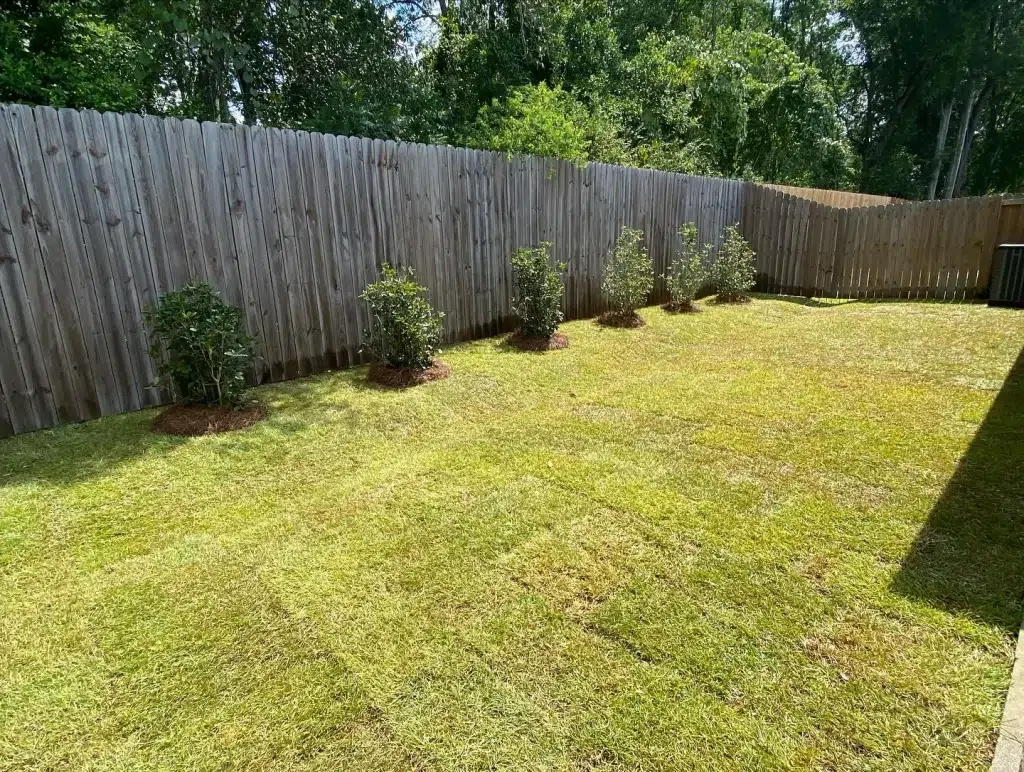
Ultimately, precision lawn care is about cultivating a healthy turf ecosystem. By focusing on the specific needs of your grass and soil, you create a dense, vigorous lawn that serves as its own best defense against weeds. This reduces the long-term reliance on chemical treatments and results in a more resilient and attractive lawn. Before starting, take time to evaluate your lawn’s current state, identify the main weed culprits, and consider your long-term goals.
Get a Professional Lawn Assessment
Developing a precision care plan can feel complicated, especially when dealing with Lafayette’s specific climate and soil conditions. For a detailed evaluation and a strategy tailored to your property, you can contact All Seasons Landscaping & Lawn Care. Reach out at 225-276-8658 or send an email to [email protected] for a professional assessment.
Sources
- LSU AgCenter – Provides research-based guidelines for mowing practices specific to lawn types common in Louisiana.
- University of Massachusetts Amherst – Offers detailed information on crabgrass control, including how fertilization practices can affect its growth.
- Environmental Protection Agency – Discusses principles of sustainable landscaping, including how creating healthy turf is a primary method for natural weed control.

- How Does Regular Hedge Trimming Improve Your Landscape’s Overall Appearance? - October 12, 2026
- The Complete Guide to Hedge Trimming, Care, Maintenance, and Healthy Growth - October 6, 2026
- How Can Professional Drainage Services in Central, LA Protect Your Property From Water Damage? - September 11, 2026