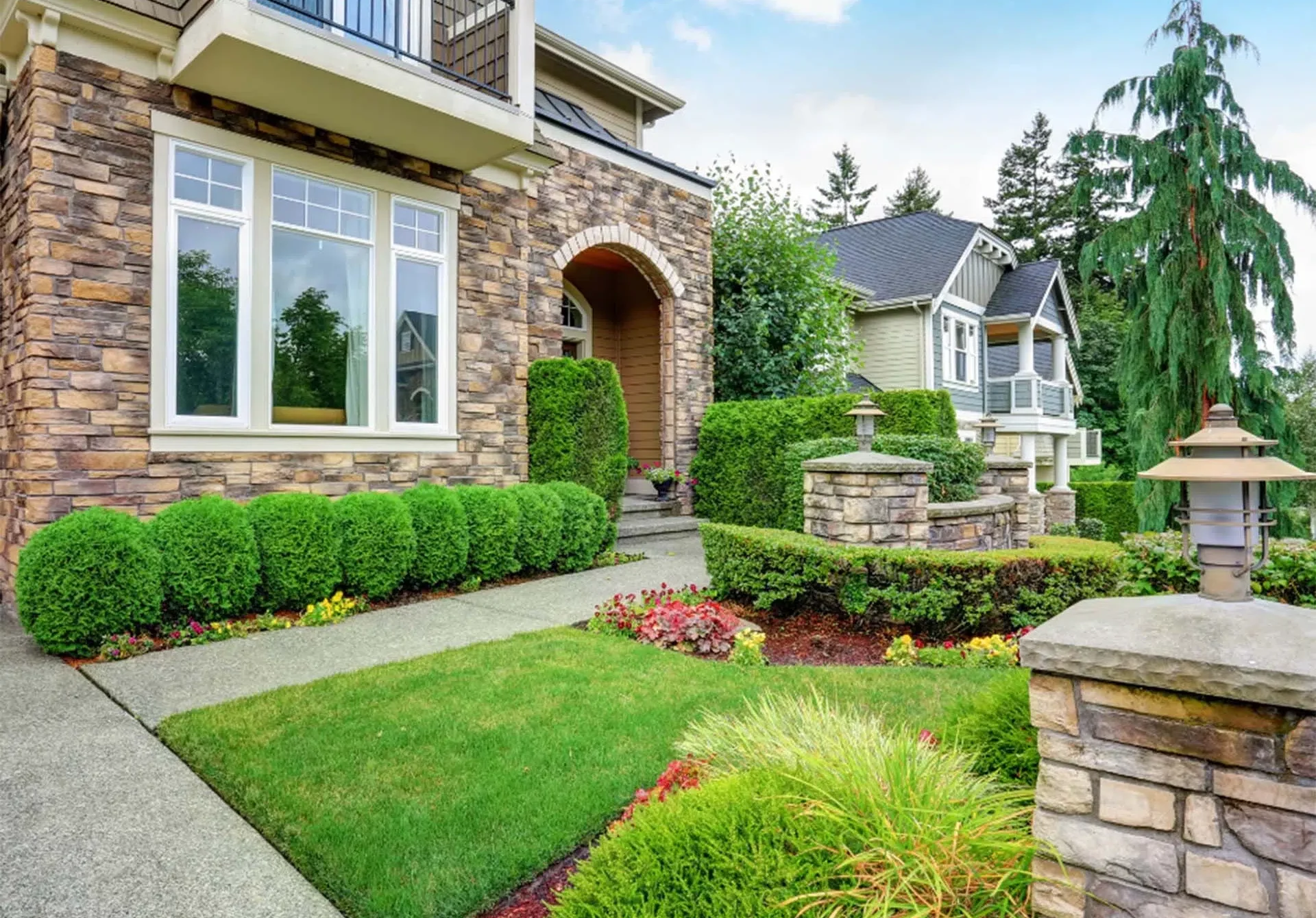
Seasonal landscaping services directly influence curb appeal by aligning outdoor environments with seasonal aesthetics and functional needs. Well-timed updates to plantings, hardscape elements, and lawn care practices create visual balance and protect property value year-round. Ignoring seasonal demands can cause plant stress, lawn degradation, and a mismatched appearance that affects first impressions.
In South Louisiana’s humid subtropical climate, landscapes experience high heat, seasonal rainfall, and mild winters. Timing matters. Late pruning, improper planting cycles, and lack of drainage management often lead to disease and poor growth. Adjusting strategies by season ensures a visually cohesive and resilient outdoor space.
How Seasonal Landscaping Affects Property Value and Appeal
A home’s exterior is the first point of evaluation for buyers and visitors. Seasonal landscaping ensures plant material stays healthy, color transitions are seamless, and the property always looks actively maintained. Per the National Association of Realtors (NAR), 94% of real estate professionals say curb appeal adds dollar value to a home.
Market Data Snapshot
| Source | Insight |
|---|---|
| National Association of Realtors (2023) | Homes with strong curb appeal sell for 7% more on average |
| Turfgrass Producers International (2023) | Seasonal lawn health boosts lawn density by 35% across warm climates |
| LSU AgCenter (2022) | Proper seasonal planting reduces disease risk in turf and ornamentals |
Core Seasonal Landscaping Tasks
Spring
- Soil testing
- Mulch refreshing
- Flower bed installation
- Lawn pre-emergent treatment
Summer
- Irrigation optimization
- Pest control
- Drought-tolerant plant monitoring
- Mowing height adjustments
Fall
- Leaf clearing
- Aeration and overseeding
- Perennial cutbacks
- Tree inspection
Winter
- Drainage checks
- Pruning dormant trees/shrubs
- Planning for spring plantings
- Lighting system maintenance
Technical Guidelines for Southern Lawns and Landscapes
| Task | Recommended Timing | Best Practice |
|---|---|---|
| Aeration | Fall | Use core aerators; follow with seed and light compost |
| Mulching | Spring | Apply 2-3 inches; avoid trunk contact |
| Pruning (deciduous trees) | Late Winter | Use clean bypass pruners; cut at node angle |
| Lawn Fertilization | Spring & Fall | Use slow-release nitrogen; follow soil test results |
| Irrigation System Check | Early Summer | Inspect valves, replace heads, adjust zones for sun/shade needs |
Bonus Tip:
In clay-heavy soils, schedule drainage assessments before spring to prevent root rot during wet months.
Comparison Table: Seasonal vs Non-Seasonal Landscaping Approaches
| Factor | Seasonal Landscaping | Non-Seasonal Landscaping |
|---|---|---|
| Visual Consistency | Maintained across seasons | Declines in off-peak months |
| Plant Health | High due to timing | Increased disease risk |
| Maintenance Costs (Annual) | Moderate, predictable | Higher due to corrective work |
| Appeal to Buyers | Strong | Weak |
| Lawn Density | Balanced year-round | Patchy and inconsistent |
Things to Consider Before Making a Decision
- Soil Conditions: Sandy vs clay soils require different drainage and aeration strategies.
- Sun Exposure: Plant selection must align with full-sun or shade conditions.
- Time Commitment: Seasonal landscaping involves structured scheduling—evaluate available time.
- Water Access: Properties without irrigation systems need more drought-resistant choices.
- Pest History: Past infestations (e.g., chinch bugs, sod webworms) affect seasonal timing.
Bonus Tip:
Install raised beds or contour slopes in areas prone to runoff to reduce erosion during heavy rainfall periods.
Key Services Aligned with Seasonal Landscaping
All Seasons Landscaping & Lawn Care offers services that address the core needs of seasonally adaptive landscape management:
- Lawn Care Services: Scheduled fertilization, mowing adjustments, and weed management.
- Irrigation System: Seasonal inspection, pressure adjustments, and head replacements.
- Drainage Services: French drains and grading solutions to prevent pooling.
- Storm Cleanup Services: Removal of debris, downed branches, and landscape recovery.
Common Questions Before Choosing a Seasonal Landscaping Strategy
What type of grass handles both summer heat and mild winters?
Zoysia and centipede grasses are popular in South Louisiana for year-round resilience.
When should flower beds be changed?
Spring and early fall are ideal for seasonal flower rotations based on bloom cycles.
Do irrigation systems need seasonal adjustment?
Yes. Zones should be reprogrammed based on plant type and season to avoid overwatering.
How often should mulch be refreshed?
Once or twice a year typically in spring and again in fall if needed for appearance.
Get Expert Insulation Guidance
To discuss seasonal landscaping strategies that suit your property and local conditions, contact:
All Seasons Landscaping & Lawn Care Phone: 225-276-8658 Email: [email protected]
FAQ Section
How long does seasonal landscaping take to show results?
Initial visual improvements occur within weeks. Long-term results develop across a full year.
Can seasonal landscaping lower energy costs?
Yes. Strategic planting of trees and shrubs can reduce cooling costs by up to 25%, according to the U.S. Department of Energy.
How is pest control managed across seasons?
Seasonal pest control includes pre-emergent applications in spring and monitoring throughout summer.
Should outdoor lighting be adjusted by season?
Yes. Adjust timing for daylight changes and inspect for storm-related damage in fall and winter.
Are native plants better for year-round appeal?
Native plants are well-suited for regional climates and often require less maintenance.