An automated irrigation system prevents drought stress by delivering a precise and consistent volume of water directly to plant root zones. This targeted approach ensures optimal soil moisture levels during the blistering summer months in Sorrento, LA. By replacing manual watering with smart technology, homeowners protect their landscape investment from dehydration, nutrient lockout, and irreversible root damage while optimizing water usage.
TL;DR
- Smart irrigation controllers utilizing local weather data reduce outdoor water consumption by up to 30 percent while maintaining optimal plant health.
- Drip irrigation systems deliver water with 90 percent efficiency directly to the root zone to prevent evaporation in high heat environments.
- Automated morning watering schedules reduce fungal disease risks and maximize soil absorption before peak afternoon temperatures.
- Consistent moisture delivery promotes deeper root system development to make turf and shrubs naturally more resilient to dry spells.
- Installing rain sensors prevents system activation during natural rainfall to eliminate water waste and prevent soil waterlogging.
- Grouping plants by watering needs into distinct hydrozones optimizes water distribution and prevents simultaneous overwatering and underwatering.
Understanding Drought Stress in Sorrento
Sorrento experiences long and humid summers interspersed with unpredictable dry spells. This climate profile places unique demands on local landscapes. When the environment becomes too dry, plants lose water through their leaves faster than their roots can absorb it from the surrounding soil. This biological imbalance forces the plant to close its stomata to conserve moisture. While closing stomata saves water, it also halts photosynthesis and prevents the plant from producing energy.
The visible symptoms of drought stress include wilted leaves, brown turf patches, stunted growth, and premature leaf drop. If left unmanaged, the root systems begin to die off completely. According to the United States Department of Agriculture, properties located in USDA Plant Hardiness Zone 9a require consistent soil moisture management to sustain non-native ornamental plants and shallow-rooted turfgrasses. An automated irrigation system acts as a life support network for your garden. It monitors environmental conditions and provides hydration precisely when the soil begins to dry out, ensuring your grass and shrubs never reach the point of severe wilting.
The Science Behind Irrigation and Plant Health
Effective irrigation relies on the scientific principles of capillary action and evapotranspiration. Capillary action is the process by which water moves through the porous spaces in the soil to reach plant roots. Evapotranspiration measures the total amount of water transferred from the land to the atmosphere through evaporation from the soil and transpiration from plants.
By utilizing historical and real-time evapotranspiration data, modern irrigation systems calculate the exact amount of water your landscape loses each day. Replacing this exact volume prevents both drought stress and root rot. The United States Environmental Protection Agency highly recommends upgrading to WaterSense-labeled controllers to automate this complex mathematical process. Proper irrigation also encourages deep root growth. When watering occurs deeply and infrequently, plant roots naturally grow further into the ground to seek out moisture reserves. These deeper roots make the entire garden highly resistant to sudden temperature spikes and temporary droughts.
Comparing Irrigation Methods
Choosing the correct method of water delivery is crucial for maintaining a healthy landscape in Southern Louisiana. Different zones of your garden require different types of irrigation to thrive, and utilizing the wrong delivery method can lead to excessive water loss and plant stress.
| Irrigation Type | Water Efficiency | Best Landscape Application | Maintenance Requirement |
|---|---|---|---|
| Drip Irrigation | 90% or higher | Flower beds, shrubs, and vegetable gardens | Low to Medium |
| Rotary Sprinklers | 70% to 80% | Large open turf areas, sprawling lawns | Medium |
| Spray Heads | 50% to 70% | Small, flat grass areas, groundcovers | High |
| Micro-Sprayers | 80% to 85% | Dense plant groupings, delicate flora | Medium |
| Smart Controllers | System-wide boost | Managing all mechanical sprinkler types | Low |
Visual Suggestions
- Bar Chart Suggestion: A chart comparing the monthly water usage in gallons between a manually watered lawn and a lawn utilizing a smart irrigation controller equipped with a rain sensor in Sorrento.
- Heat Map Suggestion: A visual representation of a residential property divided into distinct hydrozones, illustrating high water needs for turf areas versus low water needs for native shrub beds.
Real-World Scenarios in Southern Louisiana
Contractors and homeowners frequently encounter similar landscaping challenges when dealing with high heat and unpredictable rainfall. Addressing these problems with precise irrigation adjustments is the key to landscape longevity.
| Scenario | Home Type | Problem | Solution | Outcome |
|---|---|---|---|---|
| The Burned Lawn | Single-Family Ranch | St. Augustine grass is turning brown and dying in July despite evening watering. | Switched watering schedule to 5:00 AM using a programmable timer to reduce evaporation. | Grass recovered its green color within three weeks with zero fungal infections. |
| The Flooded Beds | Two-Story Suburban | Expensive hydrangea shrubs are suffering from root rot due to constant daily watering. | Installed drip irrigation lines and a soil moisture sensor to water only when the topsoil is dry. | Hydrangeas thrived with deep root systems, and water bills decreased. |
| The Wasted Water | Large Estate | Irrigation runs during heavy thunderstorms, resulting in excessive utility bills. | Retrofitted the existing controller with an automated wireless rain sensor. | Saved thousands of gallons of water per month and eliminated yard runoff. |
| The Uneven Growth | Corner Lot Property | Turf near the driveway is browning while turf near the shaded house remains healthy. | Reconfigured the yard into separate hydrozones with adjusted sprinkler run times. | Uniform grass growth across the entire property, regardless of sun exposure. |
Actionable Strategies for Optimizing Your System
Homeowners and landscapers can take specific steps to maximize irrigation efficiency. Implementing these actionable strategies will protect plant life from heat stress while keeping utility costs under control.
- Upgrade to a Weather-Based Smart Controller. Traditional timers run on a blind schedule regardless of actual weather conditions. Upgrading to a weather-based smart controller connects your irrigation system to local meteorological data from the National Weather Service. The controller automatically pauses watering schedules during rainstorms, high winds, or freezing temperatures. The Department of Energy (DOE) cites smart controllers as one of the most effective upgrades for residential water conservation, often paying for themselves in utility savings within the first year.
- Divide Your Yard into Hydrozones. Not all plants require the same volume of water. Turfgrass generally demands significantly more hydration than established trees or native perennials. Group your landscape into specific hydrozones based on water requirements. Assign a dedicated irrigation valve to each zone so you can customize the frequency and duration of the watering cycle for that specific plant grouping without overwatering the rest of the yard.
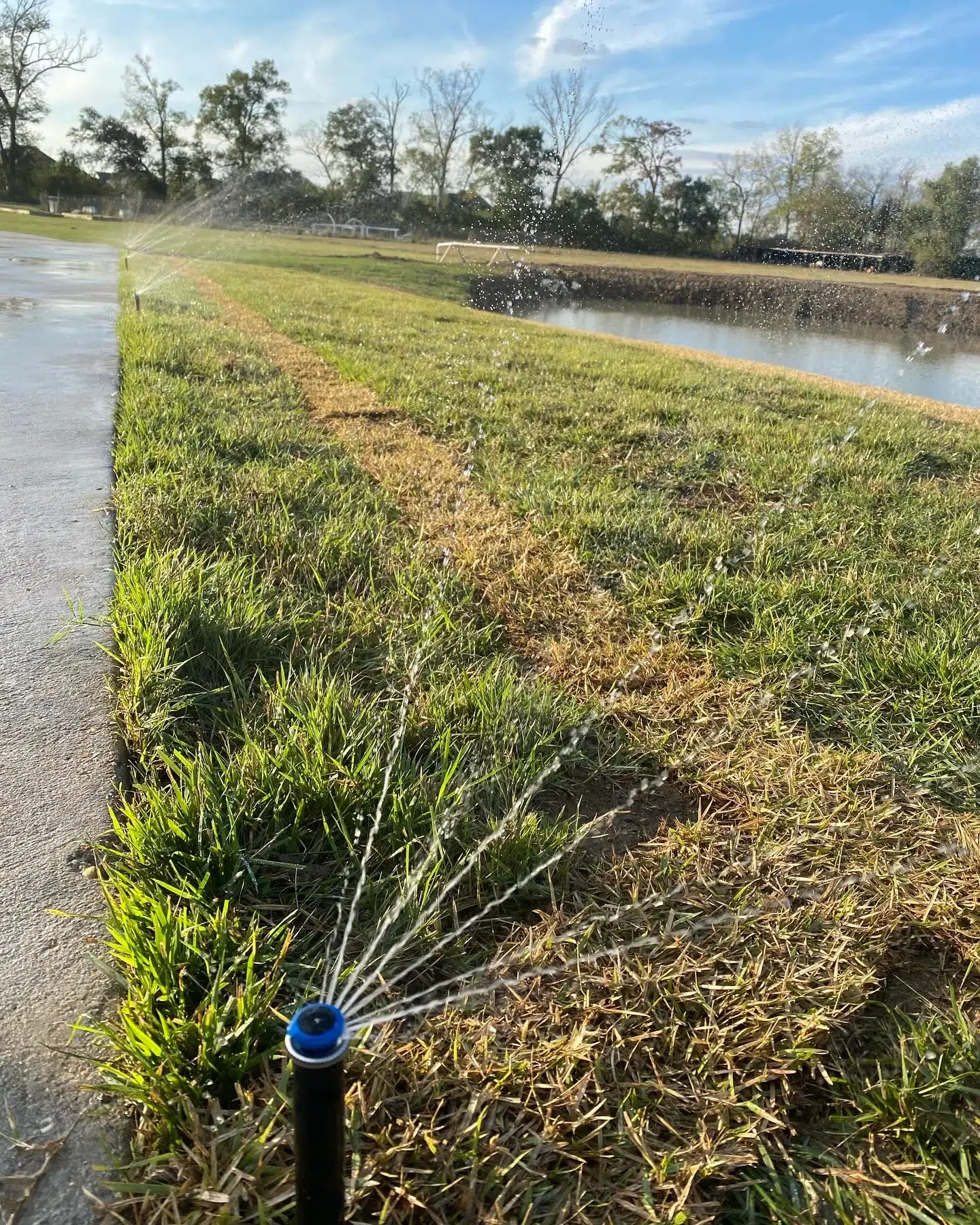
- Transition Garden Beds to Drip Lines. Overhead spray sprinklers are highly inefficient for garden beds. The water often hits the foliage of taller plants and never reaches the soil, evaporating before it does any good. Transitioning these areas to a drip irrigation system places the water directly at the base of the plant. This targeted delivery method reduces evaporation, prevents weed seed germination in bare soil, and eliminates water waste.
- Schedule Early Morning Watering. The time of day you run your irrigation system drastically impacts its performance. Watering in the middle of the afternoon results in massive evaporation losses due to the sun and heat. Watering late at night leaves the foliage wet for hours, creating a breeding ground for fungal diseases. Local agricultural experts at the LSU AgCenter highly recommend programming your system to run between 4:00 AM and 6:00 AM. This allows the water to soak into the soil perfectly before the sun rises.
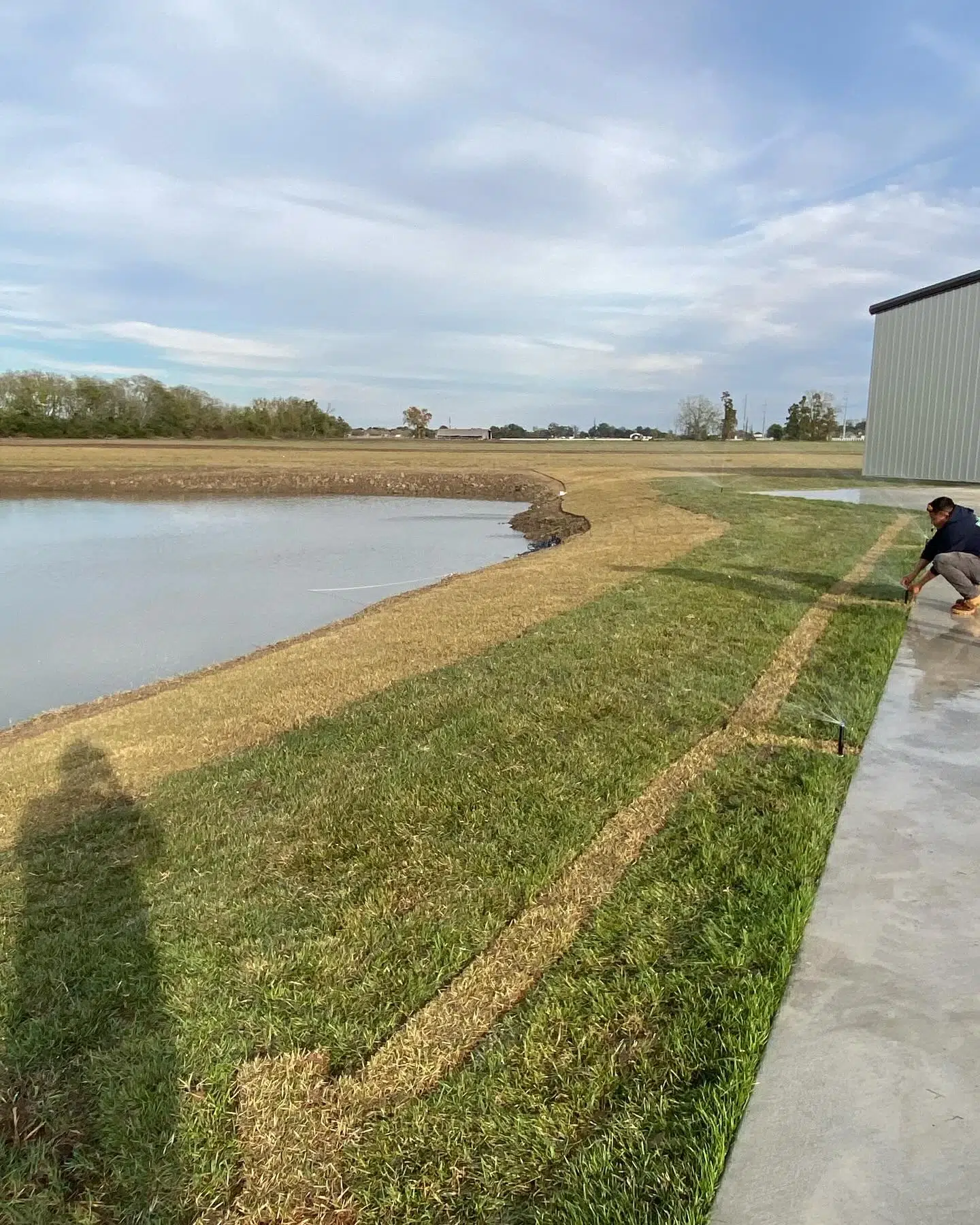
- Perform Seasonal System Audits. Irrigation systems require routine maintenance to function correctly. Walk your property once a month while the system is running to check for broken sprinkler heads, misaligned nozzles spraying the pavement, and leaking valves. Catching a broken line early prevents severe water waste, keeps your water pressure regulated, and ensures your garden receives the hydration it needs to survive a drought.
Factors That Affect Irrigation Performance
Several variables influence how effectively an irrigation system prevents drought stress. Understanding these foundational factors allows for better system design and more accurate scheduling.
Soil Composition and Infiltration Rates. The type of soil on your property dictates how water is absorbed. Southern Louisiana frequently features clay-heavy soils. Clay soils hold water exceptionally well but have a very slow infiltration rate. If an irrigation system applies water too quickly, the clay cannot absorb it, resulting in wasteful runoff down the street. Systems in clay soils should utilize a cycle and soak method, where sprinklers run for short bursts separated by resting periods to allow deep absorption.
Sunlight Exposure and Microclimates The amount of direct sunlight a specific area receives creates microclimates within your yard. A lawn facing south with no tree cover will experience significantly higher evaporation rates than a shaded garden bed on the north side of the home. Irrigation schedules must be adjusted to account for these microclimates to prevent the sunny areas from experiencing drought stress while keeping the shaded areas from drowning.
Water Pressure Variability: Consistent water pressure is required for sprinkler heads to distribute water evenly. If the pressure is too low, the water will not reach the intended distance, leaving dry spots in the landscape. If the pressure is too high, the water turns into a fine mist that easily blows away in the wind. The Alliance for Water Efficiency recommends installing pressure-regulating valves and pressure-regulated sprinkler heads to ensure optimal performance across all irrigation zones.
Plant Selection and Hardiness Native plants are naturally adapted to the local climate and require far less supplemental irrigation than exotic species. As documented by research from the University of Florida IFAS Extension covering Gulf Coast horticulture, incorporating native flora into your landscape design drastically reduces the workload on your irrigation system. When selecting plants, always verify their compatibility with the regional climate to ensure long-term survival with minimal mechanical intervention.
Expert Landscape and Irrigation Services
All Seasons Landscaping & Lawn Care is the expert solution for Sorrento, LA, homeowners and commercial property managers. We specialize in designing, installing, and maintaining high-efficiency irrigation systems that protect your property from extreme heat and unpredictable dry spells. Our team leverages advanced water-saving technology to keep your lawn vibrant year-round while significantly reducing your monthly utility costs.
Contact Information:
Company: All Seasons Landscaping & Lawn Care
Phone: 225-276-8658
Email: [email protected]
FAQs
How much water does my lawn need during a Sorrento summer?
Most lawns in Southern Louisiana require one to one and a half inches of water per week during peak summer months. It is best to deliver this amount in one or two deep watering sessions rather than brief daily sprinkles to encourage deep root development.
Will an irrigation system increase my property value?
Yes. A professionally installed and well-maintained irrigation system enhances curb appeal and protects expensive landscaping. It is highly attractive to potential buyers who desire a low-maintenance yard that stays green year-round.
What is the ideal time of day to run my sprinklers?
The best time to water your lawn is between 4:00 AM and 6:00 AM. Watering early in the morning minimizes evaporation from the sun and prevents fungal diseases associated with prolonged nighttime dampness on plant leaves.
Why are some areas of my lawn brown despite having sprinklers?
Brown spots usually indicate poor sprinkler coverage, clogged nozzles, or incorrect water pressure. A quick system audit can identify misaligned heads or broken underground lines that are failing to deliver water to those specific dry areas.
Do I really need a rain sensor on my irrigation system?
Absolutely. A rain sensor automatically halts your watering schedule during a downpour. This simple and inexpensive device prevents soil waterlogging, stops expensive water waste, and protects your plants from devastating root rot.
Sources
- Department of Energy (DOE) Landscaping for Water Conservation
- LSU AgCenter Lawn and Garden Resources
- National Weather Service Historical Climate Data
- University of Florida IFAS Extension on Irrigation Efficiency
- Alliance for Water Efficiency Residential Irrigation Guides

- How Does Regular Hedge Trimming Improve Your Landscape’s Overall Appearance? - October 12, 2026
- The Complete Guide to Hedge Trimming, Care, Maintenance, and Healthy Growth - October 6, 2026
- How Can Professional Drainage Services in Central, LA Protect Your Property From Water Damage? - September 11, 2026